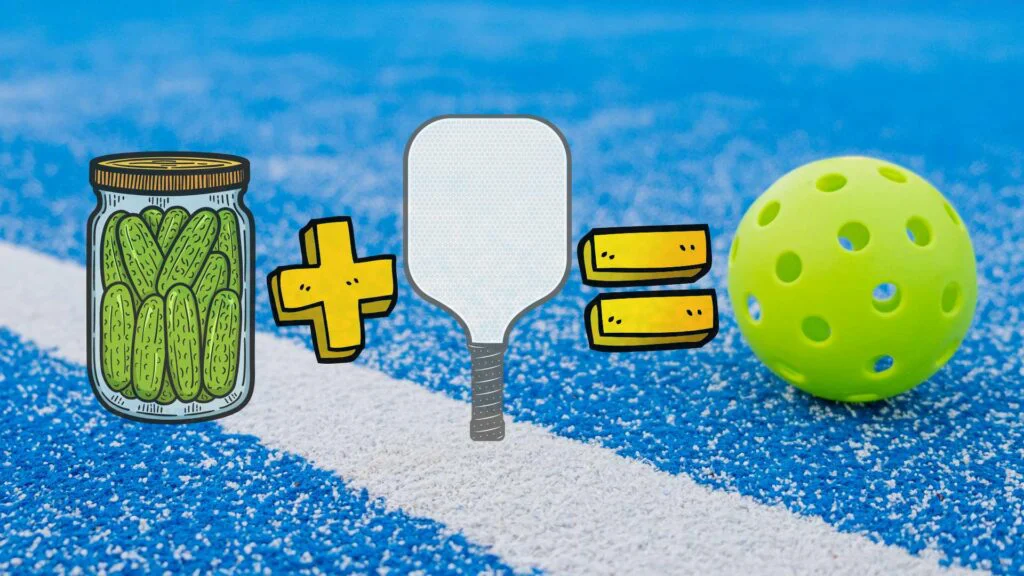
It most likely came from a “pickle boat” rowing term, not a dog named Pickles.
If you’ve ever wondered why is it called pickleball, you’re not alone. I’ve coached clinics, interviewed old‑school players, and dug through early accounts. In this guide, I’ll unpack the true story, the myth, and the evidence so you can answer why is it called pickleball with confidence—and even charm skeptics at your next open play.

The Two Competing Name Stories
There are two main stories about why is it called pickleball. One says the game was named after a family dog named Pickles. The other says it came from the “pickle boat,” a rowing term for a mixed crew. Both tie back to Bainbridge Island, Washington, where the game began in 1965.
Founders Joel Pritchard, Bill Bell, and Barney McCallum built a backyard game for their kids. It mixed badminton lines, a Wiffle ball, and wooden paddles. A quirky mashup needed a quirky name. That is where the debate begins.
What Early Sources Actually Say
When people ask why is it called pickleball, early records matter. Family recollections and local write-ups say Joan Pritchard used the rowing term. Her point was simple. The game felt like a mixed “crew” of other sports, just like a pickle boat.
Several early mentions support this framing. The dog named Pickles appears in later timelines, and some notes say the dog came after the game. Over time, media loved the dog story because it was cute and sticky. That helped the myth spread.

Why the Pickle Boat Story Makes Sense
The pickle boat is a known rowing term. It refers to a boat of leftover or mixed rowers. That fits the sport’s origin well. Badminton net, ping-pong style paddles, and a plastic ball—mixed parts that worked great.
Why is it called pickleball if not for the dog? Consider these points:
- The game started as a blend of familiar sports.
- The name “pickle boat” explains that blend in one phrase.
- Early family accounts highlight Joan’s rowing link.
- The dog story shows up more in later retellings.
- Coaches and historians often lean on the rowing term because it fits the facts.

Source: lifetime.com
How the Dog Named Pickles Became the Popular Myth
When I run beginner nights, someone always asks, “why is it called pickleball—wasn’t there a dog?” I smile. The dog story is fun. Reporters and TV hosts repeated it for years. It’s easy to remember, and it makes people laugh.
But fun does not equal first. The dog likely got the name from the game, not the other way around. As the sport grew, the playful dog tale helped headlines. It made the sport feel friendly and family‑ready. That helped spread the myth far and wide.

A Quick Timeline of the Name
If you need a short way to answer why is it called pickleball, a timeline helps.
- 1965: Game created on Bainbridge Island with makeshift gear.
- 1965–1967: The blended nature sparks a name tied to “pickle boat.”
- Late 1960s: A family dog named Pickles appears later in some records.
- 1970s: Media mentions start mixing the stories.
- 1976 and after: Rules, clubs, and magazines repeat the name. The dog tale grows in pop culture.

Source: metrobud.pl
Practical Tips: Explaining the Name Without Starting an Argument
People love the dog story. Others swear by rowing. When asked why is it called pickleball, keep it simple and kind.
Try these lines:
- “Most evidence points to a rowing term called a pickle boat.”
- “Some folks remember a dog named Pickles, but that likely came later.”
- “Either way, the name stuck because it fits the sport’s playful feel.”
If you write rules, lessons, or posts, lead with the rowing origin. Then add the dog as a charming side note. That path respects both history and community lore.

Cultural Impact of a Quirky Name
Why is it called pickleball also matters for growth. The name is odd and friendly. It lowers the barrier for new players. Park departments say the name helps with outreach. Parents and kids feel welcome right away.
Brands lean into the fun. That helps marketing and social media. I have seen shy first‑timers relax when they hear the name. It signals that the game is serious but not stiff. The name is part of its magic.

Frequently Asked Questions of why is it called pickleball
Is the sport named after a dog or a rowing term?
Most evidence points to the rowing term “pickle boat.” The dog story is charming but likely came later.
Who actually named it pickleball?
Family accounts credit Joan Pritchard. She connected the sport’s mixed parts to a pickle boat.
When people ask why is it called pickleball, what should I say?
Say it comes from the pickle boat in rowing. Then, if needed, add that a family dog named Pickles later fueled a popular myth.
Where did the sport start, and does that affect the name?
It started on Bainbridge Island, Washington, in 1965. The founders’ rowing ties and mixed-sport setup support the pickle boat link.
Why did the dog story spread so fast?
It’s catchy and visual. Reporters love a cute hook, and the tale made the sport feel warm and family-friendly.
How does the name affect the sport’s popularity?
The quirky name lowers stress for new players. It also boosts brand recall and social buzz.
Has any official group ruled on why is it called pickleball?
Many histories and interviews favor the rowing origin. Most official summaries reflect that view while noting the dog myth.
Conclusion
So, why is it called pickleball? The best answer is the rowing term pickle boat, because the sport began as a happy mix of other games. The dog story adds charm, but it’s likely a later twist. Use both if it helps your crowd connect, and lead with the facts.
Share this with a friend, your club, or your local park. Keep the story alive, and keep it accurate. If this helped, subscribe for more deep dives, or leave a comment with your own favorite pickleball tales.