Pickleball was created in 1965 by Joel Pritchard, Bill Bell, and Barney McCallum.
Curious about who created pickleball and how it took over parks, gyms, and backyards? You’re in the right place. I’ll walk you through the full story with clear facts, simple timelines, and friendly tips. By the end, you’ll know who created pickleball, why the origin matters, and how that playful backyard idea became a global sport.
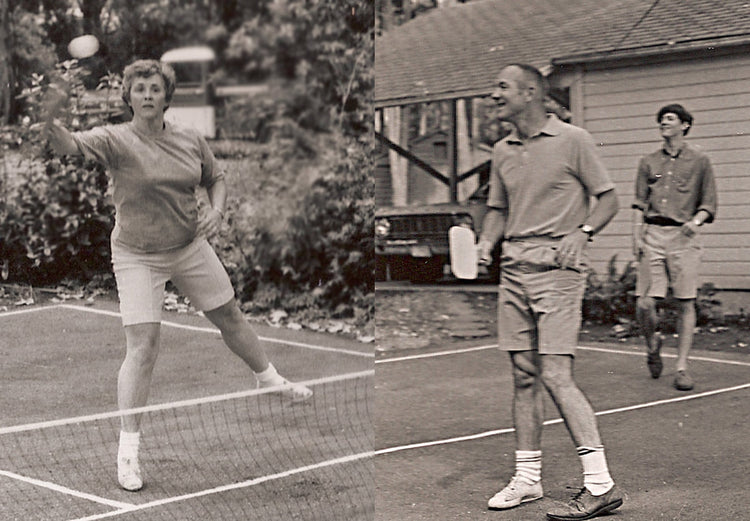
The Bainbridge Island origin story: summer 1965
The answer to who created pickleball starts on Bainbridge Island, Washington. It began when three dads—Joel Pritchard, Bill Bell, and Barney McCallum—looked for a fun game for their kids. They set up on a badminton court, lowered the net, and used a plastic ball with holes. They grabbed simple wooden paddles and started to tinker with rules.
The game worked because it was easy to learn and quick to play. The court was small, so rallies lasted longer. Soon, neighbors and friends joined in. That backyard spark grew into a sport.
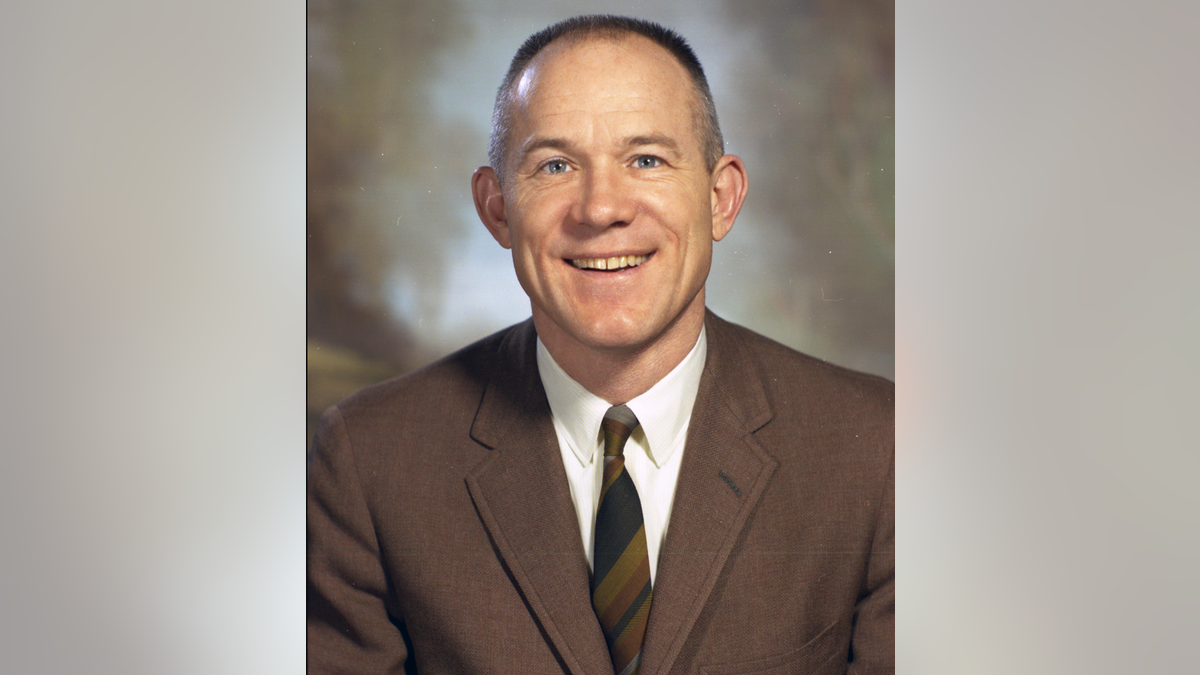
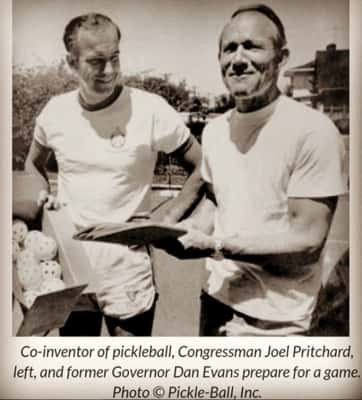
Meet the founders: Pritchard, Bell, and McCallum
If you ask who created pickleball, you’ll always hear three names.
Joel Pritchard was a local leader who later became Washington’s lieutenant governor. He loved games that brought people together. Bill Bell was a businessman with a calm style and a competitive edge. Barney McCallum was an inventor at heart. He helped shape the paddles and rules so anyone could play.
Each founder added something key. Pritchard drove the vision. Bell refined play. McCallum turned ideas into gear and guidelines. Together, they built a friendly, fast, and social sport.
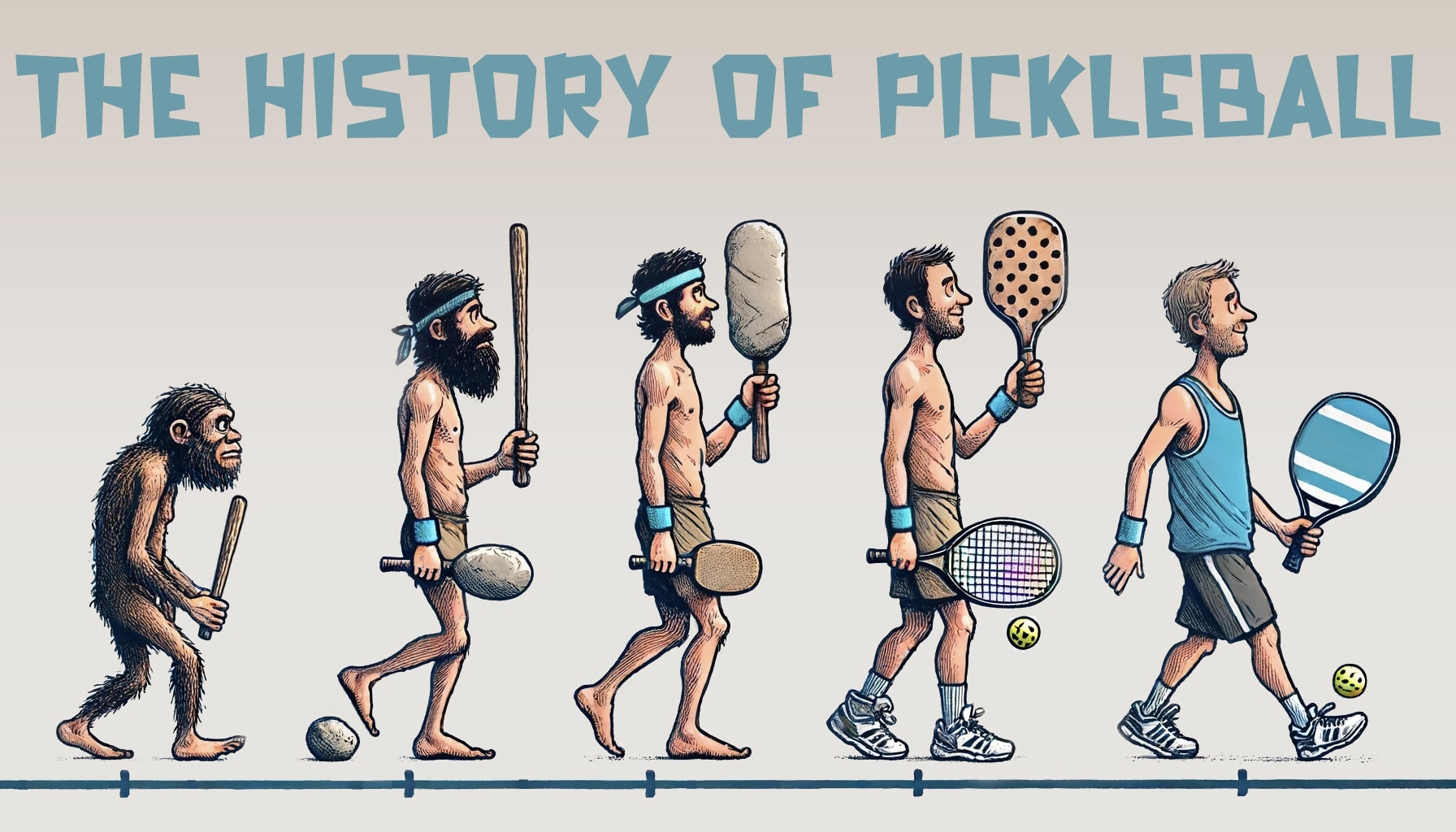
How the rules and gear took shape
The early rules aimed to keep play fair and fun. That goal still guides the sport today. If you ask who created pickleball and why it feels so friendly, look at these choices.
Key elements that stuck:
- Court size is 20 by 44 feet, the same as doubles badminton. This shape rewards placement over power.
- Net height is 36 inches at the sides and 34 inches in the middle. This helps clean, low shots.
- The non-volley zone, called the kitchen, stops players from slamming every ball at the net. It adds touch and strategy.
- Serves are underhand with a diagonal target. This makes play easy to start and fair for new players.
Gear evolved fast. Early paddles were cut from plywood in a garage. Today’s paddles use honeycomb cores and composite faces. Balls vary by play space. Outdoor balls are harder with more holes. Indoor balls are softer with fewer holes. These changes kept the spirit of the game while improving control.

Why it’s called pickleball
People often ask who created pickleball and how it got its quirky name. Two stories exist. One says the sport was named after the Pritchard family dog, Pickles, who chased stray balls. Another points to the “pickle boat,” a crew term for a team of mixed rowers. The sport mixed rules and gear, just like that boat.
Records show the dog joined the family after the game began. Still, both stories live on. Either way, the name is easy to say and hard to forget. That helps the sport spread.

Timeline: from backyard game to booming sport
To fully answer who created pickleball, it helps to see the milestones. These moments show how a backyard idea turned into a movement.
- 1965: Game invented on Bainbridge Island by Pritchard, Bell, and McCallum.
- 1967: The first permanent court is built in a neighborhood yard.
- 1972: A company is formed to guide and protect the sport.
- 1976: The first known tournament is held in Washington state.
- 1984: A national body forms to support rules, events, and growth.
- 2009: The first large national event draws hundreds of players in Arizona.
- 2020–2024: Participation surges. Industry reports show tens of millions try the game. Annual growth tops all US sports.
These steps came from community drive. Volunteers marked courts and taught neighbors. Coaches and parks built programs. Brands improved paddles and balls. That is the ripple effect of who created pickleball and why it works for all ages.

Why the origin still matters
When you explore who created pickleball, you see a core idea: simple rules, rich play. The founders built a sport that unites skill and fun. It blends touch, smarts, and teamwork. It welcomes kids, seniors, and pros on the same court.
The origin also explains the culture. People cheer between points. Partners high-five after errors. New players get tips from the next court. That spirit started in a yard. It still powers the sport today.
Practical tips inspired by the founders
Learning who created pickleball can guide how you play and teach. Keep it simple. Make it welcoming. Focus on fun first.
Try these tips:
- Start on a shorter court line if needed. Aim for long rallies, not power.
- Use a soft grip. Think smooth swings and calm feet.
- Dink cross-court to the open space. Build the point, then attack.
- Serve deep and safe. Consistency wins more than risk.
- Invite friends. Rotate partners often. Keep games to 11 to stay fresh.
Common mistakes to avoid:
- Standing too close to the baseline on the return. Step in and meet the ball early.
- Slamming high balls from the kitchen line without control. Place, then push.
- Overthinking gear at the start. Any mid-weight paddle can work while you learn.
These simple moves honor the founders’ goal. Keep play fair, fast, and social.

Frequently Asked Questions of who created pickleball
Who created pickleball, in one line?
Three friends did: Joel Pritchard, Bill Bell, and Barney McCallum in 1965. They built it on Bainbridge Island after a casual summer idea.
Where did the founders play the first games?
They played on a backyard badminton court on Bainbridge Island. They lowered the net and used a plastic ball with holes.
Why do people debate the name?
Some say it came from a family dog named Pickles. Others link it to the “pickle boat” in crew; both stories persist.
How fast did the sport grow after 1965?
Growth was steady for decades and then surged after 2020. Recent reports show millions of US players and new courts in every state.
What part of the rules made pickleball so popular?
The kitchen and underhand serve keep play balanced and fair. These choices help rallies last and make the game easy to learn.
How does knowing who created pickleball help new players?
It shows why the sport values touch, teamwork, and access. You can focus on control and fun, not just power or gear.
Did the founders play with wooden paddles?
Yes, early paddles were plywood and cut in a garage. Modern paddles are lighter and more stable, but the feel-first idea remains.
Conclusion
Now you know who created pickleball and how a simple yard game became a global hit. Three dads chose joy, access, and smart rules. That choice still shapes every rally, from your local park to pro play.
Use that spirit today. Grab a paddle, invite a friend, and keep the focus on long rallies and big smiles. Want more guides and tips? Subscribe for weekly how-tos, gear breakdowns, and local play ideas.