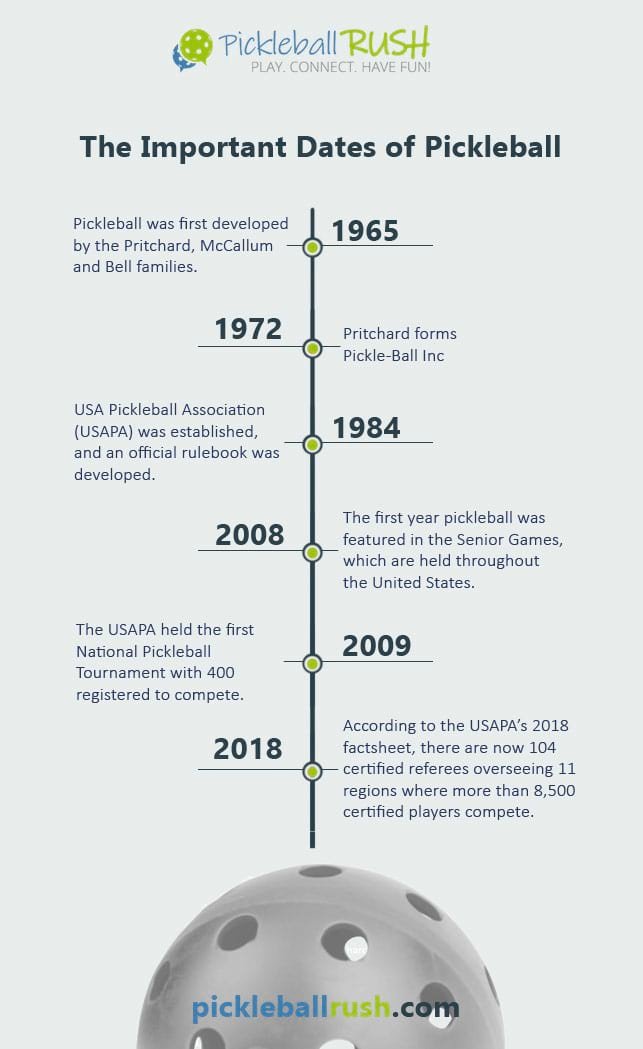
Pickleball was created in the summer of 1965 on Bainbridge Island, Washington.
If you are curious about when was pickleball created, you are not alone. I have studied the game’s roots for years and taught many new players. In this guide, I share the full story, clear facts, and simple tips that bring the history to life.
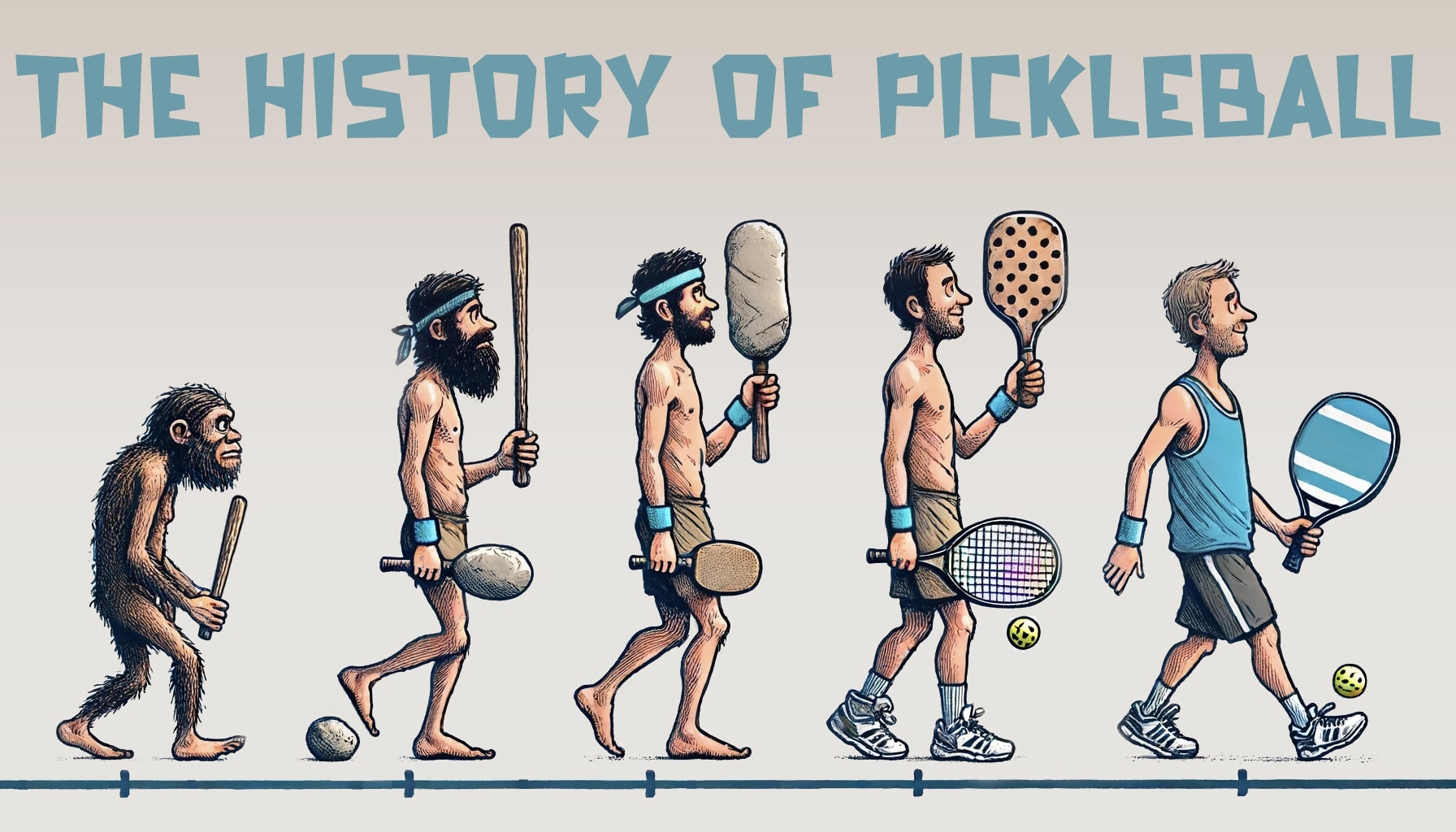
The short answer: date, place, and people
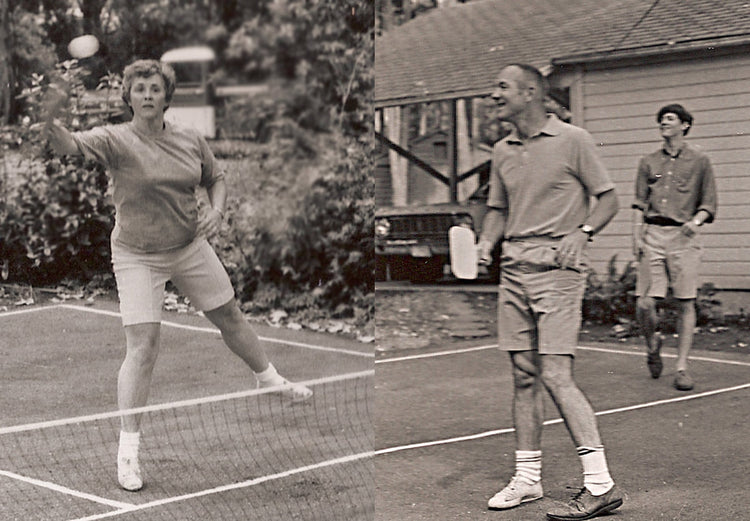
The clearest answer to when was pickleball created is 1965. It began at the Pritchard family home on Bainbridge Island, near Seattle, Washington. The founders were Joel Pritchard, Bill Bell, and their neighbor Barney McCallum.
They set up a net on an old badminton court. They used a perforated plastic ball and simple wooden paddles. The net height and rules took shape over the next days and weeks. If you ask when was pickleball created and by whom, the answer stays the same: 1965, and by Pritchard, Bell, and McCallum.

A weekend that sparked a sport: the origin story
It started as a way to entertain kids during a slow summer day. The group tried badminton, but there were not enough rackets. So they grabbed a plastic ball and made do with wood paddles cut in a garage.
At first, the net was high, like badminton. They soon lowered it to work with the ball’s flight. They found a sweet spot that felt fair and fun. When was pickleball created makes more sense when you picture a friendly yard, a few curious friends, and a simple plan to play.

Who named it and why: the dog vs. pickle boat debate
There are two stories about the name. One credits the family dog, Pickles, who chased the ball. The other links the name to rowing, where a “pickle boat” is a mix of leftover crew members. Joan Pritchard said the game felt like that mix of parts.
Both stories are told by people who were there. Over time, many accept that both ideas helped the name stick. If you wonder when was pickleball created and how it got the name, know that 1965 is the date, and the name likely grew from both tales.

Early milestones: first court, first tournament, first rules
After 1965, the sport gained shape fast. Here are key steps that most histories agree on.
-
- The first permanent court was built at the home of family friend Bob O’Brian on Bainbridge Island. This moved play from a borrowed space to a real court.
-
- The first known tournament took place in Tukwila, Washington. Players came from other racket sports and helped refine the style and rules.
-
- A national group formed and published the first official rulebook. This gave standard terms, court sizes, and scoring to the sport.
- Late 1980s. Clubs in Washington and Arizona promoted play. Retirement communities helped drive growth with regular open play.
- 2010 and beyond. A global body formed, and national bodies spread. Pro tours, big events, and TV helped the sport grow fast.
Each step made it easier to answer when was pickleball created, and also to explain how it was shaped into what we play today.
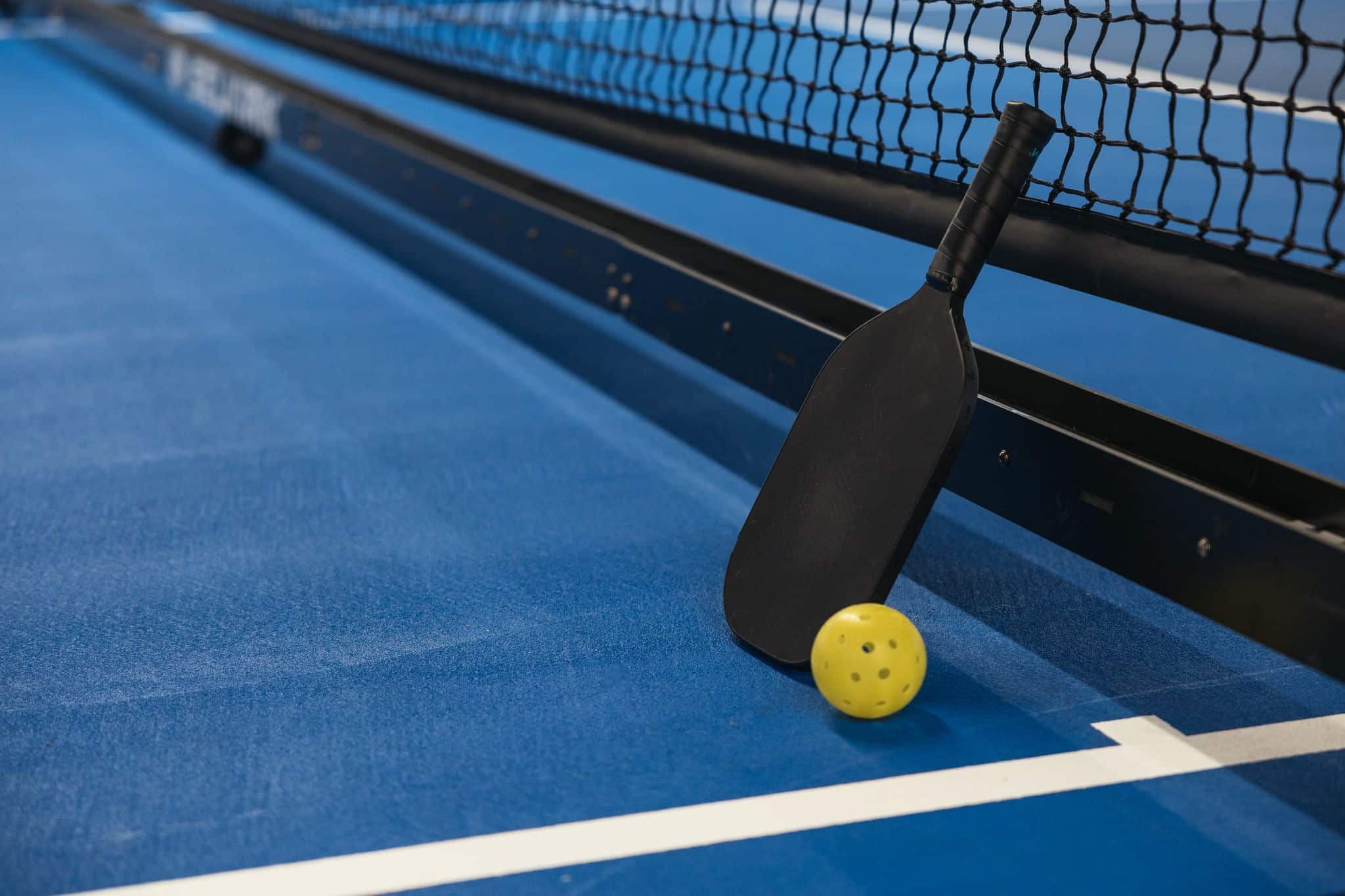
How rules evolved from 1965 to today
The first games had simple rules. Over time, they were refined for fairness, safety, and flow.
- Non-volley zone. The seven-foot zone near the net stops easy smash volleys. It keeps rallies longer and safer.
- Serve rules. Underhand serves make play more accessible. The drop serve added a simple choice for players who struggle with a toss.
- Double-bounce rule. The ball must bounce once on each side before volleys start. This helps beginners and balances power and touch.
- Scoring. Traditional side-out scoring defined play for decades. Rally scoring now appears in some events, but the classic method remains the base in most rulebooks.
As I teach new players, I stress why the kitchen exists. It supports rallies and fun. When was pickleball created opens the door, but why rules evolved shows how the game stays friendly and fair.
Equipment evolution: from wood to modern composites
The first paddles were cut from plywood. They were heavy and simple. In 1984, an engineer named Arlen Paranto built the first composite paddle. He used materials like fiberglass and honeycomb cores. This changed control, power, and weight.
Balls also improved. Early Wiffle-style balls gave way to balls designed for indoor and outdoor play. Hole sizes and counts were tested to fit flight and wind. Nets became more stable, with durable posts and good center straps. If you study when was pickleball created, also study how gear improved. It explains why rallies today look so sharp.

Growth timeline: from island pastime to global sport
The sport left Bainbridge Island and moved across the U.S. through local clubs and community centers. It caught on in Arizona, Florida, and the Pacific Northwest. Schools and parks adopted lined courts. Tennis clubs added shared spaces.
By the 2010s, the sport surged. Media coverage, social play, and easy learning helped. Reports show millions now play in the U.S., with rapid annual growth. Cities invest in courts. Pro tours draw crowds. If someone asks when was pickleball created, it is fair to add that the 2020s made it a mainstream sport.

Why the date matters to players and communities
Knowing when was pickleball created adds context and pride. It is not just trivia. It is proof that a simple, homegrown idea can scale.
- It teaches values. The founders solved a problem with what they had. That mindset helps you grow as a player.
- It guides coaching. Rules were built to balance power and touch. Teach both skills to new players.
- It supports community. The sport began as a family activity. Keep that spirit in open play and league nights.
I use the story in clinics. It helps beginners relax. It shows that the sport was made for them. When was pickleball created is really about how play brings people together.

Practical tips for new players inspired by the founders
The early days were about simple gear and smart tweaks. You can use the same approach.
- Start with what you have. Borrow a paddle and hit the ball back and forth. Focus on control.
- Learn the kitchen early. Practice dinks and soft shots. Aim for consistent placement over power.
- Build serve habits. Use a smooth, low-risk serve. Add depth and direction as you improve.
- Play short games. First to five points helps you learn fast. Rotate partners to see different styles.
- Keep it fun. Smile, call lines clearly, and invite new faces. The game was born from joy.
These habits reflect the spirit of 1965. When was pickleball created is a date. How you play today is the legacy.
Frequently Asked Questions of when was pickleball created
When was pickleball created and by whom?
It was created in 1965 by Joel Pritchard, Bill Bell, and Barney McCallum. They started on a badminton court at a home on Bainbridge Island.
Where was the first permanent pickleball court built?
The first permanent court was built in 1967 at a friend’s home on Bainbridge Island. This helped formalize court size and net setup.
Why is it called pickleball?
Two stories exist. One credits a family dog named Pickles, and the other comes from the “pickle boat” term in rowing.
When was pickleball created as an official sport with rules?
The game began in 1965, and a formal rulebook arrived in 1984. That rulebook set clear standards for courts, serves, and scoring.
How has pickleball changed since 1965?
Rules added the non-volley zone and the double-bounce rule to encourage rallies. Gear moved from wood to composite paddles and purpose-built balls.
Is pickleball really the fastest-growing sport?
Industry reports show millions of U.S. players and fast year-over-year growth. Courts, clubs, and pro events have expanded nationwide.
When was pickleball created compared to tennis and badminton?
Tennis and badminton are older by decades and even centuries. Pickleball is modern, born in 1965 with a mix of those ideas.
Conclusion
Pickleball began in 1965 on Bainbridge Island with three friends, a simple ball, and a smart fix. The name has two charming roots. The rules evolved to balance touch and power, which is why the game feels fair and fun today. If you came looking for when was pickleball created, now you also know how and why it grew.
Take the founders’ approach. Keep it simple, try ideas, and invite others to play. Want more deep dives and tips? Subscribe, share this guide with a friend, or drop your questions in the comments.