Start simple: drop serve deep cross-court, relax your wrist, and practice daily.
If you’re new and want real tips for beginners to serve in pickleball, you’re in the right place. I’ve coached hundreds of first-time players, and I’ve made every serve mistake you can imagine. This guide shows you what works, why it works, and how to build a serve you trust. Stick with me, and you’ll learn the exact steps, drills, and strategies to serve with confidence.
Pickleball Serve Basics Every Beginner Should Know
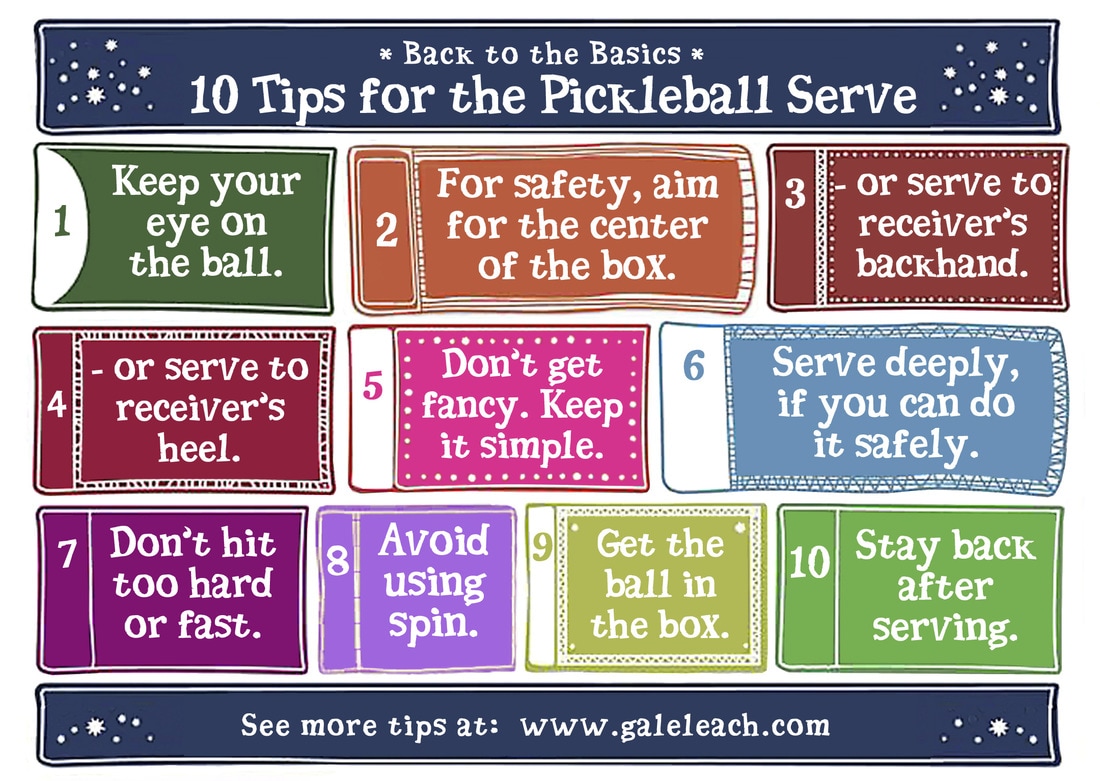
Serving sets the tone. A few rules give you guardrails as you learn. Here are core tips for beginners to serve in pickleball that keep you legal and consistent.
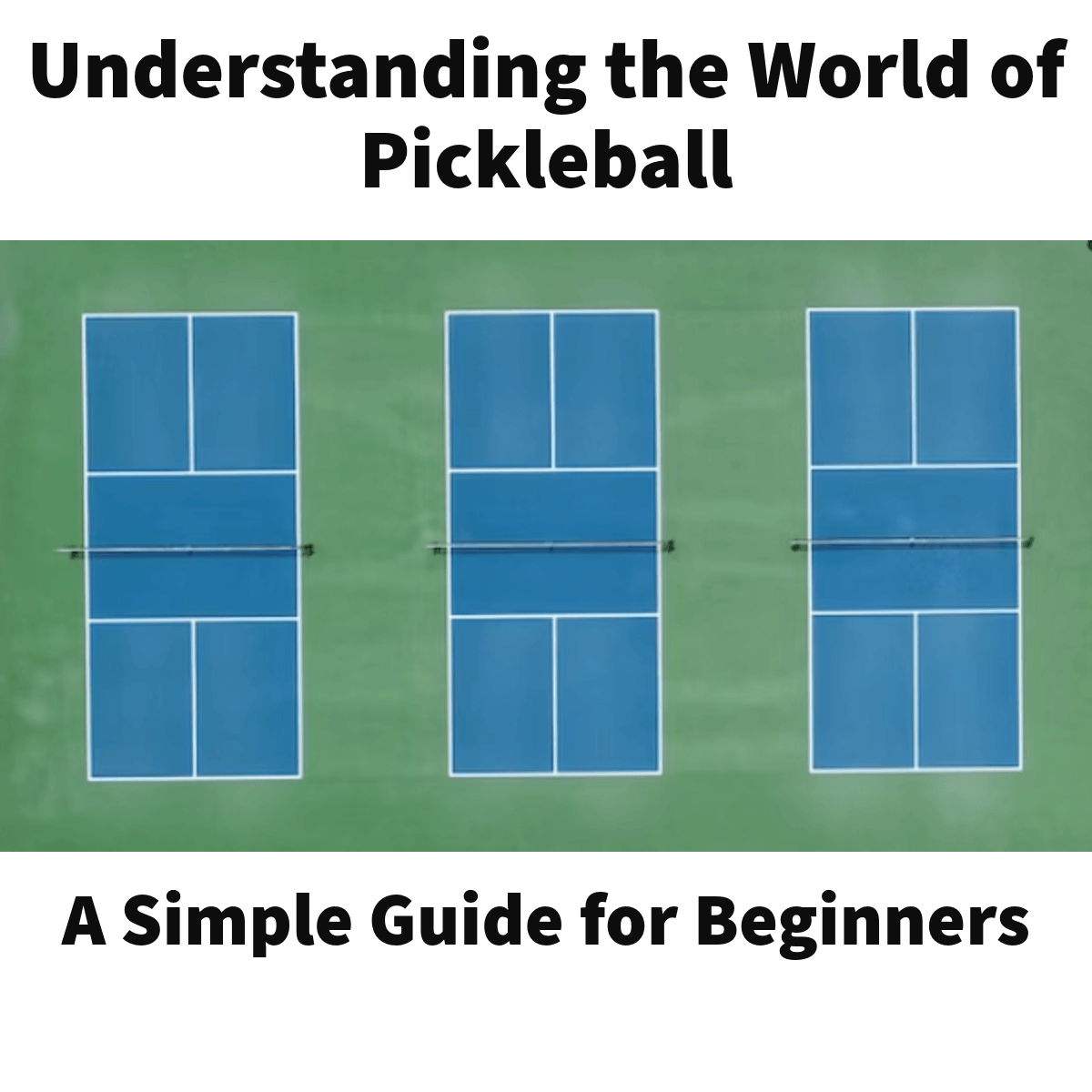
- Serve cross-court into the opposite service box. It cannot land in the non-volley zone.
- Keep both feet behind the baseline before contact. No foot on the line.
- Contact must be below your waist on a volley serve. Your swing should move upward.
- A drop serve is allowed. You can drop the ball and hit it after it bounces.
- No let serves. If the ball clips the net and lands in, it’s live.
- Call the full score before you serve. You have 10 seconds after the call to serve.
When you know the rules, you relax. That helps you build rhythm. It’s the fastest path to master the tips for beginners to serve in pickleball.
Choose Your Starting Serve: Volley Serve vs Drop Serve
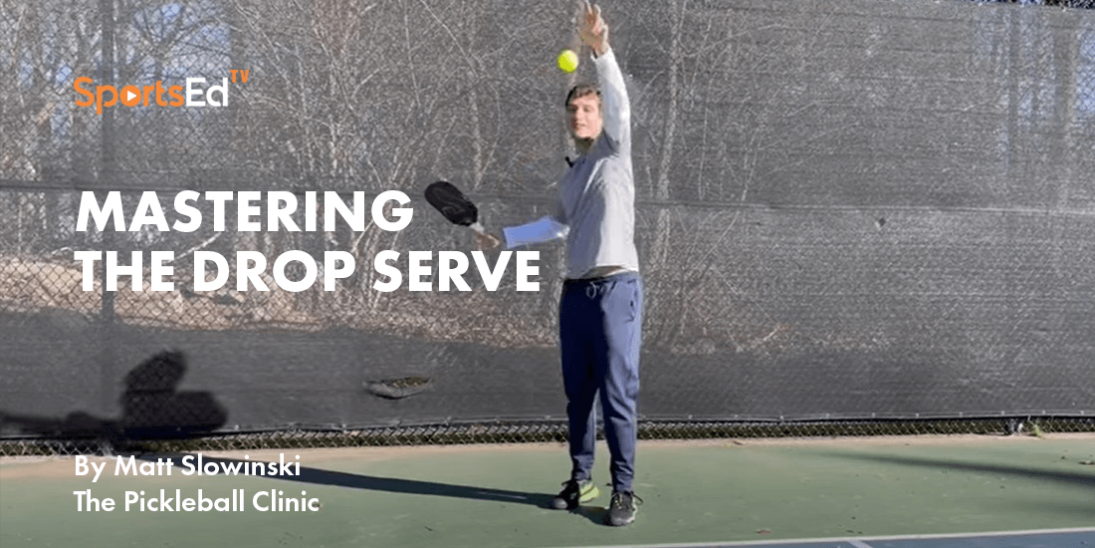
Most beginners ask where to start. The drop serve is simpler. It removes the upward-swing rule, so the motion is less strict. This one change can boost your serve-in rate fast.
- Volley serve: Hit the ball out of the air with an upward motion. Contact must be below your waist.
- Drop serve: Drop the ball from your hand. Let it bounce. Hit it after the bounce with any natural motion.
- My advice: Begin with the drop serve. It’s easier to repeat. As you improve, add the volley serve.
These choices form the base of tips for beginners to serve in pickleball. Start with control. Add pace later.

Step-by-Step Mechanics For A Reliable Beginner Serve
Use this simple checklist before every point. It’s one of the best tips for beginners to serve in pickleball because it makes your serve automatic.
- Stance: Stand sideways to the target. Feet shoulder-width. Relax your shoulders.
- Grip: Use a continental grip. Think “handshake” on the paddle.
- Ball position: Hold the ball out front at waist height. For a drop serve, just let it fall. No push.
- Aim small: Pick a target, like the deep backhand corner. Look at it before you swing.
- Smooth swing: Start slow, finish smooth. Keep your head still. Brush up through the ball.
- Contact: Strike the ball just in front of your front hip. Keep your wrist quiet.
- Follow-through: Finish toward your target. Hold your pose for a beat.
- Score routine: Call the score, breathe in, breathe out, serve. Same rhythm every time.
I tell my students, “Slow is smooth. Smooth is fast.” Repeat this checklist, and your serve will feel calm under pressure.
Simple Placement That Wins Points Early
You don’t need a rocket serve. You need smart spots. This is where many tips for beginners to serve in pickleball pay off right away.
- Deep middle: Lands near the back line between players in doubles. It causes confusion.
- Deep to the backhand: Most players return weaker off the backhand side.
- High clearance: Aim a high arc that lands deep. Depth beats speed for beginners.
- Avoid sidelines early: Give yourself room. Missing wide is a cheap point.
As your control improves, mix in pace and height. Still, depth should stay your main goal.

Common Beginner Mistakes And Quick Fixes
Everyone stumbles at first. These fixes come straight from classes I run each week and are core tips for beginners to serve in pickleball.
- Hitting too hard: Dial back to 60% power. Focus on clean contact and depth.
- Flicky wrist: Lock the wrist and swing with your arm and body.
- Tossing the ball: On a drop serve, do not toss. Just let it fall from your hand.
- Rushing the motion: Use a breath cue. Inhale on the setup, exhale on the swing.
- Foot faults: Set your toes behind the baseline. Check them before the serve.
- Aiming vague: Pick a small target. Your paddle face follows your eyes.
These small changes prevent most faults and raise your serve-in rate fast.

Drills To Build Consistency And Confidence
You can grow a solid serve in a week with focused reps. Use these drills to apply the best tips for beginners to serve in pickleball.
- 50-Serve Ladder: Hit 10 to deep middle, 10 to deep backhand, 10 to deep forehand, then repeat. Track makes.
- Corner Targets: Place two cones near the deep corners. Hit 25 serves aiming for a bounce within two feet of each cone.
- Width-Depth Grid: Chalk a 3-by-3 grid in the service box. Call the square before you serve. Hit that square.
- Timer Pressure: Call the score, start a 10-second count, and serve. It trains match tempo.
- Video Check: Record 20 serves from the side. Look for a steady head, smooth arc, and follow-through.
Do these twice a week for 15 minutes. You’ll feel the difference by next weekend.
Gear And Setup That Help Your Serve
Good gear won’t replace practice, but it can help you groove. This section ties into practical tips for beginners to serve in pickleball.
- Paddle: A midweight paddle with a medium grip size suits most beginners. It helps control.
- Overgrip: Add an overgrip for tack and comfort. It reduces slips when you sweat.
- Ball: Practice with the same brand used at your courts. Different balls fly differently.
- Shoes: Court shoes with a firm base stop ankle rolls and help quick recovery steps.
Set up your gear once and you’ll take one more variable off your mind.

Build A Simple Pre-Serve Routine And Game Mindset
A routine keeps nerves in check. It also makes your serve repeatable. This is one of the most underrated tips for beginners to serve in pickleball.
- Breath cue: One deep inhale, slow exhale.
- Visual cue: See the ball landing deep in your target spot.
- Body check: Feet behind the line, shoulders relaxed, eyes up.
- Trigger word: Say “smooth” or “deep” in your head as you swing.
When pressure builds, your routine carries you. Trust it.

Track Progress And Level Up Your Serve
What gets measured improves. Tracking is a smart way to lock in tips for beginners to serve in pickleball.
- Serve-in rate: Out of 50 serves, how many land in?
- Depth rate: How many land within three feet of the baseline?
- Placement mix: How many to deep middle, backhand, forehand?
- Next step: After two weeks at 80% serve-in, add a little pace or a gentle slice.
Later, explore spin serves and more angles. Keep your base mechanics the same.
Frequently Asked Questions of tips for beginners to serve in pickleball
What is the easiest serve for a beginner?
The drop serve is easiest. You drop the ball, let it bounce, and swing with a smooth motion.
Where should I aim my serves at first?
Aim deep to the middle or the backhand corner. Depth makes the return harder and buys you time.
How hard should I hit my beginner serve?
Use about 60% power. Focus on a high, smooth arc that lands near the baseline.
Can my serve hit the net and still count?
Yes. There are no let serves. If it clips the net and lands in the correct box, play on.
How do I avoid foot faults?
Set both feet behind the baseline before contact. Do a quick glance at your toes as part of your routine.
Should I add spin right away?
Not yet. Build a consistent, deep serve first. Add light slice once your serve-in rate is high.
How often should I practice my serve?
Two or three short sessions a week work well. Do 50 focused reps with targets each time.
Conclusion
A steady serve comes from simple parts done well. Pick a routine, choose a target, swing smooth, and repeat. Use these tips for beginners to serve in pickleball to build depth, control, and calm.
Give yourself two weeks of short, focused practice and track your results. You’ll feel the shift from hoping to knowing. Ready to level up? Try the drills here, share your progress, and subscribe for more on serve strategy and beyond.