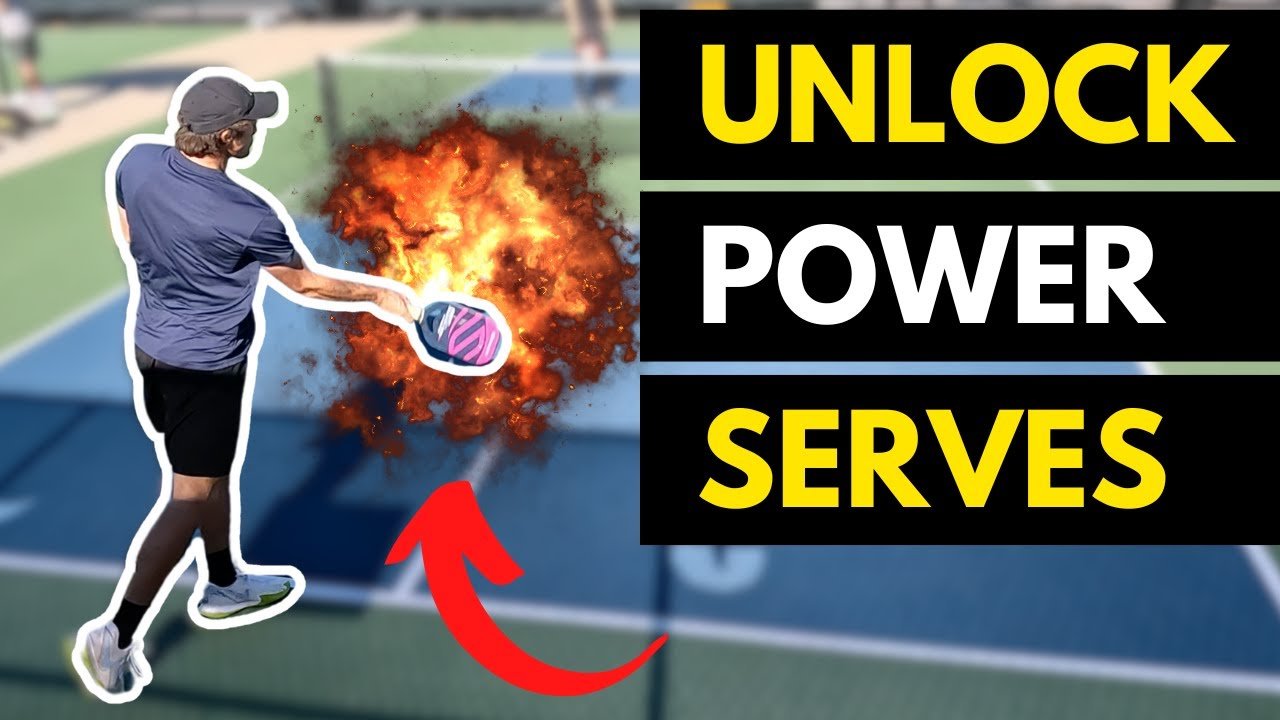
Keep your serve simple: aim deep, hit upward, and stay relaxed.
If you want more wins, fix your serve. I’ve spent years coaching players who felt stuck at the line. With the right pickleball serve tips, you can gain free points, set up easy thirds, and stop giving away faults. This guide breaks down rules, mechanics, drills, and strategy in plain language so you can build a reliable, legal, and dangerous serve.
Understand the rules and mechanics first
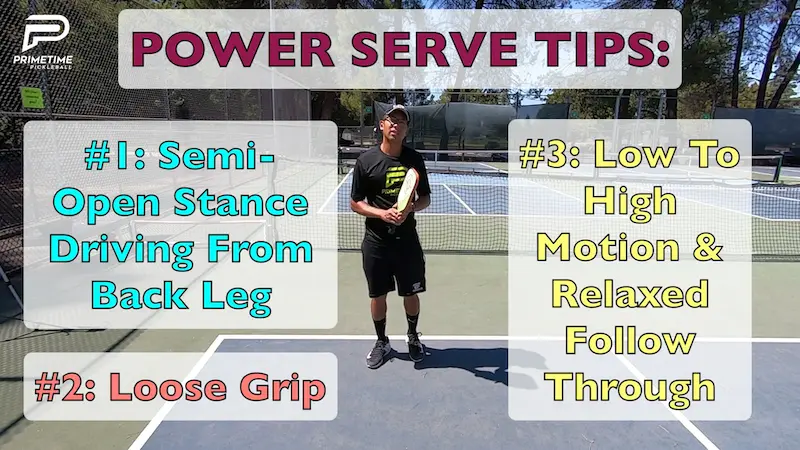
Before you chase speed or spin, lock in the basics. For a standard volley serve, hit the ball with an upward motion, make contact below your waist (navel level), and keep the paddle head below your wrist at contact. Both feet must be behind the baseline, and you can’t touch the court or baseline until after you hit the ball.
The serve must land in the diagonal service court and not touch the non-volley zone line. The centerline, sideline, and baseline are in. If the serve clips the net and lands in, it is live. Also remember the two-bounce rule: the return must bounce, and your next shot must bounce too.
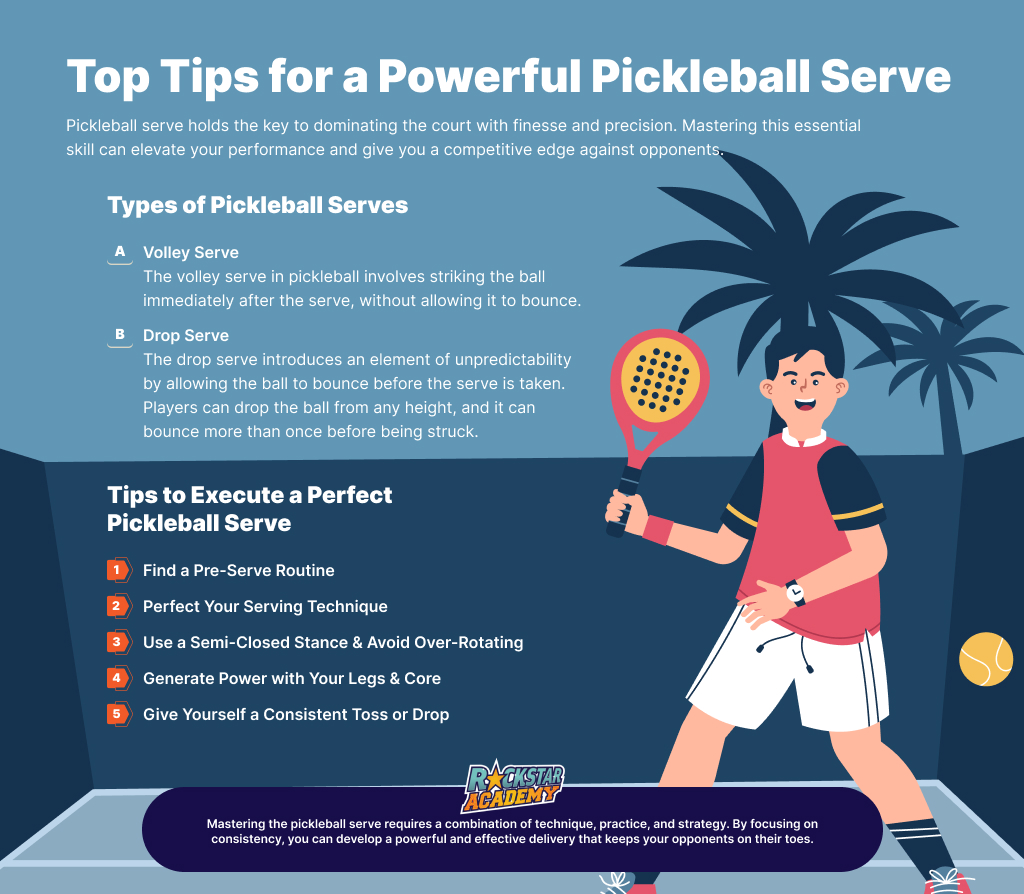
The drop serve is a legal option. Let the ball drop from your hand and hit it after it bounces once. It relaxes the upward swing and contact-below-waist rules. Check the latest rulebook for details on ball release and spin at release, as these can change. These core rules shape every one of my pickleball serve tips.
Grip, stance, and ball release
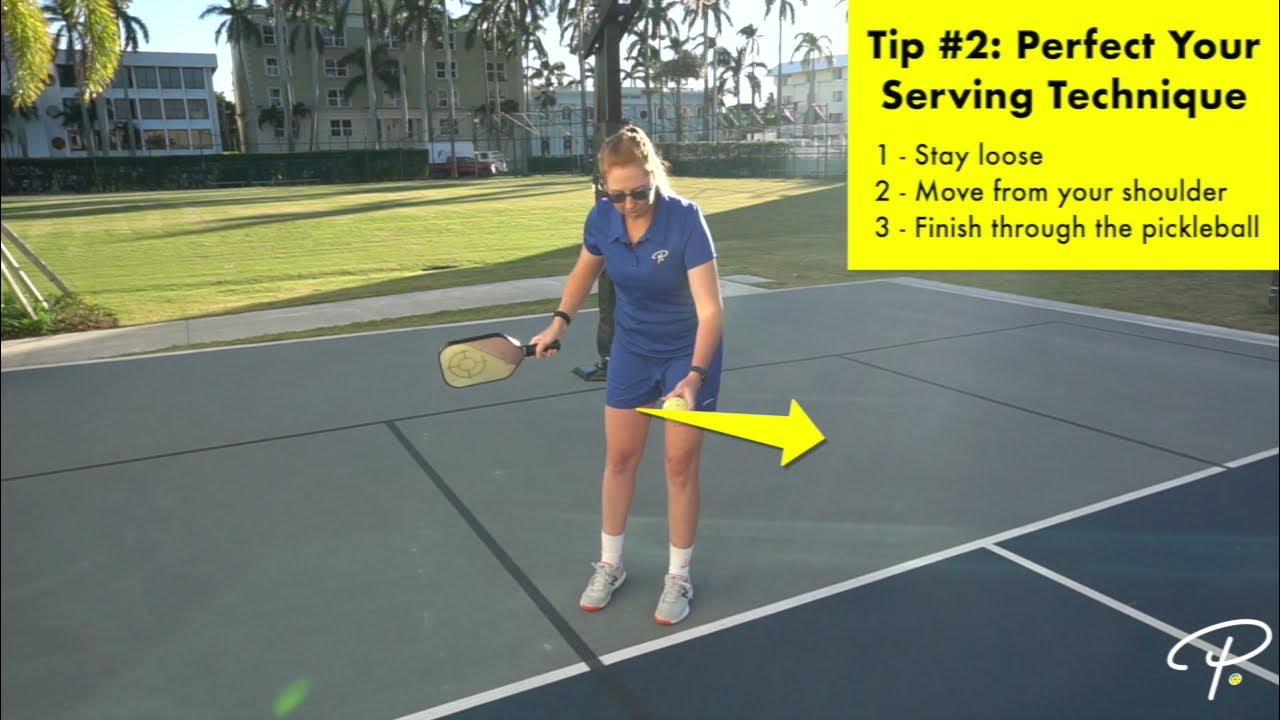
Your grip sets the tone. An Eastern or light Continental grip works well for control and a clean, upward strike. Keep your hand relaxed. A death grip kills feel and adds tension to your forearm.
Use a balanced stance. Feet about shoulder-width, front foot angled slightly to target, chest open, and knees soft. Start with 60% of your weight on the back foot. Shift forward through contact.
If you volley serve, keep the toss simple. Hold the ball at chest height, release it without drama, and meet it in front of your lead hip. If you drop serve, release from about waist to shoulder height without pushing down. This steadiness is one of the easiest pickleball serve tips to adopt today.
Types of serves that win points
Mix your serves like a pitcher mixes pitches. You don’t need a hundred tricks—just a few you trust.
- Deep power serve: Drive it deep to the backhand corner. Depth shrinks your opponent’s swing and buys you time.
- Topspin drive: Brush up the back of the ball while keeping the upward motion legal. The dip helps you clear the net with safety.
- Slice serve: Glide across the outside of the ball. It stays low and skids, forcing short returns.
- Body or jam serve: Aim at the chest or hip. Jams the returner and draws weak blocks.
- Lob serve: High and deep when opponents crowd the baseline. Use it sparingly to change tempo.
- Short angle serve: To the front corner of the box, legal and low pace. It pulls the returner wide and opens the middle next.
Note on spin at release: rules change, and some forms of pre-spinning the ball are restricted. Release the ball cleanly and focus on paddle-generated spin. When in doubt, confirm with current rules. Smart variety is one of the most effective pickleball serve tips you can use in any match.

Placement and simple strategy
Think chess, not darts. Serve with a plan that sets up your third shot.
- Deep middle: Reduces angles and forces doubt over who takes it in doubles.
- Backhand corner: Most players return weaker backhands. Attack that side until they prove you wrong.
- Body serve: Your best friend on big points. It blocks their footwork.
- Into the wind: Hit lower and flatter. With the wind, add spin and aim deeper.
- Sun and glare: Serve to the side where the toss and contact are most comfortable for you. Make your opponent fight the light.
I track patterns. Two deep to backhand, one jam, one short angle. On the next return, I plan my third. This pattern mindset is a foundation of practical pickleball serve tips.
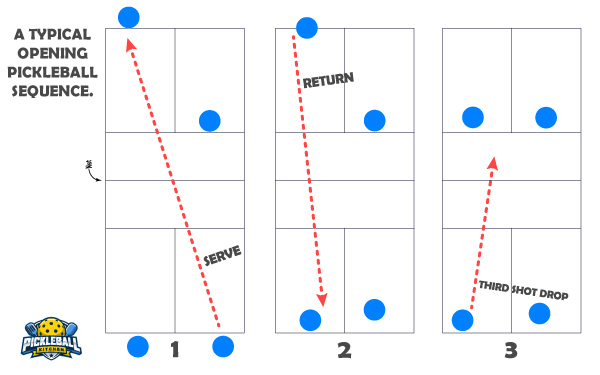
Power, consistency, and accuracy
Power is great. A repeatable motion is better. Build both with simple cues.
- Start loose: Wiggle the fingers, unlock the wrist. Tension kills speed.
- Use the kinetic chain: Load legs, rotate hips, then torso, arm, and wrist. Think ground-up power.
- Contact in front: Meet the ball slightly in front of your lead hip, not beside you.
- Aim for margin: Pick a window three feet above the net. High net clearance beats hero lines.
- Finish to target: After contact, your paddle face should point where you aimed.
I record 10 serves from the side and 10 from behind. I check contact height, net clearance, and follow-through. Video doesn’t lie, and it’s one of my favorite pickleball serve tips for fast growth.

Practice drills for faster gains
You get what you measure. Use simple, short sets you can repeat.
- Four-corner ladder: Place four cones near corners of the service box. Hit two serves to each. Score out of eight. Repeat.
- Deep-only game: Goal is to land beyond an imaginary tape three feet from the baseline. Ten serves per side. Track makes.
- Jam and chase: Alternate backhand corner and body serves. Keep the same routine and tempo.
- Drop-serve day: Do a full session with drop serves. When nerves hit, you’ll have a rock-solid Plan B.
- Pressure finishers: Miss two in a row, you owe five squats. It simulates match pressure.
- Third-shot link: Serve, then hit a planned third (drop or drive) to a target. Serving is not the end; it sets the table.
Run one or two of these every practice. Consistency beats volume. This structure anchors all serious pickleball serve tips.
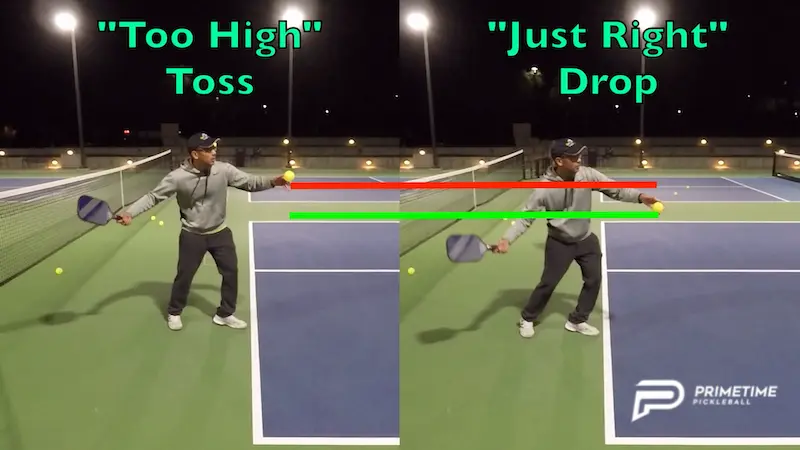
Common mistakes and quick fixes
You can fix most serve problems with small tweaks.
- Faults from high contact: Keep your hand low and remember below-waist contact on volley serves.
- Stepping on the line: Start an extra shoe-length back. Freeze your feet until after contact.
- Long serves: Add more spin, aim higher over the net but land shorter by closing the paddle face a touch.
- Low net misses: Bend your knees and swing upward. See the ball clear the tape.
- Wild toss or drop: Hold steady near your chest and release with still shoulders.
- One-speed serving: Mix depth, pace, and placement. Predictability is easy to attack.
I used to rush on big points. My fix was a three-count routine: bounce, breathe, release. That tiny habit still saves me. Small routines are underrated pickleball serve tips.

Gear and conditions that matter
You don’t need new gear every month, but small tweaks help.
- Paddle: A control-focused face with a soft core makes placement easier. Legal surface texture helps you grab the ball.
- Grip size: If your hand cramps, add an overgrip for tack and fit. It also absorbs sweat.
- Paddle weight: A touch more weight can smooth your swing and add stability on contact.
- Balls: Outdoor balls run faster and lower. Indoor balls sit up more. Adjust net clearance and spin.
- Weather: At altitude, the ball flies. Aim lower and add spin. In wind, serve safer and deeper. In heat, hydrate and slow your routine.
I carry two paddles and spare overgrips. Keeping feel consistent across conditions is one of those unglamorous but vital pickleball serve tips.
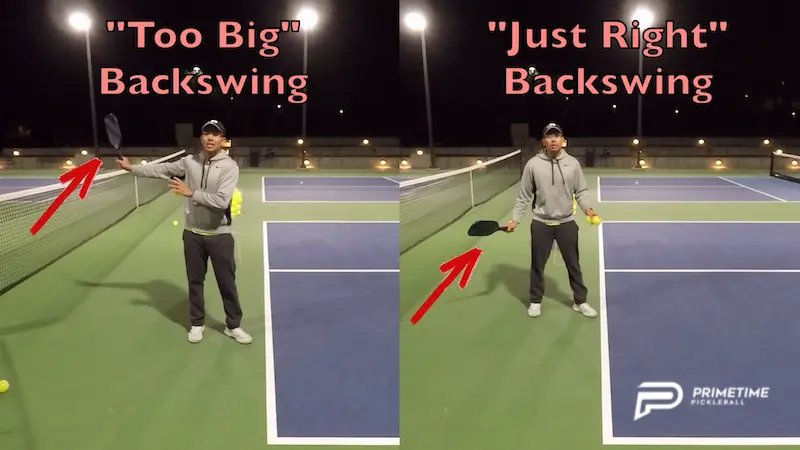
Advanced pickleball serve tips for match play
At higher levels, the serve sets up your next shot and your opponent’s doubt.
- Scout quickly: Watch warm-ups. Note backhand return depth, grip changes, and footwork habits.
- Pattern pressure: Two backhands, then one body. On game point, break the pattern.
- Tempo change: Hold the ball one extra beat, then go. Rhythm shifts bother returners.
- Singles vs doubles: In singles, be more aggressive. In doubles, prize depth and jam serves to set the third.
- Scoreboard smart: Up big? Experiment with a new target. Down late? Use your highest-percentage serve.
Between points, reset your breath and cue a simple thought: high net clearance, to the hip, smooth finish. That calm focus is the quiet engine behind the best pickleball serve tips.
Frequently Asked Questions of pickleball serve tips
What is the most important rule for a legal pickleball serve?
Make contact below your waist with an upward swing and keep both feet behind the baseline at contact. The serve must land in the diagonal service court and not touch the non-volley zone line.
Should I learn the drop serve or stick with the volley serve?
Learn both. The drop serve is steady under pressure and relaxes some restrictions, while the volley serve gives you more timing options when you’re confident.
How deep should my serve be?
Aim for the last third of the service box. Deep serves push returners back, shorten their swing, and make their drop harder.
Is heavy spin legal on serves?
Spin off the paddle is fine. Rules about spinning the ball at release can change, so release the ball cleanly and confirm the current rulebook.
How do I get more power without losing control?
Use your legs and hips, not just your arm. Keep a loose grip, contact in front, and finish toward the target with a higher net window.
What is the best target for doubles?
Deep to the backhand corner or deep middle. Those targets cut angles and make third shots easier.
Why do I miss more serves in matches than in practice?
Nerves tighten your grip and rush your routine. Use a simple breath-and-bounce ritual and pick a big net window to regain feel.
Conclusion
Your serve is the only shot you control from start to finish. Learn the rules, build a smooth motion, and use smart placement. Then measure progress with simple drills and stay steady under pressure.
Pick two pickleball serve tips from this guide and practice them for a week. Track your makes, record a short video, and refine one detail at a time. Ready for more? Subscribe for new skill guides, ask questions in the comments, or share the serve drill that helped you most.