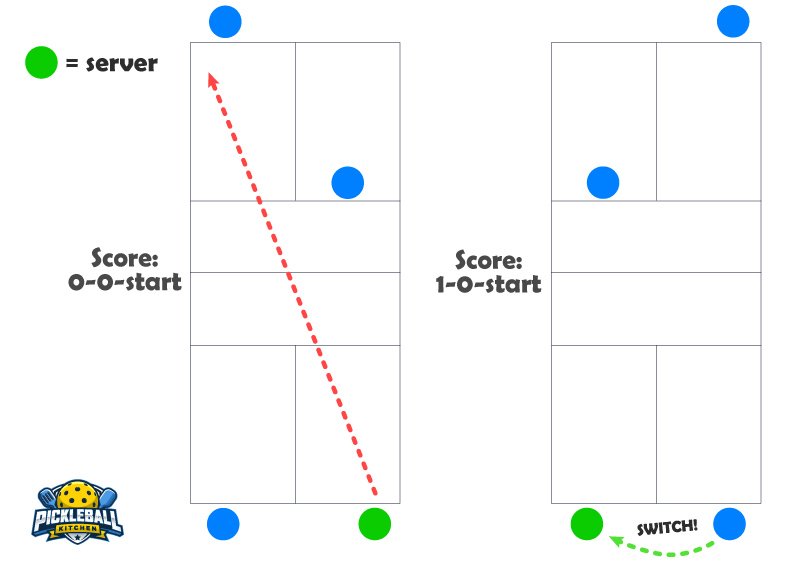
Pickleball scoring uses side-out points to 11, win by two, with rotations.
If you want to play smarter, start with the score. I’ve taught many new players, and the fastest way to cut errors is to master pickleball scoring. This guide breaks down doubles and singles, shows clear examples, and shares practical tips I use on court. By the end, you will call the score with confidence and play with intent.
Pickleball scoring basics
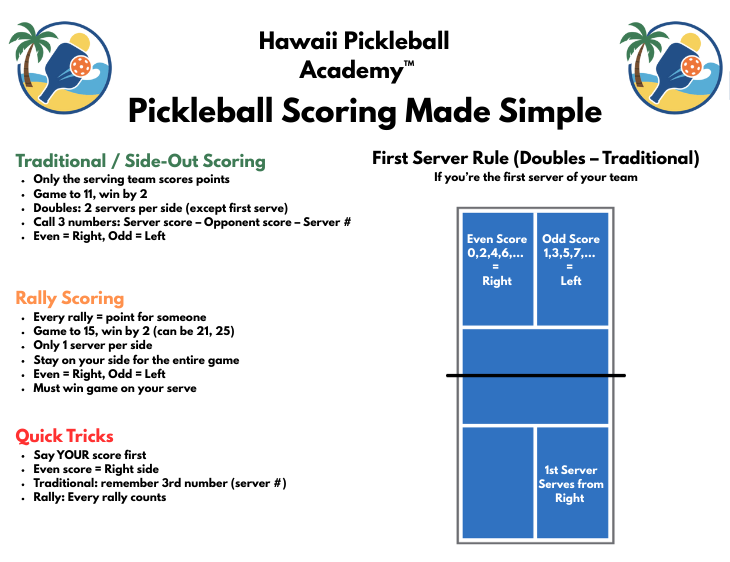
Pickleball scoring in standard play uses side-out scoring. Only the serving team can earn points. Most games go to 11, and you must win by 2.
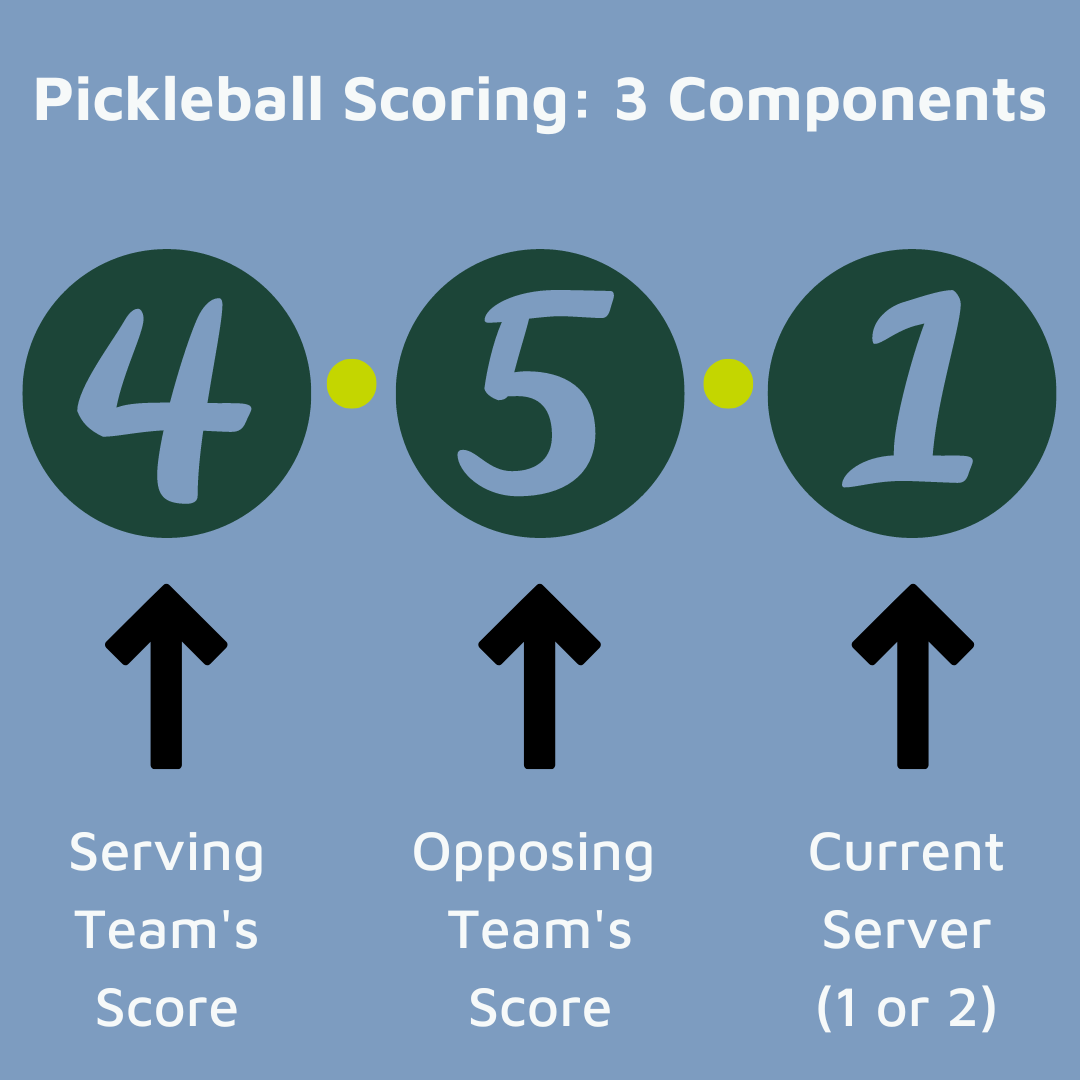
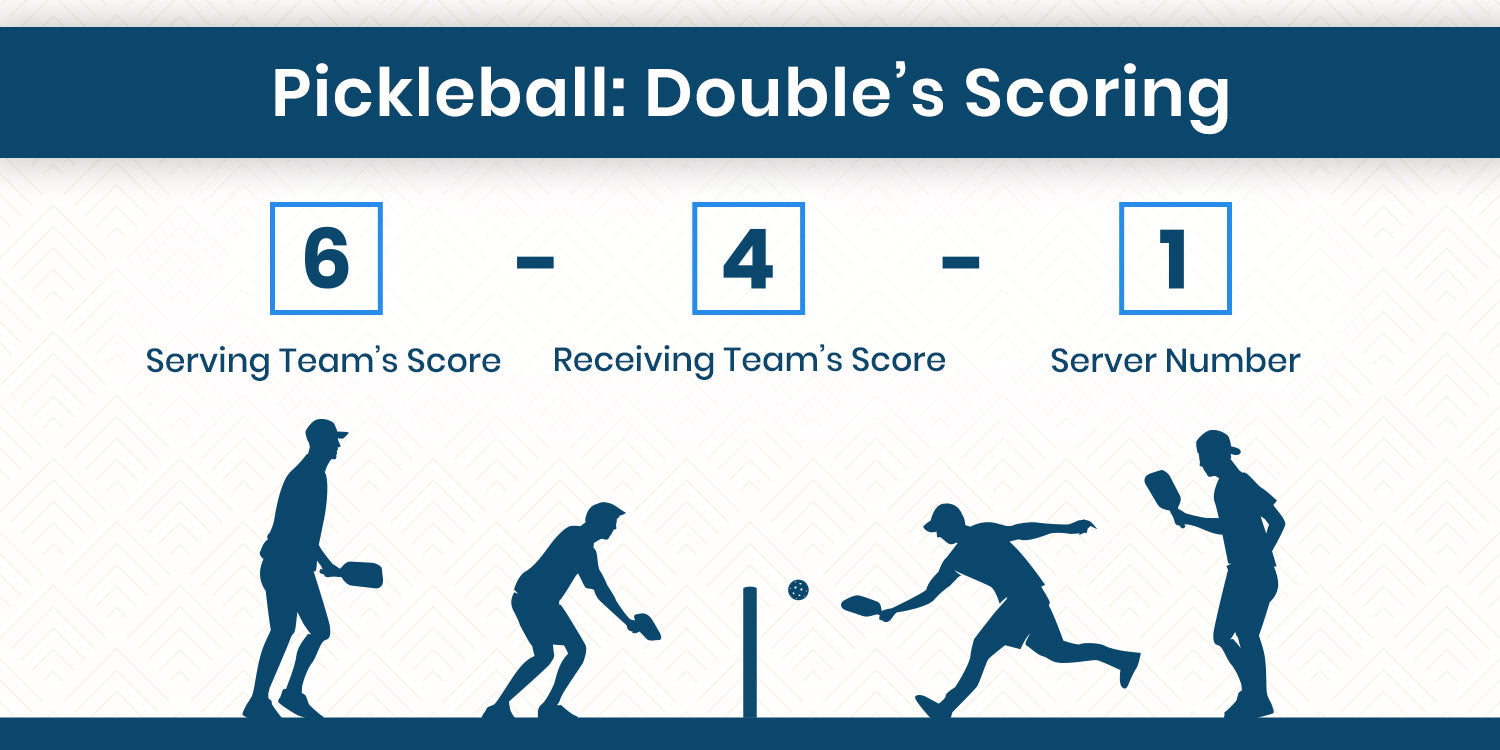
In doubles, the score has three parts. It is server team score, receiver team score, then server number. The server number is 1 or 2. The first call to start a game is 0-0-2. That gives the first team only one server before a side out.
In singles, the score has two parts. It is server score, then receiver score. The server stands on the right when their score is even. They stand on the left when their score is odd.
If you are new, say the score before you serve. Say it loud and clear. Pickleball scoring rewards clear habits.

How to call the score the right way
In doubles, call it as three numbers: your score, their score, server number. For example, 3-2-1 means your team has 3, rivals have 2, and server 1 is serving. Call before you start your motion.
Use simple checks:
- Ask, who served first this turn. That player is server 1.
- If your team just won a point, you switch sides and keep serving.
- If your team lost a rally while serving, the other server goes next, or it is a side out.
Examples you can try:
- Start of game: 0-0-2.
- Your team wins a rally while serving: 1-0-1. Switch sides and serve again.
- Your teammate now serves after you fault: 1-0-2.
- You both fault: side out. Opponents now call 0-1-1.
Pickleball scoring gets easy when you repeat this pattern.

Serving order, positions, and even or odd logic
At the start of each game, the first serve comes from the right court. In doubles, players on the serving team switch sides every time they win a point. The receiving team never switches sides during a rally.
Track even and odd:
- Even team score. Server stands on the right.
- Odd team score. Server stands on the left.
Personal tip I use: I tap my right hip at even scores and my left hip at odd scores. It sounds silly, but it works under pressure. I also wear a wristband on my partner who starts as server 1. That small cue saves many points in pickleball scoring.
Point-by-point examples you can follow
Doubles example:
- Start: 0-0-2. Player A serves from the right. They win the rally. Call 1-0-2. A and B switch sides.
- A serves again from the left. They lose the rally. Now it is a side out, because it was the start of the game.
- Opponents call 0-1-1. They serve from the right. They win. Now 1-1-1. They switch.
- Server 1 serves from the left. They lose. Now server 2 serves at 1-1-2.
Singles example:
- Server has 4. Receiver has 2. Call 4-2. Server stands on the right, since 4 is even.
- Server wins. Call 5-2. Now stand on the left, since 5 is odd.
Walk through these at home. Say them out loud. You will lock in pickleball scoring fast.

Faults and how they change the score
Faults end the rally. In pickleball scoring, a serving team fault can cause a server change or a side out. A receiving team fault gives the serving team a point.
Common faults:
- Ball out of bounds or into the net.
- Volley before the two-bounce rule is met.
- Non-volley zone violation, also called a kitchen fault.
- Serving foot fault or wrong serve target.
- Wrong server or wrong receiver hits the ball.
If you hear a wrong score call, you may stop play before the return of serve to correct it. Then replay the point. That keeps pickleball scoring fair and clear.
Game lengths, win by two, and switching ends
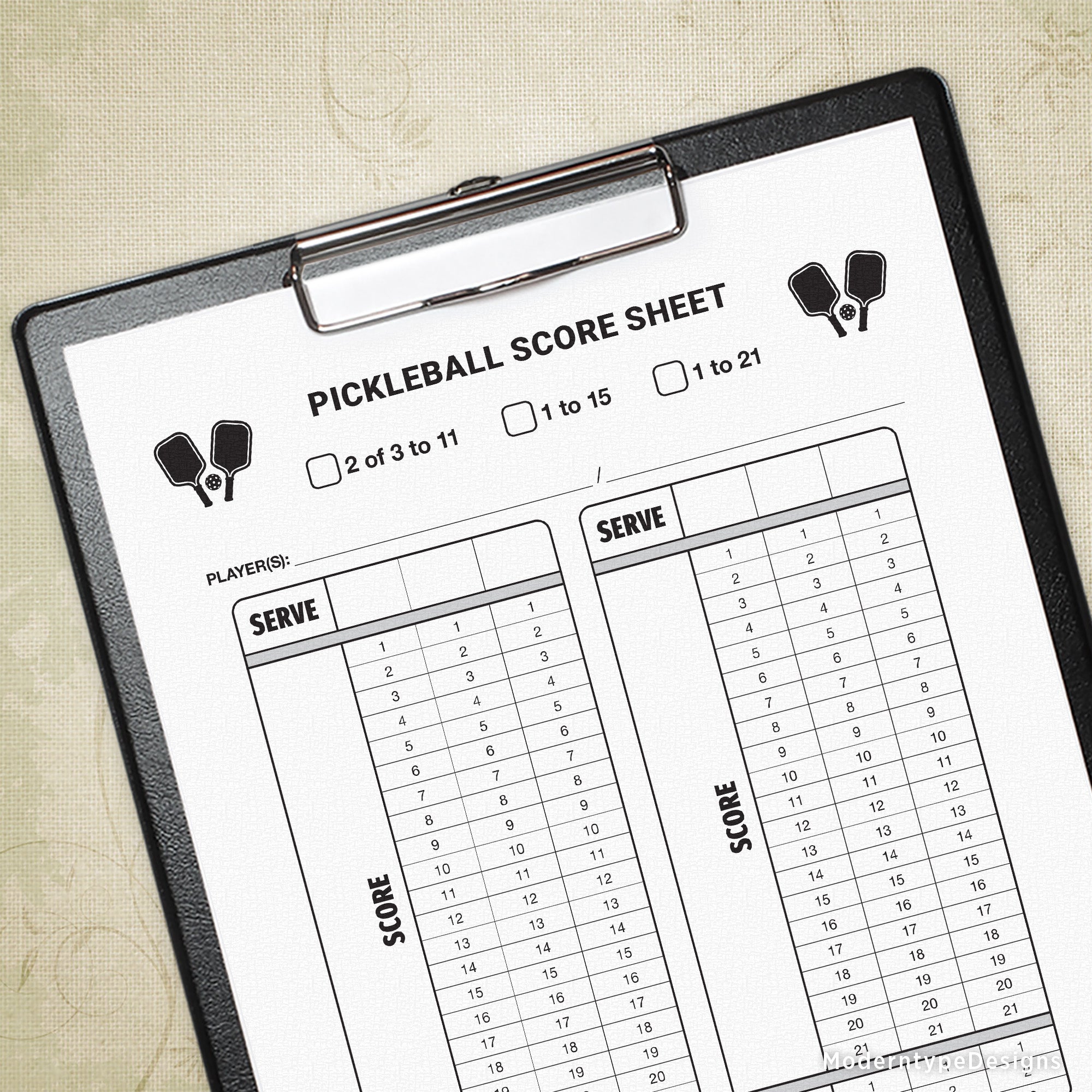
Casual games usually go to 11, win by 2. Many rec groups play one game to 11 or best two of three. Tournaments often use best two of three to 11. A deciding game may use a switch at 6.
Common formats:
- Game to 11, win by 2. In a third game, switch ends at 6.
- Game to 15, win by 2. Switch ends at 8.
- Game to 21, win by 2. Switch ends at 11.
These switch points keep play fair if wind or sun is a factor. Always check the event sheet. Rules can change. Still, the core of pickleball scoring stays the same.

Rally scoring formats you might see
Some leagues and pro team events use rally scoring. In rally scoring, every rally earns one point. Serving still rotates, but the score climbs faster.
A common setup is to 21, win by 2. At high scores, some formats add a freeze. With a freeze, a team must be serving to score at or after the freeze point. That prevents lucky breaks on return.
If you swap between side-out and rally formats, say the format before the game. Clear talk avoids mix-ups in pickleball scoring.
Strategy tips to master pickleball scoring
Use the score to plan:
- On even points in doubles, aim to keep your stronger forehand in the middle.
- On odd points, be ready for backhands in the middle.
- Serve deep and safe. Free points help more than flashy shots.
Communication hacks:
- Call the score early and loud.
- Use simple cues like “me first” for server 1.
- Confirm who is on the right before each serve.
Mindset tips I teach:
- Treat the score as your compass. It tells you court side, server, and risk level.
- At 9-9, play high margin. At 10-8 up, target feet and keep the ball in.
- If you forget the server, pause and ask. Better to reset than give away a point.
These habits make pickleball scoring feel automatic.

Common scoring mistakes and how to avoid them
Wrong receiver hits the return. Fix it by pointing to the right receiver before the serve.
Wrong server starts the point. Ask, who began this turn as server 1. Then reset.
Switching sides on defense. The receiving team does not switch during a rally. Only the serving team switches after they win a point.
Calling two numbers in doubles. Always use three numbers. Your score, their score, server 1 or 2.
Forgetting win by 2. At 10-10, breathe. Say the score. Then build the point. Good pickleball scoring is a calm habit.
Frequently Asked Questions of pickleball scoring
How does doubles pickleball scoring work?
Only the serving team can score. Call three numbers: your score, their score, and server number. The first serve of the game starts at 0-0-2.
How does singles pickleball scoring differ?
Singles uses two numbers: server score, then receiver score. Serve from the right on even scores and the left on odd scores.
What is a side out in pickleball scoring?
A side out means the serving team loses the serve to the other team. In doubles, both servers must lose a rally in that turn for a side out.
When do players switch sides of the court?
The serving team switches sides only when they win a point. The receiving team holds positions until they win the right to serve.
Do you always need to win by two?
Yes, in standard formats you win by two. Games are often to 11, 15, or 21, and all require a two-point margin.
What if someone calls the wrong score?
Any player can stop play before the return of serve to correct it. Then replay the point with the correct score.
Is rally scoring official in pickleball?
Standard play uses side-out scoring. Rally scoring appears in some leagues and events, so confirm the format before you start.
Conclusion
You now know how pickleball scoring works in doubles and singles. You can call three numbers with ease, track even and odd courts, and avoid common traps. Use the score as your guide, and your choices will get smarter.
Put this into action in your next game. Practice a few score calls at home, then test them on court. If this helped, share it with a partner, subscribe for more tips, or drop a question so we can dig deeper together.