Wear pickleball safety glasses to shield your eyes from fast, high-impact shots.
I’ve coached and played for years, and I’ve seen close calls. Pickleball safety glasses are simple gear that prevent serious eye injuries. In this guide, I’ll help you choose, fit, and care for the right pair. You’ll get research-backed tips, real court insights, and clear advice you can trust.

What are pickleball safety glasses?
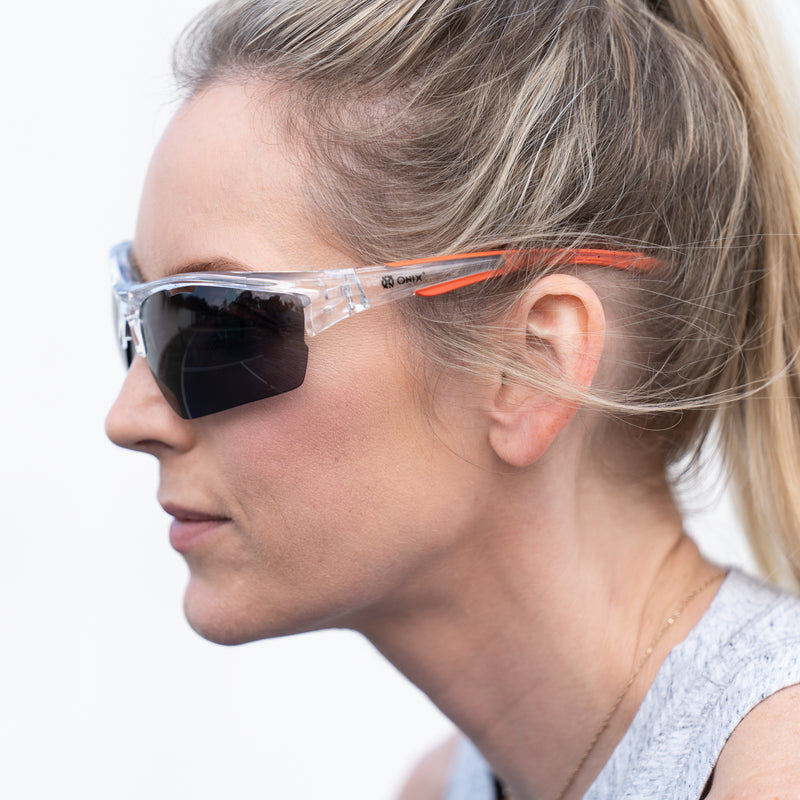
Pickleball safety glasses protect your eyes from balls, paddles, and debris. They are not basic sunglasses. They use impact-rated lenses and frames. They also wrap around the face for better coverage.
Look for standards on the frame. ANSI Z87.1 shows high impact resistance in the US. ASTM F803 is a common mark for racquet sports. Both are good signs. CE EN166 is the European mark.
Most lenses use polycarbonate or Trivex. These materials are light and tough. They also block 99 to 100 percent of UV rays. That helps outside on bright courts.
Pickleball safety glasses often have vents. This helps cut fog. Some include a strap. This keeps the frame in place during quick moves.
Why they matter: risk and data
Pickleballs may look soft. But they move fast. Drives can hit 40 to 60 mph at the kitchen. A mishit can send the ball at your face. A paddle edge can do the same.
Eye injuries happen in racket and paddle sports. Common issues include corneal abrasions and orbital fractures. A direct hit can harm vision. Impact-rated lenses help prevent that.
I’ve seen two players take a ball to the eye. Both wore pickleball safety glasses. They walked off fine. One lens had a deep mark. The eye did not.
Many clubs now suggest eye protection. Some tournaments do as well. It is a low-cost step that protects your sight.
Key features to look for
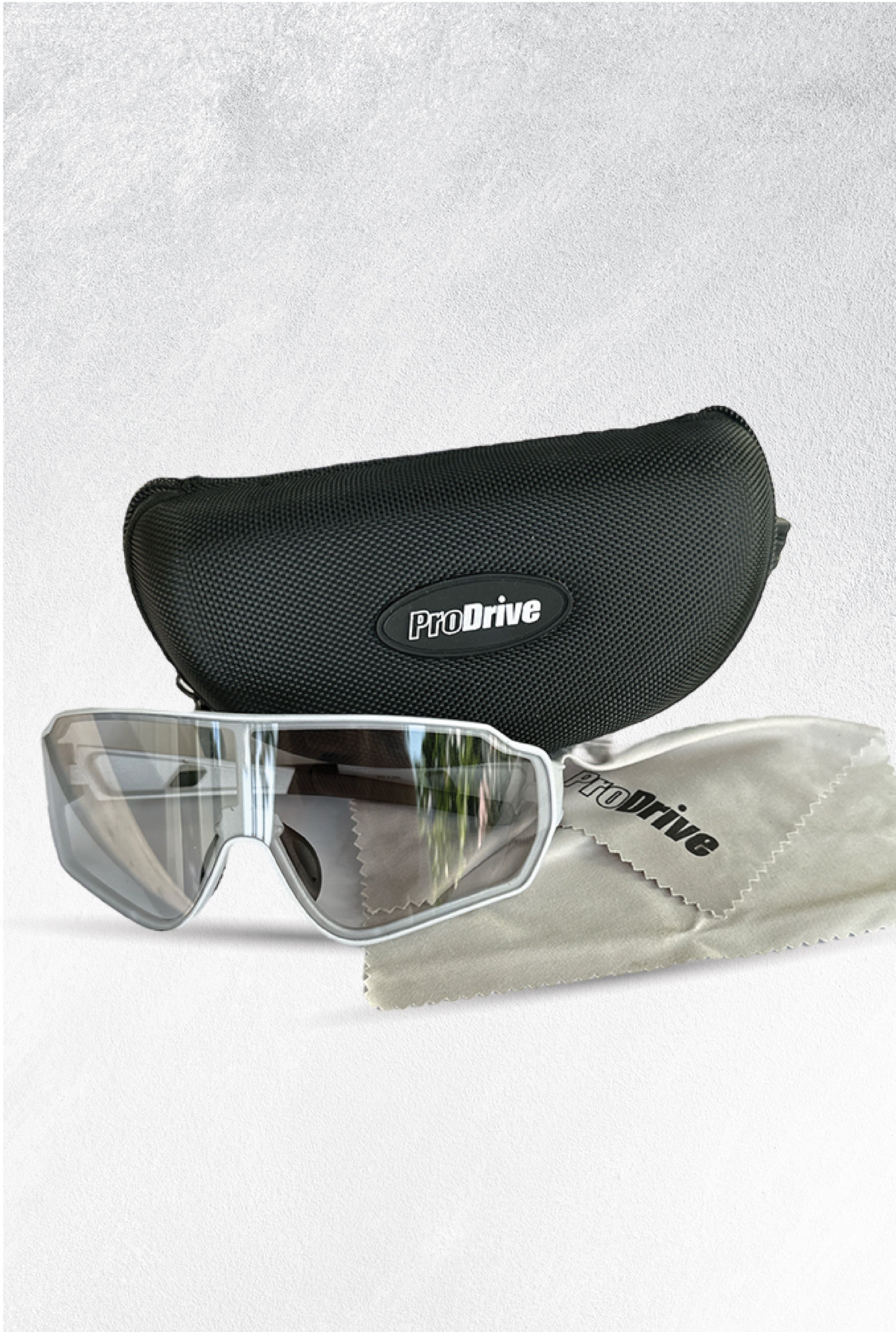
- Impact rating. Look for ANSI Z87.1 or ASTM F803 on the frame.
- Lens material. Pick polycarbonate or Trivex for strength and light weight.
- Coverage. Choose a wrap design with side protection.
- Fit. Adjustable nose pads and temples improve comfort and hold.
- Venting. Top or side vents reduce fog in heat and humidity.
- Anti-fog. A factory coating or wipe can make a big difference.
- UV protection. Seek UV400 for outdoor play.
- Scratch resistance. A hard coat helps lenses last longer.
- Optical clarity. Look for distortion-free edges for better depth.
- Interchangeable lenses. Useful for changing light conditions.
- Retention strap. Good for intense play or smaller faces.
These features make strong, comfortable pickleball safety glasses you will wear often.
Lens tints and when to use them
- Clear. Best for indoor courts and night play.
- Amber or yellow. Boost contrast in low light or cloudy days.
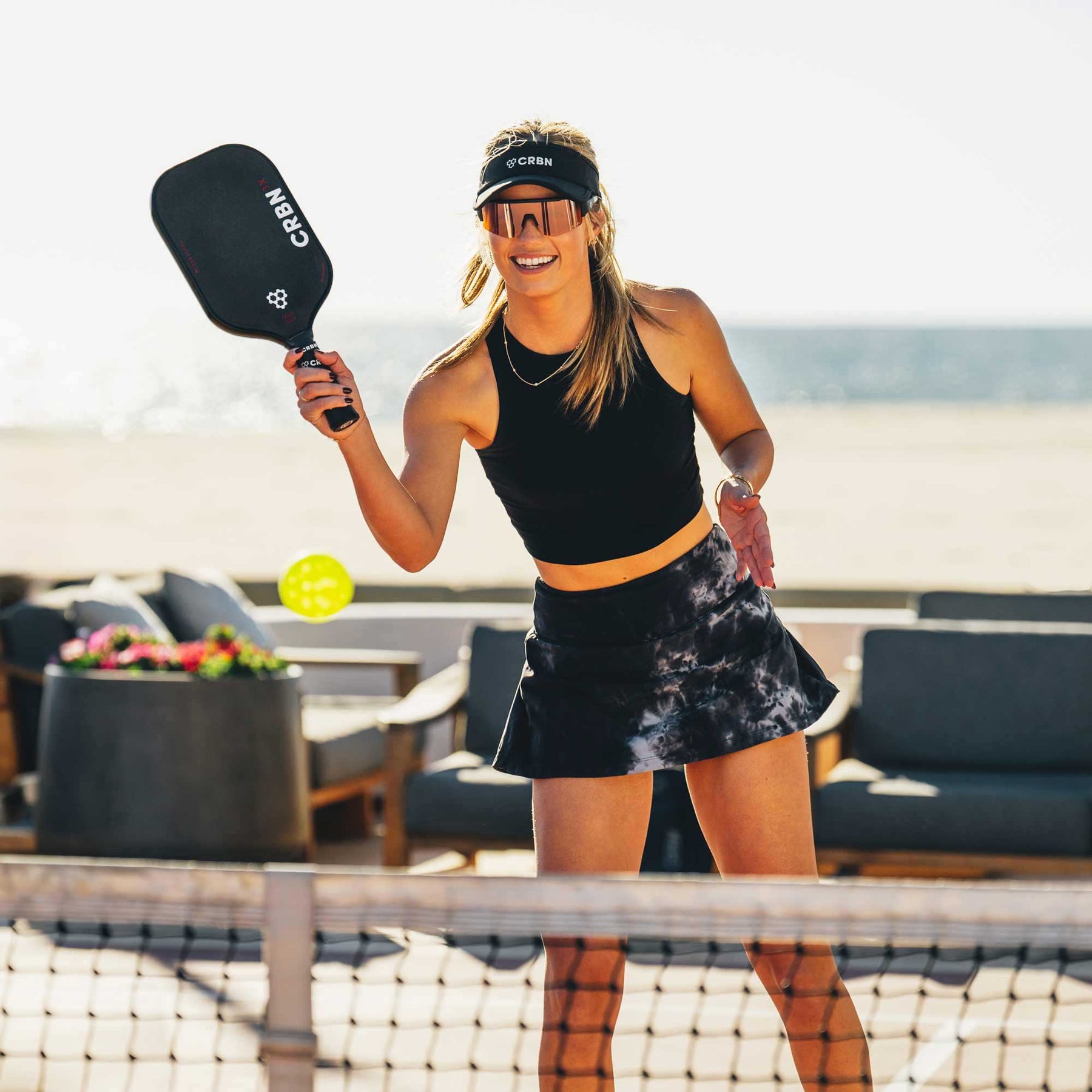
- Rose or copper. Improve ball pop against green or blue courts.
- Gray. Cut brightness on sunny days without color shift.
- Polarized. Helpful for glare from water or glass, but not needed indoors.
- Photochromic. Change tint with light. Nice if you go in and out.
If you play under LEDs, you do not need blue light lenses. Focus on clarity and contrast. Choose the tint that helps you track the ball fast.

Fit and comfort: how to get it right
Good fit keeps your pickleball safety glasses on your face. It also keeps you focused on the game. The frame should touch lightly at the nose and temples. It should not pinch.
Look for adjustable nose pads. They help center the lens and reduce slip. Flexible temples sit stable under a cap or visor. A soft strap helps during fast rallies.
If you have a smaller face, try youth or narrow frames. For wide faces, look for larger wraps. The lens should cover the brow and sides. No big gaps.

Prescription options for pickleball safety glasses
You have three paths if you need vision correction.
- RX insert. A small prescription insert clicks behind the shield. It is versatile and easy to swap.
- Direct RX. The lenses are made with your prescription. It offers great clarity and fewer layers.
- Over-glasses. OTG frames fit over your regular glasses. It is simple and low cost.
Single vision is often best for sport. Distance vision helps track the ball. If you use progressives, ask for a sport zone. Make sure your PD is measured right.

Anti-fog, sweat, and maintenance
Fog is a big issue on humid days. Anti-fog coatings help. So do vents and a headband that wicks sweat. Keep a small anti-fog wipe in your bag.
Clean lenses the right way.
- Rinse with cool water to remove grit.
- Use lens cleaner or mild dish soap.
- Pat dry with a clean microfiber cloth.
- Store in a hard case to prevent scratches.
Do not use paper towels. They scratch. Replace lenses when they get cloudy or worn. Clear vision is safety.

Standards and certifications explained
Know the marks you are looking for. ANSI Z87.1 means the eyewear passed impact tests. This includes high velocity and high mass hits. Frames and lenses must stay intact.
ASTM F803 covers racquet and paddle sports. It focuses on high speed impacts from balls and equipment. It is a strong choice for pickleball safety glasses.
You may also see CE EN166 in Europe. Look for markings on the temples or lens. If there is no mark, it is not safety eyewear.

Best pickleball safety glasses: options by scenario
- Indoor rec play. Clear, wrap-around, ANSI Z87.1 lenses with vents and strap.
- Outdoor sun. Gray or bronze tint, UV400, anti-fog, wrap design.
- Humid climate. Vented frame, strong anti-fog coating, hydrophilic nose pads.
- Prescription users. RX insert system with impact-rated shield.
- Over-glasses. OTG frame with deep cavity and foam brow.
When I coach, I use a clear wrap with vents and a strap. It stays put through long drills. For summer leagues, I swap to a bronze tint. It boosts contrast against green fences.
Pickleball safety glasses should match your play and light. Pick for your real court, not a catalog photo.
Budget vs premium: what you gain
Budget frames protect well if they are certified. You get the core safety. You may give up anti-fog life, lens clarity, and fit choices.
Premium frames add better optics and comfort. Coatings last longer. Adjustability improves hold and feel. For daily players, that is worth it.
If you play twice a week or more, consider mid to high tiers. Your eyes and focus will thank you.
How to choose: quick checklist
- Confirm safety marks. ANSI Z87.1 or ASTM F803.
- Match lens to light. Clear, amber, rose, gray, or photochromic.
- Check fit. No pinch, good seal, no big gaps.
- Test fog control. Look for vents and a quality coating.
- Decide on RX path. Insert, direct RX, or OTG.
- Add a strap. It helps during fast hands battles.
- Try before you buy. Move, sweat, and swing to test stability.
Pickleball safety glasses should feel invisible when you play. If you notice them, change the fit or model.
Mistakes to avoid
- Buying non-rated sunglasses for court use.
- Skipping anti-fog in humid areas.
- Choosing style over coverage and fit.
- Wearing scratched lenses that blur vision.
- Ignoring the side gaps near the temples.
- Not replacing eyewear after a big impact.
Small choices add up. The right pickleball safety glasses prevent big problems.
Care, replacement, and lifespan
Most players get one to two seasons per pair. Heavy play or sand can shorten that. Check for cracks after any hard hit. Replace if you see stress marks.
Keep a backup in your bag. A spare pair saves a match. Store eyewear in a case in your car. Heat can harm coatings if left on the dash.
When possible, replace lenses instead of the whole frame. It saves money and reduces waste.
On-court habits for safer play
- Call shots early. Reduce last-second flinches near the face.
- Keep the paddle up while at the kitchen.
- Communicate with your partner on lobs and middles.
- Use controlled warm-ups to get eye tracking dialed in.
- Respect body shots during drills.
Good habits plus pickleball safety glasses give you strong protection. You will also play better when you feel safe.
Frequently Asked Questions of pickleball safety glasses
Do I need pickleball safety glasses if I already wear sunglasses?
Most sunglasses are not impact-rated. They can shatter on impact. Pickleball safety glasses are designed to handle high-speed hits.
What certifications should I look for on the frame?
Look for ANSI Z87.1 or ASTM F803 markings. These standards show real impact protection for sport.
Will anti-fog coatings wear off?
Yes, coatings can wear over time. Clean gently and avoid harsh chemicals to extend life.
Can I wear pickleball safety glasses over my regular glasses?
Yes, choose OTG designs. Make sure they offer impact ratings and have enough room for your frame.
Are polarized lenses good for pickleball?
Polarized lenses cut glare outdoors. They are not needed indoors and can reduce contrast in some lights.
How tight should my glasses fit?
They should feel snug but not painful. Use adjustable pads and a strap for a stable, comfortable fit.
How often should I replace my pickleball safety glasses?
Replace after any major impact or when lenses get scratched. Most players replace every one to two seasons.
Conclusion
Your eyes are priceless, and protection is easy. Pickleball safety glasses give clear vision, strong impact defense, and peace of mind. Match the lens to your court, get a solid fit, and keep them clean.
Make the move today. Try a certified pair at your next session, and feel the difference. Want more gear tips and honest court insights? Subscribe, share this guide, or drop your questions in the comments.