Pickleball safety glasses protect your eyes from fast balls, paddles, and glare.
You love the quick rallies. I get it. But a stray ball can end your day fast. In this guide, I share expert tips and hands-on lessons on pickleball safety glasses. You will learn what works, what to avoid, and how to pick the right pair with confidence.

Why eye protection matters in pickleball
A pickleball can hit 30 to 40 mph in rec play, and even faster in tournaments. Paddles and elbows also swing close in the kitchen. All it takes is one deflection off a paddle edge for a direct hit to the eye.
Eye doctors say most sports eye injuries are preventable with proper eyewear. Racket and paddle sports are a known risk. Corneal scratches, bruising, and fractures can happen. I have seen players miss weeks for something a $30 to $80 pair could have stopped.
Good pickleball safety glasses also boost vision. They cut glare, sharpen lines, and help you track the ball. That can mean one more made dink and fewer mishits.
What to look for in pickleball safety glasses
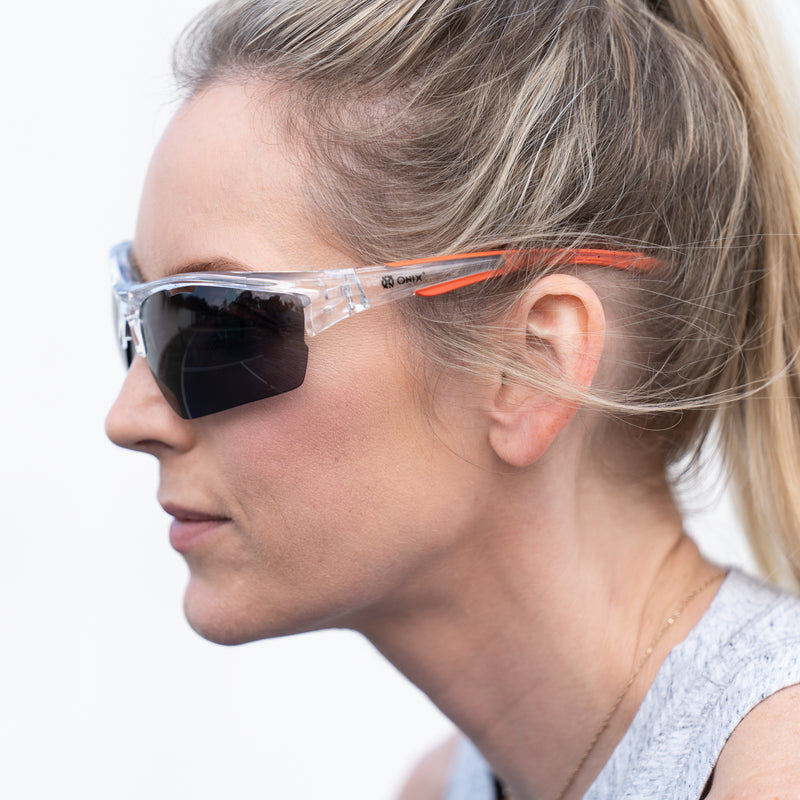
Pickleball safety glasses should offer real impact protection and clear vision. Use this feature list when you shop.
- Impact rating. Look for ANSI Z87.1. Z87+ means high impact. ASTM F803 is even better for court sports.
- Lens material. Polycarbonate or Trivex for strong impact resistance and light weight.
- Coverage. Wraparound shape or side shields to guard the corners of your eyes.
- Fit and grip. Soft nose pads and grippy temples so they stay put when you sweat.
- Venting and anti-fog. Frame vents plus a true anti-fog coating.
- UV protection. UV400 blocks 99 to 100 percent of UVA and UVB.
- Optical clarity. Low distortion so the ball does not “jump.”
- Scratch resistance. Hard coat to handle dust and wipes.
- Adjustability. Temple length or angle helps if you wear hats or visors.
- Strap ready. A removable strap keeps them stable during quick pivots.
- Markings. Safety marks on the temple or lens edge, not just on a box.
- Prescription options. Direct Rx lenses or an insert if you need correction.
- Over-glasses. OTG designs that fit over small everyday frames.
- Weight. Under about 30 grams feels great for long sessions.
Lens materials, tints, and coatings
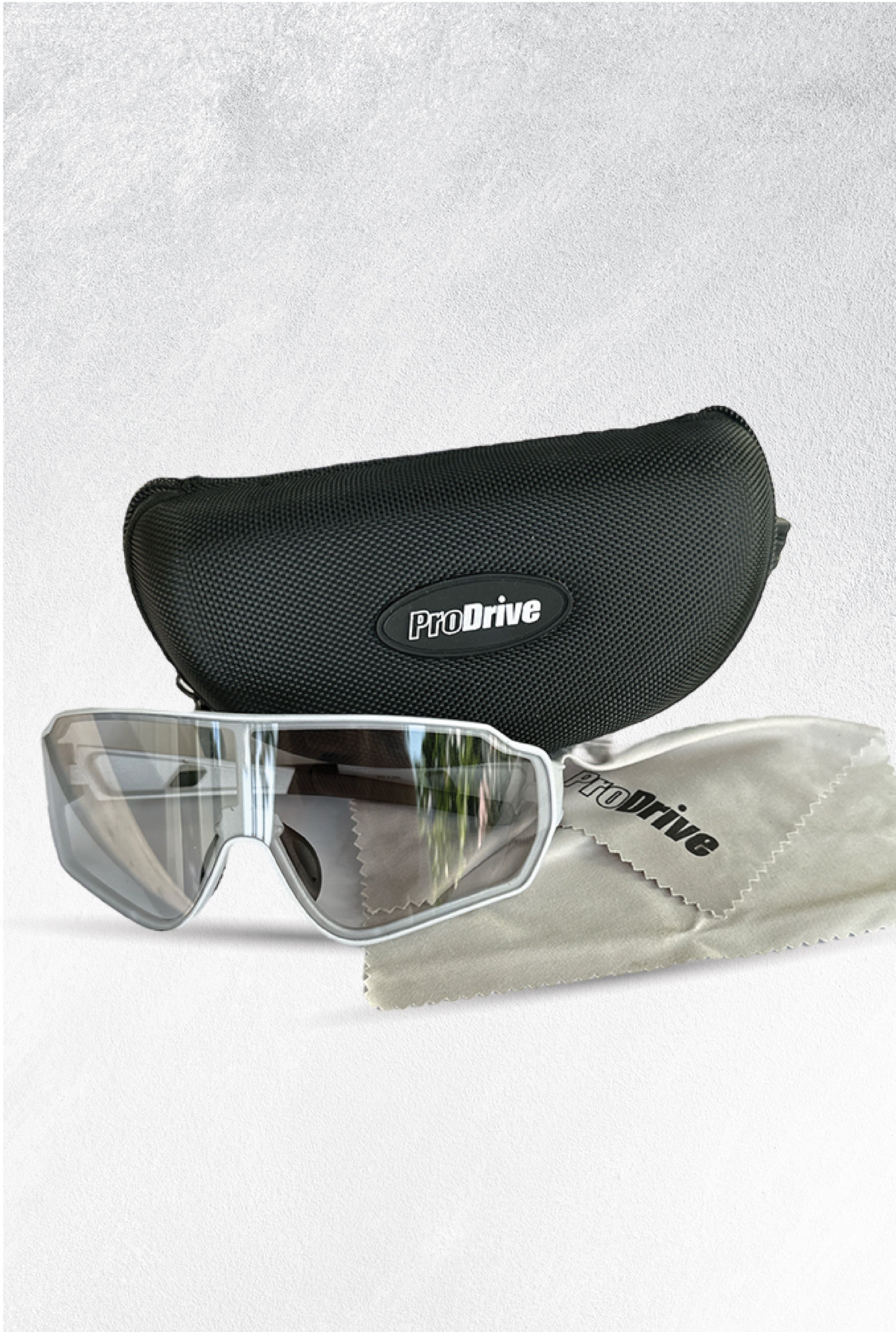
Lens choice changes how you see the ball. It also changes how safe you are.
- Polycarbonate. The standard. Strong, light, and cost effective.
- Trivex. Similar strength, often a bit clearer, and light.
- Clear lenses. Best for indoor courts and night play.
- Amber or yellow. Boost contrast in low light or hazy gyms.
- Rose or copper. Helps see the ball against blue skies and green courts.
- Gray or smoke. Cuts bright sun without shifting colors.
- Photochromic. Darkens in sun, clears indoors. Great if you move between courts.
- Polarized. Good for glare, but may mute court line pop. Try before you buy.
Coatings matter. A real anti-fog layer helps in humid gyms. Hydrophilic coatings work well but can wear down. Rinse, do not rub, to extend life. A hard coat slows scratches. A mirror coat can cut glare in full sun.
My outdoor go-to is gray with a light mirror for noon games. Indoors, I use clear or light amber. With both, I pick anti-fog first. Fog kills rallies.
Fit, comfort, and fog control on court
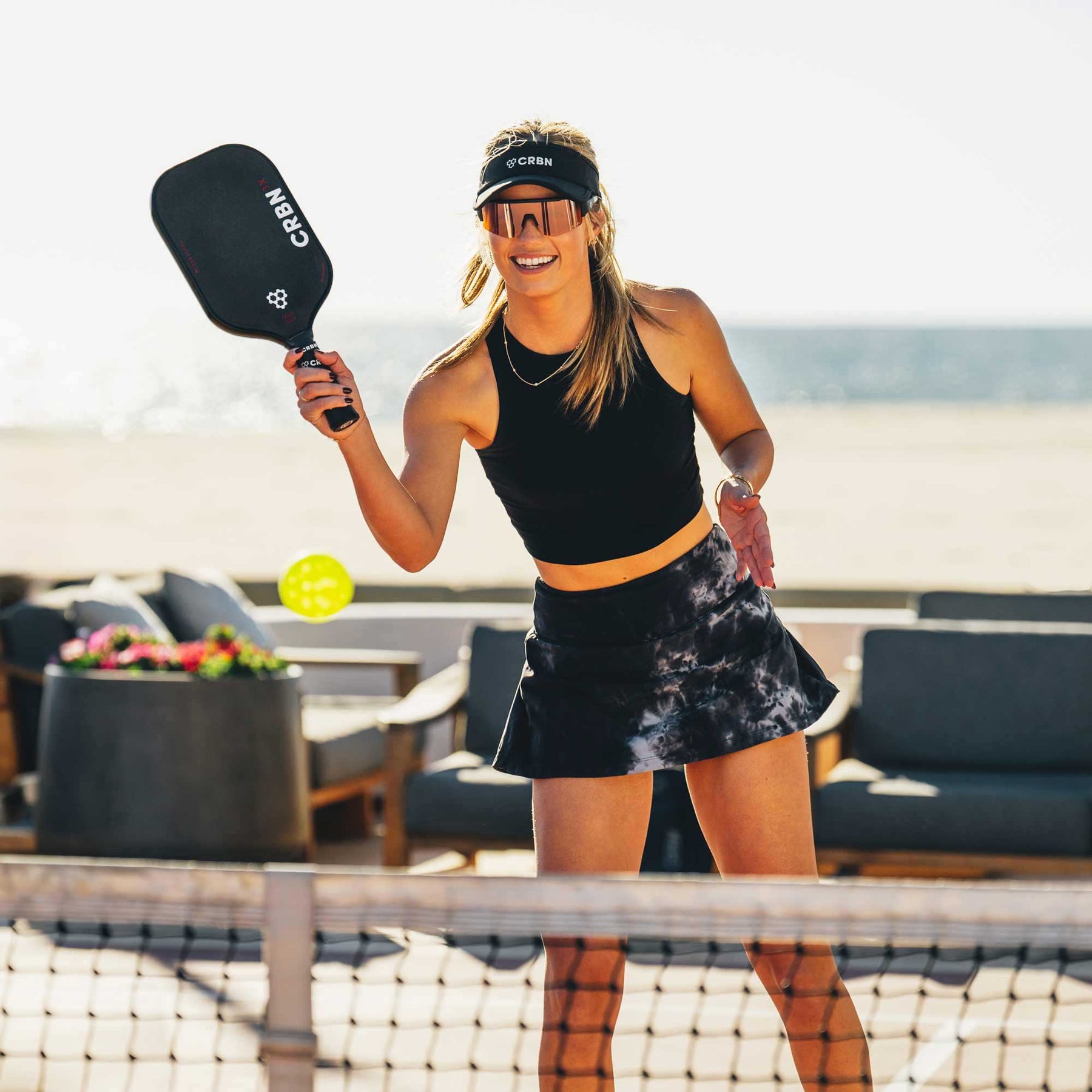
A safe lens is useless if it slips or fogs. Fit should be snug but not tight.
- The frame should touch at the nose and temples. No pressure points.
- The top edge should sit near your brow. The bottom should cover toward your cheeks.
- There should be only a small gap at the sides. You need airflow but not a big opening.
- Do a shake test. Look down. Shake your head. They should not move.
Fog control is a system. Use vented frames, a strap that is not too tight, and a sweat band. Rinse before play. Let them air dry. If fog still forms, use a drop of anti-fog spray, then rinse and pat dry.
A quick tip from my clinics: keep a spare dry headband in your bag. Swap mid-match and your glasses stay clear.

Prescription and over-glasses solutions
If you need correction, you have solid options for pickleball safety glasses.
- Direct Rx lenses. The lens itself has your prescription. Best clarity. Make sure the lab knows wrap compensation.
- Rx inserts. A small clip holds your Rx behind a safety lens. Easy to swap tints. Lower cost to update.
- Over-glasses frames. OTG models fit over small everyday glasses. Check that your spectacle frames are not too wide.
For progressive wearers, ask for a lens design that favors mid and distance zones. You play with your eyes up and out. Provide your PD and frame wrap to the optician. If you get headaches or distortion, go back for an adjustment. You should not “learn to live with it.”

Standards and proof of protection
Real protection is tested. Marketing words are not enough.
- ANSI Z87.1. Base standard for impact. Z87+ means high impact.
- ASTM F803. Sports standard for ball-and-racket impacts. Strong choice for pickleball safety glasses.
- EN166. European standard. Look for “F” or higher for impact.
- UV400. Full UV block. Listed on the lens card or etched mark.
Check the marks on the temple or lens edge. If nothing is etched, be careful. Some cheap copies print fake logos on the box only. Buy from trusted retailers. If the price seems unreal, it often is.
Care, cleaning, and replacement
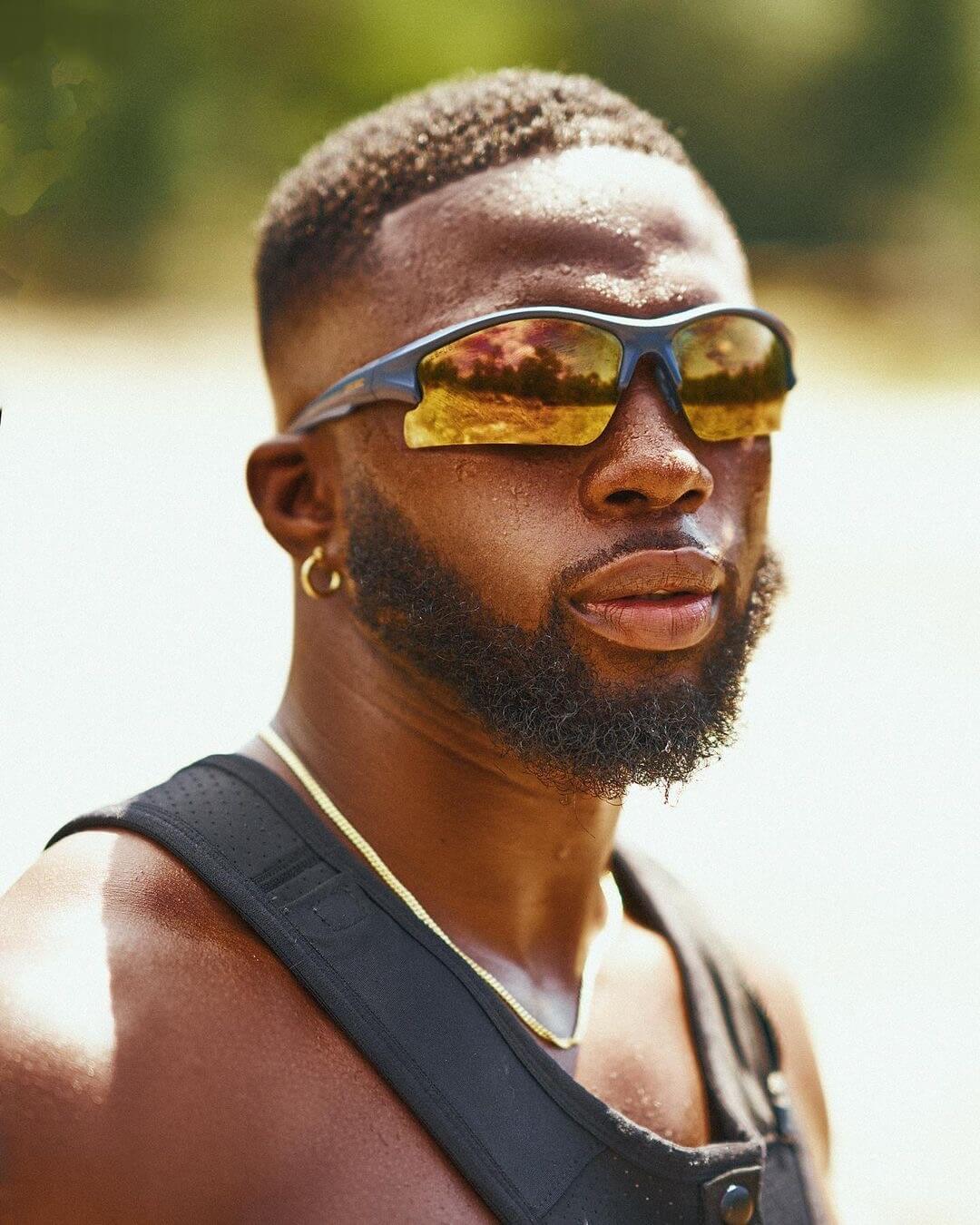
Care keeps your pickleball safety glasses clear and safe.
- Rinse with lukewarm water after each session. This lifts grit.
- Use a drop of mild soap. Finger wash. Rinse well.
- Pat dry with a clean microfiber cloth. Do not rub hard.
- Store in a hard case. Keep out of hot cars and direct sun on dashboards.
- Replace after a big hit. Micro cracks are hard to see but weaken the lens.
- Plan to replace heavy-use pairs every one to two years. Coatings wear with sweat and wipes.
A simple rule I follow: if you can feel a scratch with your nail, it is time to swap.

Budget vs premium: what you actually get
You can protect your eyes on any budget. Here is what changes as you spend more.
- Around $20 to $40. Basic ANSI Z87.1 polycarbonate, simple anti-fog, decent fit. Good starter or spare pair.
- Around $50 to $90. Better anti-fog, stronger hinges, clearer optics, nicer nose pads, UV400. Solid daily use.
- $100 and up. Premium optics, photochromic options, pro-grade anti-fog, great comfort, strong warranties.
Premium coatings last longer and resist fog better. Midrange is the sweet spot for most players. For juniors or club spares, budget models are fine, but check the safety marks.

How to choose pickleball safety glasses by player type
Match the gear to your style and court.
- New players. ANSI Z87.1 wraparound, clear lens, under $50. Light and simple.
- Competitive players. Z87+ or ASTM F803, anti-fog, strap ready, match tints to your court.
- Indoor rec players. Clear or light amber, strong anti-fog, good venting.
- Outdoor sun lovers. Gray or copper, UV400, optional mirror, hat or visor friendly.
- Glasses wearers. Rx insert or direct Rx. Consider OTG only if your everyday frames are small.
- Juniors. ASTM F803, strap, light frame, snug fit. Replace as they grow.
- Heavy sweaters. Max venting, hydrophilic anti-fog, headband, mild soap pre-rinse.
Real-world tips, mistakes to avoid, and on-court habits
Here is what experience has taught me with pickleball safety glasses.
- Keep a backup pair in your bag. If fog or a scratch shows up, swap fast.
- Use a soft case you can clip to your bag. If they are easy to reach, you will wear them.
- Clean after play, not before. Dust scratches lenses when rubbed dry.
- Build a team habit. Ask your partner, “Glasses on?” It helps new players feel normal wearing them.
Common mistakes to avoid.
- Wearing fashion sunglasses. Most are not impact rated.
- Over-tightening the strap. This traps heat and fogs the lens.
- Wiping a sandy lens. Rinse first, always.
- Leaving glasses in a hot car. Heat can warp frames and wreck coatings.
Quick buying checklist
Use this simple list when you shop for pickleball safety glasses.
- Check the safety marks. ANSI Z87.1 or Z87+, ASTM F803 if possible.
- Choose the right lens. Clear for indoor. Gray or copper for sun. Amber for low light.
- Test the fit. No bounce, no pinch, good side coverage.
- Demand anti-fog. Pair it with a vented frame.
- Confirm UV400. Outdoor players need full UV block.
- If you need Rx. Pick direct Rx or an insert. Share PD and wrap data with your optician.
- Read the return policy. Try on at home with your hat, strap, and sweatband.
- Buy from trusted sellers. Avoid fakes.
Frequently Asked Questions of pickleball safety glasses
Do I really need pickleball safety glasses if I wear a visor?
Yes. A visor blocks sun, not impact. Only impact-rated lenses can protect from a fast ball or paddle.
Can I use my cycling or shooting glasses for pickleball?
Maybe, if they are impact rated. Check for ANSI Z87.1 or ASTM markings and good side coverage.
What lens tint is best for both indoor and outdoor play?
Photochromic lenses work well for mixed play. If you must pick one, clear indoors and gray outdoors is the safe combo.
How do I stop fogging during long rallies?
Use vented frames, real anti-fog, and a headband. Do not over-tighten the strap, and rinse lenses before play.
Are prescription inserts as safe as direct Rx lenses?
Yes, when paired with an impact-rated outer lens. Inserts also make it easy to swap tints or replace prescriptions.
How often should I replace pickleball safety glasses?
Replace after a hard impact or when scratches distract you. Frequent players often swap every one to two years.
Are polarized lenses good for pickleball?
They can cut glare outside, but may reduce line contrast. Try them in game light before you commit.
Conclusion
Your eyes are worth more than any paddle upgrade. The right pickleball safety glasses give real protection and sharper vision, without slowing you down. Choose impact-tested frames, match the lens to your court, and keep them clean and fog free.
Take the next step now. Use the checklist, try on two to three pairs, and pick the one that fits your game. Have questions or a tip that works for you? Share it in the comments and help the whole court play safer.