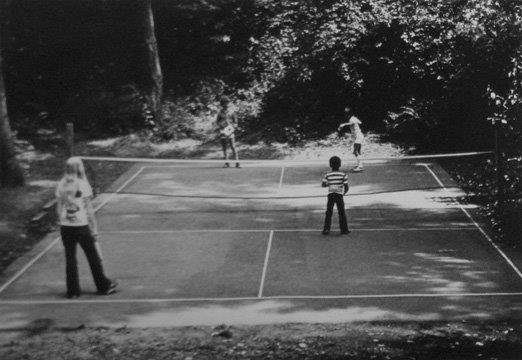
Pickleball began in 1965 on Bainbridge Island, Washington, as a family game.
The pickleball origin is a story of smart tweaks, friendly trial and error, and pure fun. In this guide, I break down the pickleball origin with clear facts, context, and simple tips you can use. If you want the full picture, from the backyard first game to the global boom, you are in the right place.
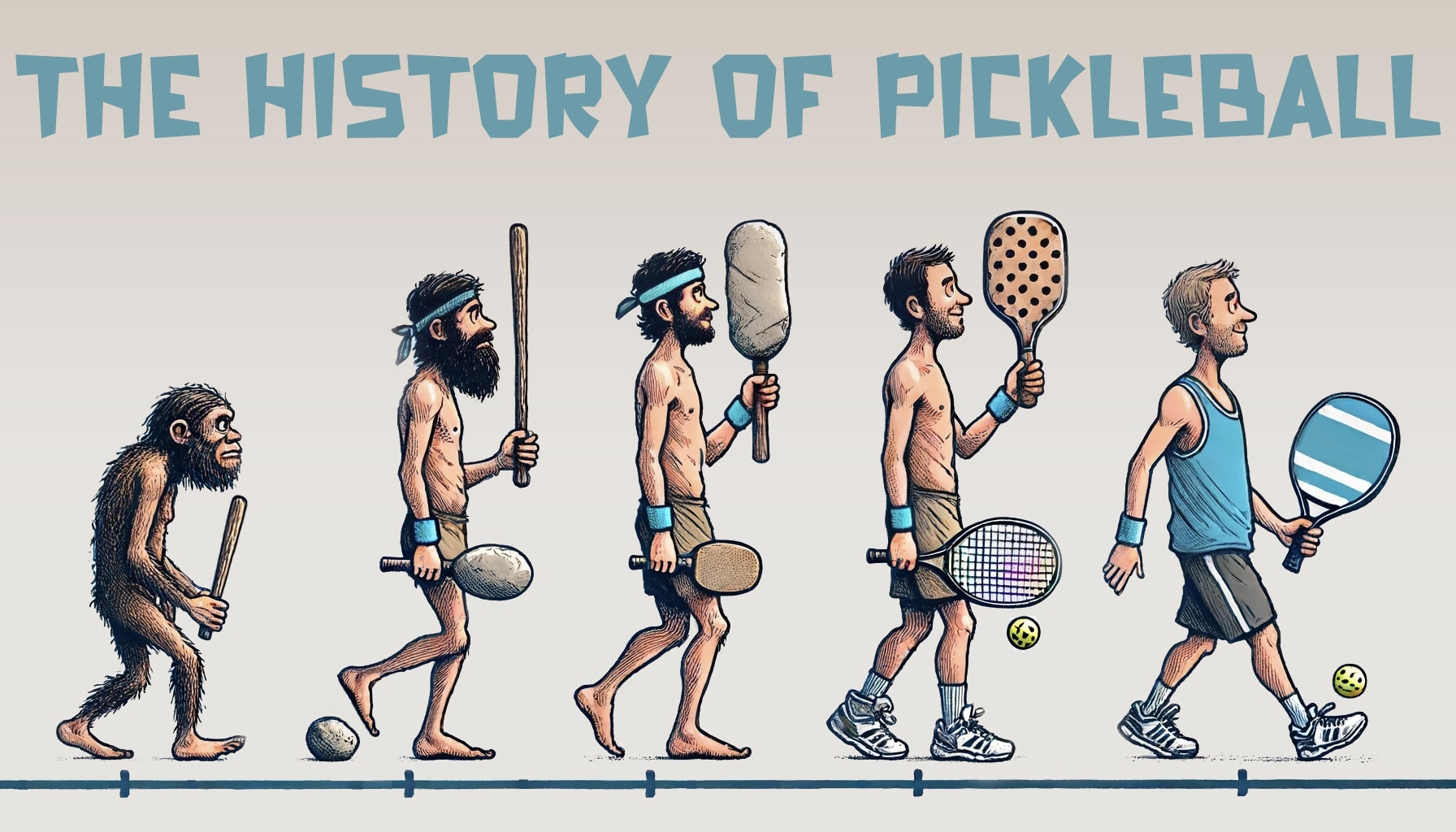
The real story: Pickleball’s 1965 birth on Bainbridge Island
The pickleball origin starts on a quiet summer day in 1965. Three friends wanted a game the whole family could play. Their names were Joel Pritchard, Bill Bell, and Barney McCallum. They set up on a badminton court at Pritchard’s home on Bainbridge Island.
They did not have the right gear. So they used a perforated plastic ball. They cut paddles from plywood. They set the net low so the ball would clear it. The game felt fast, but easy on the joints.
Soon, they wrote simple rules. The serve was underhand. You had to let the ball bounce once on each side after the serve. You could not volley inside the non-volley zone near the net. These rules kept play fair and long. They also defined the feel of the sport from the very start.
The pickleball origin is also a story of smart design. The court is 20 by 44 feet. That size fits all ages. The kitchen, or non-volley zone, stops wild smashes. The plastic ball slows the pace just right. It was a happy blend that worked at once.

How pickleball got its name: Two tales, one sport
You will hear two stories about the name. Both start with the same founders. Both link back to the same island life. The pickleball origin includes these two clear tales.
One tale is the pickle boat idea. In crew, a pickle boat has a mixed crew. It is the last boat to finish. The story says the name fit because the new sport used mixed parts from other games. That matched how the game came to be.
The other tale is about a dog named Pickles. People say the family dog would chase the ball and run with it. So the sport took his name. Many early accounts note that Pickles came a bit later, after the game already had a name. But both tales live on, and both add charm.
What do early records show? Early notes and interviews point more to the pickle boat term. The dog did exist and did chase the ball. But the timeline leans toward pickle boat as the first idea. Still, the dog story is fun. It helped the sport get press and smiles.

Early rules, court, and gear: What changed and what stayed
The pickleball origin rules were short and smart. The double-bounce rule stopped serve-and-volley rushes. The kitchen kept players from smashing right at the net. These two ideas shaped long rallies and fair play.
The court stayed the same size as a doubles badminton court. That was 20 by 44 feet. The net sat near 36 inches at the posts and a bit lower at center. Those numbers still guide courts today. The feel is the same across parks and clubs.
Gear saw big change. At first, paddles were wood. Later, high-tech cores came in. Early makers used honeycomb panels from aerospace materials. The plastic ball also changed. More holes gave a better flight. Indoor and outdoor balls now differ in weight and hole count. Yet the simple look still matches the pickleball origin.
Many parts did not change. The underhand serve stayed. Scoring stayed simple for a long time. The game kept its bright sound and short steps. These roots kept the sport easy to learn.

From backyard to global: A timeline of growth
The path from the pickleball origin to today is fast and wide. Here is a simple timeline to see the arc.
- Late 1960s: The first dedicated court appears on Bainbridge Island. Local families play often.
- 1970s: Small papers and magazines cover the game. The first known tournament takes place in Washington state.
- 1980s: A national group forms to set rules and support clubs. The first rulebook spreads the standard game.
- 1990s: Composite paddles rise. Retirement communities adopt courts. The sport reaches coast to coast.
- 2000s: Parks, schools, and YMCAs add lines. More tournaments bring better play and clear rankings.
- 2010s: Growth speeds up. Media and brands invest. The sport lands in all major regions.
- 2020s: Pickleball booms. Millions try it. Pro tours start. Cities race to add courts.
Across this growth, the core stayed true. The pickleball origin kept the sport friendly, short, and social. That is why it spreads fast in parks and gyms.

Why the pickleball origin still matters today
Knowing the pickleball origin helps you teach and grow the game. It reminds us to keep play fair and fun. It sets a tone of welcome and care. That tone starts in every open play line.
The origin also guides design. Court size, the kitchen, and the bounce rules protect rallies. They protect joints too. This helps new players. It helps elders. It helps kids and clubs fill courts all day.
It also clears up debates. People argue about noise, spin, and paddle power. Look back to the pickleball origin. The aim was fun, control, and balance. That lens helps leaders set rules that last.
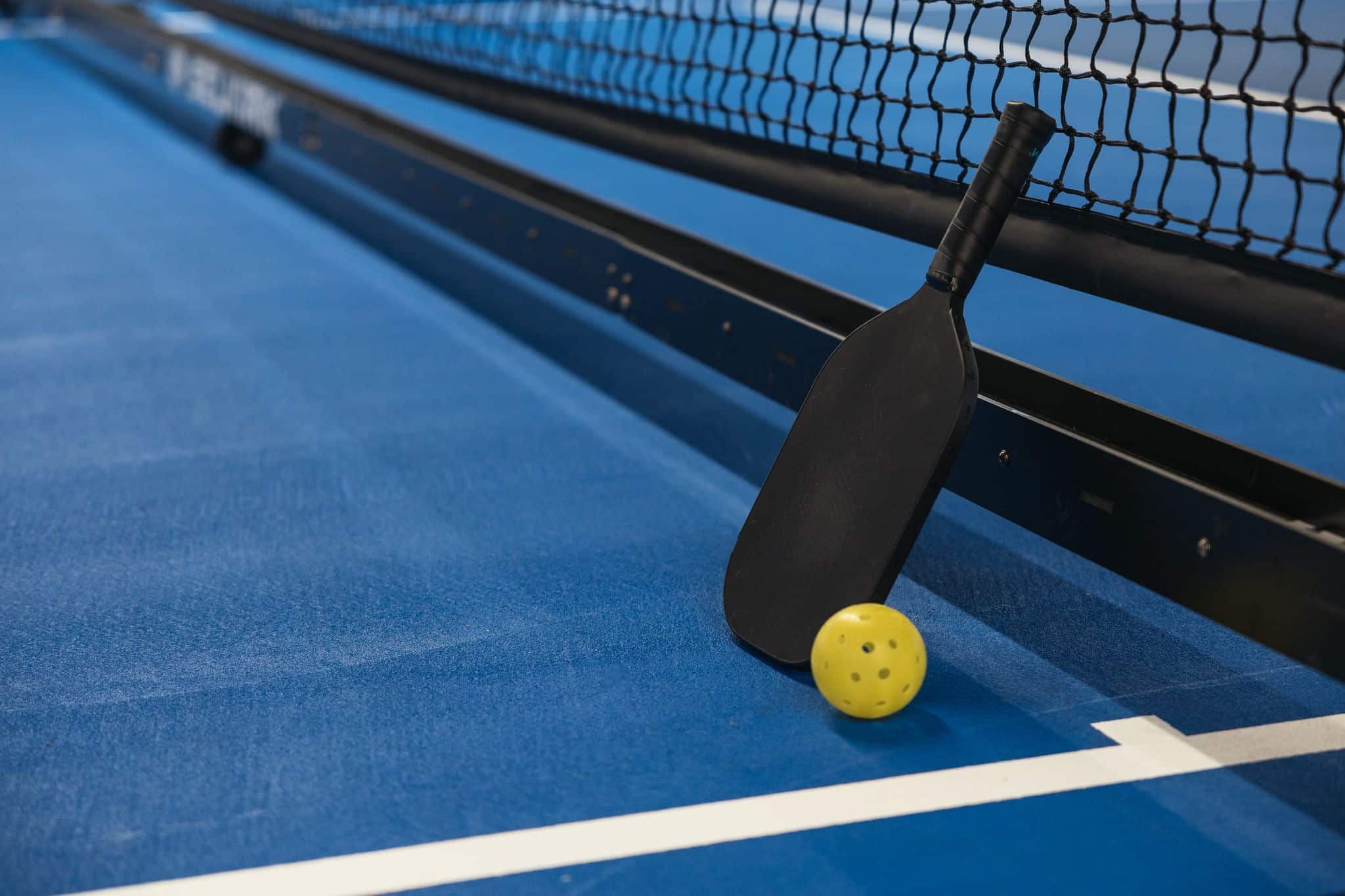
Recreate the first pickleball game at home or the park
You can copy the early setup with ease. It is a fun way to feel the pickleball origin for yourself.
- Find a flat space the size of a badminton court. Use chalk or tape for lines.
- Use a net at about 34 to 36 inches across the middle.
- Bring a perforated plastic ball and simple paddles. Wood or basic composite will do.
- Serve underhand. Keep both feet behind the line.
- Let the ball bounce once on each side after the serve.
- Do not volley inside the kitchen. Step back before you hit out of the air.
Common mistakes to avoid are simple. Do not creep into the kitchen on volleys. Do not rush the net after the serve. Keep serves low and deep. Aim for the middle to start rallies. This mirrors the pickleball origin and keeps games close.
For a family round, play to 11, win by 2. Switch sides when one team reaches 6. Keep score out loud. The rhythm and smiles will match the first days on Bainbridge Island.
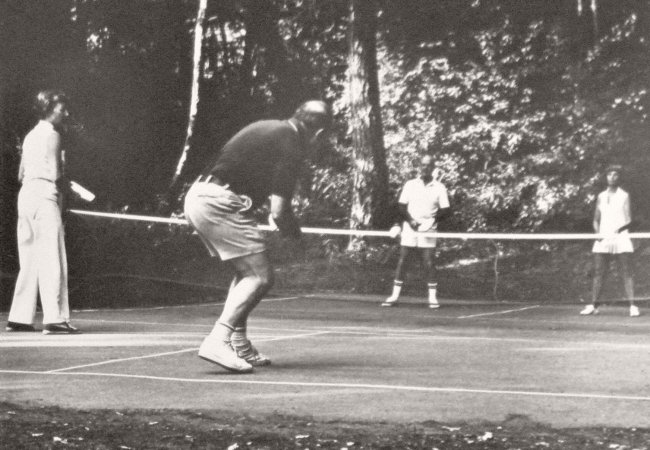
Frequently Asked Questions of pickleball origin
Who invented pickleball?
Joel Pritchard, Bill Bell, and Barney McCallum created the game in 1965. They built it on a badminton court at Pritchard’s home on Bainbridge Island.
Where did the name really come from?
Two stories exist. Most early records point to the pickle boat idea, though the family dog Pickles also became part of the lore.
What key rules came from the pickleball origin?
The double-bounce rule and the kitchen are core. They slow rushes to the net and keep rallies fair.
When did pickleball leave the backyard?
By the 1970s, small events ran in Washington state. By the 1980s and 1990s, national rules and composite paddles helped it spread.
Has the court size changed since the start?
No. The court remains 20 by 44 feet. That size is part of the sport’s DNA.
Why does the pickleball origin matter for new players?
It shows why rules protect rallies and joints. It also sets a friendly, social tone for clubs and events.
Is the dog story true?
Yes, the dog Pickles did chase balls. The name likely came first from pickle boat talk, but both stories live on.
Conclusion
The pickleball origin is a simple mix of smart rules, a small court, and shared joy. Three friends built a game that worked for kids, parents, and grandparents. That is why it still wins hearts in parks and gyms.
Use the lessons from the start. Keep your serves simple. Honor the kitchen. Aim for long rallies and clear calls. Then invite one more player to join.
Want more guides like this? Subscribe for updates, share this with a friend, or drop your questions in the comments so we can dig in together.