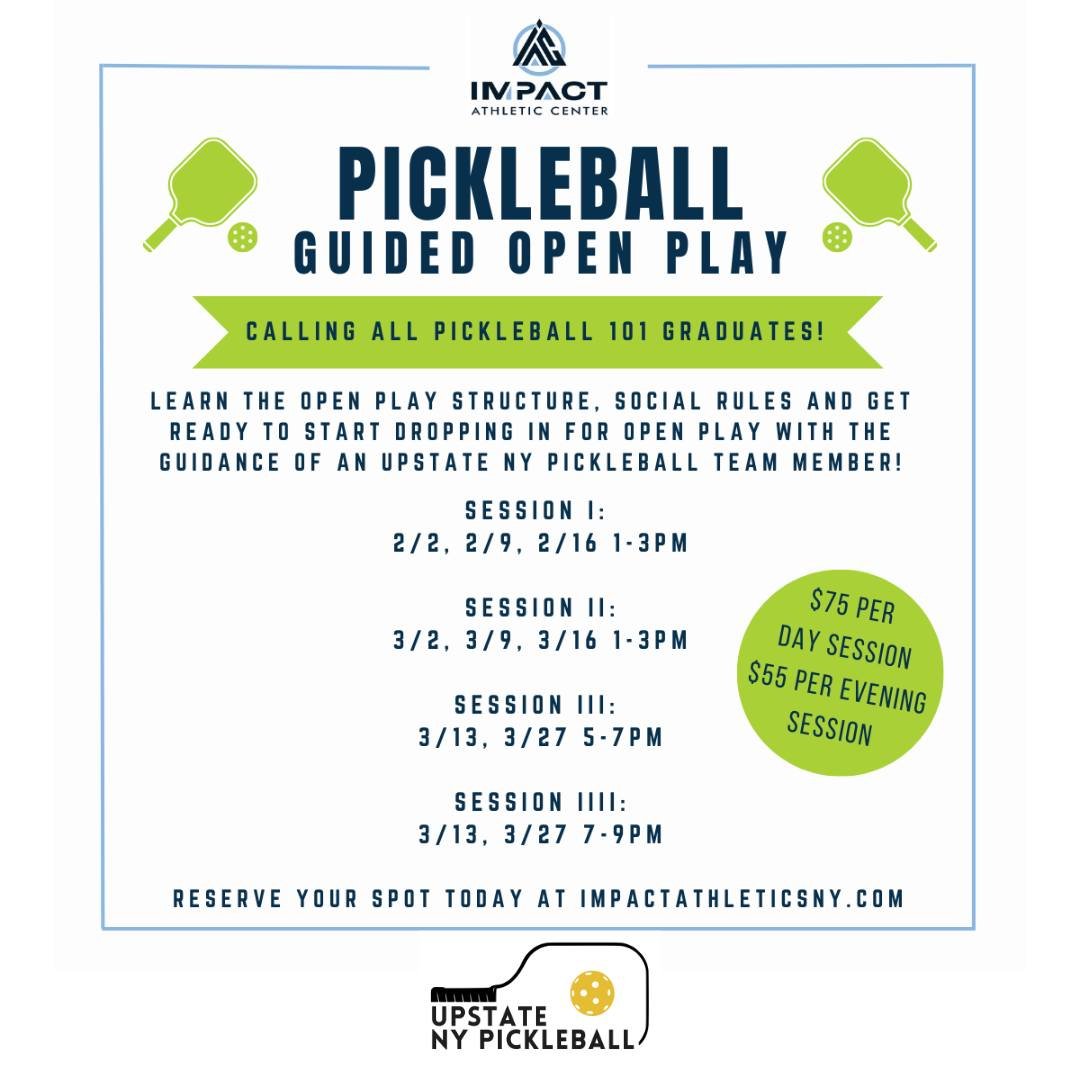
Pickleball open play is drop in, social games where players rotate and compete.
If you want easy games, quick friends, and real court time, pickleball open play is your best entry point. I run weekly sessions at a busy club and play at packed parks. This guide breaks down how pickleball open play works, how to find it, what to bring, and how to shine. You will learn best practices, simple etiquette, and smart tips to make every game fun.

What is pickleball open play?
Pickleball open play is a drop-in format. Any player can join and mix into games. Courts run steady, and players rotate in and out. You meet new partners and face many styles.
Most sites set a skill range for time slots. Some hours are all-levels. Others are for 3.0–3.5 or 4.0+ only. That keeps play fair and smooth.
I love pickleball open play because it offers variety. One game may be fast and bold. The next may be soft and patient. You grow fast because you adapt in real time. Pickleball open play turns strangers into partners within minutes.

Why pickleball open play is great
Pickleball open play builds skills and community at once. You get quick reps, real feedback, and fast matches. You do not need a fixed partner or long planning.
Key benefits:
- Easy access. Show up, sign in, and play.
- Social energy. Meet partners at your level and beyond.
- Skill growth. Face many tactics in one session.
- Time savings. More play, less setup.
- Fun cardio. Short points and quick rallies keep you moving.
Industry data shows the sport is booming in the U.S. Open play is a main driver of that growth. It lowers barriers for new players. It also keeps advanced players sharp. That mix is a huge win.

How pickleball open play works: rotation and formats
Most pickleball open play sites use simple systems. These help players move fast and keep order.
Common formats:
- Paddle rack. Place your paddle on a rack. When a court frees up, the next four paddles go play.
- Whiteboard. Write your name in a queue. Organizers call the next four names to a court.
- Challenge court. Winners stay for one more game. Losers rotate out. Often used for higher levels.
- Skill split. Courts set aside by level. Keeps games close and fun.
Match flow basics:
- Games usually go to 11, win by 2. Some sites play to 9 for speed.
- Most places call “two on, two off” to move players.
- If courts are full, limit warmups to two minutes. Keep things moving.
My local park runs a paddle rack for all levels in the morning. In the afternoon, we add one challenge court. This lets players choose either fast rotation or a higher test. That balance makes pickleball open play run well.

Finding pickleball open play near you
You have many ways to find local sessions. Try these:
- Local parks and rec sites. Check city pages for drop-in times.
- Community centers and YMCAs. Many run daily or weekly open play.
- Apps and groups. Use map apps, social media groups, and club apps for schedules.
- Pro shops and clubs. Call them and ask for open play windows.
- Word of mouth. Ask players on the court. They know the best times.
Quick tip: Search at dawn. Many parks post daily updates early. If you travel, add “drop-in” and “open play” to your search. You will find a game in minutes.
Etiquette and safety in pickleball open play
Good vibes make pickleball open play shine. Follow these simple norms.
Core etiquette:
- Rotate fairly. Join the queue after each game.
- Welcome new faces. Offer names and a quick hello before each serve.
- Call lines honest. Give the benefit of the doubt on close calls.
- Keep coaching light. Ask before giving tips.
Safety basics:
- Warm up. Jog, stretch calves and shoulders, and do a few dinks.
- Hydrate. Bring water and refill often.
- Mind the ball. Yell “Ball!” to stop play if a stray ball rolls in.
- Wear court shoes. This prevents slips and saves your knees.
I learned to carry spare overgrips and tape. A quick fix can save a player’s day. That small act builds trust and keeps the flow strong.
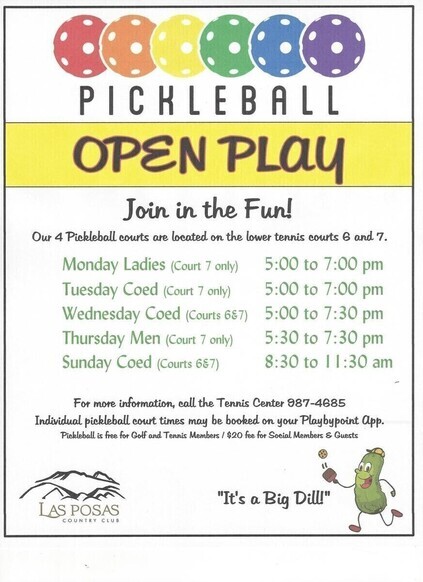
Strategy to shine in pickleball open play
A few habits help you win more and enjoy more. These work at every level.
On-court habits:
- Serve deep and safe. Start points strong and cut easy returns.
- Return deep and to backhands. Buy time to reach the kitchen.
- Third shot plan. Mix a drop to the kitchen with a drive at the body.
- Dink with purpose. Aim at feet, middle, or open space.
- Communicate. Call “mine,” “yours,” and “switch” early and loud.
Smart mindset:
- Play high-percentage shots. Avoid low-margin hero tries.
- Watch the better players. See how they move and reset points.
- Try one focus per game. For example, “reset early” or “get to the NVZ fast.”
In one crowded pickleball open play, I set a simple goal: win the middle. I aimed dinks at the center seam. Errors dropped at once. Small, clear goals work.
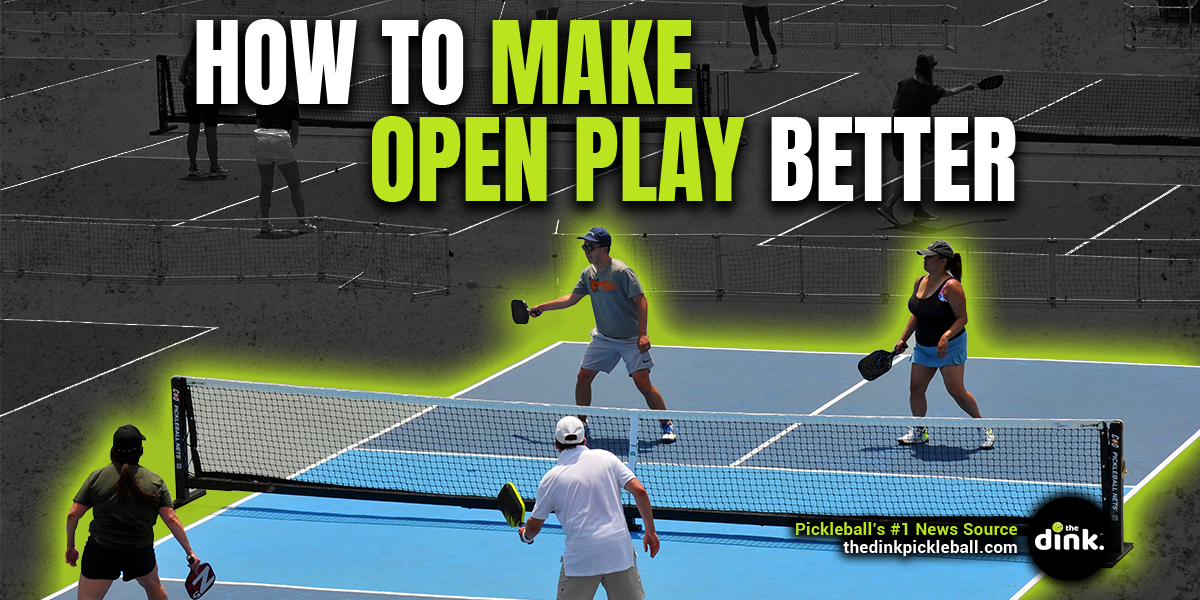
Gear checklist and quick setup
You do not need much to start pickleball open play. Keep a small bag ready.
Essentials:
- Paddle you trust and a spare if you have one
- Indoor or outdoor balls for the court type
- Court shoes with good grip
- Water bottle and small towel
- Hat or visor and sunscreen for sun
- Light jacket for early mornings
- Tape, overgrips, and bandages
Setup tips:
- Arrive 10–15 minutes early.
- Do a two-minute warmup rally, then start.
- Keep your gear off the court edges.
As you play more pickleball open play, you will tune your bag. I added a phone tripod to record points. Playback shows small fixes fast.

Hosting your own pickleball open play
If your area lacks sessions, you can host one. It is easier than you think.
Steps to start:
- Pick a site and time. Mornings or early evenings draw more players.
- Set the level. All-levels to start, then add level blocks as it grows.
- Use a paddle rack. Keep it simple for fair rotation.
- Share details. Post rules, times, and what to bring.
- Be present. Greet players and solve small issues fast.
Organizing tips:
- Mark courts by level when crowded.
- Set a game cap during rush hours.
- Ask for feedback once a month.
The first time I hosted, I kept rules short and friendly. The vibe stayed light, and the group grew. Clear rules plus kindness are the secret sauce of pickleball open play.

Common mistakes to avoid in pickleball open play
Many errors are easy to fix. Watch for these.
- Skipping the warmup. Cold muscles lead to slow starts and injuries.
- Hogging courts. Rotate out after each game during peak times.
- Over-hitting. Control beats power, especially at the kitchen.
- Silent partners. Talk early and often on switching and lobs.
- Poor hydration. Bring water and sip between points.
You will have off days. I have had many. Stick to high-percentage play. Move your feet. Smile and reset. Pickleball open play rewards steady habits.
Costs and memberships: what to expect
Costs vary by site. Many parks offer free pickleball open play. Clubs may charge a drop-in fee. Community centers often offer day passes.
What to check before you go:
- Court type and ball rules
- Skill levels and time blocks
- Drop-in fee, punch cards, or memberships
- Lighting for evening play
- Parking and restrooms
You can play a lot on a budget. Free parks plus a good paddle give you months of fun. If you seek more structure, a club pass may be worth it for reliable pickleball open play.
Frequently Asked Questions of pickleball open play
What is pickleball open play?
Pickleball open play is a drop-in session where players rotate into games. It is open to anyone who follows the posted rules.
How long are games during open play?
Most games go to 11, win by 2. Busy sites may set games to 9 to keep rotations fast.
Do I need a partner to join?
No partner is needed for pickleball open play. You will be matched with others in the queue.
What should I bring to open play?
Bring a paddle, court shoes, water, and the right type of ball. A towel, hat, and sunscreen help outdoors.
How do I know my skill level?
Use posted guides at the site or ask a coach. Start in an all-levels block if unsure, then move as you learn.
Can beginners join open play?
Yes, many places offer beginner-friendly hours. Check the schedule and start there for a smooth first day.
Is there a code of conduct?
Yes. Rotate fairly, be kind, and call lines honest. Keep games moving and thank partners and opponents.
Conclusion
Pickleball open play is the fastest path to more games, better skills, and new friends. Show up with a plan, follow simple etiquette, and set one focus each match. You will improve fast and have a great time.
Pick a session this week and try one tip from this guide. Serve deep, return deep, and talk with your partner. Share your questions or wins in the comments, and subscribe for more open play tips and drills.