
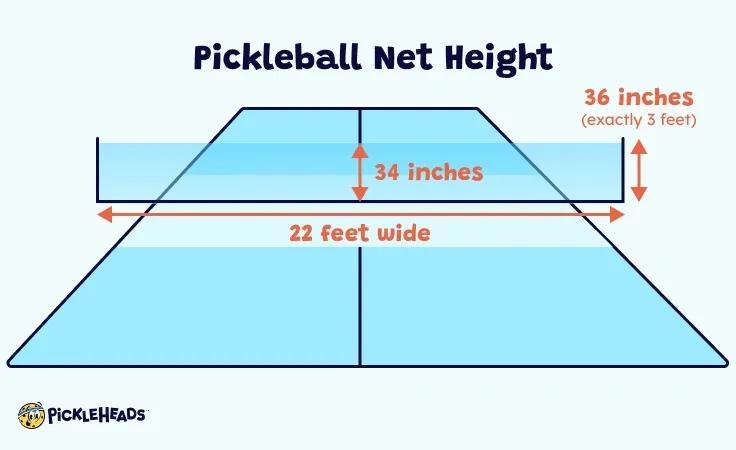
Pickleball net height is 36 inches at the posts and 34 inches at the center.
If you want clean volleys, fair rallies, and a true game, you need to get pickleball net height right. I’ve set up dozens of courts, corrected many sagging nets, and tested portable systems. This guide breaks down the official pickleball net height, why it matters, how to measure it, and how to avoid costly mistakes.
Official Pickleball Net Height and Dimensions
The official pickleball net height is 36 inches at the posts and 34 inches at the center. That small dip in the middle is not an accident. It shapes strategy and shot choice. The net should stretch across the court with the posts outside the sidelines. The top should have a white band and a tight cord or cable.
Key dimensions you should know:
- Net height at posts: 36 inches.
- Net height at center: 34 inches.
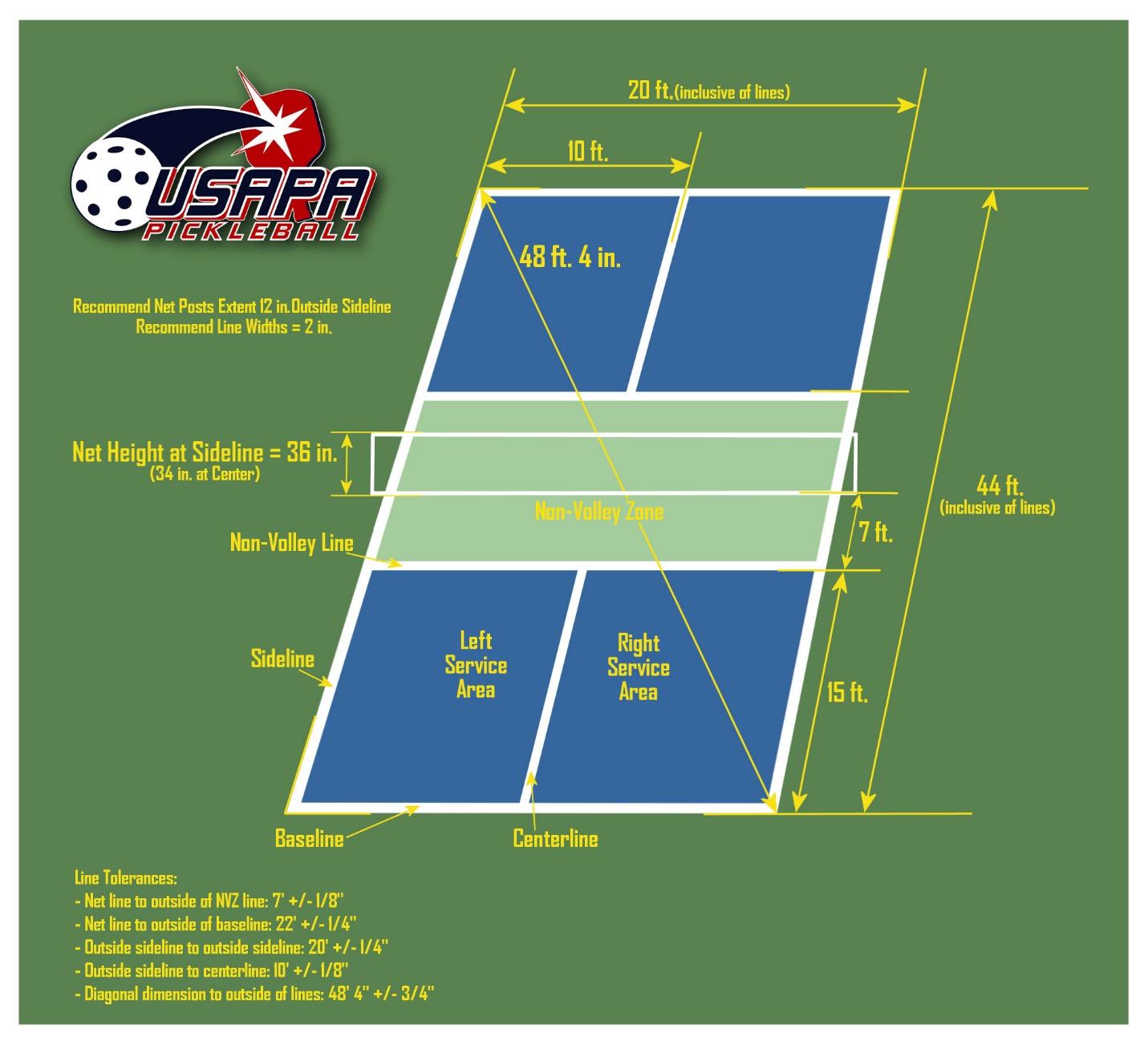
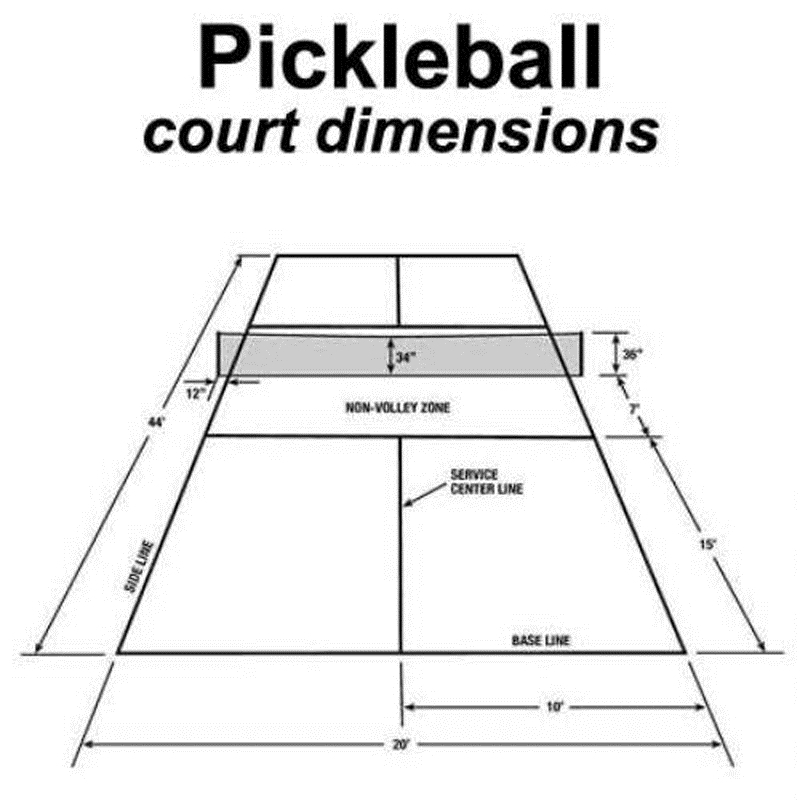
- Court width: 20 feet. Posts sit outside the sidelines.
- Net length: long enough to reach the posts outside the sidelines.
These specs match the official rulebook. They apply to both indoor and outdoor courts. Any league or tournament will use this standard. If you want consistent play, match your setup to this pickleball net height every time.
Why Net Height Matters for Your Game
Pickleball net height shapes the pace and fairness of play. A low net turns dinks into easy winners. A high net punishes drives and lobs.
Here is what the net height changes:
- Spin and arc. Topspin clears a proper net with room to dip. A higher net kills that dip.
- Third-shot drops. The 34-inch center allows soft drops to land short. Too high and they float long.
- Volleys and blocks. A correct net reduces lucky net cords and bad bounces.
From experience, most “bad days” on court were not strokes. They were setup. Once we fixed the pickleball net height, rallies felt fair again.

Picking the Right Net: Portable vs Permanent
Both portable and permanent nets can meet regulation pickleball net height. Choose based on where and how you play.
Portable nets:
- Best for drive-up play, parks, and gyms.
- Quick to assemble. Many include a center support to hit 34 inches.
- Lighter and easier to store.
- Watch for wear in the center strap and tension cord.
Permanent nets:
- Best for clubs and dedicated courts.
- More stable. Less sag in wind or over time.
- Use a crank or strap to fine-tune 34 inches at center.
- Higher upfront cost and needs proper posts.
My tip: If you host open play, invest in a sturdy portable frame with a rigid center rod. It locks in the pickleball net height and saves you from constant re-checks.

How to Set Up and Measure Net Height Correctly
You do not need fancy tools to dial in pickleball net height. A tape measure and simple steps will do.
Step-by-step:
- Place the posts outside the sidelines.
- Attach the net and tighten the cord until it is snug.
- Set the center strap or rod so the center reads 34 inches.
- Check at both posts. Confirm 36 inches each side.
- Recheck after 10 minutes of play. Nets settle once players hit.
Useful tools:
- Tape measure marked in inches.
- Center strap for permanent nets.
- Center rod for portable nets.
- Small level if your court surface slopes.
Pro tip: Measure from the court surface to the top of the white band. That keeps measurements consistent with the official standard for pickleball net height.

Common Mistakes and How to Fix Them
Even seasoned players miss these basics. A few tweaks can save your match.
Common issues:
- Too much sag in the center. Tighten the cord. Add or adjust the center strap or rod.
- Posts too close to the court. Move posts outside the sidelines. This keeps the 36-inch ends true.
- Uneven surface. Use court shims or place the base on a firm pad to level.
- Loose knots or clips. Replace worn parts. Tie secure knots and double-check clips.
If your shots feel off, check the pickleball net height first. It is often the hidden culprit behind shanks and missed drops.

Adjustments for Different Surfaces and Conditions
Surface and weather can change how the net behaves. Keep your pickleball net height stable by adapting to the conditions.
On outdoor courts:
- Wind can bow the net. Increase cord tension slightly.
- Heat loosens fabric. Recheck after warm-up play.
On indoor courts:
- Wood floors can be slick. Weight or secure the bases.
- Multi-use lines may distract. Use clear markers to see the posts and center.
On temporary or taped courts:
- Measure twice. Tape lines can fool the eye.
- Mark the center with a small dot so players can verify the 34-inch point.
Do quick checks before every session. Consistency is king for pickleball net height.
Training Drills Tailored to Net Height
Use the regulation net to sharpen your touch. These drills train depth, spin, and control.
Drills to try:
- Center ribbon drill. Clip a ribbon at 34 inches in the center. Aim drops to clear it by a ball height.
- Sideline targets. Place cones near both sidelines. Practice crosscourt dinks that clear 36 inches by a few inches.
- Drive window. Paint or tape a small “window” on a practice board that matches the net arc. Hit topspin drives through it.
- Pressure sets. Play to seven points, but a net cord winner does not count. This trains clean margins at the correct pickleball net height.
I track makes and misses for 10 minutes. The goal is clean clears with tight arcs. That habit shows up in matches fast.
Maintenance and Safety Tips
A well-kept net lasts longer and holds regulation height.
Keep it game-ready:
- Wipe the tape band and cord after wet or dusty play.
- Store portable nets dry to prevent mildew and sag.
- Inspect the center strap or rod every month for wear.
- Replace frayed cords and bent clips.
Safety first:
- Secure guy lines and bases so players do not trip.
- Keep bags and cases off the sidelines.
- Communicate before tightening or moving the net.
Routine care protects your investment and preserves true pickleball net height.
Frequently Asked Questions of pickleball net height
What is the official pickleball net height?
The net is 36 inches high at the posts and 34 inches at the center. These measurements come from the official rulebook.
How do I measure net height without special tools?
Use a simple tape measure. Measure from the court surface to the top of the white band at the center and at each post.
Why is the center lower than the sides?
The dip supports fair play and natural ball flight. It reduces let chords and rewards good spin and arc.
Can I adjust net height for casual play?
You can, but it changes the game. For best practice and true skills, stick to regulation pickleball net height.
Do portable nets meet official standards?
Yes, many do when set up right. Check that the center reads 34 inches and the ends read 36 inches.
How often should I recheck net height?
Check before each session and again after warm-up. Nets can settle and lose tension during play.
Conclusion
Getting pickleball net height right is the fastest way to level up your game. It protects fair rallies, sharpens touch, and makes practice translate to match day. Keep a tape in your bag, set the center to 34 inches, and confirm 36 inches at the posts. Then build habits around that true setup.
Put this guide to work in your next session. Measure, adjust, and run a few height-focused drills. Want more tips like this? Subscribe, share your setup questions, or drop a comment with your net challenges.