
Pickleball instructor training teaches you to coach safely, confidently, and profitably.
If you want to turn your love of pickleball into a real coaching skill set, you are in the right place. I have helped new coaches go from nervous to booked-out in weeks. This guide breaks down pickleball instructor training from certification to lesson plans, so you can teach with clarity and grow with purpose.
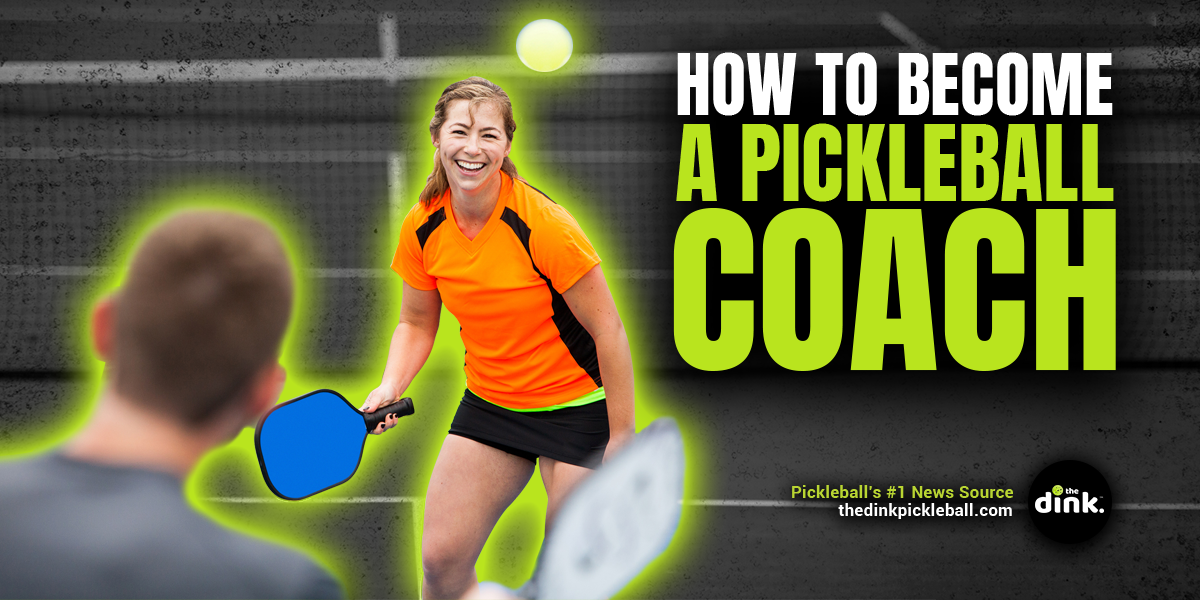
What is pickleball instructor training and who needs it?
Pickleball instructor training is a structured path to learn how to teach the game. It covers coaching skills, safety, and business basics. It helps you coach beginners, run clinics, and build steady income. It is also ideal for gym staff, PE teachers, or club leaders.
Training is not the same as certification. Training gives you skills. Certification verifies those skills under a recognized standard. Many coaches do both to build trust and get insurance.
Leading options include programs offered by national bodies and coaching groups. Many coaches start with a live workshop and online modules. They also complete CPR and background checks. Then they keep learning each year to stay current.

Certification pathways and prerequisites
Most coaches choose a known pathway to get certified. Common options include programs tied to national pickleball groups and coach education partners. These programs often blend online learning with on-court evaluations. Each pathway has a similar flow.
Here is the typical process:
- Meet age and experience requirements. Most programs ask for age 18+ and playing knowledge.
- Finish online coursework. You learn rules, safety, and basic methodology.
- Attend an in-person workshop. You practice feeding, cueing, and class control.
- Pass assessments. Expect a written test and on-court teaching exam.
- Complete safety steps. CPR/AED, first aid, and a background check are common.
- Maintain status. Do continuing education and renew every one to two years.
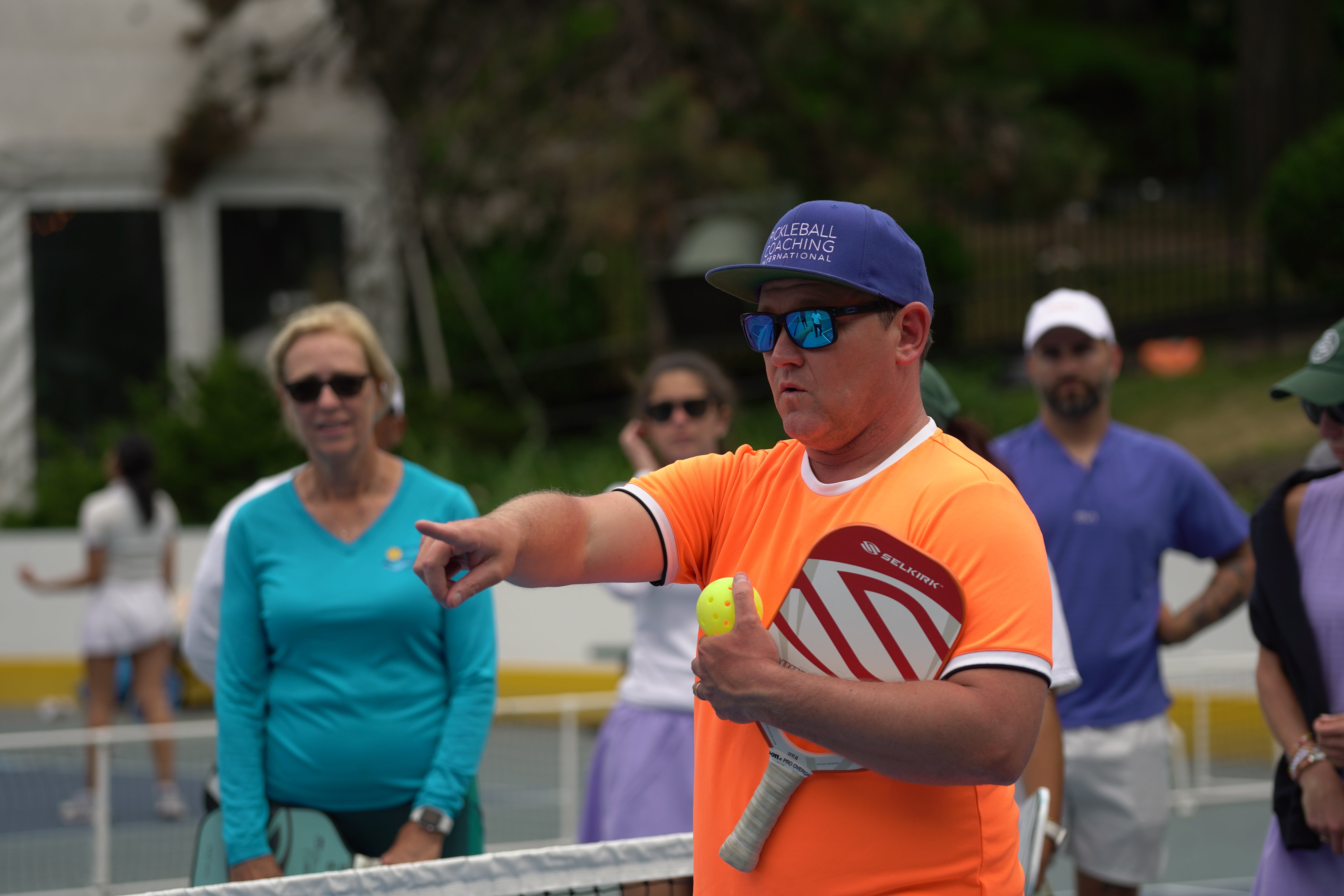
From my own path, the workshop day was the biggest unlock. Teaching in front of a trainer felt scary at first. But it made my cueing crisp and my feeds smooth. That confidence showed in my first paid lessons. Pickleball instructor training sets you up for this same growth.
Core competencies every instructor needs
Great coaches do more than feed balls. They create a safe and fun space where players improve fast. Pickleball instructor training targets these core skills so you can deliver results.
Technical and tactical basics:
- Serve and return with depth and aim. Use simple cues and targets.
- Dinks, drops, and drives. Teach when and why to use each.
- Footwork and balance. Keep players low and light on the toes.
- Positioning and shot selection. Win with smart patterns, not power alone.
Teaching craft:
- Progressions. Start easy, then layer complexity.
- Error detection. Spot root causes, not just symptoms.
- Simple cues. Use short, clear phrases the player can act on.
- Class management. Keep lines short and reps high.
Safety and inclusion:
- Warm-ups and cooldowns. Protect joints and backs.
- Hydration and heat checks. Plan shade and rest.
- Adaptive coaching. Offer options for different bodies and abilities.
A quick story. Early in my career I overloaded beginners with too many tips. Players smiled, but improvement stalled. I switched to one clear cue per drill and the change was huge. Keep it simple, then build. That is the heart of strong pickleball instructor training.
Designing a training curriculum
A good curriculum has structure and flexibility. It matches goals to drills and uses clear checkpoints. It also leaves room for different ages and skill levels.
Key building blocks:
- Set an objective for each session. One main skill is enough.
- Use a warm-up that matches the skill. For dinks, start with soft hands.
- Add a block of focused reps. Keep partners engaged and rotate fast.
- Move to a game-based drill. Add pressure and decisions.
- End with a measurable challenge. Track targets, rallies, or accuracy.
Sample 4-week beginner plan:
- Week 1: Serve, return, and basic rules. Target boxes and friendly scoring.
- Week 2: Dinks and net safety. Kitchen rules and soft hands.
- Week 3: Third shot drop and transition. Short court to mid court drills.
- Week 4: Consistent rally builds. Simple patterns and point play.
For juniors, keep games short and fun. For seniors, favor joint-friendly drills and more rest. For intermediates, push decision making and shot selection under pressure. Layer these ideas into your pickleball instructor training to keep progress steady.
Drills, games, and assessments that work
Drills should be simple to set up and quick to repeat. Use targets, cones, and clear reps. Then shift to games that test choices, not just skills.
Reliable drills:
- Dink to target. Aim for a cone at the kitchen and count clean hits to 20.
- Third shot drop ladder. Start short, step back each rep, and hold form.
- Serve plus first ball. Serve deep, then hit a safe fifth into the kitchen.
- Transition zone live ball. Two-up vs two-back. Focus on resets.
- Skinny singles. Half-court play to force accuracy and movement.
Games-based options:
- King or queen of the court. Winners move up, challengers move in.
- Serve only points. Build a repetition loop with scoring pressure.
- Constraints. Must drop on third. Drive allowed on fifth. Teach choices.
Assessment ideas:
- Track serve depth: how many land in the last six feet.
- Count unforced errors per game.
- Measure dink rally length to a target average.
Use these to show progress. Players love seeing numbers move, and it boosts referrals. This is a smart habit to add to your pickleball instructor training toolkit.
Tools and technology for instructor development
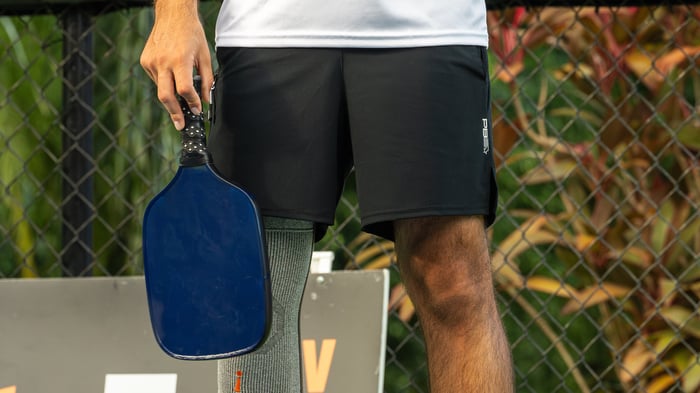
You do not need a big budget to teach well. A phone and a tripod can lift your coaching fast. The right tools help you analyze and save time.
Useful tools:
- Video apps. Record from the side and behind, then add quick voice notes.
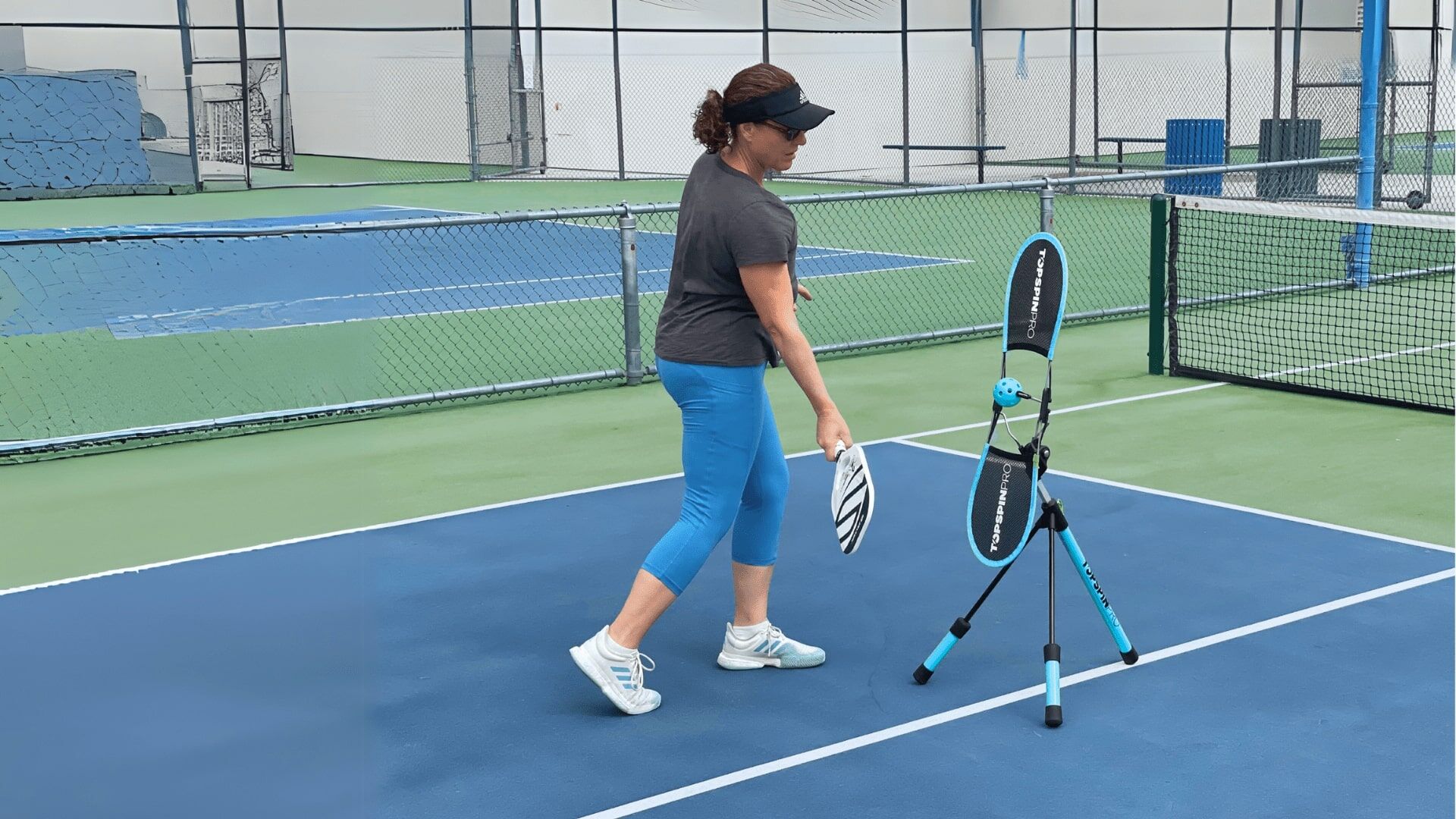
- Ball machine. Great for drops and footwork patterns.
- Cones, chalk, and targets. Create lanes, zones, and goals.
- Wearables or simple counters. Track rally counts and heart rate.
- Lesson templates. Reuse plans and adjust for each group.
I record 10 to 20 seconds, then coach one cue, then repeat. Players see the change and own it. Short video loops are gold in pickleball instructor training.
Business and career basics: pricing, policies, and marketing
Strong coaching is only half the job. You also need clear systems. This keeps stress low and bookings steady.
Pricing and offers:
- Private lessons often range from 40 to 120 dollars per hour by region.
- Semi-private or small groups can be 25 to 60 dollars per person.
- Clinics can scale. For example, 12 players at 30 dollars each for 90 minutes.
Policies:
- Use a 24-hour cancel rule. Offer one grace for first-time clients.
- Get liability insurance. Many cert programs help with this.
- Set a simple waiver and collect it online.
Marketing that works:
- Create a one-page website and a Google Business Profile.
- Post short tip clips and before-and-after shots with consent.
- Partner with local clubs, HOAs, and parks. Offer a free intro clinic.
- Ask for reviews and display them. Social proof drives bookings.
A quick tip from my calendar. I offer bundled lessons at a small discount. Players commit to a path, and I plan progress in blocks. This steady plan is a core benefit of pickleball instructor training for your business growth.
Safety, inclusivity, and ethics
Your duty of care comes first. Safe play and a respectful culture create trust. This trust grows your program and your name.
Safety plan:
- Do dynamic warm-ups. Focus on ankles, knees, hips, and shoulders.
- Check courts for wet spots and cracks. Fix or move.
- Have an emergency action plan. Know where the AED is and how to use it.
- Track heat index. Schedule shade breaks and water stops.
Inclusivity:
- Offer ball and paddle choices for grip and weight.
- Adjust court size or drill pace for different bodies.
- Learn basic adaptive options for mobility or hearing needs.
Ethics:
- Keep boundaries clear. Communicate by approved channels.
- Ask for photo and video consent.
- Use a background check and safe sport training.
These steps are not optional. They are a core pillar of quality pickleball instructor training and protect everyone on court.
Cost, time, and ROI of pickleball instructor training
Expect a mix of tuition, travel, and gear. The total varies by program and location. Plan the path, and you can earn back the cost fast.
Typical costs:
- Certification tuition can range from 200 to 600 dollars.
- Travel and court fees can add 50 to 300 dollars.
- CPR, background checks, and insurance can add 100 to 300 dollars.
- Small gear and targets may cost 50 to 150 dollars.
Time line:
- Online modules: 3 to 8 hours.
- Workshop and tests: 1 to 2 days.
- Set-up tasks: 1 to 2 weeks for checks and forms.
ROI snapshot:
- If you charge 80 dollars per hour, 10 private lessons can cover many costs.
- A clinic with 10 players at 35 dollars each brings in 350 dollars for 90 minutes.
- Packages and referrals speed up your break-even point.
I hit break-even in my first month by stacking one clinic and six privates. Clear goals and simple offers helped a lot. This is the practical upside of solid pickleball instructor training.
Continuing education and the career ladder
Great coaches keep learning. Pick one or two events or courses each season. Keep notes and track wins and misses.
Ideas to grow:
- Shadow another coach for a day. Swap drills and feedback.
- Take a specialty course. Juniors, seniors, or high performance.
- Attend a pro clinic. Steal one drill that fits your style.
- Compete sometimes. Playing keeps your feel sharp.
- Build a video portfolio. Show your best progress stories.
Use a simple review after each block:
- What worked?
- What did not?
- What will I change next time?
This loop is a small habit with big impact. It keeps your pickleball instructor training alive and fresh, not a one-time event.
Frequently Asked Questions of pickleball instructor training
How long does certification take?
Most new coaches complete the process within two to four weeks. It depends on workshop dates, background checks, and your study pace.
Do I need to be a high-level player to teach beginners?
No. You need solid fundamentals and a clear way to explain them. A patient teacher often beats a flashy player for beginners.
What insurance do I need as a coach?
Look for general liability and, if needed, professional liability coverage. Many certification programs guide you to a suitable policy.
How much can I earn as a pickleball instructor?
Rates vary by city and facility. Many coaches earn 40 to 120 dollars per hour, with clinics raising the hourly average.
What age groups can I teach after training?
You can teach adults, juniors, and seniors with the right plan. Start with one group you know well, then add others as you gain experience.
Do I need CPR and a background check?
Most recognized programs require both. It is also best practice for safety and facility access.
How do I keep players coming back?
Set clear goals, track progress, and celebrate small wins. Share a plan for the next step at the end of each session.
Conclusion
Pickleball instructor training gives you a clear path to coach with skill and heart. You learn how to teach, how to keep players safe, and how to grow a real coaching business. With the right plan, you can start small and build steady momentum.
Choose a certification, map your first month, and schedule your workshop date today. Then teach one focused skill per lesson, track results, and refine your craft. Want more? Subscribe for new lesson plans, marketing tips, and coach checklists, or leave a comment with your next coaching goal.