Pickleball for beginners is a simple, social sport you can learn fast.
If you are curious and a little nervous, you are in the right place. I have coached new players for years and still love seeing first wins. This friendly guide breaks down pickleball for beginners in plain steps. You will learn the gear, rules, shots, footwork, and smart plays. Stick with me and you will be ready to play your first game this week.

What Is Pickleball and Why It’s Exploding
Pickleball blends tennis, badminton, and ping pong. The court is small. The ball is light. The paddle is solid and easy to hold. Games move fast and feel social. You can learn the basics in one hour.
Here is the best part. Pickleball is kind to the body. It is easier on the joints than many sports. That is why all ages play together. New players get wins early, which keeps it fun.
From my first clinic, I saw shy beginners turn bold in one session. Clear rules. Simple swings. Lots of laughs. That is pickleball for beginners in a nutshell.
The Beginner’s Gear List
You do not need much to start. Keep it simple and light.
- Paddle. Start with a midweight paddle. Look for a wide face and a medium grip. It gives control and forgives mishits.
- Ball. Use outdoor balls on rough courts. Use indoor balls on smooth floors. Ask at the desk if you are not sure.
- Shoes. Wear court shoes with good grip and support. Running shoes can roll on side moves.
- Comfort items. Bring water, a small towel, and sunscreen if outside.
How to pick a first paddle for pickleball for beginners:
- Weight. Aim for 7.5 to 8.2 ounces. It is easy to swing and steady on contact.
- Grip size. If your hand is small, pick a smaller grip. It helps control and reduces strain.
- Budget. A good starter paddle sits in the mid price range. You do not need a pro paddle yet.
I tried a heavy paddle when I began. My arm got sore fast. A midweight model fixed that at once. Learn from my miss here.

Court, Rules, and Scoring Made Simple
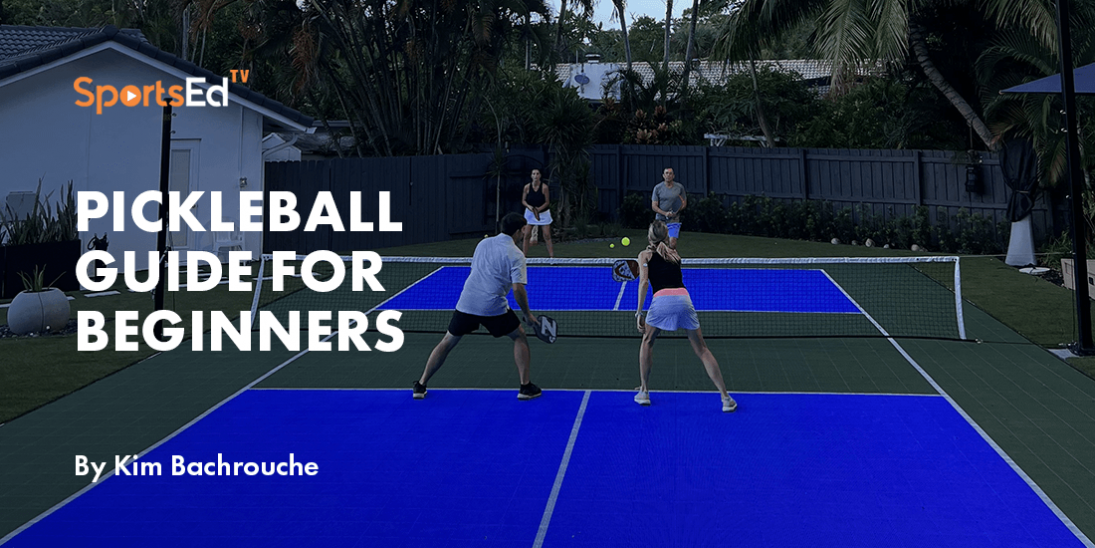
Court layout in plain words:
- Baseline. The line at the back.
- Service boxes. Left and right areas past the non-volley zone.
- Non-volley zone. Also called the kitchen. It is the seven-foot strip by the net.
Serve rules for pickleball for beginners:
- Serve underhand. Hit the ball into the box across from you.
- The ball must land in the box. Lines count, except the kitchen line on a serve.
- Only one serve try, except on a let when the ball hits the net and lands in.
Double bounce rule:
- The serve must bounce before the return.
- The next shot can be taken out of the air or after a bounce.
Scoring basics:
- Games go to 11 and you must win by 2.
- Only the serving team scores points.
- In doubles, call the score as server score, receiver score, then server number one or two.
Tip from the court. New players rush the kitchen too soon. Let the serve and the return bounce. Then move up with small steps and ready hands.

Core Skills and Shots to Learn First
Focus on four shots for fast gains.
- Serve. Use a simple, smooth, low-to-high swing. Aim deep down the middle.
- Return. Send it back deep and high. This gives you time to reach the kitchen line.
- Dink. A soft shot that lands in the kitchen. Keep the paddle face steady and swing short.
- Third shot drop. From near the baseline, drop the ball into the kitchen to join your partner at the net.
Progression for pickleball for beginners:
- Week 1. Sixty easy serves to both boxes. Work on height and depth.
- Week 2. Dink for five minutes per side. Keep the ball below net height.
- Week 3. Practice drops with a partner. Aim for a soft arc that clears the net by a foot.
When I learned the drop, I kept swinging too hard. The fix was to relax the grip. I counted to two on the swing. One on the back swing. Two on the forward touch. My control jumped at once.

Footwork and Movement Basics
Good feet beat big swings. Stay light and ready.
- Stance. Feet shoulder width. Knees bent. Paddle up and in front.
- Split step. Hop lightly as your rival hits. Land ready to move any way.
- Short steps. Do not cross your feet near the net. Use tiny side shuffles.
- Recover. After each shot, return to ready at the kitchen line.
Try this drill for pickleball for beginners:
- Kitchen shuffle. Move side to side along the line for one minute.
- Add a dink every three steps. Focus on balance and soft hands.
I used to plant my heels. I felt slow and late. The split step made me feel fast again. It is small but huge.
A 14-Day Starter Plan
Use this easy plan to build skill and joy.
Days 1 to 3:
- Learn the lines and rules.
- Hit 100 serves. Aim deep. Track how many land in.
Days 4 to 6:
- Practice returns. Hit high and deep.
- Add a five-minute dink rally with a friend.
Days 7 to 9:
- Learn the third shot drop.
- Play skinny singles on half a court to work control.
Days 10 to 12:
- Join an open play hour. Watch the flow. Ask to jump in.
- Focus on soft hands at the kitchen.
Days 13 to 14:
- Play two full games.
- Note one win and one gap. Drill the gap for 10 minutes.
This plan keeps pickleball for beginners fun and steady. Short work. Small wins. Fast growth.
Strategy for Day-One Wins
Smart play beats hard hits at this stage.
- Serve to the backhand often. It is a common weak spot.
- Return deep and to the middle. It adds time and causes mix-ups.
- Get to the kitchen line and hold it. Most points are won there.
- Aim at feet, not lines. Safe targets win more.
- Slow the ball when wild. Soft shots force control.
Doubles tips for pickleball for beginners:
- Move with your partner as one. Think of a short rope between you.
- Call the ball early. Mine, yours, or switch.
- Reset when under fire. Push a soft ball into the kitchen and breathe.
I once tried to blast every ball. I lost big. When I began to slow the game, my wins came back.

Etiquette and Safety
Good vibes make great games.
- Paddle taps or a quick wave are a nice start and end.
- Call the score loud before each serve.
- Call balls on your side with honesty.
- Do not step in the kitchen on a volley.
- Do not swing when someone is too close.
Safety tips for pickleball for beginners:
- Warm up for five minutes. Move your joints. Do light swings.
- Drink water before you feel dry.
- Wear eye gear if the court is tight.
- Stop if you feel pain. Rest beats injury.
Research shows short, regular play can boost balance, heart health, and mood. Still, build up slow and listen to your body.

Common Mistakes and Fixes
New players repeat a few errors. Here is how to fix them fast.
- Gripping too tight. Loosen your grip. Aim for a 3 out of 10 hold.
- Swinging big on dinks. Keep swings short. Use your shoulder, not your wrist.
- Standing on heels. Stay on the balls of your feet. Split step on every shot.
- Chasing winners. Pick big targets. Force one more ball.
- Forgetting the bounce rule. Say it in your head. Serve bounces. Return bounces.
These small tweaks help pickleball for beginners feel smooth and smart.
Where to Play and How to Find Partners
Finding a court is simple now.
- Search local parks or rec centers. Many have open play times.
- Ask the desk or local group for beginner hours.
- Join a club app or social group for game posts.
- Try a beginner clinic. You will learn fast and meet new friends.
How to join a game with ease:
- Bring two balls and a smile.
- Offer to rotate in. Ask for feedback after.
- Thank your group. Share a tip you learned.
Pickleball for beginners is a community at heart. Show up, be kind, and you will always find a court.
Frequently Asked Questions of pickleball for beginners
What is the best paddle weight for beginners?
A midweight paddle works best for control and comfort. It helps reduce arm strain and keeps mishits in play.
How long does it take to learn the basics?
Most people learn the basics in one session. After a week of play, you can rally and score with confidence.
What shoes should I wear?
Choose court shoes with good side support and grip. Avoid running shoes, as they can roll on quick side moves.
Can I play singles as a beginner?
Yes, but start with doubles to learn court sense and pace. Singles is a great workout once you build control.
How do I keep score in doubles?
Call server score, receiver score, then server number one or two. Only the serving team scores, and you play to 11, win by 2.
How often should I practice?
Three short sessions a week work well. Mix serves, dinks, and drops for balanced growth.
Do I need lessons to start?
Lessons help, but they are not required. Many players learn fast through open play and friendly tips.
Conclusion
You now have the playbook to start strong. You know the gear, rules, shots, and moves. You have a plan, smart tactics, and fixes for common slips. Pickleball for beginners is simple, social, and full of quick wins.
Grab a midweight paddle, hit a few serves, and join an open play hour. Keep the ball soft, aim for safe targets, and smile often. Ready to level up? Share your first win in the comments, subscribe for new drills, and invite a friend to the court today.