Pickleball for beginners is simple to learn, fun to play, and social.
If you’re new and curious, you’re in the right place. I teach new players every week, and I’ve helped many go from first swing to confident rallies. This guide covers pickleball for beginners with clear steps, easy drills, and smart tips. You’ll learn rules, gear, safety, and strategy you can use on court today.

What Is Pickleball and Why It’s So Popular
Pickleball is a paddle sport that blends tennis, ping-pong, and badminton. The court is small, the ball is light, and games move fast. It’s friendly for all ages and skill levels. That is why you see packed courts at parks and gyms.
For pickleball for beginners, the hook is quick wins. You can serve, rally, and score on day one. The real fun starts when you learn placement and patience. That is where this guide helps.
Essential Gear and Court Layout
You need a paddle, a ball, and court shoes. Choose a midweight paddle for control and comfort. Outdoor balls have 40 holes and are firmer. Indoor balls have 26 holes and are softer.
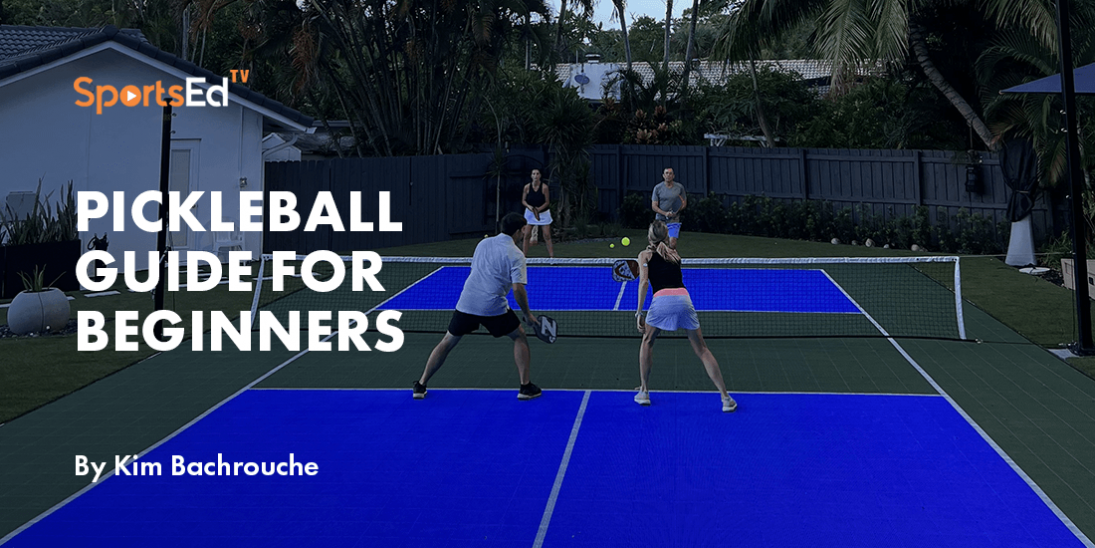
A standard court is 20 by 44 feet. The non-volley zone is the “kitchen,” 7 feet from the net on both sides. You cannot volley while standing in the kitchen. Lines matter, and the kitchen line counts as part of the kitchen.
My tip for pickleball for beginners: wear court shoes, not running shoes. Court shoes protect your ankles on side steps. They grip better and reduce slips.

Rules and Scoring Simplified
Use an underhand serve from behind the baseline. Hit the ball diagonal and clear the kitchen. The serve cannot land on the kitchen line.
Follow the two-bounce rule. After the serve, the ball must bounce once on each side before anyone volleys. Only the serving team scores in standard play. Games go to 11 and win by 2.
In doubles, each side gets two serves per turn, except the very first turn of the game. That one starts with only one server. Keep score by saying server score, receiver score, and server number. For pickleball for beginners, call the score before every serve to form the habit.

Basic Techniques and Footwork
Use a relaxed grip, about a 3 or 4 out of 10. Keep your paddle up in front like a shield. Bend your knees and split step before your opponent hits.
Focus on three key shots. A deep serve, a deep return, and a soft third shot drop. Those shots set up control at the kitchen line. They also reduce your errors.
When I coach pickleball for beginners, I cue “quiet hands.” Short swings beat big swings. Aim for smooth contact in front of your body.

Beginner Drills You Can Do Today
Serve to four targets. Place cones deep and wide. Hit 5 serves to each spot. Track makes and misses.
Dink cross-court from the kitchen line. Keep the ball low and slow. Aim for 20 in a row. This builds touch and patience.
Do wall drills if you lack a partner. Stand 10 feet from a wall and tap the ball back and forth. Work forehand, backhand, and quick reflex volleys. For pickleball for beginners, 5 minutes a day works wonders.
Strategy 101: Singles vs Doubles
Singles is about depth, fitness, and angles. Hit deep returns, then attack open space. Move your feet first, then swing. Do not trade wild power for poor aim.
Doubles is about teamwork and soft control. Get to the kitchen line with your partner. Keep the ball low and avoid popping it up. Communicate on every shot.
Pickleball for beginners often try to smash every ball. Instead, think chess, not checkers. Set up the point. Win the easier ball.
Safety, Warm-Ups, and Injury Prevention
Warm up for five minutes. Do light jogs, side shuffles, and arm circles. Add gentle calf, hip, and shoulder moves. Ease into your first rally.
Protect your Achilles and shoulders. Take small recovery steps and avoid backpedaling. Turn and run instead. If a lob comes, turn your hips first.
Hydrate and use sunscreen outdoors. Rest if you feel sharp pain. For pickleball for beginners, smart pacing keeps you on court more.

Etiquette, Terms, and Culture
Say the score before you serve. Make line calls on your side with honesty. If unsure, give the point to your opponent. Kindness wins games and friends.
Common terms help you fit in fast. Kitchen means non-volley zone. Dink is a soft shot that lands in the kitchen. Third shot drop is a soft shot after the return. Erne and ATP are advanced trick shots at the sideline.
Pickleball for beginners thrive in open play. Rotate in, tap paddles at the net, and thank partners. You will learn faster when you welcome feedback.

How to Choose a Paddle and Ball
Pick a paddle that fits your hand and style. A midweight paddle around 7.5 to 8.3 ounces is a safe start. A standard shape offers a good blend of reach and control. Choose a grip size that feels secure without strain.
Composite and graphite faces give good touch. Polymer cores feel soft and quiet. Check that the paddle is approved for organized play.
Use outdoor balls for outdoor courts. They are harder and cut wind better. For indoor gym floors, indoor balls bounce better and are easier to control. For pickleball for beginners, it is fine to start with budget gear and upgrade later.
Common Mistakes Beginners Make and How to Fix Them
Swinging too big. Fix it with compact strokes and a soft grip. Use your legs and core more than your arms.
Standing back from the kitchen. Fix it by moving up after your return. Split step as your opponent hits. Hold your ground at the line.
Serving short. Fix it by aiming deep middle. A deep serve buys time. For pickleball for beginners, depth beats speed.
Practice Plan: 4-Week Beginner Roadmap
Week 1: Learn rules and scoring. Practice serves to targets. Play short games to 7. Focus on calling the score.
Week 2: Drill dinks and deep returns. Add footwork ladders or side shuffles. Track unforced errors and reduce them.
Week 3: Add third shot drops and transition footwork. Learn to reset from mid-court. Play two matches and review.
Week 4: Mix serves, returns, and drops under pressure. Try basic doubles signals with a partner. Enter a local open play or beginner event. This plan fits pickleball for beginners and builds skill fast.
Where to Play and How to Join Games
Check local parks, community centers, and gyms. Many have painted courts and open play times. Staff often run beginner hours.
Use local clubs and apps to find games. Search for “open play pickleball” in your area. Show up early and introduce yourself. Bring balls and a smile.
Pickleball for beginners grows best in a kind group. Ask to rotate in and be coachable. Most players love to help new folks.
Nutrition and Recovery Basics for New Players
Eat light before you play. A small snack with carbs and a bit of protein works well. Think banana and yogurt or toast with peanut butter.
Drink water during breaks. Add electrolytes in heat or long sessions. After play, stretch calves, hips, and shoulders.
For pickleball for beginners, recovery builds consistency. Sleep well, and take easy days after hard ones. Small habits beat big hero days.
Frequently Asked Questions of pickleball for beginners
What is the kitchen in pickleball?
The kitchen is the non-volley zone, 7 feet from the net on each side. You cannot volley while standing in it or touching its line.
How do you keep score in doubles?
Only the serving team scores in standard play. Games go to 11, win by 2, and you call server score, receiver score, then server number.
What paddle weight is best for beginners?
A midweight paddle around 7.5 to 8.3 ounces offers balance and control. It is easier on the arm and helps with touch.
Can seniors play pickleball safely?
Yes, and many do. Use good shoes, warm up well, and listen to your body to reduce risk.
How many calories does pickleball burn?
A casual session can burn 250 to 500 calories per hour. Intensity, body size, and climate change the total.
What is the two-bounce rule?
After the serve, the returner must let the ball bounce, and then the serving team must also let it bounce. After that, volleys are allowed.
Is pickleball good cross-training?
Yes. It builds footwork, balance, and hand-eye skills. It is a great partner to walking, light strength work, and yoga.
Conclusion
Pickleball for beginners should feel simple, social, and steady. Start with a safe serve, a deep return, and a soft third shot. Add smart footwork and kind etiquette, and you will improve fast.
Grab a paddle, find a local open play, and test one drill from this guide today. Come back with questions, share your wins, and subscribe for more lessons and game plans.