
The best pickleball drills for intermediate players build control, footwork, and smart shot choices.
If you want steady wins, you need more than power. You need clean patterns, better resets, and fast hands. I coach players at this level every week, and I know where points are lost. This guide to pickleball drills for intermediate players shows you the exact reps, targets, and cues I use on court to help players climb fast while keeping their game simple and steady.
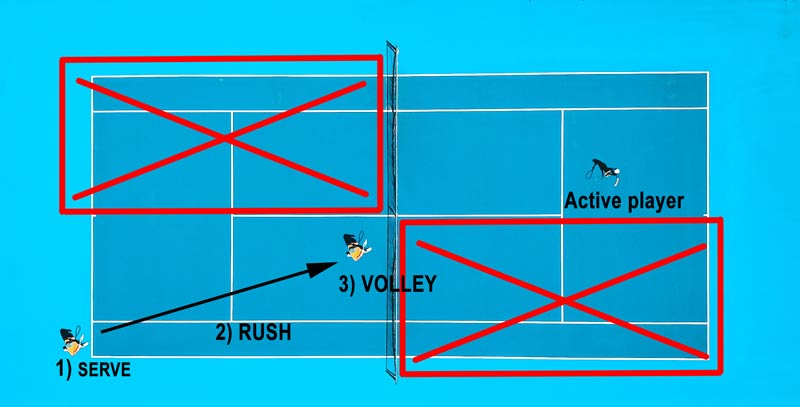
What “intermediate” means and how to train like it
Intermediate players keep the ball low, use spin, and hold the kitchen line. They can dink for long rallies and place serves deep. Yet they still struggle with resets, footwork under pressure, and when to drive or drop.
Your goal now is consistency with intent. You should build repeatable patterns and clear choices. Think control first, then speed. The pickleball drills for intermediate players below focus on decisions, not just strokes. They help you win the “boring” points that decide matches.
Warm-up and footwork foundation
A good warm-up protects your joints and sharpens timing. Keep it short and focused.
Do this in 8 minutes:
- Jog the lines and side shuffle. Two minutes total.
- Dynamic moves. Leg swings, arm circles, hip openers, ankle rolls.
- Split-step rhythm. Small hops to a split-step on a clap.
- Shadow patterns. Serve, move in, split-step, and stop at the kitchen.
Footwork cues:
- Land on the split-step as your opponent hits.
- Stay low through the shot.
- Recover with small steps, not big leaps.
Personal tip: I film feet, not strokes, for the first drill set. Most errors start in the legs.

Dinking control and patterns
Dinks will set the tone of the rally. Aim for a soft arc that lands near the kitchen line.
Core drills:
- Cross-court dink to target. Use two cones. Hit 20 balls to each cone without popping up.
- Volley dink exchange. Stand at the line. Keep it under net height. Count clean hits.
- Pattern: three dinks, then a speed-up. After three safe dinks, one player speeds up to the right shoulder. Partner blocks back cross-court, then reset to dinks.
Coaching cues:
- Paddle out front. Wrist quiet.
- Contact in front of your knee.
- Shape the ball with a smooth brush, not a jab.
Game goal: Hold 20-ball dink rallies before you add attacks.
Third shot drop and drive decisions
At this level, you need both. Use the drive when returns are short or floating. Use the drop when returns are deep and heavy.
Drills:
- Drop ladder. From baseline, hit 10 drops cross-court. Step in to midcourt for 10 more. Finish with 10 from inside the baseline. Track makes that land within two feet of the kitchen line.
- Drop and follow. Drop, move to the transition zone, reset the next ball, and finish at the line.
- Drive-read. Partner returns deep. You drive the third. If the block comes high, counter. If low, reset dink. Repeat with a simple call: “counter” or “reset.”
Success cues:
- Apex of the drop should be on your side of the net.
- Land at the opponent’s feet.
- If your drop floats, add more spin and less height.
Personal note: I improved my drops by slowing the swing. I told myself, “Lift the ball, do not push it.”

Transition zone resets
The midcourt is where rallies go to die. Train calm hands and soft pockets.
Drills:
- Two-line reset. Feeder at the kitchen fires balls at your feet while you stand in the transition zone. Your goal is a soft reset to the kitchen. Do 50 balls.
- Move and reset. Start at baseline, hit a drop, take two steps in, and the feeder fires to your body. Reset, step in, and hold the line.
Cues:
- Loose grip, 3 out of 10 pressure.
- Slight open face. Absorb pace.
- Aim middle to reduce risk.
Key goal: Win the battle to the kitchen, not the rally from the baseline.

Volleys, blocks, and counters at the kitchen line
Winning at the line is about reaction time and ball height. Practice fast hands and safe targets.
Drills:
- Block wall. Partner drives from midcourt. You block to the middle third. Count 30 clean blocks without pop-ups.
- Counter-box. Place a towel target on each sideline. Partner speeds up. You block to the body or middle, then pick a sideline counter if the next ball floats.
- Hand-speed ladder. Quick mini-volley rally at the line. Increase pace every 10 balls.
Cues:
- Short backswing.
- Paddle up and in front.
- Finish to your target, not through it.

Serve, return, and 5th shot plan
The point starts with placement. Depth wins. Spin helps.
Drills:
- Serve to corners. Hit 10 serves to the deuce corner, then 10 to ad. Aim one foot from the line. Track first-serve depth.
- Return deep and hold. Return to the back third. Move in to the kitchen line and split-step before the third shot. Do 30 reps.
- 3–5 plan. Serve deep, expect a deep return. Opponent drives or drops. You prepare a 5th shot drop to the feet and then take the line.
Cues:
- Serve high margin. Net misses cost free points.
- Return cross-court more often. You get more time.
- Say the plan out loud: “Deep, on time, to feet.”

Spin and roll control
Spin without control is chaos. Build spin that lands.
Drills:
- Topspin roll targets. From the midcourt, roll to a cone near the backhand. Keep the net clearance steady. Do 30 rolls each side.
- Underspin slice return. Slice the return deep cross-court. Hold the finish. Track depth with markers.
- Roll-to-reset. Roll a speed-up. Partner blocks to your feet. You reset soft to the kitchen.
Cues:
- For topspin, brush up and finish above the shoulder.
- For slice, a smooth, shallow path. No chopping.
- Keep eyes level through contact.

Pattern play and smart strategy
Pickleball is a patterns game. Build plays, not guesses.
Useful patterns:
- Backhand target. Dink and drop to the weaker backhand. Wait for a float, then finish middle.
- Middle wins. In fast hands, play middle first. Cut the angle and reduce errors.
- Two-up vs one-up. If you are both at the line and one rival lags, attack the gap at their feet.
Scenario drills:
- Pattern scrimmage. Choose one pattern for 10 rallies. For example: two cross-court dinks, then an inside-out speed-up.
- Pressure set. Start each rally at 8–8. Play to 11 using one set play.
Mindset cue: Boring wins. Force the extra ball. Then take the gift.
Solo wall and at-home pickleball drills for intermediate players
You can improve without a partner. The wall never gets tired.
Solo ideas:
- Wall dinks. Stand 8–10 feet away. Keep the ball below tape height on the wall. Aim for 50 in a row.
- Wall volleys. Paddle up. No backswing. Count clean hits.
- Shadow drops. Mark a “net” line on the ground. Shadow the drop footwork with a smooth lift.
Gear hacks:
- Use painter’s tape to mark targets.
- A foam ball helps with control in small spaces.
Weekly practice plan for pickleball drills for intermediate players
Use a simple structure. Keep sessions short and sharp.
Sample 75-minute plan:
- Warm-up and footwork. 10 minutes.
- Dinks and patterns. 15 minutes.
- Third shot drops and drives. 15 minutes.
- Transition resets. 10 minutes.
- Volleys and counters. 15 minutes.
- Serve, return, and game points. 10 minutes.
Tracking:
- Count unforced errors per drill.
- Track drop success rate to the kitchen.
- Record serve depth and first-serve percentage.
I ask players to keep a tiny log. If numbers improve, wins follow.
Common mistakes in pickleball drills for intermediate players and fixes
Frequent issues:
- Over-swinging on volleys. Fix with a short set position and a slower block.
- Late split-step. Time your split as the hitter swings, not after.
- Floating drops. Add spin and lift with legs, not hands.
- Predictable attacks. Change depth, spin, and target the body or middle.
- Drilling without feedback. Film 30 seconds. Adjust one cue at a time.
Mindset traps:
- Chasing power before control.
- Avoiding your weaker wing in practice.
- Skipping footwork work. Your feet write the story.
Safety, recovery, and gear that helps
Take care of your body first. Good training needs rest.
Tips:
- Use court shoes with lateral support. Running shoes can cause slips.
- Warm down with calf and hip stretches. Two minutes is enough.
- Hydrate and add light carbs with protein after long sessions.
Helpful gear:
- Low-compression balls for control drills.
- A simple metronome app to pace hands drills.
- Cones and tape for targets and lines.
Frequently Asked Questions of pickleball drills for intermediate players
How often should I practice pickleball drills for intermediate players?
Aim for three focused sessions a week. Keep drills short and intense, then finish with games to apply skills.
What are the best solo pickleball drills for intermediate players?
Wall dinks, wall volleys, and shadow drops are great. Add serve targets and return footwork with markers.
How do I know if my third shot should be a drop or a drive?
If the return is short or high, drive. If it is deep and heavy, drop and move in.
How can I improve hand speed at the kitchen?
Do mini-volley rallies and block drills with rising pace. Keep your paddle up and shorten your backswing.
What targets should I aim for during dinks and resets?
Aim at the feet, the middle, and the backhand corner. These targets reduce angles and force errors.
Conclusion
You do not need more shots. You need cleaner choices, steadier hands, and better footwork. Build those skills with simple, repeatable pickleball drills for intermediate players, and you will feel calm in big points.
Start with one drill per section this week. Track your numbers. Share your progress or questions in the comments, and subscribe for new drill plans and practice checklists.