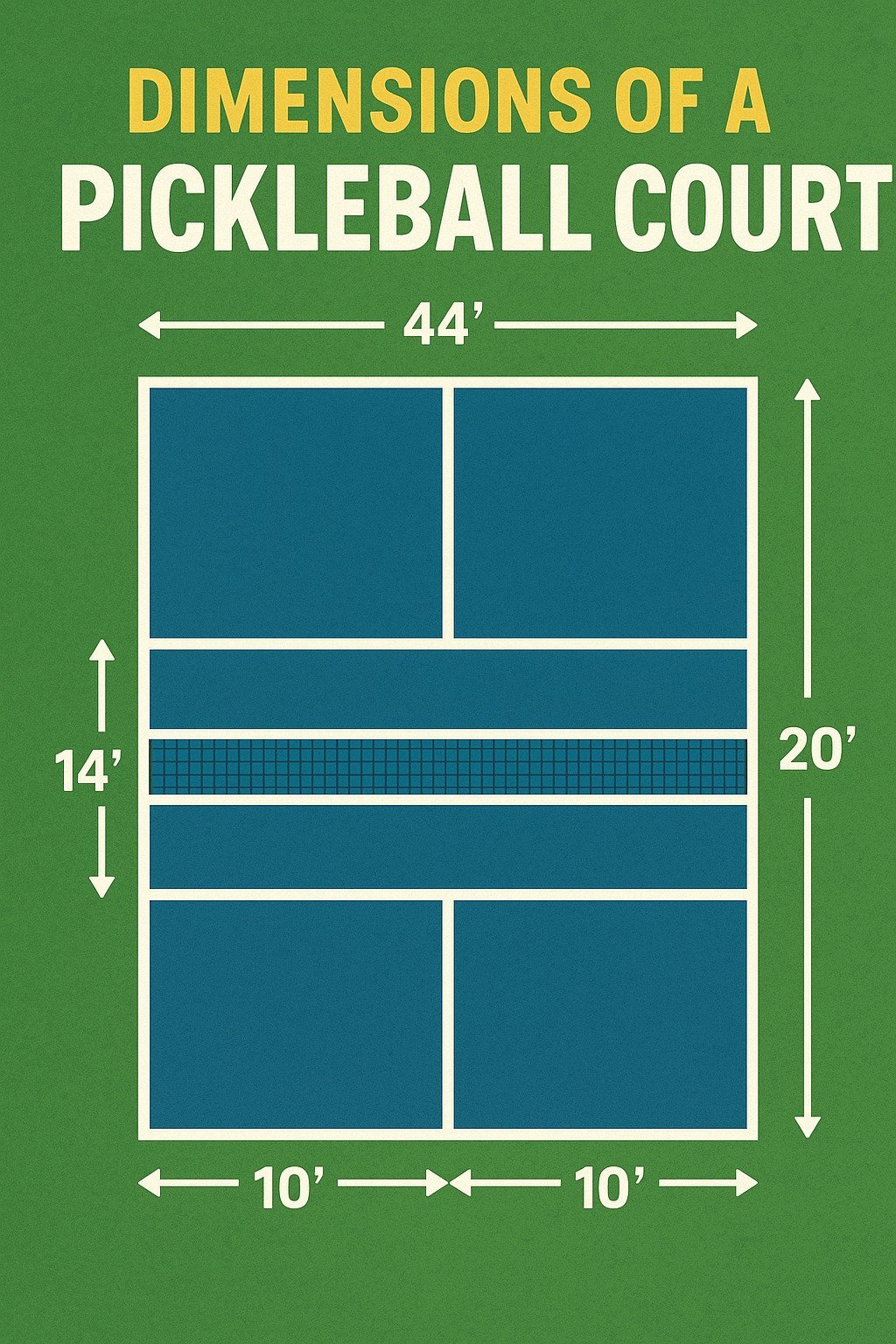
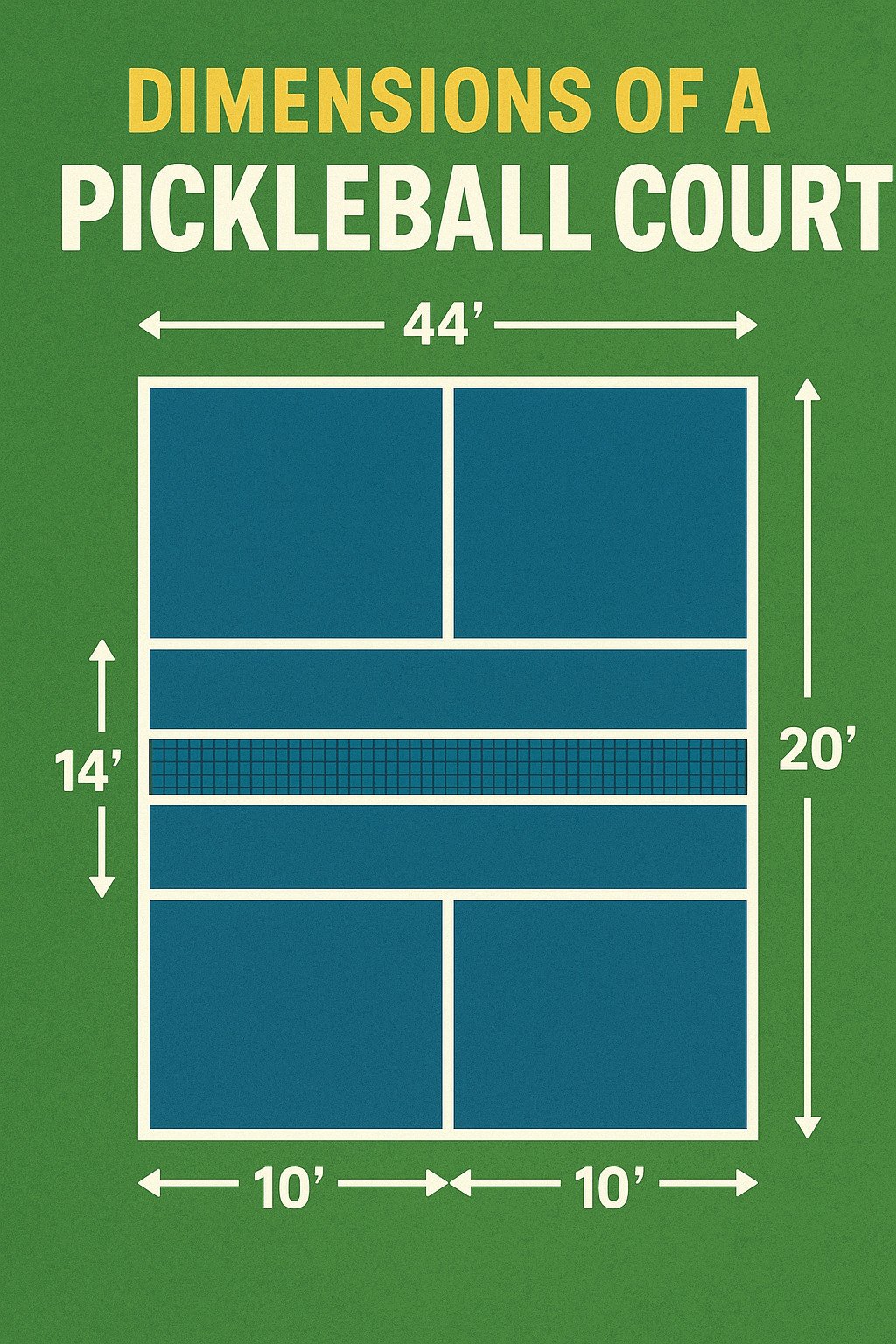
A pickleball court is 20 feet by 44 feet with a 34-inch center net.
If you want a court that plays right and feels safe, you need exact numbers. I’ve laid out and measured many courts, indoors and out. This guide breaks down pickleball court dimensions in plain language, with pro tips you can use today. Whether you’re building a backyard setup or marking lines in a gym, you’ll get the right specs, the right clearances, and fewer headaches.
Standard pickleball court dimensions at a glance
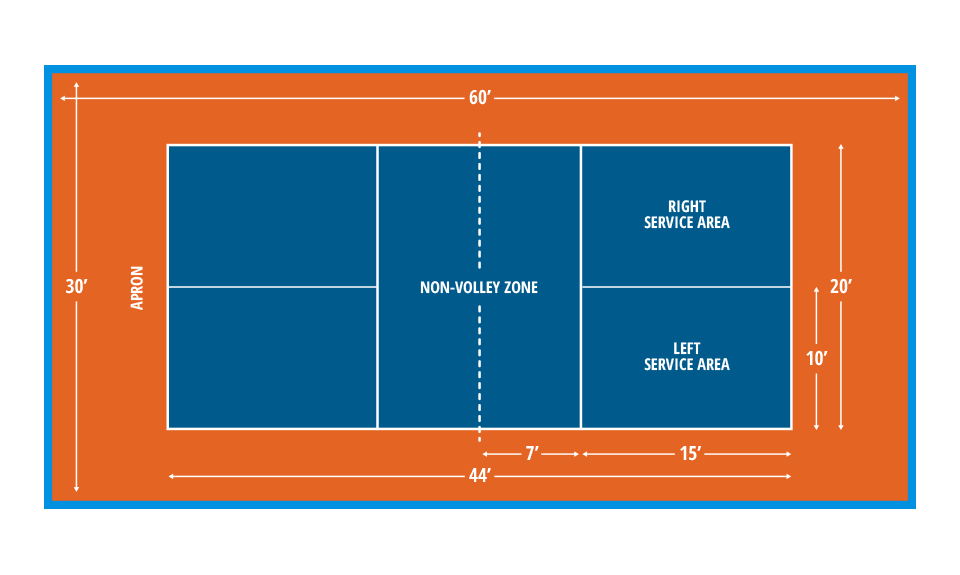
A regulation pickleball court is the same size for singles and doubles. Every inch matters for fair play and safe movement.
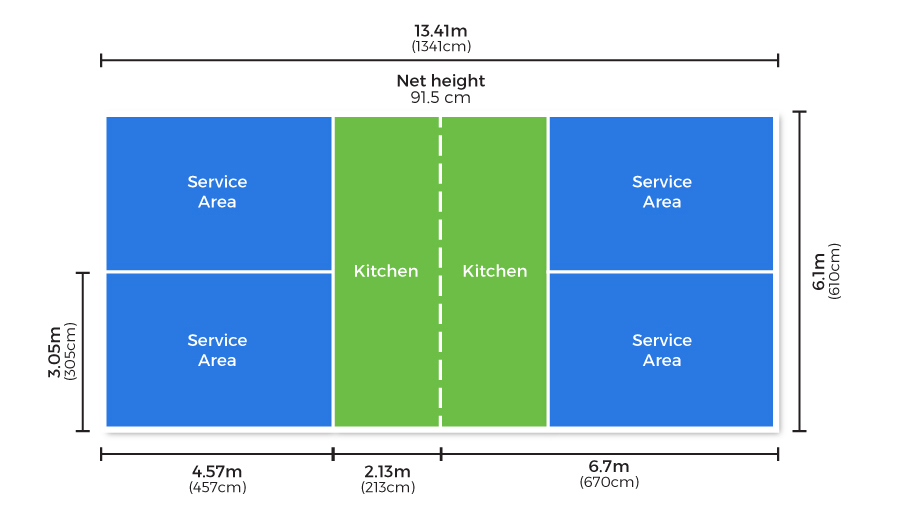
- Court size is 20 feet wide by 44 feet long.
- Half court is 10 feet by 44 feet, split by the centerline and non-volley zone.
- Net height is 36 inches at the posts and 34 inches at the center.
- Non-volley zone, called the kitchen, is 7 feet from the net on each side.
- Service boxes are 10 feet wide by 15 feet deep each.
These are the official pickleball court dimensions used in league and tournament play. If you stick to these numbers, your court will feel right from the first serve.

The non-volley zone, service boxes, and lines
The non-volley zone is the heartbeat of the game. It creates soft-play battles and limits net smashes.
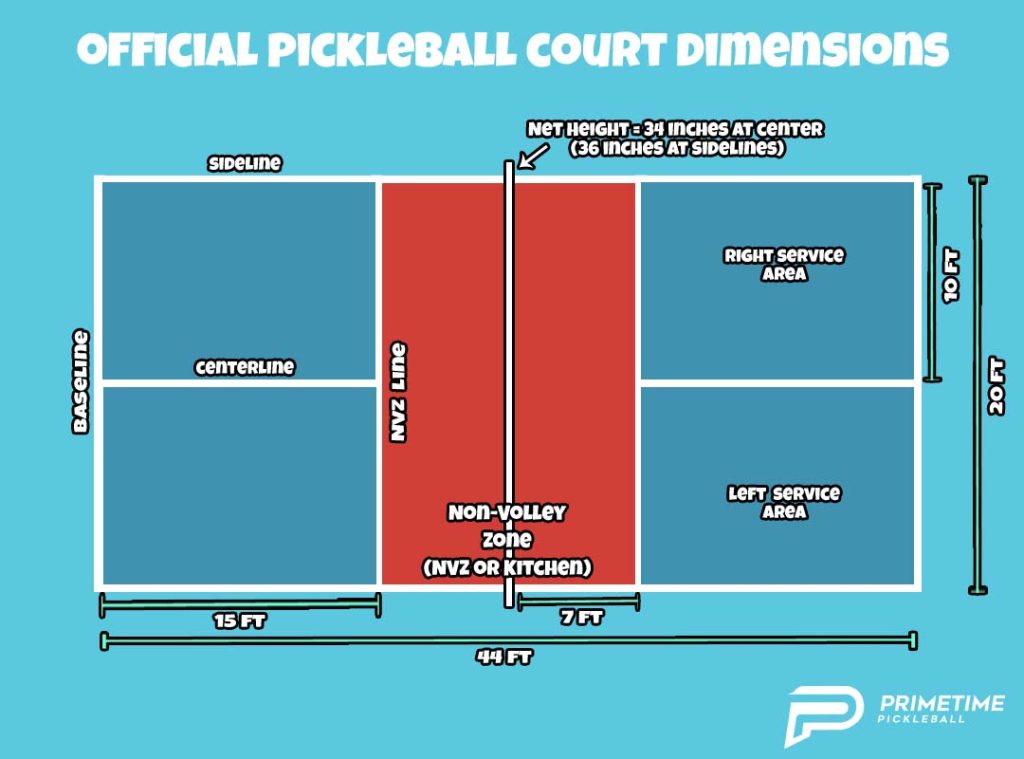
- The kitchen is 7 feet deep from the net on both sides.
- You may enter the kitchen only after the ball bounces.
- The kitchen line is part of the kitchen.
Service areas are simple once you see them in real life.
- From the kitchen line to the baseline is 15 feet.
- The centerline splits this area into right and left service courts.
- Each service box is 10 feet by 15 feet.
Lines should be sharp and easy to see.
- Line width is 2 inches.
- All lines are in-bounds, except the kitchen rules noted above.
- Use high-contrast paint or tape for clean edges and good visibility.
Net height, posts, and center strap
The net setup is small but crucial. Even a half inch can change ball flight and volleys.
- Net height is 36 inches at each post and 34 inches at the center.
- A center strap helps hold the 34-inch middle height.
- Standard portable nets span 22 feet, placing posts just outside the sidelines.
Make sure the bottom of the net sits close to the court. Big gaps let balls roll under and slow play.
Total play area and safety clearances
Pickleball court dimensions cover the painted lines. Safe play needs space around them.
- Minimum total play area is 30 feet by 60 feet.
- Preferred play area is 34 feet by 64 feet.
- That gives about 7 feet on each side and 10 feet beyond each baseline in the preferred layout.
If you plan events or coach juniors, go with the larger footprint. It reduces collisions, saves ankles, and feels less cramped.

Indoor vs outdoor layouts and lighting
Pickleball court dimensions do not change indoors. But space and lighting do change how it feels.
- For outdoor courts, aim for a north–south orientation to reduce glare.
- For indoor courts, target 20–30 foot-candles of even light for casual play.
- Avoid hot spots and shadows that hide the ball in the air.
When space is tight, protect walls and posts with pads. Small safety upgrades prevent big injuries.

Surface, slope, and paint that meet the specs
Great courts start with a safe, even surface. Small flaws lead to bad bounces and sore knees.
- Asphalt or concrete base with a smooth finish works best.
- Add acrylic sport coatings for grip and ball visibility.
- Choose medium texture; too smooth is slippery, too rough eats balls.
Outdoors, plan for water.
- Build a gentle slope of about 1 percent for drainage.
- Keep water moving away from the court, not across it.
- Fix low spots that hold puddles after rain.
Use light, matte colors. Avoid glare. A dark green or blue with white lines is a classic, easy-to-see mix.
How to measure and mark a pickleball court step by step
Here is the fast method I use on every new layout.
- Mark the baseline. Snap a straight 20-foot line for the back edge.
- Square the court. Use a 3-4-5 triangle or a laser to make right angles.
- Measure length. From each baseline corner, run a 44-foot sideline toward the net.
- Add the net line. Connect the sideline ends to create the net line.
- Mark the kitchen. Measure 7 feet from the net line on each side and snap the kitchen lines.
- Split the service boxes. Run a centerline from the kitchen line to the baseline on both halves.
- Tape first, paint second. Test play with temporary tape. When it feels right, paint 2-inch lines.
Double-check every mark. If a measurement is off by an inch on one end, it can drift by more across the court.
Converting a tennis or basketball court to pickleball
You can fit several pickleball courts into a larger space with the right plan.
- One tennis court can hold up to four pickleball courts set crosswise.
- Use a 60 by 120 foot tennis pad to fit four 30 by 60 foot play areas.
- Stagger courts or add nets between them to cut down on ball interference.
On a full basketball court, one or two courts work well.
- Place the pickleball net across the width for best spacing.
- Use portable nets and color-coded lines to avoid confusion.
- Keep at least 3–5 feet from walls or bleachers for safety.
Be kind to multi-use players. Use different line colors so no one is lost during fast play.
Common mistakes I see and how to avoid them
I’ve helped fix many courts that felt “off.” These are the issues that pop up most.
- Kitchen measured wrong. People mark 6 or 8 feet by mistake. Always measure 7 feet from the net line.
- Net center not at 34 inches. Use a center strap and check with a tape measure before each session.
- No safety buffer. Players hit walls after lobs. Aim for the 34 by 64 foot preferred play area when you can.
- Slippery surface. Glossy paint looks nice but plays poorly. Choose a matte sport coating with grip.
- Crooked lines. Tiny angle errors add up. Square your corners and snap chalk lines before painting.
When in doubt, set a temporary court and play a few games. Your feet will tell you if the spacing is wrong long before your eyes do.
Example layouts and space-saving tips
Every site is different. These ideas help you fit true pickleball court dimensions into odd spaces.
- Backyard build. One 20 by 44 foot court with a 34 by 64 foot play area needs about a two-car garage worth of space plus buffers.
- Shared gym. Use removable floor tape in a unique color and add rolling nets. Store posts on wall hooks to clear the court fast.
- Tight corners. Add foam pads on fences or walls near baselines. Extend end buffers if side buffers are limited.
- Noise control. On shared sites, choose quiet paddles and low-noise balls. Install windscreens outdoors to cut sound and wind.
Small upgrades bring big gains in play quality and safety.
Frequently Asked Questions of pickleball court dimensions
What are the official pickleball court dimensions?
A regulation court is 20 feet wide by 44 feet long for both singles and doubles. The net is 36 inches at the posts and 34 inches at the center.
How big should the total playing area be?
The minimum play area is 30 by 60 feet. The preferred size is 34 by 64 feet for safer movement.
How deep is the non-volley zone (kitchen)?
The kitchen is 7 feet from the net on each side. The kitchen line counts as part of the kitchen.
What size are the service boxes?
Each service box is 10 feet wide by 15 feet deep. The centerline splits the right and left boxes.
Can four pickleball courts fit on one tennis court?
Yes, on a standard 60 by 120 foot tennis pad you can fit four 30 by 60 foot play areas. Use portable nets and clear line colors for best results.
Do pickleball courts for singles have different dimensions?
No, singles and doubles use the same 20 by 44 foot court. Only player count and strategy change.
What line width is recommended?
Lines should be 2 inches wide and high contrast. This improves visibility and consistent calls.
Conclusion
Pickleball court dimensions are simple on paper, but the details make the difference. Stick to a 20 by 44 foot court, a 34-inch center net, a 7-foot kitchen, and a 34 by 64 foot preferred play area. Measure twice, test with tape, and then paint with care.
If you are planning a new court, start with a chalk layout and play a few points. Your game will confirm the setup before you commit. Want more guides like this? Subscribe for updates, ask a question in the comments, or share your build plan so we can help you dial it in.