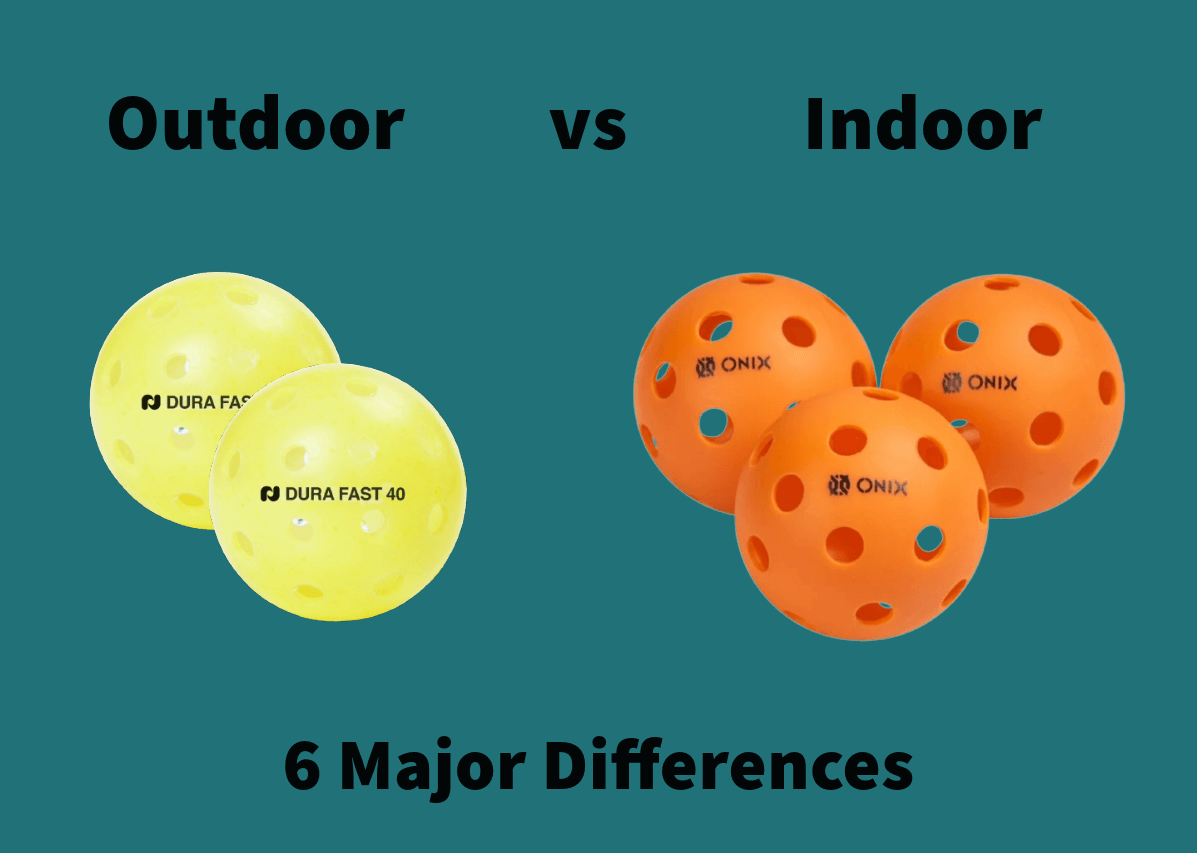
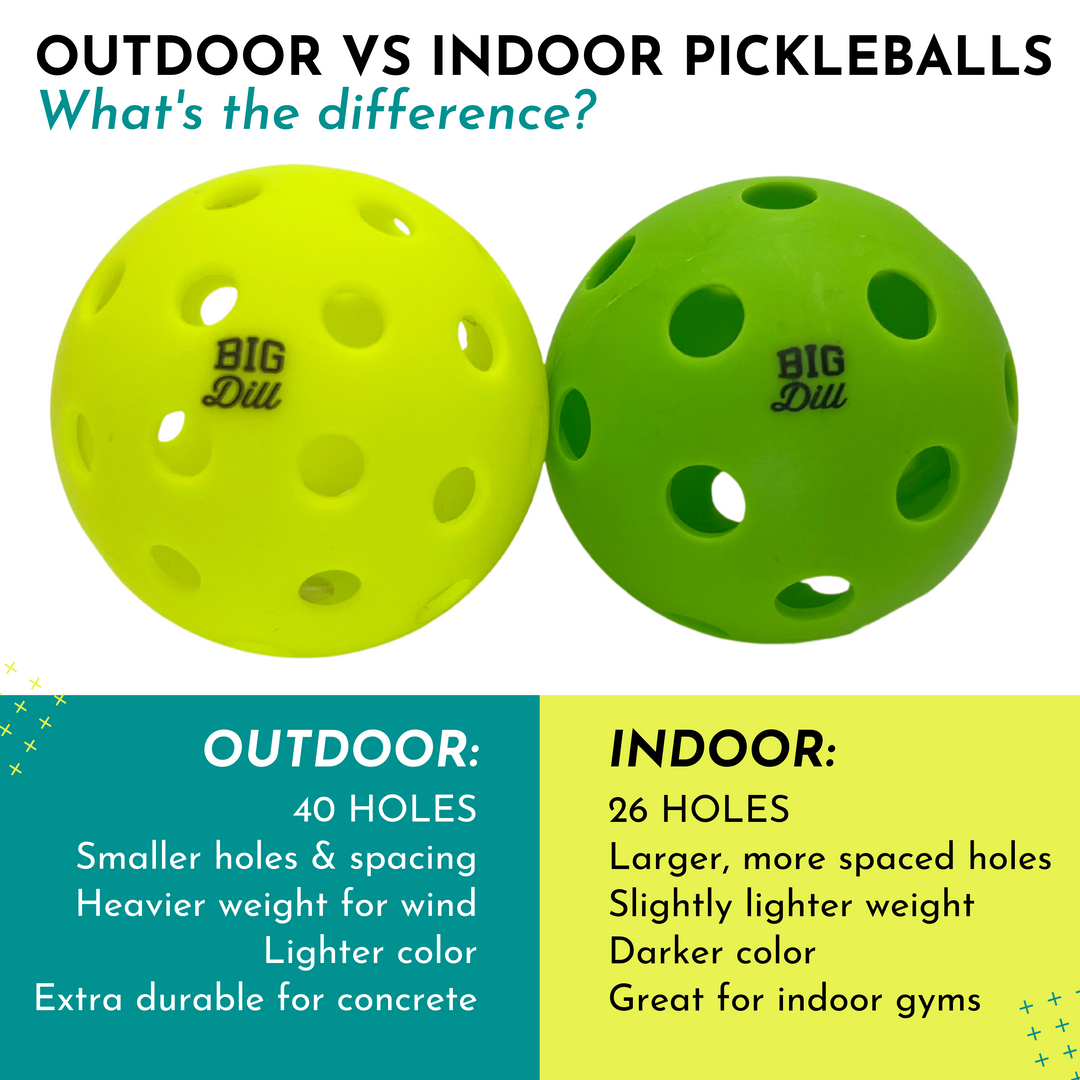
Indoor balls are softer with 26 larger holes; outdoor balls are harder with 40 smaller holes.
If you want true control over your game, you must understand pickleball balls indoor vs outdoor. I’ve coached players through gear choices for years, and the ball is the biggest upgrade most people miss. In this guide, we’ll dig into how each ball type is built, how they play, and how to choose the right one for your court, skill level, and goals. By the end, you’ll feel confident picking and caring for the ball that matches your style.
What Makes Indoor and Outdoor Pickleball Balls Different?
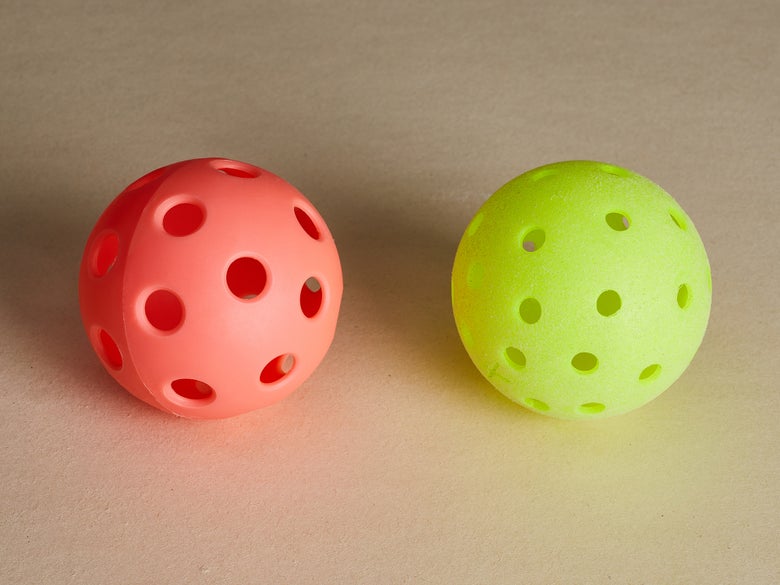
Indoor balls are softer, lighter, and have fewer but larger holes. They grip gym floors well and offer easy control and more touch. Outdoor balls are harder, heavier, and use more, smaller holes to cut wind. They fly faster, bounce truer on rough courts, and feel more intense.
Here’s a quick snapshot you can trust from real play:
- Indoor: 26 larger holes, softer feel, more spin and control, quieter.
- Outdoor: 40 smaller holes, firmer feel, more speed and pop, louder.
- Result: Indoor rewards finesse. Outdoor rewards timing and footwork.
When people ask about pickleball balls indoor vs outdoor, I ask where they play, how they hit, and what feels fun. That simple filter saves money and raises confidence on court.
Construction, Specs, and Sanctioning Standards
Both ball types must fit within official specs to be approved for league and tournament play. The rulebook defines size, weight, bounce, and color standards. It also allows a range of hole counts, which is why indoor and outdoor designs both qualify.
Key specs you’ll see on approved balls:
- Diameter: about 2.87 to 2.97 inches
- Weight: about 0.78 to 0.935 ounces
- Holes: typically 26 for indoor, 40 for outdoor (both are legal)
- Color: must be a single, consistent color (high-visibility yellow or neon is common)
- Bounce and roundness: must pass consistency tests
These ranges keep play fair while allowing brands to tune feel. That’s why pickleball balls indoor vs outdoor can play very different even when both are approved.

Performance: Control, Spin, Speed, and Noise
Indoor balls bite the paddle more. You feel the ball sit on the strings (metaphorically) for a split second longer. That dwell time helps with topspin dinks, resets, and soft blocks. On slick gym floors, the softer shell stops skids and cuts mis-hits.
Outdoor balls reward clean contact. They are faster off the face, so early prep and compact swings matter. The smaller holes fight wind, helping lobs and drives hold their line. They are louder too, which some neighborhoods notice.
My on-court take: If you love cat-and-mouse kitchen play, indoor balls feel like home. If you live for drives, counters, and speed-ups, outdoor balls give that extra zip. This is the heart of pickleball balls indoor vs outdoor.

Durability, Weather, and Court Conditions
Heat, cold, and surface grit change how long a ball lasts. Outdoor balls tend to crack along the seam, especially in cold weather. Indoor balls rarely crack but can go soft or “egg” out of round after many sessions.
Helpful notes from testing across seasons:
- Cold days: Outdoor balls become brittle and crack faster. Rotate often.
- Hot days: Outdoor balls get livelier and may skid more on smooth courts.
- Gym floors: Indoor balls keep shape longer but can get shiny and slick with dust.
- Asphalt and concrete: Outdoor balls keep a truer bounce if you avoid deep cracks or debris.
Keep a few fresh balls in your bag. You will feel the difference. For pickleball balls indoor vs outdoor, weather is a real factor in how they age.

How to Choose: A Simple Decision Guide
Start with where you play most. That single choice informs everything else. Then match the ball to your style and goals.
Use this quick guide:
- Mostly indoor gym play: Choose a 26-hole indoor ball for control and touch.
- Mostly outdoor asphalt or concrete: Choose a 40-hole outdoor ball for speed and wind stability.
- You prefer slower rallies and soft hands: Go indoor style, even for drills outside on calm days.
- You prefer pace and drive-heavy sets: Go outdoor style.
- You compete in events: Use the event’s posted ball to train. That is the best prep.
When in doubt about pickleball balls indoor vs outdoor, match the ball to the court first, then your skill plan second.

Care, Storage, and Testing for Best Play
Good care boosts performance and saves money. Keep balls out of extreme heat or cold. A car trunk is the worst spot.
Practical steps I share with players:
- Store at room temperature in a ventilated bag.
- Wipe dust off indoor balls with a dry towel for better grip.
- Spin-test on a flat surface. If the ball wobbles, retire it from matches.
- Warm up with your match ball for a few minutes, so it “settles in.”
- Label practice balls. Save the freshest for league or tourney play.
Simple habits like these stretch the life of pickleball balls indoor vs outdoor.

Popular Balls to Try and Why They Stand Out
You do not need to chase every new model. Start with proven, approved balls that match your court. Then test one or two options to fine-tune feel.
Good starting points:
- Outdoor 40-hole: Franklin X-40 for balanced play and durability.
- Outdoor 40-hole: Dura Fast 40 for max speed and pro-level pace, but shorter life.
- Indoor 26-hole: Franklin X-26 for consistent touch and spin.
- Indoor 26-hole: Onix Fuse Indoor for a softer feel on slick floors.
- Practice-only: Use older balls for serves and footwork drills to save your best ones.
Testing side by side is the best teacher for pickleball balls indoor vs outdoor.
Common Mistakes to Avoid with pickleball balls indoor vs outdoor
- Using indoor balls outdoors on windy days. The large holes catch air and drift.
- Using cracked outdoor balls for games. They play dead and cause mishits.
- Leaving balls in a hot or freezing car. Heat warps; cold cracks.
- Training with one brand, competing with another. Always prep with the match ball.
- Ignoring court type. Dusty gyms and gritty asphalt need different ball feels.
- Not rotating balls. Spread wear so your “game” ball stays reliable.
These habits fix 90% of ball complaints I hear about pickleball balls indoor vs outdoor.

Frequently Asked Questions of pickleball balls indoor vs outdoor
Can I use indoor balls outside if the weather is calm?
You can, but expect more float and less stability in any breeze. The larger holes can move even with light wind, so it is not ideal for matches.
Why do outdoor balls crack more often?
They use harder plastic to handle rough surfaces and speed. In cold weather, that plastic gets brittle and cracks sooner.
Which ball type is better for beginners?
Indoor balls feel slower and offer more control. That makes learning strokes and soft hands easier.
Are indoor and outdoor balls the same size?
Both meet the same size range, but shell hardness and hole patterns differ. That is why they feel so different even when the size looks the same.
How many games does a ball last?
It varies by brand, temperature, and play style. Outdoor balls might last a few sessions, while indoor balls can go longer before they feel too soft.
Do tournaments specify the exact ball?
Yes, events list the approved model. Train with that ball to match timing and bounce.
Are there quieter balls for noise-restricted areas?
Indoor balls are generally quieter due to the softer shell. They help reduce paddle pop and echo on gym floors.
Conclusion
Picking the right ball changes how the game feels, sounds, and flows. Match ball type to your court first, then tune for speed or touch. Test a few models, rotate your set, and prep with the ball you will compete with.
Try one small change this week: bring one indoor and one outdoor option to your next session and compare. If this guide helped, subscribe for more gear tips, share it with your doubles partner, or drop a question in the comments so we can help you dial in your setup.