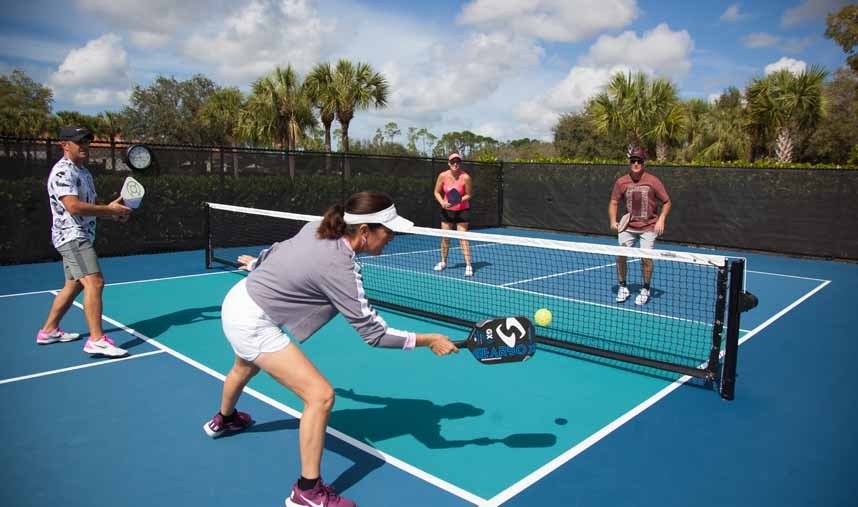
Pickleball is a fast, social paddle sport that blends tennis and ping-pong.
If you’re curious about pickleball and want clear, pro-level advice in plain language, you’re in the right place. I coach new and league players, and I’ve tested gear, drills, and strategy on real courts. This guide covers rules, court basics, paddles, training, fitness, and tournament play, plus tips I wish I had on day one. Stick with me, and you’ll be game-ready fast.
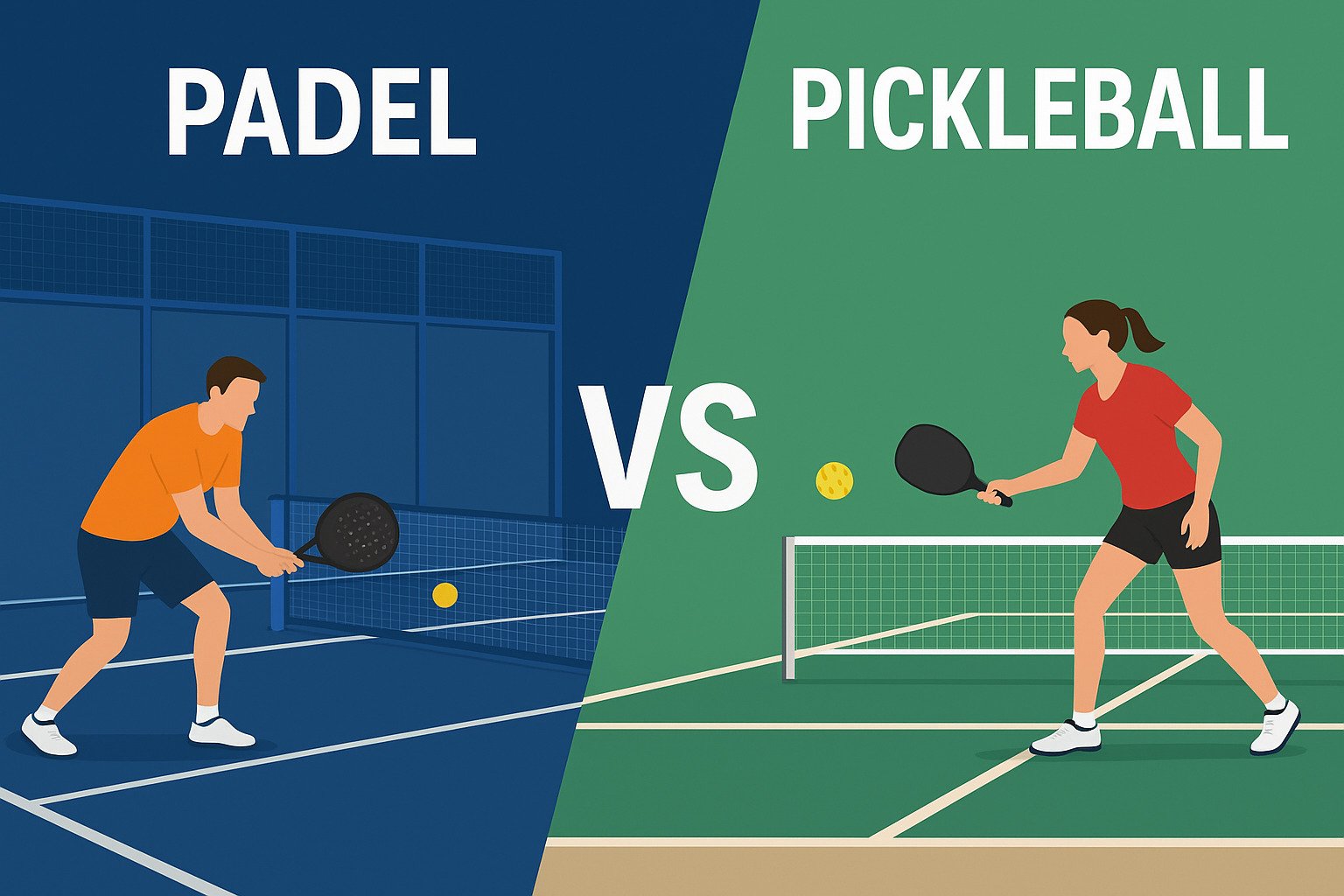
What Is Pickleball and Why It’s Exploding
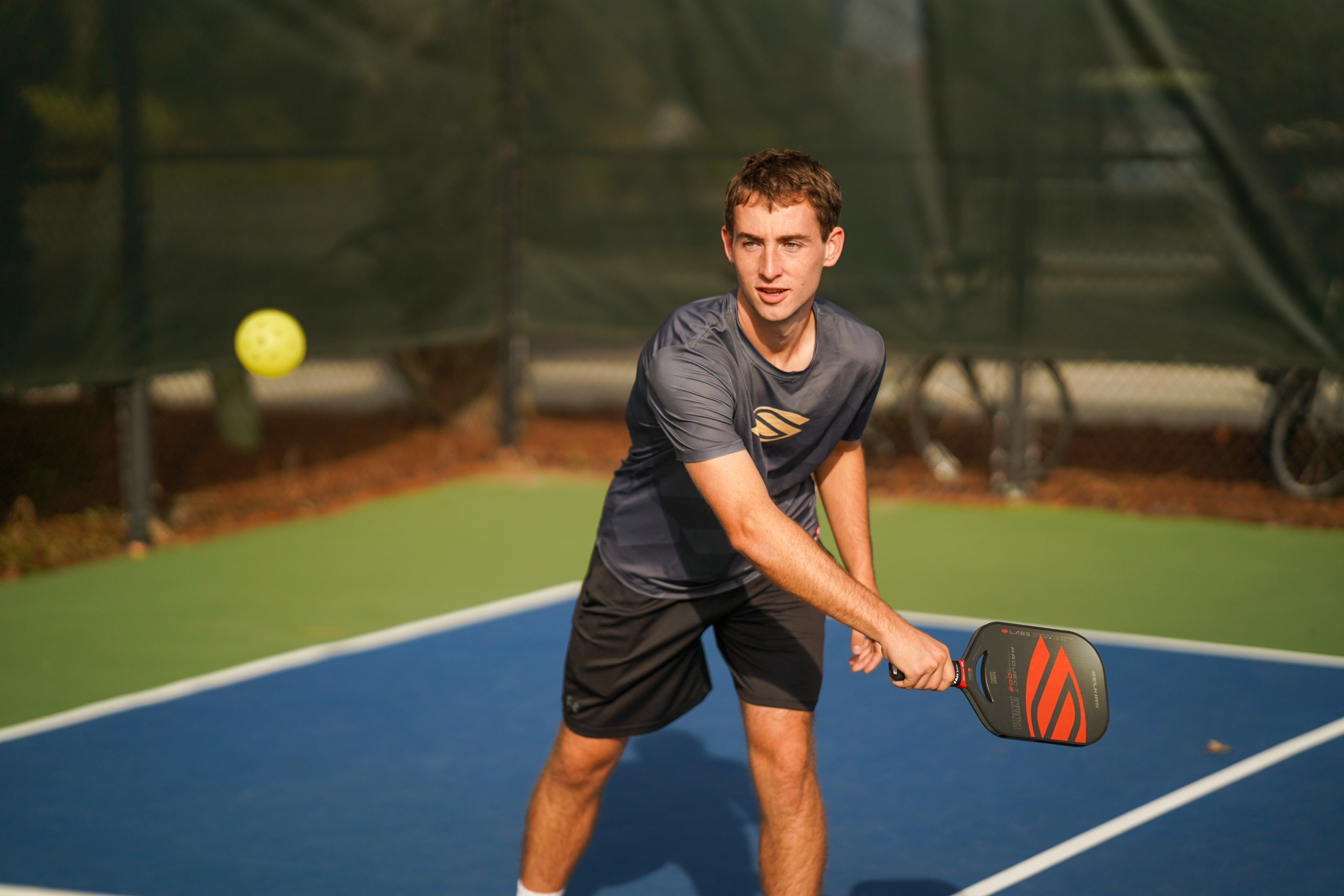
Pickleball is easy to learn and hard to master. You play on a small court with a paddle and a plastic ball. It works for all ages and fitness levels. The game is social, quick, and very fun.
The sport began in 1965 on Bainbridge Island, Washington. Three dads made it as a backyard game. Today it has millions of players and new courts pop up each week. Cities, gyms, and clubs now run classes, leagues, and tournaments.
I love how fast you can join the action. New players score points on day one. That fast win builds joy and keeps you coming back. Pickleball brings people together like a neighborhood barbecue with a scoreboard.
Court, Lines, and Key Terms
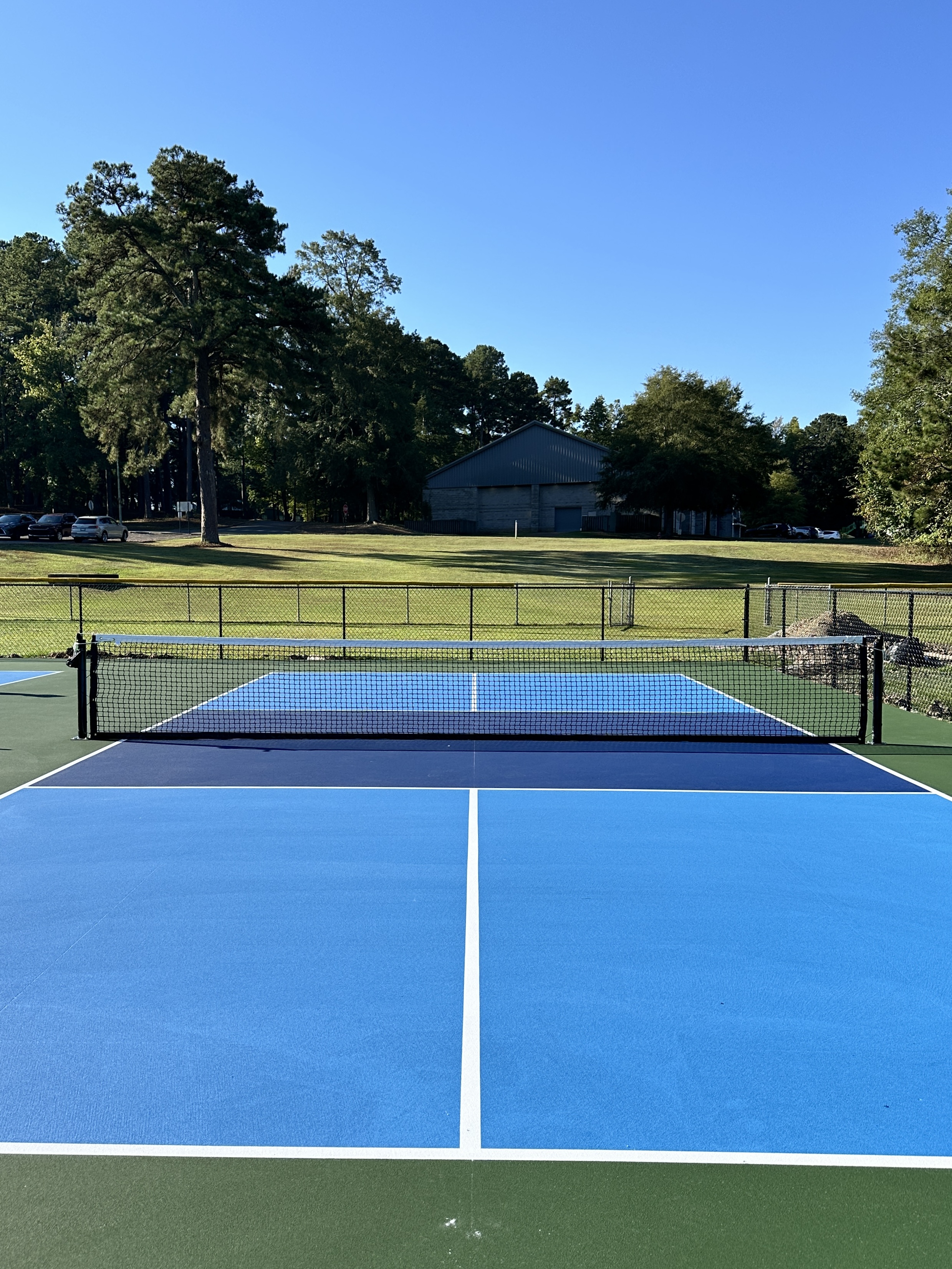
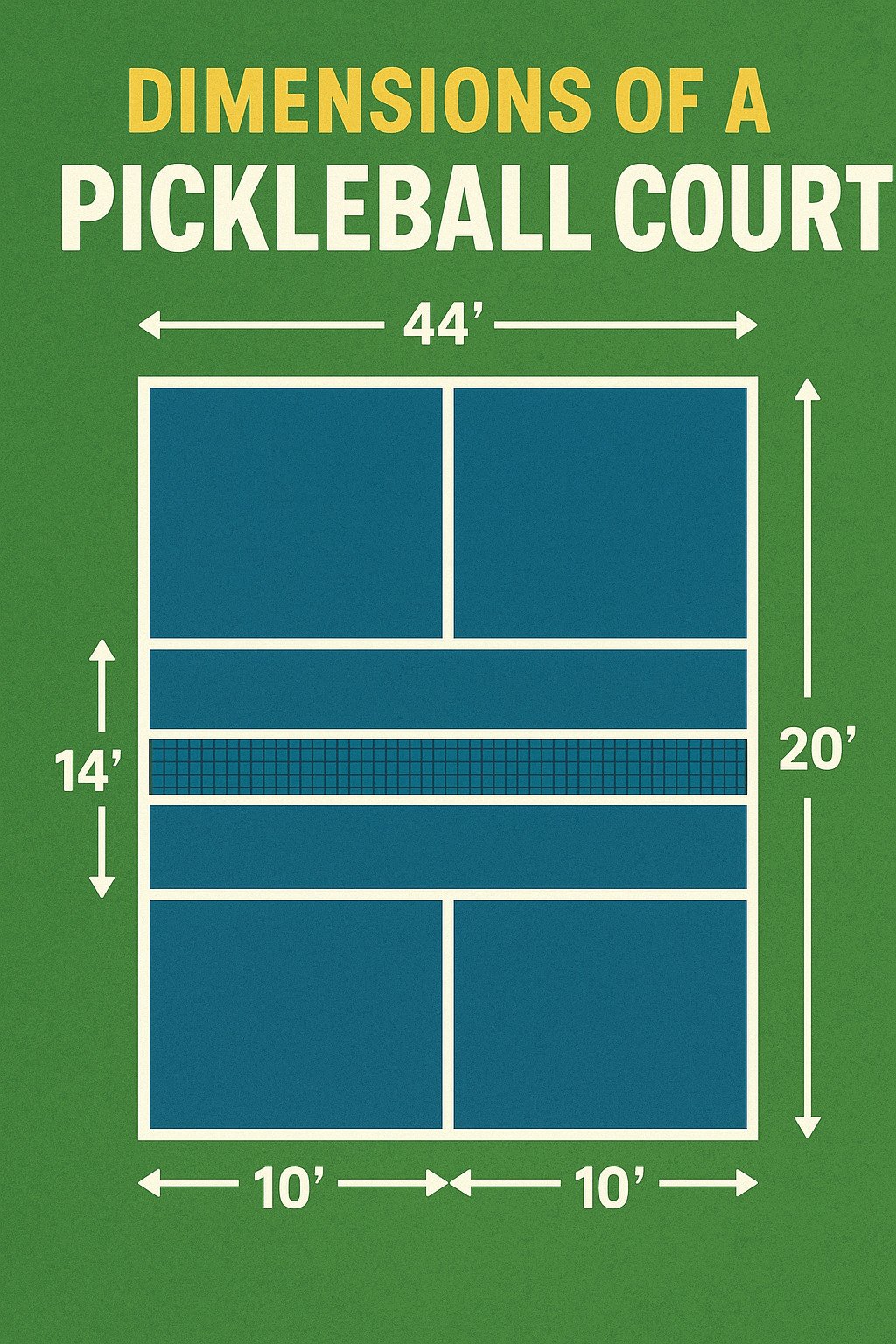
The court is 20 feet wide and 44 feet long. The net is 34 inches at the center and 36 inches at the posts. The non-volley zone, or kitchen, runs 7 feet from each side of the net. You cannot volley while touching the kitchen.
Key terms:
- Dink: A soft shot that lands in the kitchen.
- Drive: A firm, flat shot that stays low.
- Drop: A soft shot from the back that lands near the kitchen line.
- Third shot: The shot after the serve and return. Often a drop.
- Reset: A calm, soft shot that slows a fast rally.
- Erne: A volley hit while jumping outside the sideline near the kitchen.
- Stacking: A doubles setup to keep player strengths on the best side.
I lay painter’s tape when teaching on a tennis court. You can tape a 20×44 area across the width of a tennis court. It is a cheap way to start in areas with no marked pickleball lines.
Rules and Scoring Made Simple
The serve is underhand. Contact is below your waist. At least one foot is behind the baseline. Serve cross-court into the box. There are no let serves. If the ball clips the net and lands in, it counts.
The two-bounce rule keeps the game fair. The serve must bounce. The return must bounce. After that, you can volley or hit off the bounce. Do not volley while in the kitchen or on its line.
Only the serving side scores with standard scoring. Games often go to 11 and you must win by 2. In doubles, both partners serve before a side-out, except the first service turn of the game. Many rec games start at “0-0-2.”
Common faults:
- Hitting long or wide
- Volleying in the kitchen
- Serving to the wrong box
- Hitting the net and the ball not going over
Tip from the courts: Call the score loud before each serve. It keeps play clean and lowers disputes. It also helps you reset your focus.
Equipment Guide: Paddles, Balls, Shoes, and More
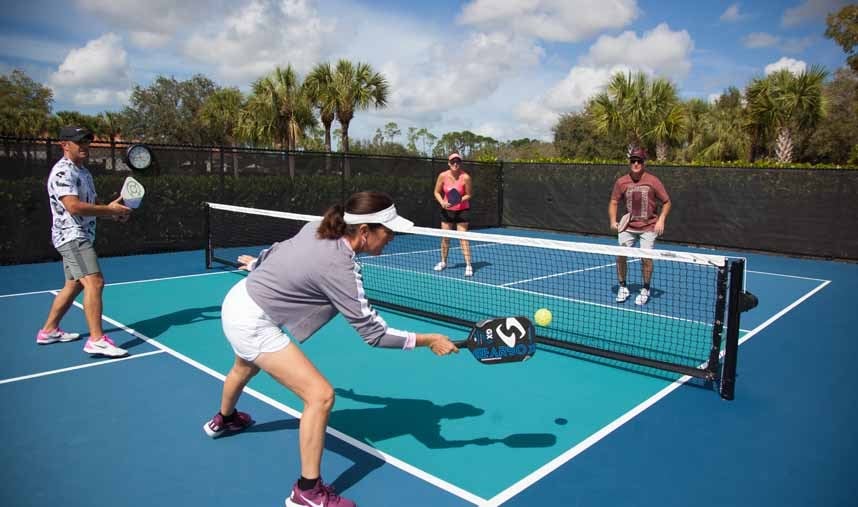
Pickleball paddles vary by weight, shape, face, and core. Wood is cheap but heavy. Composite is a great mid-price option. Graphite and carbon fiber offer control and pop.
What to look for:
- Weight: 7.3–8.5 oz. Lighter is faster. Heavier adds power.
- Grip: Match your hand size. A good grip prevents elbow pain.
- Shape: Elongated adds reach. Standard feels quick at the net.
- Face: Carbon fiber grips the ball for spin and soft control.
Balls have holes. Outdoor balls are harder with 40 holes. Indoor balls are softer with 26 holes. Buy two colors so you can track spin and flight.
Shoes matter more than you think. Use court shoes with stable sides and a flat tread. Running shoes can roll. I learned this the hard way with a sore ankle.
Nice-to-haves:
- Overgrips to keep paddles tacky
- Protective eyewear in crowded play
- A small bag with water, tape, and spare balls
How to Start Playing Pickleball: A Simple Roadmap
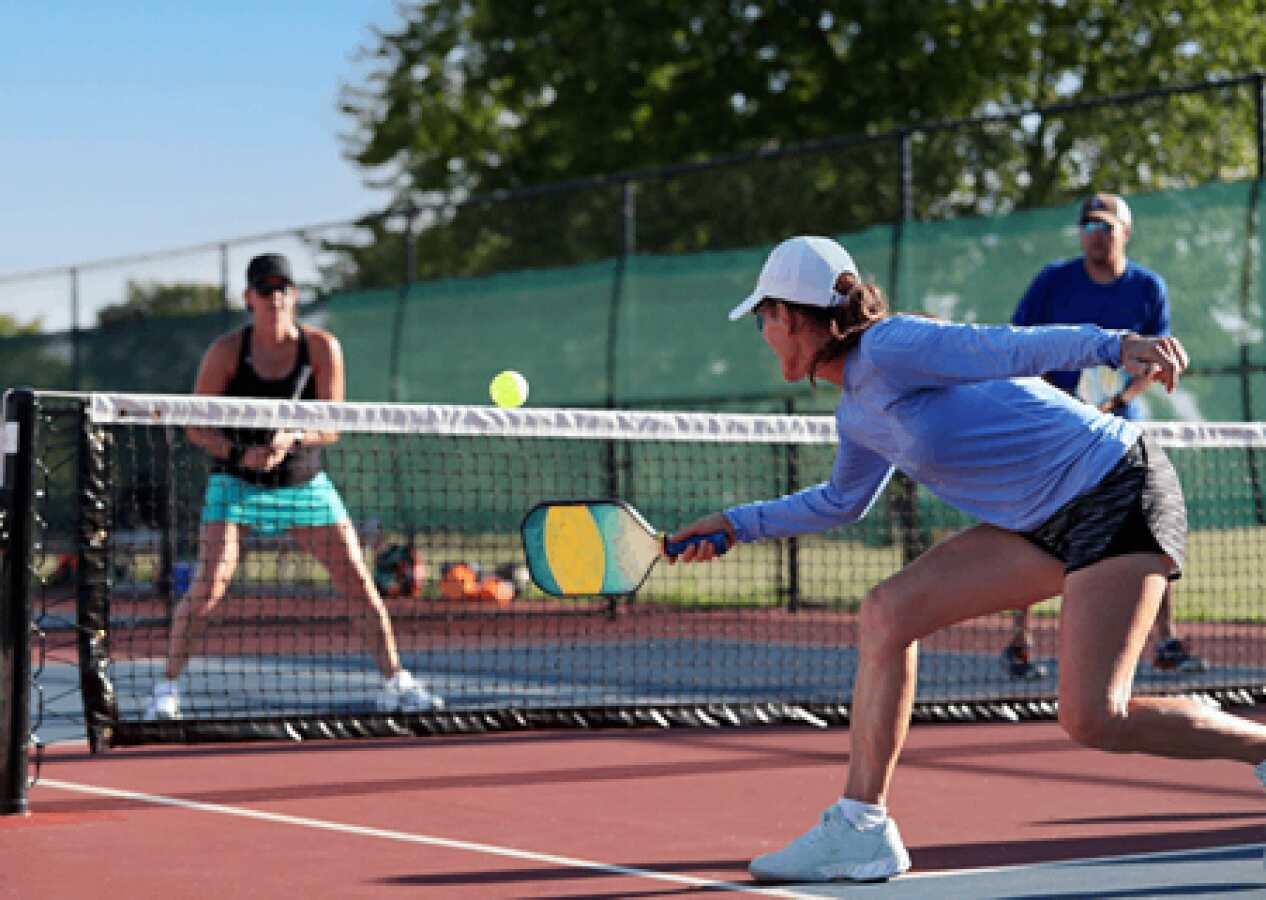
Begin with a warm-up. Jog, swing the paddle, and stretch calves and shoulders. Then do a 5‑minute dink rally near the kitchen.
First 30 minutes:
- Serve and return to targets
- Dink cross-court to build soft hands
- Third-shot drops from the baseline
First game plan:
- Keep serves deep
- Return cross-court deep to the backhand
- Move to the kitchen line as a team and hold that line
A 4-week starter plan:
- Week 1: 2 sessions. Learn serve, return, kitchen rules.
- Week 2: 2 sessions. Dinks and third-shot drops. Footwork to the line.
- Week 3: 2 sessions. Volleys, resets, and soft hands under pressure.
- Week 4: 3 sessions. Play short games to 7 and track errors.
Mistakes to avoid:
- Rushing the kitchen and volleying on the line
- Smashing every ball instead of aiming at feet
- Swinging big like tennis instead of using compact strokes
Technique and Strategy: Win More With Smart Play
Serving
- Aim deep and to the backhand.
- Add a simple target like the last two feet of the box.
- Keep a smooth, repeatable motion.
Return of serve
- Hit deep and give yourself time to reach the kitchen.
- Cross-court returns buy more margin over the low middle of the net.
Third-shot plan
- Mix drops and drives based on the return height.
- If the return is short, drive and follow to the line.
- If the return is deep, use a soft drop to the opponent’s backhand.
Dinking
- Aim at toes, not lines.
- Change pace. Soft, then a push.
- Clip the top of the net tape with safe height. Low is your friend.
Volleys and resets
- Use a calm, short block with little swing.
- Watch the ball to the paddle face. Quiet hands beat big swings.
- If you are in trouble, reset to the middle of the kitchen.
Doubles teamwork
- Move as one. Keep the line between you straight.
- Poach with a plan and say “mine” or “yours” early.
- Try stacking to keep forehands in the middle.
Singles tips
- Serve deep and attack short returns.
- Hit to space, not just to a side.
- Pace yourself. Singles footwork is a workout.
Health Benefits, Fitness, and Injury Prevention
Pickleball boosts heart health, balance, and reaction time. It mixes cardio with skill. You burn many calories per hour, often 350–600, based on pace.
Hot spots for injury include calves, Achilles, knees, and shoulders. You can play for years if you warm up. Add calf raises, hip work, and light shoulder bands.
Simple pre-court routine:
- 3 minutes of brisk walking
- Leg swings, arm circles, and ankle hops
- 20 light dinks and 10 soft volleys
Recovery basics:
- Cool down with slow walks and gentle calf and quad stretches
- Drink water with electrolytes on hot days
- Add two strength sessions per week for legs, core, and shoulders
I once skipped a warm-up and strained a calf. Ten minutes saved would have spared ten days off the court. Protect your body so you can enjoy more games.
Places to Play and Joining the Community
You can play pickleball at parks, gyms, schools, and clubs. Many cities post schedules online. Apps and local groups share open play times.
Court etiquette:
- Stack paddles to wait your turn
- Rotate in with a smile and say names at the start
- Call lines clearly and give benefit of the doubt on close balls
How to meet players your level:
- Ask a park host or group leader
- Join beginner or 3.0 nights
- Try round-robins for balanced matches
Host a friendly ladder:
- Invite 12–16 players
- Run games to 11, switch partners each round
- Track wins and point differentials for simple ranks
Competitive Play: Ratings, Formats, and Your First Tournament
Skill levels range from 2.0 for beginners to 5.0+ for advanced. Many events use UTPR or DUPR ratings. Local clubs also use house levels to place players.
Common formats:
- Round-robin for more games
- Pool play with playoffs
- Best two of three to 11, win by 2
Tournament tips:
- Arrive early, stretch, and hit a few drops and dinks
- Scout the kitchen line. Look for which opponent pops balls up
- Bring snacks, water, spare grips, and extra socks
Rally scoring shows up in some leagues, but most events still use side-out scoring. Read event rules before you play. It avoids surprises on the court.
Buying Your First Paddle: A Simple Checklist
Start with mid-weight, mid-price. It gives control with enough power. Ask to demo at a club or pro shop.
Checklist:
- Weight around 7.8–8.2 oz for balance
- Comfort grip size that matches your hand
- Carbon face if you like soft control and spin
- Solid edge guard and clean, even face texture
Budget path:
- Under $60: Learn the basics and upgrade in 3–6 months
- $80–$150: Best value for most players
- $150+ for top tech once your strokes are stable
Keep your old paddle as a backup. It can save a match if your main grip gets slick.
Glossary You’ll Hear on Court
- Kitchen: The non-volley zone near the net
- Reset: A soft shot to slow the pace
- ATP: Around the post shot outside the net post
- Erne: Volley while stepping outside the sideline near the kitchen
- Bert: Poach Erne in front of your partner
- Stacking: Doubles positioning to keep strengths aligned
- Third shot: The serve team’s next shot after the return
Learn these, and you’ll follow court chatter like a pro.
Frequently Asked Questions of Pickleball
What is pickleball in simple terms?
Pickleball is a paddle sport on a small court with a plastic ball. It blends parts of tennis, badminton, and ping-pong.
What are the basic rules I must know first?
Serve underhand cross-court, let the first two shots bounce, and avoid volleying in the kitchen. Only the serving team scores in standard play.
How big is a pickleball court and how high is the net?
The court is 20 by 44 feet. The net is 34 inches high at the middle and 36 inches at the ends.
What does “kitchen” mean in pickleball?
It is the non-volley zone close to the net. You cannot volley while touching it or its line.
How do I choose my first paddle?
Pick a mid-weight paddle with a comfy grip and a proven brand. Try a demo if you can, and avoid very heavy paddles at first.
Is singles very different from doubles?
Yes. Singles needs more speed and stamina and rewards depth and placement. Doubles rewards teamwork, soft hands, and smart court positioning.
How long does a game of pickleball last?
Most games to 11 last 10–20 minutes at the rec level. Tournaments can run longer due to warm-ups and scoring pace.
Conclusion
Pickleball is simple to start and rich with skill to grow. Learn the court, master soft shots, and build habits that protect your body. With the right paddle and a clear plan, you can enjoy fast progress and great friends.
Grab a paddle this week, try the drills, and play a few short games. Share your questions or wins, and subscribe for more weekly tips and gear tests.