The pickle ball serve is an underhand, cross-court start that sets up every point.
If you want steady wins, master the pickle ball serve. I’ve coached beginners and tuned up tournament players, and the serve is always the lever. In this guide, I’ll break down rules, technique, serve types, drills, and match strategy so you can build a legal, repeatable, and dangerous pickle ball serve without guesswork.
What Is a Pickle Ball Serve?
The pickle ball serve begins every rally. It is hit underhand from behind the baseline into the opposite diagonal service box. Your goal is simple: start the point on your terms. A solid serve is deep, legal, and consistent. Then you can force a weak return and own the next shot.
Serve Rules That Matter
You cannot out-serve the rulebook. Learn it first. These are the core items used on most courts under the USA Pickleball rules.
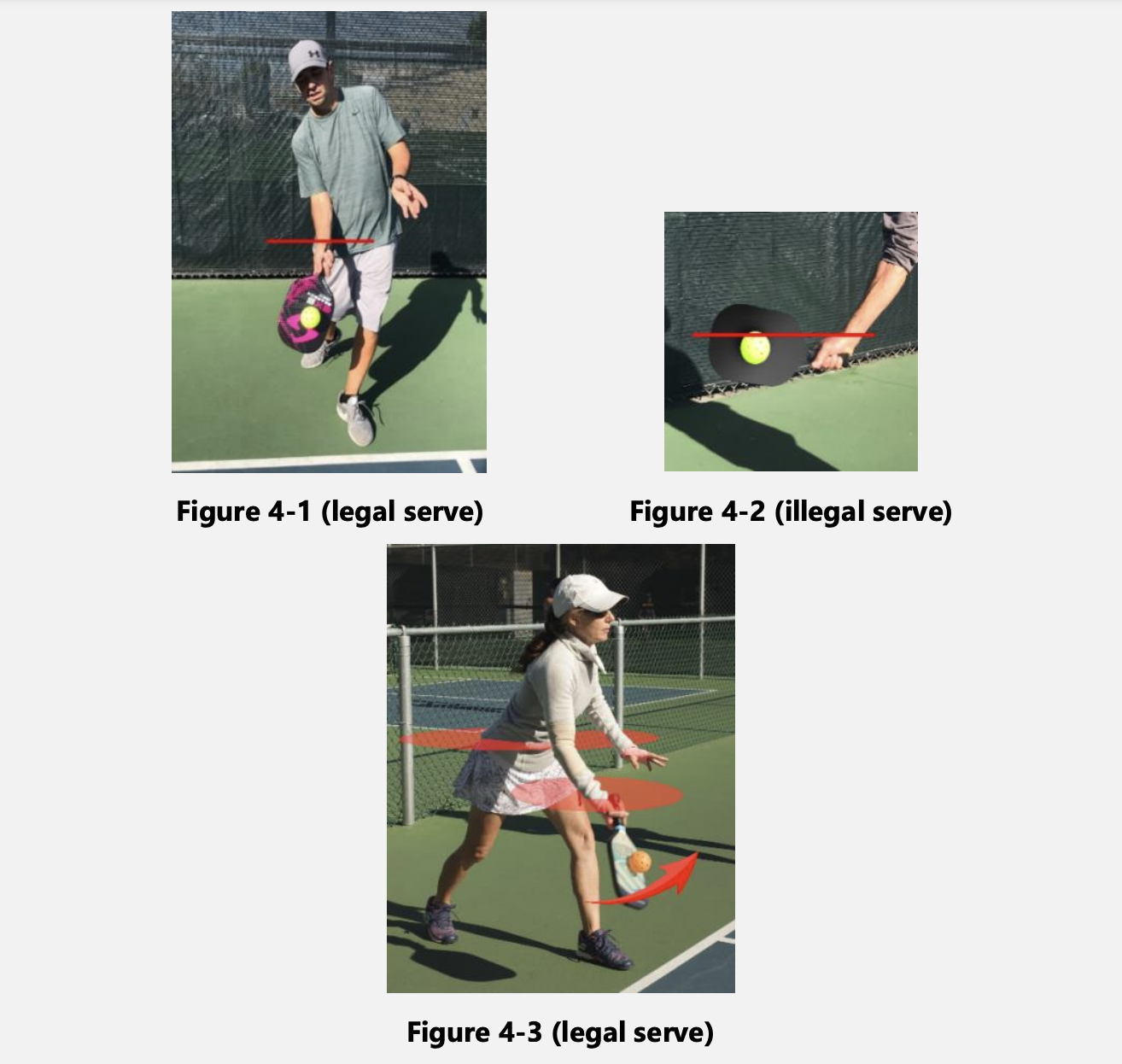
- Underhand only. On a volley serve, the paddle moves upward at contact, the ball is struck below your waist (navel), and the paddle head is below your wrist.
- You may use a drop serve. Let the ball drop and bounce, then hit. The drop serve has different swing limits. Check the current rulebook for details.
- Serve cross-court into the box. The ball must land in the opposite diagonal service area and clear the kitchen line.
- Feet behind the baseline. At contact, neither foot may touch the court or the baseline. Stay outside the sidelines and centerline too.
- One serve attempt. Lets are generally played now; do not replay a let unless your local event says otherwise.
- Call the full score before you start the motion. In doubles, call server number too.
Tip from the court: I keep my toes three inches behind the line. It saves me from foot faults when I get excited.
Mechanics of a Reliable Pickle Ball Serve
Great serves are built, not born. Use this simple blueprint.
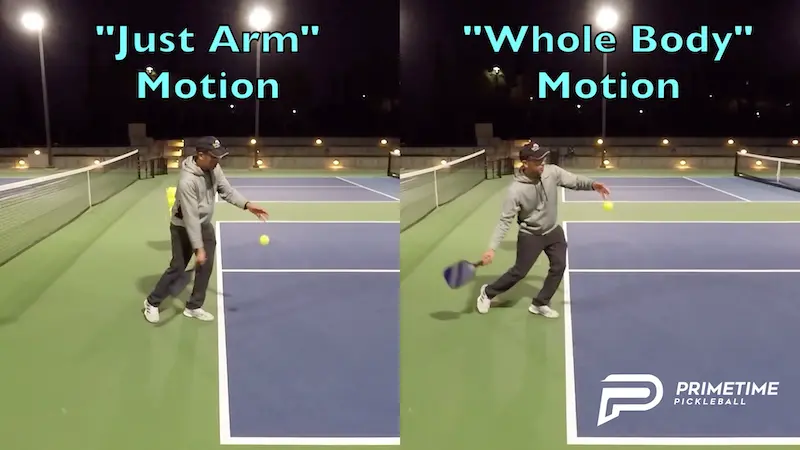
- Stance: Square up with shoulders facing the target. Keep a light knee bend. Weight starts on the back foot.
- Grip: Use a continental grip. It feels like shaking hands with the paddle. This helps slice, topspin, and flat serves.
- Contact point: Arm smooth, elbow relaxed. Meet the ball in front of your hip for clean, legal contact.
- Swing path: Low to high for the volley serve. Hit through the ball, not at it. Finish forward toward your target.
- Follow-through: Point the paddle at the landing spot. A quiet head equals a clean contact.
Step-by-step routine I teach:
- Call the score. 2) Breathe. 3) Pick a spot. 4) Smooth swing. 5) Hold your finish for one second.
Types of Pickle Ball Serves and When to Use Them
Build a small playbook. Then mix and match.
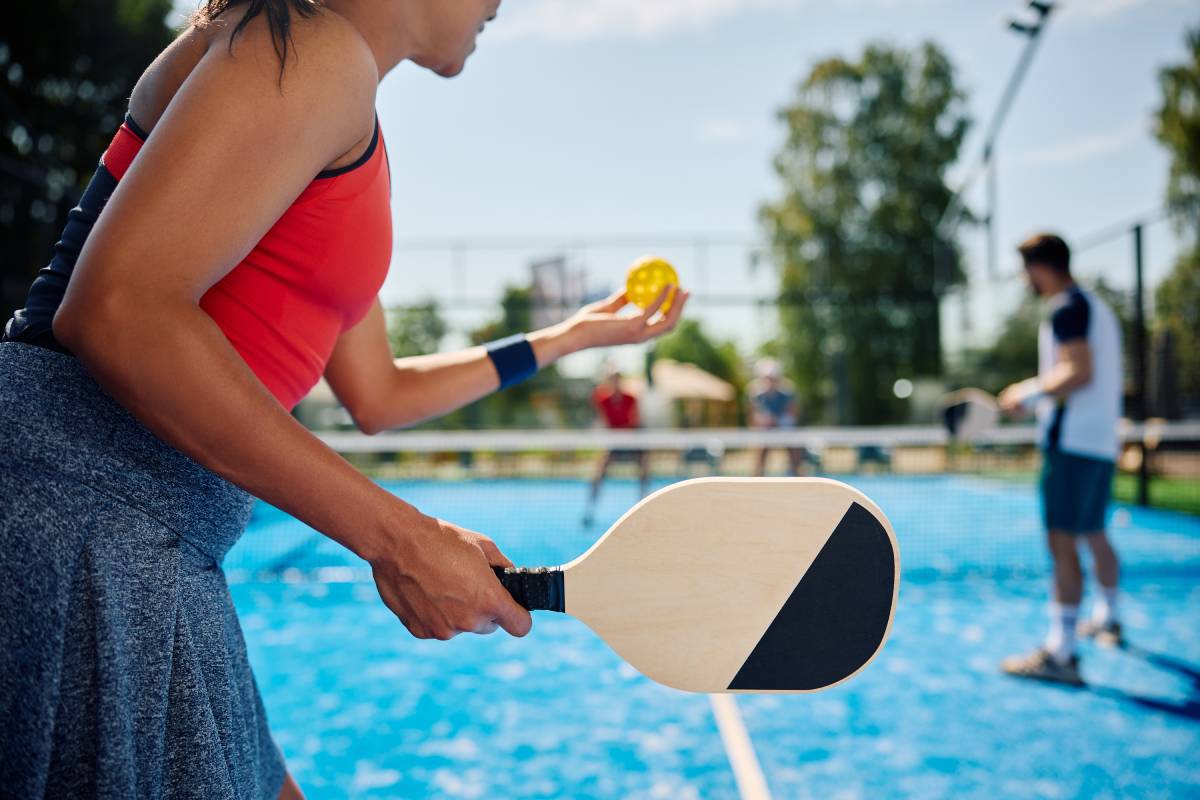
- Deep flat serve: Low bounce, low spin, deep target. Best default serve to keep returns weak.
- Topspin serve: Kicks up on the returner. Aim shoulder high. Helps push them back.
- Slice serve: Curves and stays low. Serve to the backhand side to draw errors.
- Body serve: Aim at the hitting hip. Jams the returner and limits their swing.
- Short soft serve: Occasional change-up to the kitchen line. Use it sparingly to bait a pop-up.
- Lob serve: High arc and deep. Good against players who stand on the baseline.
When I face bangers, I use a heavy slice pickle ball serve to the backhand. It stays low and steals their timing.

Accuracy and Power Drills
You improve what you measure. Keep a scorecard once a week.
Target ladders
- Place four targets from service line to baseline. Hit 10 balls to each, forehand and backhand sides.
- Goal: 80% makes, with at least 60% landing deep.
Corner pocket reps
- Aim for backhand corner only for 25 serves. Then switch to forehand corner for 25.
- Goal: 18 hits per corner.
Pace with purpose
- Hit 15 smooth serves. Then 15 faster serves at the same target.
- Goal: Faster serves keep at least 70% accuracy.
Drop-serve feel
- Practice 30 drop serves. Focus on a quiet head and balanced feet.
- Goal: Match your volley-serve depth and height.
Pressure sets
- Miss and you run to the net and back. Make 20 in a row to finish the set.

Strategy: Serving to Win Points
A good pickle ball serve sets up your next move. Think two shots ahead.
- Serve deep to push them back. Then attack their short return with a third-shot drive or drop.
- Serve to the weaker player in doubles. Confirm by watching warm-ups and early returns.
- Change patterns. Rotate flat, slice, and topspin so they never time you.
- Use the body serve at 30-30 or game point. It removes angles and draws weak blocks.
- Aim more to the backhand. Most players miss there under stress.
Pattern I like: Deep slice to backhand, then third-shot drop to the middle. It freezes both players.

Common Mistakes and How to Fix Them
These errors show up at every level.
- Rushing the motion: Solution: Count “one, two” while you breathe and swing.
- Foot faults: Solution: Set a marker three inches behind the line and serve from it.
- Hitting long: Solution: Aim two feet inside the baseline. Lower your net clearance by one ball height.
- Illegal contact: Solution: Keep the paddle face below your wrist. Strike the ball below your navel.
- No plan: Solution: Pick your target and serve type before every point.
Coach’s note: When my serve drifts long, I slow my arm and hold the finish. It fixes depth fast.

Equipment Factors That Affect Your Serve
Small gear tweaks can change your pickle ball serve.
- Paddle weight: Heavier paddles add free power and stability. Lighter paddles add speed and control.
- Face texture and core: Grittier faces help spin. Softer cores boost dwell time and control.
- Grip size: A grip that is too big hurts wrist action. A snug grip improves feel.
- Balls: Outdoor balls are firmer and faster. Indoor balls are softer and slower. Adjust swing speed.
- Shoes: Stable court shoes stop foot faults and slips on the serve.
Try one variable at a time for a week. Keep notes on depth, spin, and accuracy.

Scoring, Rotation, and Positioning on Serve
Understanding flow helps you serve smarter.
- Doubles: The first serving team starts with the second server. After that, each side gets two servers per turn.
- Server side: Even score serves from the right. Odd score serves from the left.
- Partner roles: Server stays back to hit the third shot. Partner shades middle to cover quick returns.
- Singles: You serve from the right at even points and from the left at odd points. Aim deep and chase your serve.
Say the score loudly and face your target. It reduces disputes and keeps your rhythm.
Personal Lessons From Coaching and Play
What made the biggest change for my players was a simple rule: swing smooth, aim small. We picked a tennis ball can-sized spot and held the finish. Within two weeks, their pickle ball serve depth jumped, and errors fell by half.
I also learned not to chase power too soon. When I focused on 80% first-serve makes, my third shot looked easy. The returners backed up, and I got more attack balls. The humble, deep pickle ball serve wins more matches than the wild bomb.
Safety, Etiquette, and Rule Updates
Warm up your shoulder, elbow, and wrist before serving. Use 10 arm circles, 10 band pulls, and 10 easy serves. Call the full score each time. Give your opponent a ready check if needed. Most leagues use the no-let rule now, and the drop serve is legal, but spin limits and details can change. Review the latest USA Pickleball rulebook each season to keep your pickle ball serve legal.
Frequently Asked Questions of pickle ball serve
What makes a pickle ball serve legal?
A legal serve is underhand, contacts the ball below your waist, and sends it cross-court into the service box. Your feet must stay behind the baseline at contact.
Can I use a drop serve in pickleball?
Yes, the drop serve is legal. Let the ball drop, let it bounce once, then hit with a smooth swing.
Do we replay a let serve in pickleball?
Most play follows a no-let rule now, so you keep playing the ball. Check local rules before your match.
Where should I aim my pickle ball serve?
Aim deep and to the corners, usually the opponent’s backhand. Mix in body serves to jam their swing.
How fast should my pickle ball serve be?
Fast enough to force a weak return, but not at the cost of accuracy. Aim for 80% in and then add pace.
What grip is best for serving?
A continental grip is the most versatile. It supports flat, slice, and topspin serves with one setup.
How do I avoid foot faults?
Stand a few inches behind the line and keep both feet off the court at contact. Practice with a visual marker.
Conclusion
A strong pickle ball serve does not need to be fancy. It needs to be legal, deep, and repeatable. Build a clean motion, learn a few serve types, and train with targets. Then use smart patterns to set up your third shot.
Start today. Pick one drill, one target, and one serve type for the week. Track your results. If you found this useful, subscribe for more tips, share it with your doubles partner, or drop a question in the comments.