A pickle ball raquet is the paddle that shapes your control, power, and feel.
I’ve tested dozens of models and coached new and advanced players. In this friendly guide, I’ll help you pick the right pickle ball raquet for your style, budget, and goals. You’ll learn how parts, weight, face, core, and shape change spin, power, and control. By the end, you’ll know exactly which pickle ball raquet fits your game—and why.
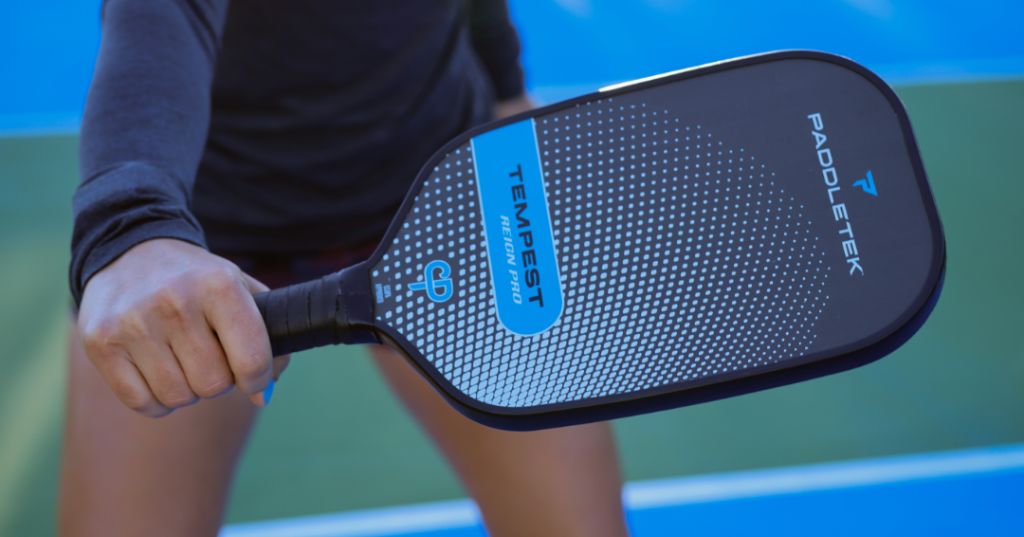
What Is a Pickle Ball Raquet?
A pickle ball raquet is the paddle used to hit a plastic ball with holes. Most players call it a paddle, not a racket. The design looks simple, but every part changes how the ball feels off the face.
Unlike tennis, there are no strings. The face is smooth. The core is a honeycomb. Small changes in build add up to big changes on court. That is why the right pickle ball raquet can boost your shots fast.

Key Parts and What They Do
Every pickle ball raquet has parts that shape touch, spin, and power. Know these, and you can shop with confidence.
- Face material. Fiberglass gives easy pop. Carbon fiber adds control and spin. Graphite sits between the two for a crisp, light feel.
- Core type. Polymer honeycomb (PP) is most common and soft on impact. Nomex is harder and louder, with more pop. Aluminum is light but less common now.
- Thickness. Thicker cores (13–16 mm) add control, soft feel, and stability. Thinner cores (10–12 mm) add pop and speed.
- Weight. Lighter paddles swing fast and help your arm. Heavier paddles add power and stability on blocks.
- Shape. Elongated shapes add reach and power. Wide-body shapes add a big sweet spot for control.
- Grip size. A smaller grip helps spin and wrist action. A larger grip adds stability and comfort.
In my playtests, raw carbon fiber faces gave me the most spin and control. Fiberglass helped me punch drives and put-aways with less effort. Your best pickle ball raquet depends on what you want to feel on contact.
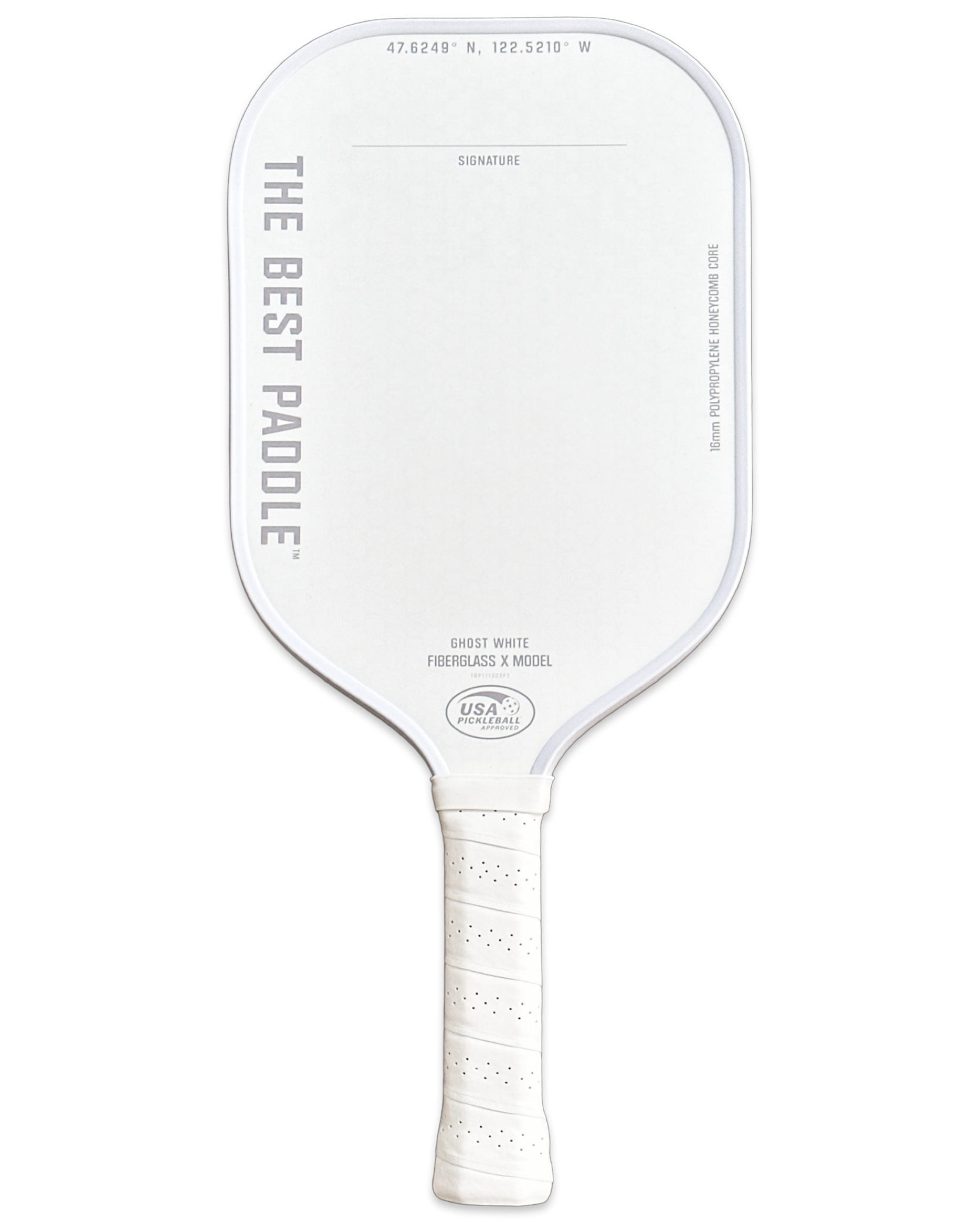
How to Choose the Right Pickle Ball Raquet
Start with your goals. Do you want more power, or do you need better control at the kitchen?
- If you want control. Pick a carbon fiber face, 14–16 mm core, and a midweight build.
- If you want power. Pick fiberglass or a thinner core, plus a slightly heavier head.
- If you want spin. Look for a textured carbon face with a proven grit finish.
- If you want arm comfort. Go midweight with a softer polymer core and balanced swing.
Typical specs to watch:
- Weight. 7.5–8.5 oz is a sweet spot for most players.
- Grip. 4.0–4.5 inches in circumference is standard; match to your hand size.
- Length and width. Standard paddles sit near 16 by 8 inches.
Test a few if you can. Your ideal pickle ball raquet should feel stable on blocks, easy on dinks, and lively on serves.
Match Your Raquet to Your Style
Your style guides the build. The best pickle ball raquet for a power baseliner is not the best for a soft hands dinker.
- Banger or power hitter. Try an elongated shape, fiberglass face, and 13–14 mm core. Aim for a head-heavy balance for drives and serves.
- Soft game and control. Go with a 16 mm polymer core, raw carbon face, and even balance.
- All-court player. Pick a midweight carbon face with a 14–15 mm core. It handles resets and put-aways well.
- Doubles specialist. Wide-body shape with a thick core gives you a large sweet spot at the kitchen.
- Singles focus. Elongated, slightly heavier builds help on serves, passes, and reach.
I moved from a thin fiberglass model to a 16 mm carbon build. My resets got steadier, and my unforced errors dropped fast. That change alone helped me level up.
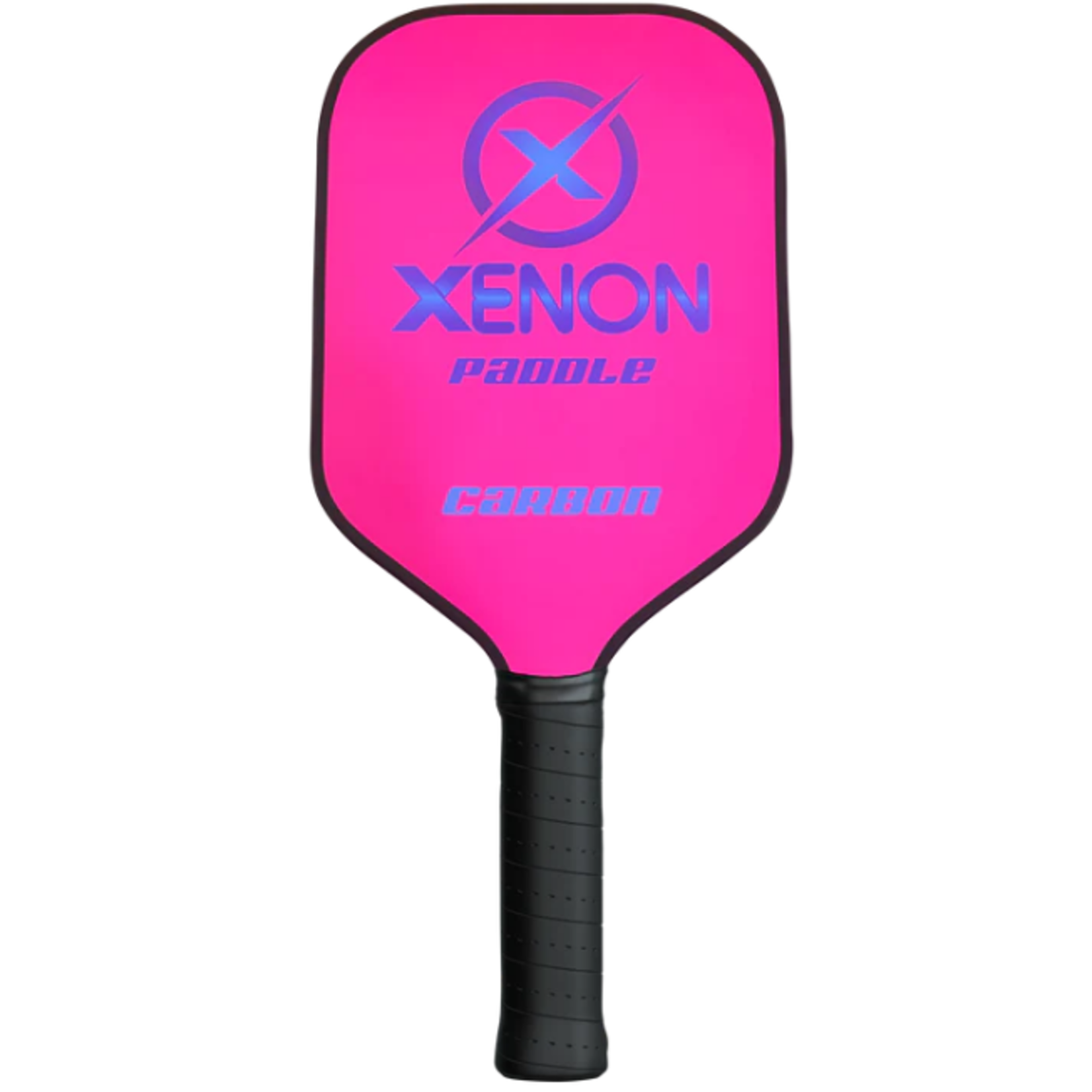
Raquets by Skill Level and Budget
You can find a solid pickle ball raquet at any price point. Spend more only when you know what you need.
- Beginner. Seek a midweight, wide-body, 14–16 mm polymer core. It forgives mishits and builds good habits.
- Intermediate. Move to raw carbon fiber for better spin and control. Look for stable edges and a comfy grip.
- Advanced. Pick a shape and balance that match your style. Fine-tune with lead tape and grip wraps.
Budget tips:
- Under $60. Good to start, but spin and control may feel basic.
- $60–$150. Best value range. Many use proven cores and faces.
- $150+. Premium builds. You get better spin, feel, and balance.
If money is tight, upgrade your grip and add edge tape first. Your current pickle ball raquet may feel new again.
Try Before You Buy: Test Checklist
A short demo can tell you a lot. Use this quick test plan with any pickle ball raquet.
- Serve and drive. Does the ball jump? Can you hit targets with ease?
- Dinks and resets. Does the face feel soft? Can you control depth under pressure?
- Volleys and blocks. Is the paddle stable on fast hands? Any twist on off-center hits?
- Spin test. Hit topspin rolls and slices. Does the ball dip and skid?
- Arm comfort. Any shock or ache after 15 minutes?
I track my makes and misses during a 10-point drill. I also note any hot spots on my hand. If a pickle ball raquet passes that test, I know it will work on match day.

Care, Maintenance, and Safety
Small habits make your pickle ball raquet last longer and feel better.
- Wipe the face with a damp cloth after play. Keep grit clean for steady spin.
- Check the edge guard. Fix loose spots with tape before they spread.
- Replace grips often. Fresh grips reduce slip and arm strain.
- Store in a cool, dry spot. Heat can weaken face texture and core bonds.
If you feel elbow pain, drop weight, go thicker on the core, and try a softer build. A comfy pickle ball raquet is key for long sessions.

Specs and Rules You Should Know
A legal pickle ball raquet must meet size and surface rules. Knowing them helps you buy with trust.
- Size. Combined length and width must be 24 inches or less. Max length is 17 inches.
- Surface. It must be smooth with limited texture. No sharp grit or stick-on aids.
- Other rules. No delamination or body parts added for extra spring. Check for event approval if you play tournaments.
Many local clubs also have noise rules. Nomex cores can be loud. If you play near homes, a softer polymer core is often best.
Frequently Asked Questions of pickle ball raquet
Is it called a pickle ball raquet or a paddle?
Most players say paddle. In stores and rules, you will see pickleball paddle. But many people search for pickle ball raquet, so we use both here.
What weight should my pickle ball raquet be?
Most players like 7.5–8.5 oz. Go lighter for speed and comfort, and heavier for power and stability.
Does carbon fiber make a big difference?
Yes. Carbon fiber faces often add spin and control. They feel soft on touch shots but still stable on fast hands.
What grip size should I pick?
If your hand is small to medium, start near 4.125 inches. Larger hands may prefer 4.25–4.5 for comfort and control.
How long does a pickle ball raquet last?
Many last 6–18 months with regular play. Spin and pop fade as face texture and core wear down.
Can I use a tennis overgrip on my pickle ball raquet?
Yes. Overgrips add tack, absorb sweat, and fine-tune size. Replace them often for a steady hold.
How do I get more spin with my current pickle ball raquet?
Keep the face clean, use a tacky overgrip, and brush up on contact. A raw carbon face helps, but technique matters most.
Conclusion
The right pickle ball raquet should match your style, feel good in your hand, and help your goals. Focus on face, core, thickness, weight, and shape. Test with serves, dinks, blocks, and spin to confirm the fit.
Pick one change to try this week. Maybe a thicker core or a new grip. Your game will thank you. If this helped, share it with a friend, drop a question in the comments, or subscribe for more gear guides and play tips.