Define format, secure venue, manage registration, schedule matches, and deliver fair play.
If you want to learn how to run a pickleball tournament that feels smooth, fair, and fun, you’re in the right place. I’ve directed events from 16 to 300+ players and learned what works the hard way. This step-by-step guide shows how to run a pickleball tournament with clear systems, simple math, and real-world tips you can use this weekend.
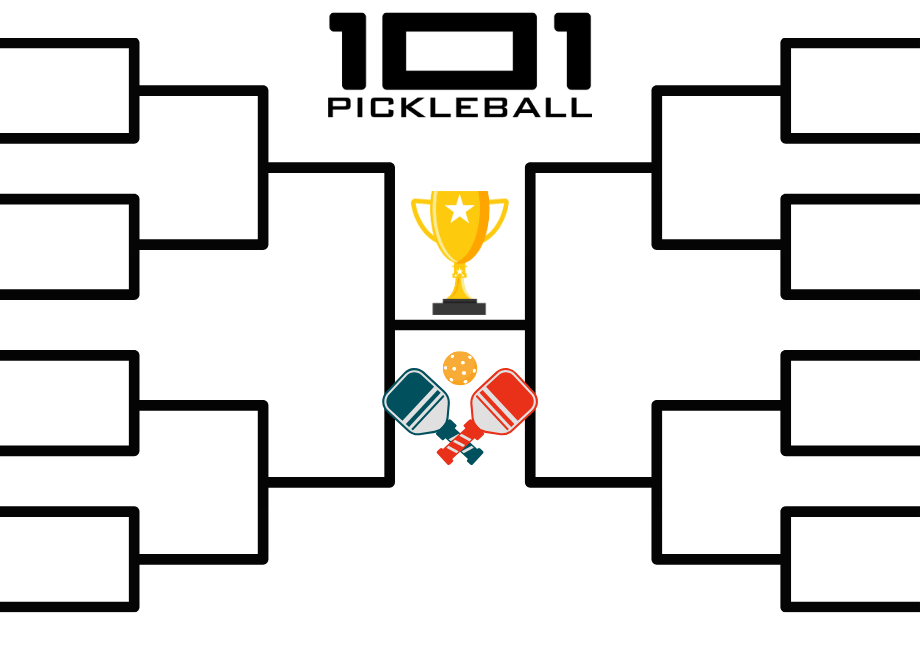
Set your vision and scope
Before you book a court, lock the goal. Decide if your event is for club fun, charity, or a ranked, sanctioned event. This choice drives your budget, staffing, and rules. If you are new to how to run a pickleball tournament, start small and focused.
Define your scope with five points:
- Format and divisions. Skill levels, age groups, singles, doubles, or mixed.
- Size. Number of players, courts, and days.
- Dates. One-day or two-day with a rain plan.
- Sanctioning. USA Pickleball rules and approvals if needed.
- Success metrics. On-time starts, satisfaction score, break-even target.
Quick tip from experience: write one sentence that sums up the event promise. For example, “A one-day doubles round robin for 3.0–3.5 with medals and music.” This keeps choices aligned when things get busy.
Pick the format and rules
Format shapes the experience and the schedule. If you ask me how to run a pickleball tournament that keeps players engaged, I’ll say pick a format that maximizes play time.
Common formats:
- Round robin. Great for 4–8 teams per division. Everyone plays everyone.
- Pool play to playoffs. Good for 10–24 teams. Short pool matches, then medal bracket.
- Double elimination. Popular for larger fields. True second place, but longer days.
- Timed matches. Useful indoors or when courts are tight.
Key rule choices:
- Scoring. Games to 11 or 15, win by 2. Consider time caps to protect the schedule.
- Seeding. Use ratings, past results, or random draw. Explain it in advance.
- Tie-breaks. Head-to-head, point differential, then total points.
- Balls and nets. State the exact ball model and net standard.
- Referees. Decide when refs are required and how many you will staff.
Pro move: test your chosen format with a mock division on paper. This is how to run a pickleball tournament with fewer day-of surprises.

Budget, fees, and sponsors
Your budget is your guardrail. When people ask how to run a pickleball tournament without stress, I start with money clarity. List all costs, price fairly, and give sponsors great value.
Typical costs:
- Court rentals, permits, and insurance
- Balls, tape, signage, medals, and swag
- Software fees and payment processing
- Referees, staff, radios, and first aid
- Water, snacks, tents, and shade
Revenue ideas:
- Player entry fees with early-bird pricing
- Sponsor packages and vendor tables
- Raffles or clinics the night before
- Branded shirts or paddles
Aim for a simple P&L. Set a break-even headcount and track registrations against it each week. Sponsors want clear deliverables: logo placement, shout-outs, and access to players.
Venue, permits, and equipment
The venue makes or breaks the day. If you want to master how to run a pickleball tournament, learn your courts like a pilot learns a cockpit.
Venue checks:
- Court count, surface, and spacing. Six feet behind baselines and four feet on sides is a common minimum.
- Lighting and wind. Indoors avoids weather, outdoors needs shade and a rain plan.
- Parking, restrooms, and ADA access.
- Sound rules. Some parks limit amplified music.
Must-haves:
- Permit and insurance certificate
- First aid kit, AED location, and hydration plan
- Spare nets, paddles, balls, tape, and clipboards
- Clear signage for check-in, courts, and restrooms
From experience: walk the site with a clipboard one week out. Confirm power, tables, and waste bins. This small step saves big headaches.

Registration, waivers, and software
Tech keeps you sane. If you ask me how to run a pickleball tournament at scale, I’ll say use tournament software. It speeds check-in, courts, and brackets.
Do this early:
- Choose a platform for registration, payments, and brackets.
- Set division caps and waitlists.
- Collect waivers and emergency contacts.
- Create refund and substitution policies.
Player-friendly details:
- Clear event page with format, schedule window, and ball type
- Partner pairing rules and deadlines
- Automated emails for confirmations and start times
- Mobile-friendly brackets and court calls
Keep data clean. Use consistent name formats to avoid duplicate profiles, which helps when you later report results to rating systems.

Marketing and player outreach
Great events tell a story. If you want to learn how to run a pickleball tournament that fills fast, start marketing the day you set the date.
Simple marketing plan:
- Brand the event name and visual style.
- Create a short landing page and flyer.
- Share to local clubs, parks, and social groups.
- Post fun reels and player spotlights on social media.
Extra reach:
- Ask sponsors to co-promote with emails and posts.
- Invite teaching pros and ambassadors.
- Offer a referral code or team discount.
Social proof sells. Post last year’s photos, medal shots, and short testimonials. Keep the tone warm and welcoming.

Build the schedule and brackets
Scheduling is the craft. This is where most learn how to run a pickleball tournament by trial and error. You can avoid that with simple math and buffers.
Key steps:
- Estimate match time. Most games to 11 side-out take 15–20 minutes. Add 5 minutes for warm-up and court change.
- Calculate throughput. One court can host about 2–3 matches per hour depending on format.
- Stagger start times. Avoid large clumps that cause long waits.
- Add buffers. Schedule 10-minute breaks every 90 minutes.
Practical example: With eight courts and round robin pools of five teams, you can run two waves in a day. Morning wave 8 a.m.–12 p.m., afternoon wave 1 p.m.–5 p.m., with medal matches at the end of each wave.

Staff, referees, and volunteers
People power your event. If you are learning how to run a pickleball tournament with limited staff, assign clear roles and keep communication simple.
Core roles:
- Tournament director. Final calls and crisis lead.
- Desk lead. Check-in, brackets, and court assignments.
- Court monitors. Keep courts turning and answer rules questions.
- Referees. Medal matches, higher skill divisions, or when disputes rise.
- Hospitality. Water, snacks, and player support.
- Setup and teardown. Tents, tables, signage, and cleanup.
Training tips:
- Share a one-page playbook with radio channels and escalation steps.
- Hold a 15-minute huddle before gates open.
- Use a group chat for quick updates.

Game day operations and player experience
Game day is showtime. My rule for how to run a pickleball tournament that players love: respect their time and celebrate their effort.
Dial in the flow:
- Clear check-in with preprinted badges or QR codes
- Big brackets on a screen plus a web link
- Court runners to speed assignments
- Announcements that are short and upbeat
Player care:
- Water, ice, shade, and sunscreen
- Lost-and-found bin and paddle station
- First aid and a calm conflict process
I learned to post wait times at the desk. When players see the plan, they relax.
Scoring, results, awards, and reporting
Fair results build trust. If someone asks how to run a pickleball tournament that feels legit, I point to transparent scoring and fast updates.
Do this well:
- Publish tie-break rules on the event page.
- Post live scores online and on-site.
- Verify medal matches with refs when possible.
- Hand out awards right after finals to keep energy high.
After the event:
- Export results and submit to rating bodies if applicable.
- Email a thank-you with photos and a short survey.
- Send sponsor recap stats like player count and impressions.
Fast, clean results turn players into repeat customers.
Post-event wrap-up and growth plan
Your next event starts now. The secret to how to run a pickleball tournament that improves each time is a tight debrief.
Close the loop:
- Review what ran late and why.
- Count balls, nets, and medals to update inventory.
- Log vendor and sponsor notes.
- Track metrics: on-time rate, refunds, NPS, and emails collected.
Make one change per category for next time. Small, steady upgrades beat big, risky jumps.
Frequently Asked Questions of how to run a pickleball tournament
What is the best format for first-time directors?
Round robin is best for small divisions and simple schedules. It gives everyone more play and fewer idle periods.
How many courts do I need per player count?
A simple rule is one court for every 8–12 players per wave. Adjust based on match length and format.
How early should I open registration?
Open 6–8 weeks before the event with early-bird pricing. Close 5–7 days before to finalize brackets and staffing.
Do I need referees for every match?
No. Use referees for medal matches or higher-skill brackets. Train court monitors to handle basic questions.
How do I handle weather for outdoor events?
Set a clear rain plan with delay windows and a refund policy. Communicate updates fast via email and text.
What software should I use?
Pick a platform that handles registration, payments, and live brackets. Choose one your players already know to reduce friction.
How do I seed players fairly?
Use player ratings, past results, and captain input. Publish the seeding method so it feels transparent.
Conclusion
You now have a clear playbook for how to run a pickleball tournament with confidence. Start with a focused vision, choose a format that fits your courts, and guard the schedule with buffers. Put player care first, communicate often, and make one improvement after each event.
Ready to host your best event yet? Save this guide, share it with your team, and tell me which section you’ll use first. If you want more templates and checklists, subscribe and I’ll send them straight to your inbox.