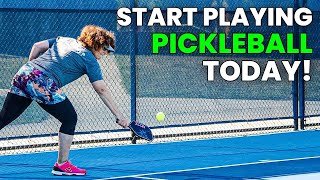
Learn the rules, grip your paddle right, move your feet, and practice daily.
If you want a clear, friendly guide on how to play pickleball for beginners, you’re in the right place. I’ve taught hundreds of first-time players, and I’ve made every rookie mistake myself. This article breaks down the court, rules, shots, and strategy in simple steps. Stick with me, and you’ll go from nervous to confident faster than you think.
What Is Pickleball and Why It’s So Fun
Pickleball blends the best parts of tennis, ping-pong, and badminton. It’s played on a small court with a paddle and a plastic ball. The game is fast, friendly, and easy to learn.
If you want to know how to play pickleball for beginners, start with this mindset: keep the ball in, move with purpose, and play smart, not hard. Think of it as chess with a paddle.
My first week, I tried to smash every ball. I lost a lot. When I slowed down and aimed at safe targets, I won more and had more fun. You will too.

Court, Lines, and Equipment Essentials
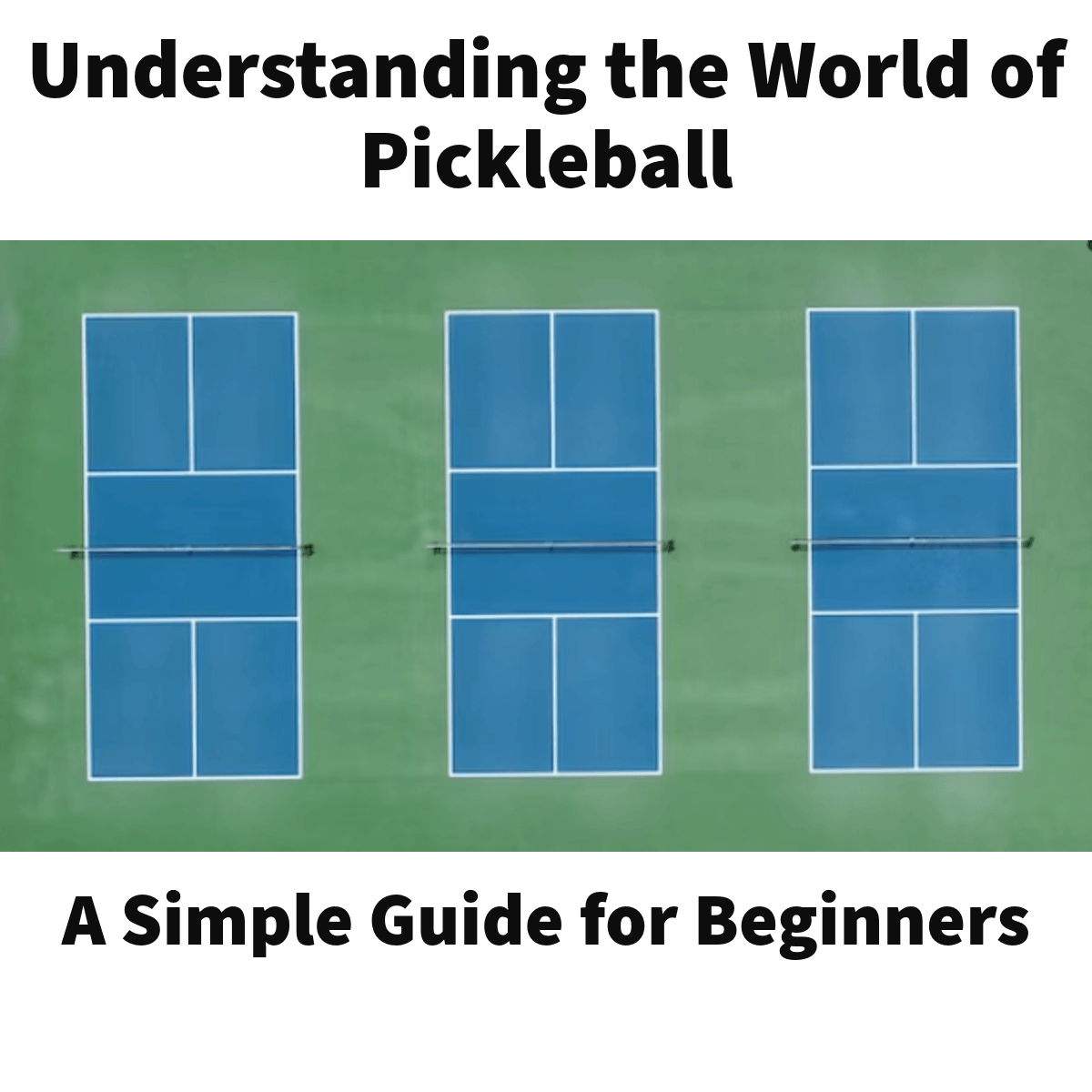
The court is 20 by 44 feet. That’s the same size for singles and doubles. The non-volley zone, known as the kitchen, is the seven-foot zone on both sides of the net.
Know these lines:
- Baseline is the back line.
- Service areas are split by a centerline.
- Kitchen is the no-volley area near the net.
Gear that makes learning easier:
- Paddle with a medium grip, not too heavy. Most beginners like 7.5–8.5 ounces.
- Outdoor ball has smaller holes. Indoor ball has larger holes.
- Court shoes with good grip and support.
- A simple bag, water bottle, and a few extra balls.
Quick tip on how to play pickleball for beginners: pick a paddle with a soft face to add control to your shots.
Rules and Scoring Made Simple
Serving basics:
- Serve underhand. Hit the ball below your waist.
- Serve cross-court into the opposite service box.
- The serve can touch the net and still be in if it lands in the correct box.
The double-bounce rule:
- The return must bounce once.
- The serving team must also let the next shot bounce.
- After those two bounces, you can volley.
Kitchen rules:
- Do not volley while standing in the kitchen or on the kitchen line.
- You can step in to hit a ball that has bounced, then step back out.
Scoring for beginners:
- Most games go to 11, win by 2.
- Only the serving team scores in standard play.
- In doubles, you call server number 1 or 2 and the team score.
When I teach how to play pickleball for beginners, I have them call the score out loud each rally. It keeps focus and reduces confusion.

Grips, Stance, and Footwork Basics
Use a continental grip. It feels like you are holding a hammer. This one grip helps you switch from forehand to backhand fast.
Your stance should be ready and light:
- Feet shoulder-width apart.
- Knees bent.
- Paddle up in front of your chest.
Move with small steps:
- Split step as your opponent hits.
- Shuffle sideways to stay balanced.
- Avoid crossing your feet when close to the net.
If you’re learning how to play pickleball for beginners, master balance first. Power comes later.

Core Shots Every Beginner Should Learn
Start with these shots:
- Serve: Aim deep to the back of the service box.
- Return: Hit deep down the middle. It buys time to move up.
- Dink: A soft shot that lands in the kitchen. Keep it low.
- Drive: A firm groundstroke at the body or middle.
- Drop (third shot drop): A soft arc from the baseline that lands in the kitchen.
- Volley: A controlled punch in front of your body.
For how to play pickleball for beginners, focus on dinks and drops. Soft control wins more rallies than wild swings.

Step-by-Step: First Practice Session Plan
Warm up in 5 minutes:
- Easy jog around the court.
- Arm circles, gentle squats, and wrist rolls.
Foundations in 20 minutes:
- Serve to four targets. Two on each side.
- Return cross-court deep. Focus on height and depth.
- Dink cross-court slow. Aim for 20 in a row.
Match skills in 15 minutes:
- Third shot drops from the baseline.
- Transition to the kitchen, then hold the line.
Play 15 minutes:
- Short games to 7. Start every rally with a serve.
- Call score and rotate servers.
This simple plan is my blueprint for how to play pickleball for beginners in one hour.
Smart Strategy for Day One
Aim for high-percentage shots. Hit deep to the middle. Move to the kitchen line as a team in doubles.
Day-one targets:
- Serve deep and safe.
- Return cross-court and deep.
- Get to the kitchen fast, then dink low and slow.
- Hit at the opponent’s feet when they move.
The secret of how to play pickleball for beginners is this: take the net, then make the other team hit up.

Common Beginner Mistakes and Easy Fixes
Mistakes I see a lot:
- Standing flat-footed. Fix: split step before every shot.
- Swinging too big. Fix: short compact swing near the net.
- Rushing winners. Fix: three safe balls beat one hero shot.
- Gripping too tight. Fix: hold the paddle like a handshake.
- Camping at the baseline. Fix: move up after your return.
If you forget everything else about how to play pickleball for beginners, remember to keep the ball low and get to the kitchen.

Safety, Etiquette, and Court Confidence
Stay safe and kind:
- Warm up and cool down to protect joints.
- Call “Ball on!” if a ball rolls onto your court.
- Call lines honestly. If you are not sure, call it in.
- Say the score before each serve so all agree.
- Tap paddles after games. Rotate so all players get in.
A big part of how to play pickleball for beginners is learning people skills. Be welcoming, and you’ll get invited to play more.
How to Find Games, Drills, and Affordable Gear
Where to play:
- Local community centers.
- City parks with public courts.
- Beginner round robins and open play sessions.
- Apps and social groups for local matches.
Budget gear tips:
- Solid starter paddles cost less than many think.
- Try demo days to test paddles for free.
- Get two balls for outdoor use and two for indoor.
To master how to play pickleball for beginners, join beginner nights. The feedback is worth gold.
Progress Tracker and 30-Day Plan
Week 1:
- Learn rules and scoring.
- Practice serves and returns for 15 minutes a day.
Week 2:
- Add dinks and drops.
- Play two short games and track unforced errors.
Week 3:
- Work on footwork. Do ladder steps and split step reps.
- Aim for 30 dink rallies with a partner or a wall.
Week 4:
- Mix drills and play. Keep stats: serve in, return deep, drop success.
- Enter a friendly social match.
By day 30, you will not only know how to play pickleball for beginners, you will feel ready to help a new player learn too.
Frequently Asked Questions of how to play pickleball for beginners
What is the fastest way to learn pickleball?
Start with rules, then practice serve, return, and dink. Play short games and focus on keeping the ball in.
Do I need special shoes for pickleball?
Court shoes are best because they support side-to-side moves. Running shoes are soft and can roll your ankle.
What is the kitchen and why does it matter?
The kitchen is the non-volley zone near the net. You cannot volley while in it, so learning control there is key.
How often should I practice as a beginner?
Three short sessions a week work well. Aim for 45–60 minutes with a mix of drills and play.
What paddle should a beginner buy?
Pick a midweight paddle with a comfortable grip. Try a few if you can, then choose the one that feels stable and forgiving.
Conclusion
Pickleball is simple to start and rich to master. Learn the core rules, build clean footwork, and practice soft control. Use this guide to plan your first month and track progress.
Grab a paddle, invite a friend, and put these tips to work today. If you found this helpful, share it with someone who wants to learn, subscribe for more guides, or drop a question in the comments.