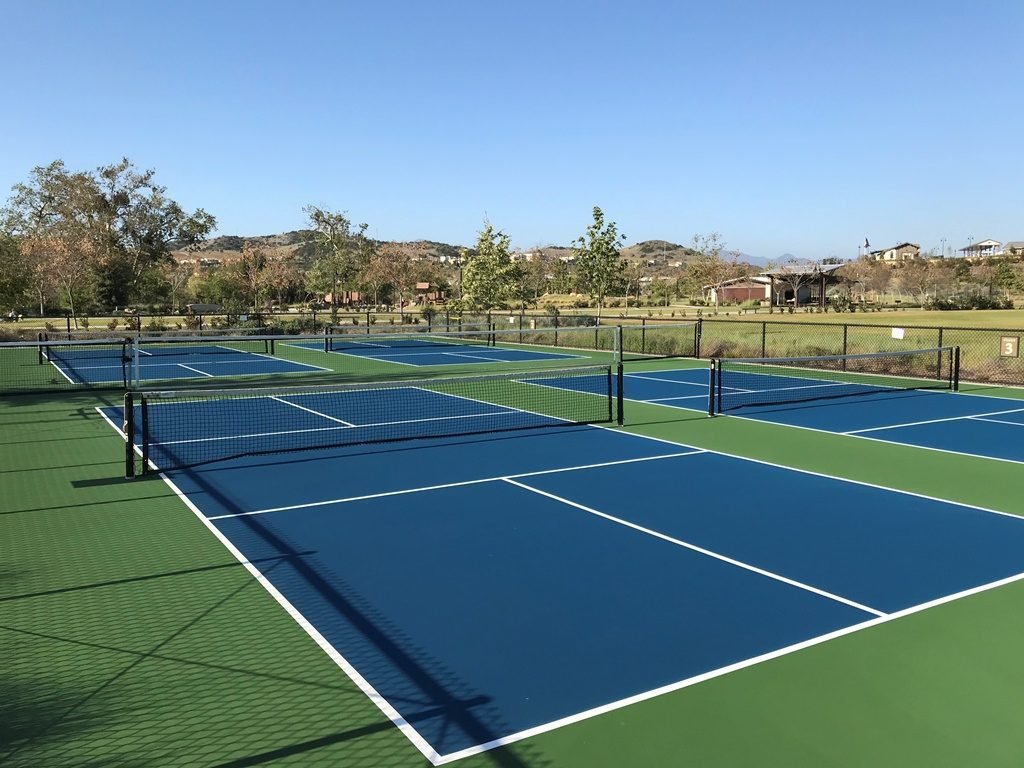
You can fit up to four pickleball courts on one full-size tennis court.
Curious about how many pickleball courts in a tennis court and the best way to set them up? You’re in the right place. I’ve planned and lined many shared courts, and this guide breaks down the math, layouts, safety, and smart tips so you can do it right the first time.
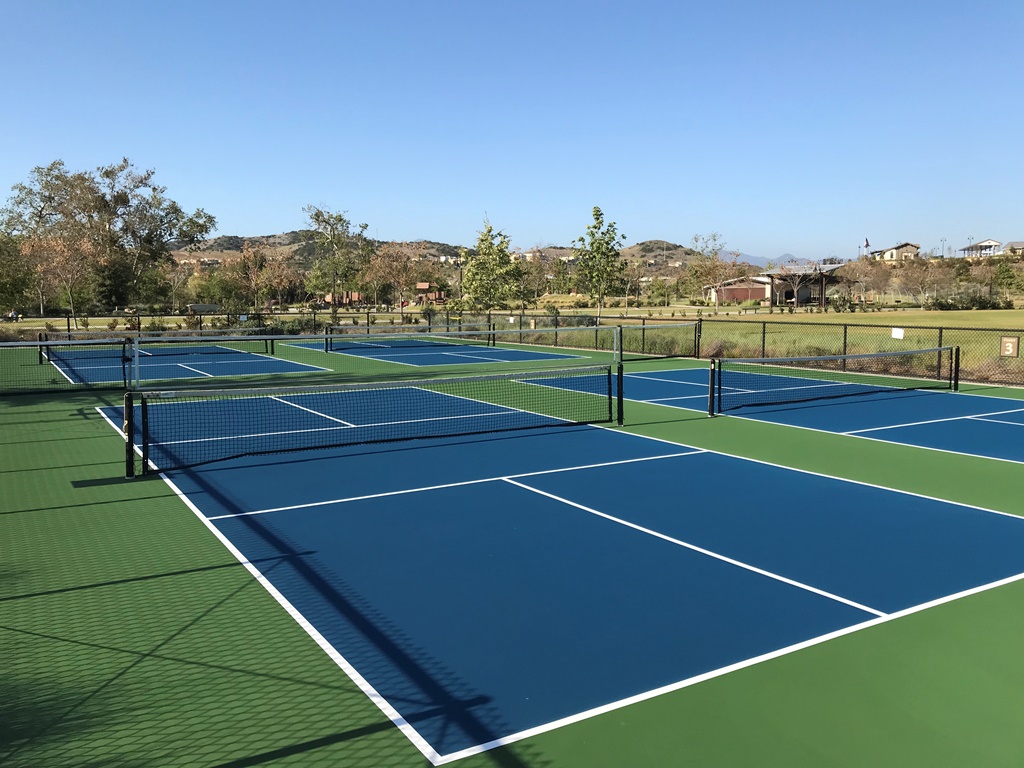
How many pickleball courts in a tennis court?
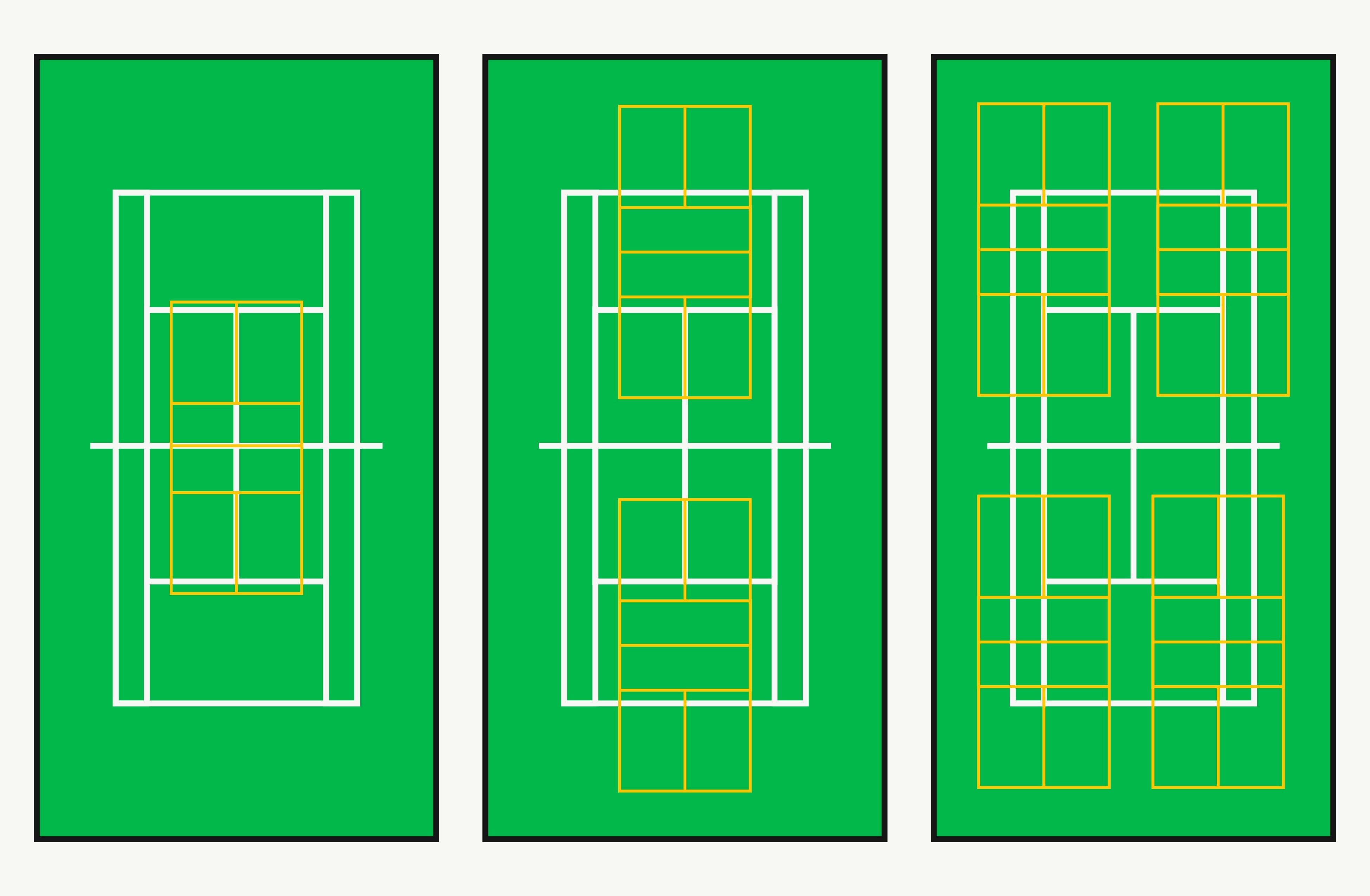
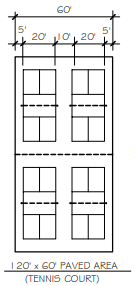
On most regulation courts, you can fit four pickleball courts within one 60-by-120-foot tennis court. That layout uses the minimum recommended total area per pickleball court of 30 by 60 feet, stacked in a two-by-two grid. It is the most common setup at parks and clubs because it balances capacity and safety.
You can also choose other options. Two courts feel extra roomy and are great for clinics or permanent nets. Three courts work when you want a central walkway and fewer balls crossing. Some people ask how many pickleball courts in a tennis court with even tighter spacing. While you could force more lines in, it is not safe and not fun.
When people search how many pickleball courts in a tennis court, they often want a simple rule. Use four for open play capacity, two for premium spacing, and three if you need a middle ground. These choices follow standard dimensions from governing bodies for both sports.

Court sizes and layout options
To understand how many pickleball courts in a tennis court you can place, start with the numbers.
Key dimensions:
- Tennis court overall area: 60 by 120 feet.
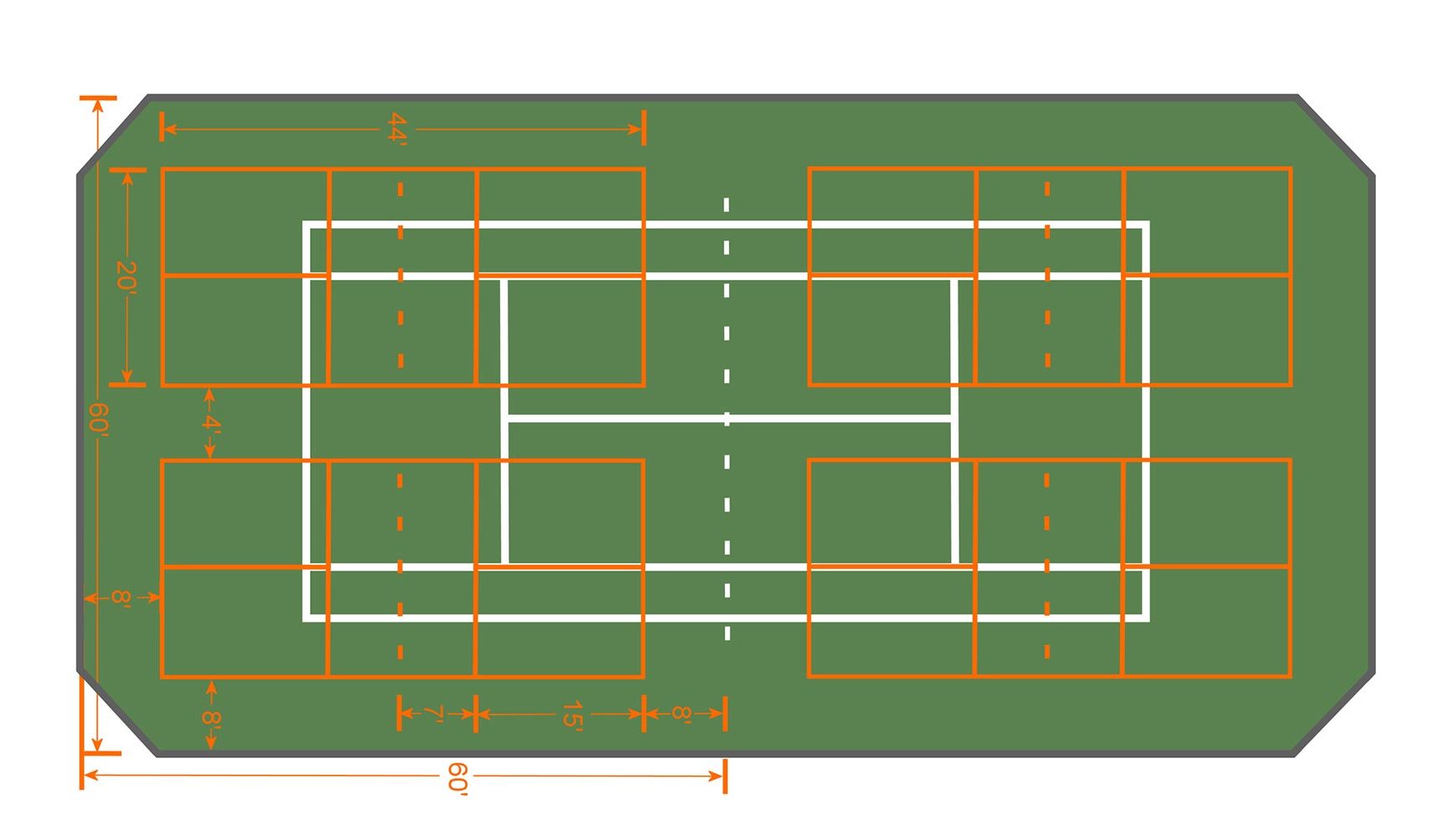
- Pickleball court playing lines: 20 by 44 feet.
- Pickleball total recommended area: 30 by 60 feet minimum; 34 by 64 feet preferred.
Popular layouts:
- Four-court grid. Two across, two down. Each court gets 30 by 60 feet. It fits exactly within 60 by 120. Add slim interior buffer lanes if space allows.
- Three-court layout. Two side by side with a center aisle, plus one rotated or offset. Useful when you want a walkway for safety.
- Two-court layout. Very comfortable spacing with larger run-off. Good for higher-level play, coaching, or permanent posts.
- One-court overlay. Best when you are testing demand or have noise limits. Easy to manage with portable nets.
Notes on preferred space:
- If you want 34 by 64 feet per court, you cannot fit four. You will likely run two courts with generous run-off, or three in a creative staggered plan.
- For events, four courts maximize games per hour. For lessons, two or three is easier to supervise.
If your facility asks how many pickleball courts in a tennis court will feel safe for beginners, start with two or three. Then grow to four once players learn court awareness and you can add dividers.
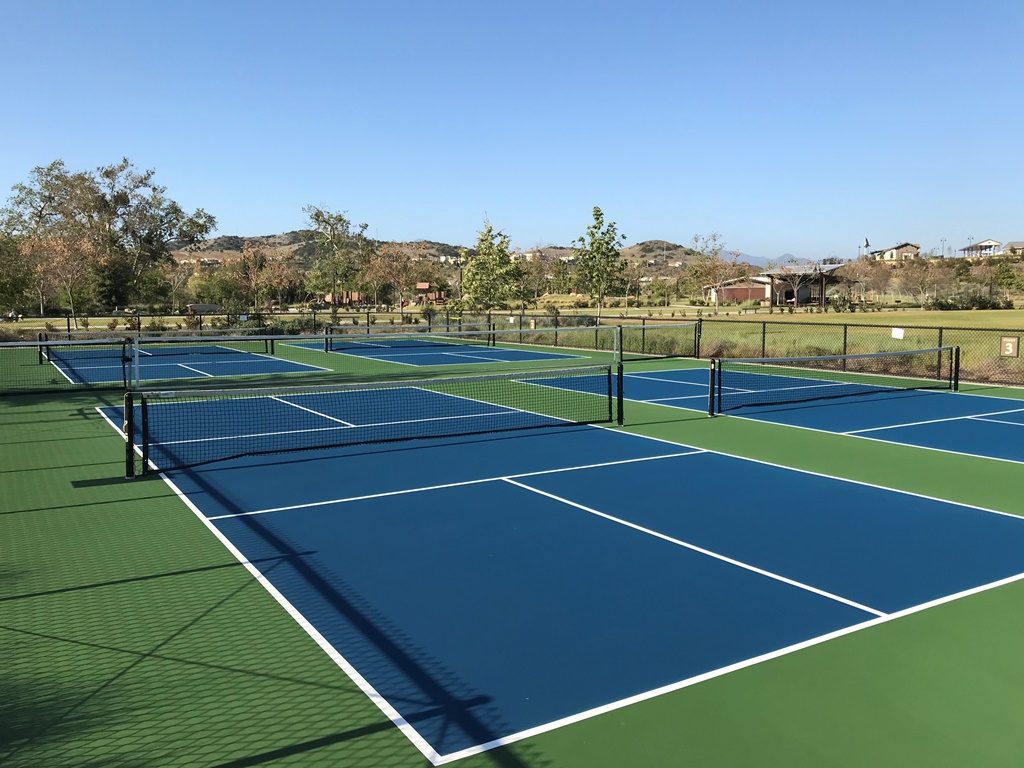
Step-by-step conversion guide
Use this simple plan to convert a single tennis court for shared use.
- Confirm dimensions and condition. Measure the 60 by 120 area. Check the surface for cracks and puddles.
- Pick your layout. Four courts for peak play, or two to three for extra room. Decide how many pickleball courts in a tennis court you want before buying gear.
- Mark anchor points. Snap chalk lines for the two-by-two grid if using four courts. Keep at least a few feet of interior buffer where you can.
- Line the courts. Use removable tape for trials or textured paint for a long-term overlay. Choose contrasting colors for clarity.
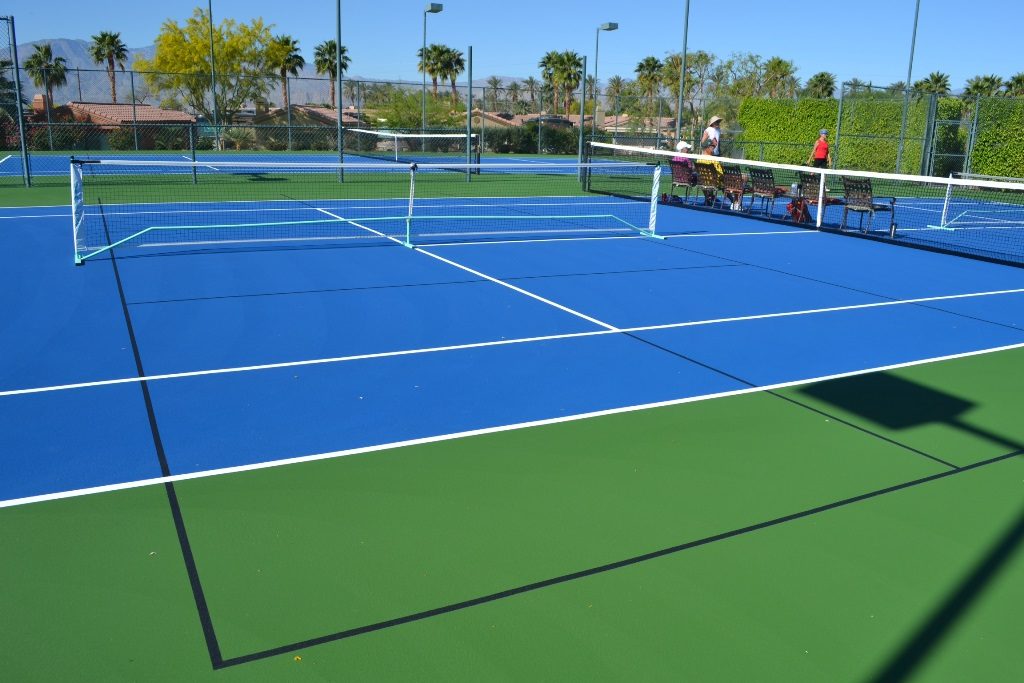
- Add nets. Portable pickleball nets are simple and budget-friendly. Permanent posts with sleeves are best for heavy use.
- Manage dividers. Soft barriers or low nets between courts reduce ball interference and boost safety.
- Test and adjust. Play a few games. Nudge lines, buffers, and divider placement as needed.
Tip: When I run a community demo day, I start with two taped courts. If demand explodes by week two, I upgrade to a four-court layout with portable nets.
Safety and spacing best practices
Smart spacing keeps play smooth and prevents collisions.
- Leave run-off. Aim for at least 7 to 10 feet behind baselines and 5 to 7 feet on the sides where possible.
- Create interior buffers. Even one to two feet between adjacent courts helps. Use flat markers or low barriers.
- Plan walkways. A center aisle makes it easy to move without crossing points.
- Consider orientation. North–south reduces sun glare and helps visibility at most times of day.
- Add lighting. Even light levels of 30–50 foot-candles help players track the ball and avoid trips.
- Think accessibility. Keep gate openings clear and paths wide. Portable ramps can help over thresholds.
If you wonder how many pickleball courts in a tennis court you should run with beginners, choose two or three at first. It gives everyone more reaction time and fewer ball roll-ins.
Costs, equipment, and timelines
Budget ranges vary by permanence and polish.
Typical costs:
- Tape-only pilot. $100–$300 for tape, chalk, and basic tools.
- Portable nets. $150–$300 per net. You need one per court.
- Painted overlay. $400–$1,200 for pro striping, depending on region and colors.
- Permanent posts. $800–$2,500 per court for sleeves, posts, nets, and install.
- Dividers and signage. $200–$800 total for barriers, signs, and storage.
Timeline:
- Weekend pilot. Mark and play in a day or two.
- Full overlay. Plan one to three weeks for scheduling, weather, and cure time.
Facilities often ask how many pickleball courts in a tennis court they should build at first to control costs. Start with two courts, measure usage, then scale to four when courts stay full.
Tips from real projects and common mistakes
From hands-on conversions, here is what works and what to avoid.
What works:
- Use bold, clear colors for lines so players see boundaries fast.
- Store nets on rolling carts to cut setup time.
- Test sun angles at three times of day before you paint.
Avoid these mistakes:
- Overpacking courts. Six looks tempting on paper. In real life, it is cramped and risky.
- Skipping buffers. Even small buffer lanes reduce crashes and keep games flowing.
- Painting first, asking later. Get buy-in from neighbors, league captains, and city staff.
When people ask how many pickleball courts in a tennis court will suit mixed skill levels, I say four is fine with dividers and court hosts. Without hosts, three feels calmer and more beginner-friendly.
Frequently Asked Questions of how many pickleball courts in a tennis court
Can you fit six pickleball courts on one tennis court?
Not safely with proper run-off. You might draw six 20 by 44 playing areas, but the lack of space creates hazards.
What are the standard sizes for tennis and pickleball courts?
A tennis court is 60 by 120 feet overall. A pickleball court is 20 by 44 feet, with a recommended total playing area of 30 by 60 feet minimum.
Is four always the best answer to how many pickleball courts in a tennis court?
Four is common and efficient. But two or three may be better if you want more space, fewer ball roll-ins, or quieter play.
Do I need permission to add pickleball lines on a public court?
Usually yes. Contact your parks department or HOA, submit a layout, and follow approved colors and line specs.
What nets should I use for a shared tennis–pickleball setup?
Portable pickleball nets work well for flexible use. For permanent conversion, install posts and regulation-height nets with center straps.
Conclusion
You can fit up to four pickleball courts on a standard tennis court using the 30 by 60 feet guideline. Two or three courts offer extra safety and comfort, while four maximizes play. Pick your layout based on players, programs, and budget, then build in buffers, good lighting, and smart flow.
Ready to map your space? Grab a tape measure, sketch your layout, and start with a pilot. If this guide helped, share it with your crew, subscribe for more planning tips, or leave a question so I can help you dial in your court plan.