Most pickleball paddles last 6 to 24 months, depending on play and care.
If you want the full picture on how long can a pickleball paddle last, you’re in the right place. I test paddles weekly with rec and tournament players. I’ve seen paddles fade fast and others hold strong for a year or more. In this guide, I’ll break it all down with clear steps, real examples, and data-backed tips.
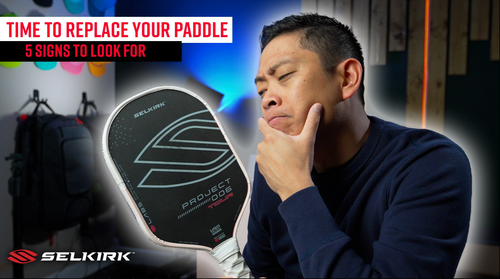
What actually determines paddle lifespan
Paddle life is not just about the brand or the price. It is about how you play, how it is built, and how you care for it. That is why two players with the same paddle can see very different lifespans.
Key factors that drive how long can a pickleball paddle last:
- Frequency of play. More hits mean faster wear. Daily drilling ages a paddle fast.
- Playing style. Big swings, drives, and hand battles stress the face and core.
- Environment. Heat, cold, and UV weaken resin and adhesives over time.
- Build quality. Materials, bonding, and edge design all affect durability.
- Care habits. Clean faces and cool storage extend life. Car trunks kill paddles.
How materials matter:
- Core. Polymer honeycomb is the most common. It is quiet and durable for most players. Nomex is very hard and loud. It can last, but feels harsh. Aluminum can dent and lose pop sooner.
- Face. Carbon fiber holds stiffness well. Fiberglass hits big but can micro-crack with heavy use. Graphite is often a carbon blend.
- Structure. Thermoformed and unibody frames reduce seam failures. Foam-injected rails support the edge and resist collapse.
Standards help, but wear still happens. USA Pickleball sets limits for paddle deflection and surface roughness. A used paddle may still be “legal,” yet feel dead or slick. That is the point where performance drops, even if the paddle looks fine.
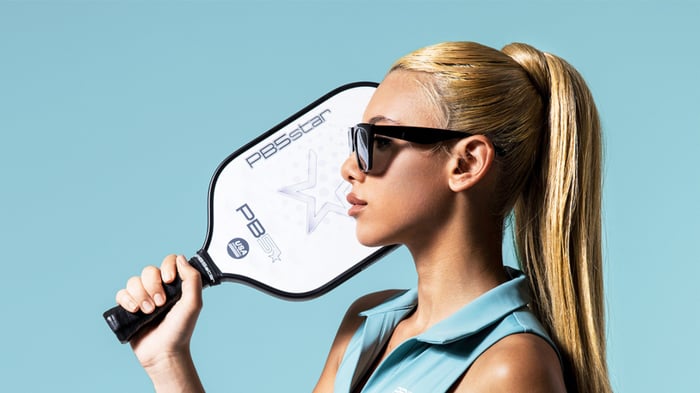
Typical lifespan by player profile
Your schedule is the best predictor of how long can a pickleball paddle last. Use these ballpark ranges to plan your next upgrade.
- Casual player, 1 to 2 times a week. About 12 to 36 months if stored well.
- League regular, 3 to 4 times a week. About 9 to 18 months with normal wear.
- Tournament grinder, 5 to 7 days a week. About 3 to 9 months, sometimes less.
- Coach or heavy driller. About 2 to 6 months due to constant impact.
- Junior or soft hitter. About 18 to 36 months if the face stays clean.
These are averages. A raw carbon fiber paddle may hold pop longer than a fiberglass face for some players. Hot cars, rough courts, and hard balls can cut these numbers in half.
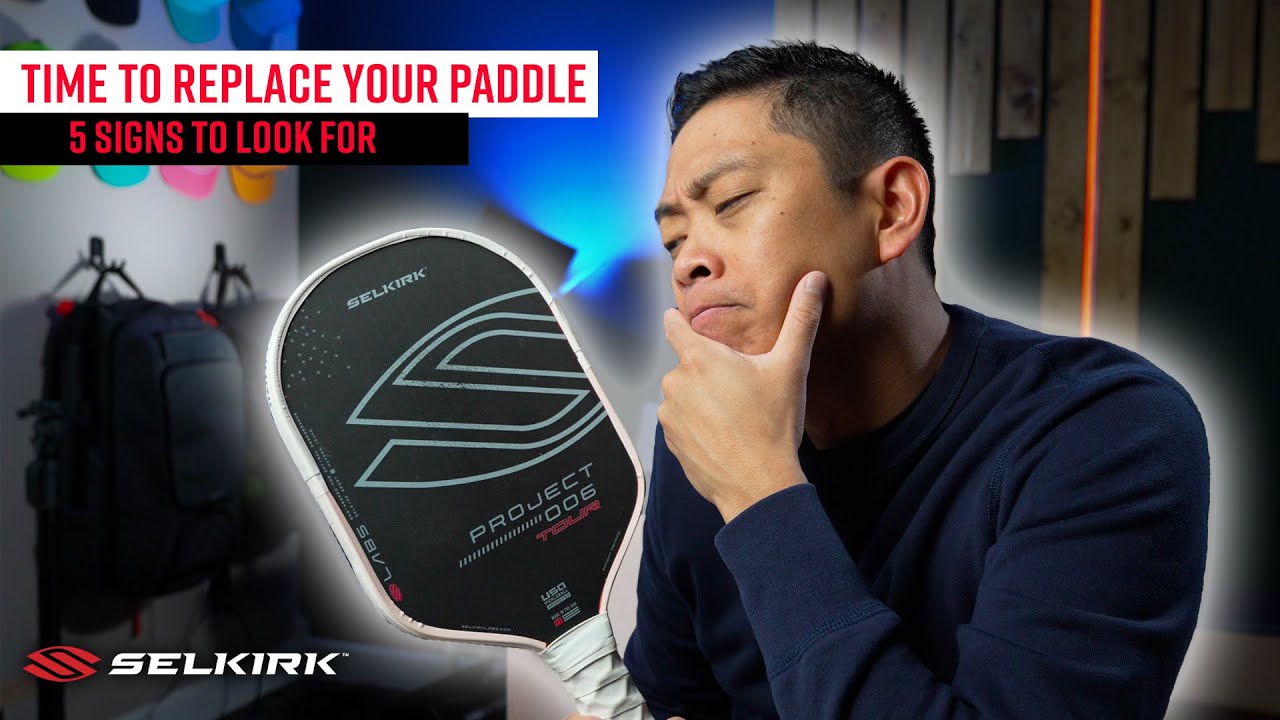
Materials and build that boost or shorten life
The construction is the engine of lifespan. If you want to stretch how long can a pickleball paddle last, start here.
What tends to last longer:
- Polymer honeycomb core with good bonding. It balances feel and durability.
- Raw carbon fiber faces. They keep stiffness and shape well.
- Thermoformed or unibody designs. Fewer weak seams and tighter edges.
- Foam edge walls. Better support at 3, 9, 10, and 2 o’clock.
What can wear sooner:
- Fiberglass faces used by power hitters. Great pop, but more prone to micro-cracks.
- Aluminum cores under heavy hitters. Dents can form and reduce energy return.
- Poor edge guards. Lifting or gaps let dust and sweat reach the core.
- Overly rough grit that sheds fast. Spin drops when the face smooths out.
Note on delamination and “hot” paddles:
- Some paddles can separate face from core. This can boost pop, then fail. If the sound turns hollow and control is wild, stop using it. It may be unsafe or non-compliant.

Clear signs your paddle is wearing out
You do not need a lab to spot a tired paddle. Use your ears, your touch, and a few simple checks.
What to look for:
- Dead spots. Balls land short, even on clean swings. The sweet spot shrinks.
- Rattle or buzz. Loose bits in the core or edge are a warning sign.
- Edge guard lift. Gaps invite moisture and dirt, which speeds up damage.
- Slick face. Spin falls off as the texture fades.
- Hollow or dull sound. Tap across the face with a ball or your knuckle. A dull thud can reveal a dead zone.
- Soft feel on drives. You swing the same, but the ball floats.
Quick tests at home:
- Bounce test. Drop a ball from the same height on different parts of the face. Note any big drop in rebound.
- Spin check. Hit your usual roll. If the ball stops kicking, the face may be smooth.
- Weight check. A sudden weight change can point to damage or moisture entry.
- Flashlight scan. Look for hairline cracks or face lift near the edge.
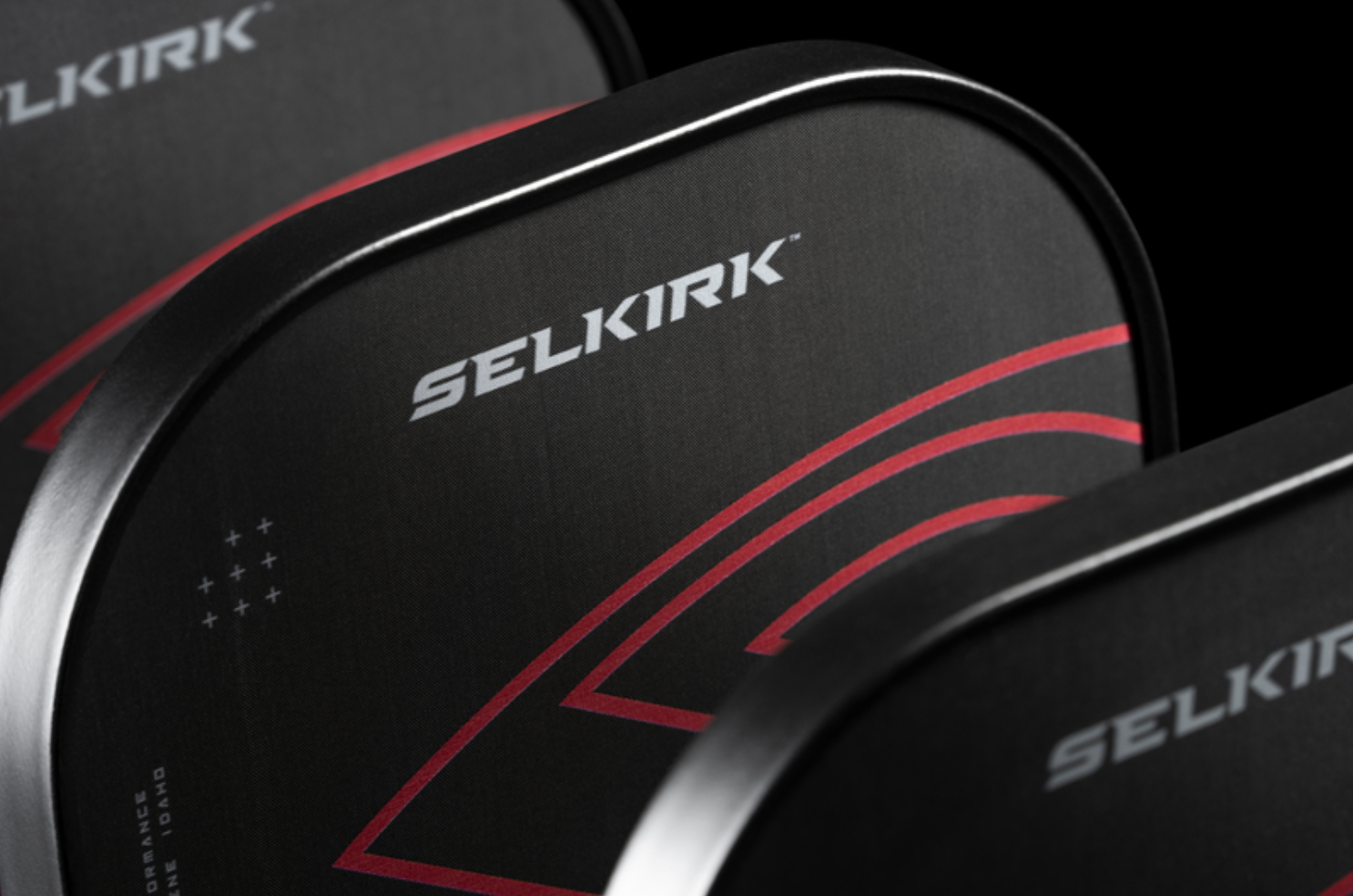
How to make your paddle last longer
Simple habits can double how long can a pickleball paddle last. Most are free and easy.
Storage and care:
- Keep it cool and dry. Do not leave it in a car trunk or direct sun.
- Use a cover or padded sleeve. It stops scuffs and grit damage.
- Clean with water and a soft cloth. Light use of a melamine sponge is fine. Avoid harsh cleaners.
On-court habits:
- Do not scrape the face on the ground or net posts.
- Rotate two paddles if you play often. It spreads the wear.
- Add edge tape if you hit a lot of walls or dig low balls.
- Replace the grip or use an overgrip. Dry hands protect the handle and your elbow.
Ball and weather choices:
- Very hard outdoor balls in cold temps hit like rocks. They stress the face.
- If you can, switch to a softer ball in the cold. Your paddle and joints will thank you.
Cost per play and when to replace
A simple cost check helps you decide. It also makes upgrades feel smart, not guilty.
Try this quick math:
- Price of paddle divided by number of sessions.
- Example. A $180 paddle, 3 days a week, for 12 months. That is about 150 sessions. Your cost is about $1.20 per play. Not bad for a better game.
Good times to replace:
- Your depth is short and you are adding swing just to clear the net.
- Your spin drops and you cannot shape shots you used to hit.
- You hear rattle, feel dead spots, or see edge lift.
- Big events ahead. Do not roll into a tournament with a tired face.
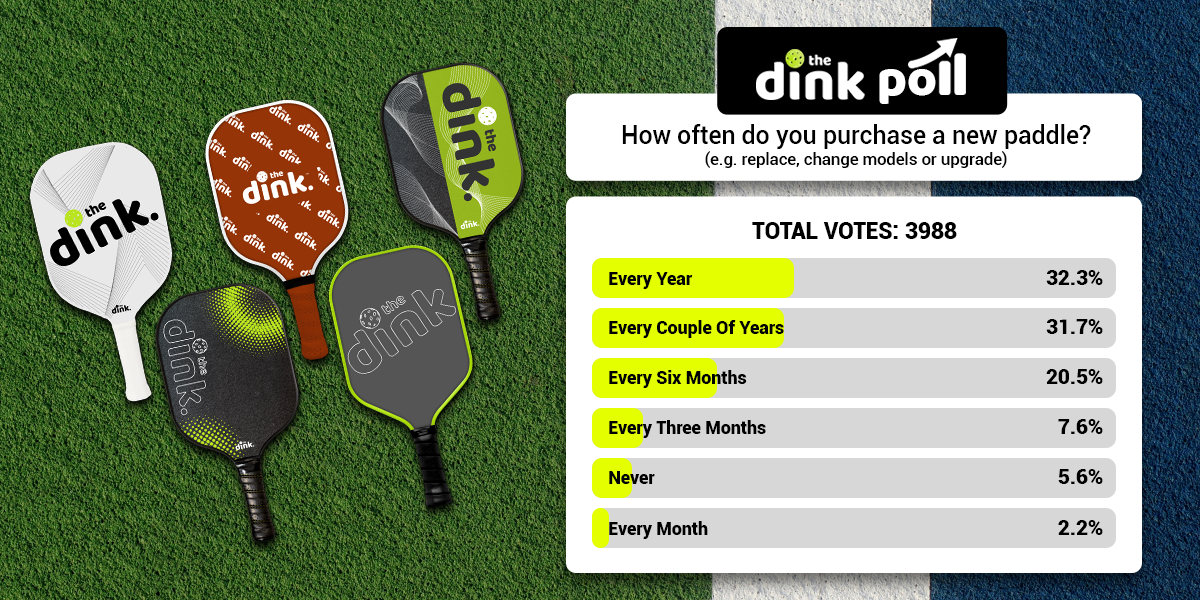
For many rec players, replacing every 12 to 18 months is fair. If you compete often, 3 to 9 months may be right. This is the simple answer to how long can a pickleball paddle last in real life.
Warranties, returns, and ethical disposal
Most brands offer a limited warranty. It often covers defects for 6 to 12 months. Abuse, car heat, and normal wear are not covered. Register your paddle and keep your receipt.
Try before you buy if you can. Demo programs and local pro shops help you find a fit. Good fit reduces mishits, which helps your paddle last.
Disposal and reuse:
- Keep a worn paddle as a backup or loaner.
- Donate to schools or community clubs.
- Upcycle into a wall hanger or training aid.
- Full recycling is tough for composites, but metal edge guards and grips can be repurposed.
Data-backed insights and common myths
A few myths still float around courts. Let’s clear them up with simple facts.
- Myth. Heavier paddles last longer. Reality. Weight alone does not predict life. Build and care matter more.
- Myth. Carbon fiber never wears out. Reality. The resin and face texture still age and smooth out.
- Myth. If it looks fine, it plays fine. Reality. Many paddles lose pop and spin long before they show damage.
- Insight. Lab impact tests show faces and cores change after many hits. Stiffness falls and the sweet spot shrinks.
- Insight. Heat and UV age resins fast. Shade and cool storage can add months.
These facts support the real answer to how long can a pickleball paddle last. Your habits and your build choice set the ceiling.
What I’ve learned from testing paddles
I coach and drill three days a week. My raw carbon fiber paddle kept strong spin for five months. Then I heard a faint buzz and found a dead zone near 10 o’clock. I swapped early and my control came back at once.
With fiberglass, I got big pop at first. By month four, the face felt smoother and my rolls lost bite. Now I clean the face after every session and rotate two paddles in season. These small steps changed how long can a pickleball paddle last for me and my players.
Practical tips I trust:
- Clean, cool, cover. Do these three every time.
- Watch sound, spin, and depth. They tell the truth.
- Keep a second paddle ready. It removes stress on match day.
- Register your warranty on day one.
Frequently Asked Questions of how long can a pickleball paddle last
How long can a pickleball paddle last for a casual player?
Most casual players get 12 to 36 months. Keep it clean and cool to push to the high end.
How do I know when to replace my paddle?
Watch for dead spots, dull sound, and a drop in spin or depth. If you must swing harder to get the same ball, it is time.
Does carbon fiber make a paddle last longer?
Often yes, because it holds stiffness well. But how long can a pickleball paddle last also depends on bonding, edges, and storage.
Will leaving my paddle in the car ruin it?
Heat and UV can weaken resin and glue. Avoid cars and sun to extend how long can a pickleball paddle last.
Do indoor or outdoor balls affect paddle life?
Hard outdoor balls in cold weather hit the face harder. Softer balls or warmer temps can reduce stress and wear.
Can I fix a dead spot or rattle?
Not in a lasting way. Minor edge lift can be taped, but core damage or delam needs a replacement.
How long can a pickleball paddle last if I play every day?
Daily players often see 3 to 9 months. Rotating two paddles and careful storage can add more time.
Conclusion
A paddle is like a pair of running shoes. It feels great new, then slowly fades. Now you know the signs, the care tips, and the real ranges for how long can a pickleball paddle last. Use smart storage, gentle cleaning, and simple tests to protect your gear and your game.
Ready to dial in your setup? Track your spin and depth for a week, clean the face, and plan your replacement window. Subscribe for more gear guides, or drop your paddle story in the comments so we can learn together.