
DUPR pickleball rating is a dynamic, opponent-based score from 2.0 to 8.0.
If you want fair matchups, clearer goals, and a simple way to track progress, the dupr pickleball rating is your best friend. I have used DUPR across leagues, club ladders, and tournaments. In this guide, I break down how it works, how to raise it, and how to avoid common traps so you can play smarter and climb with confidence.

What is the dupr pickleball rating?
The dupr pickleball rating is a universal skill score for pickleball. It shows how strong you are based on who you play and how you score. It updates as you play more matches, so it reflects your current level.
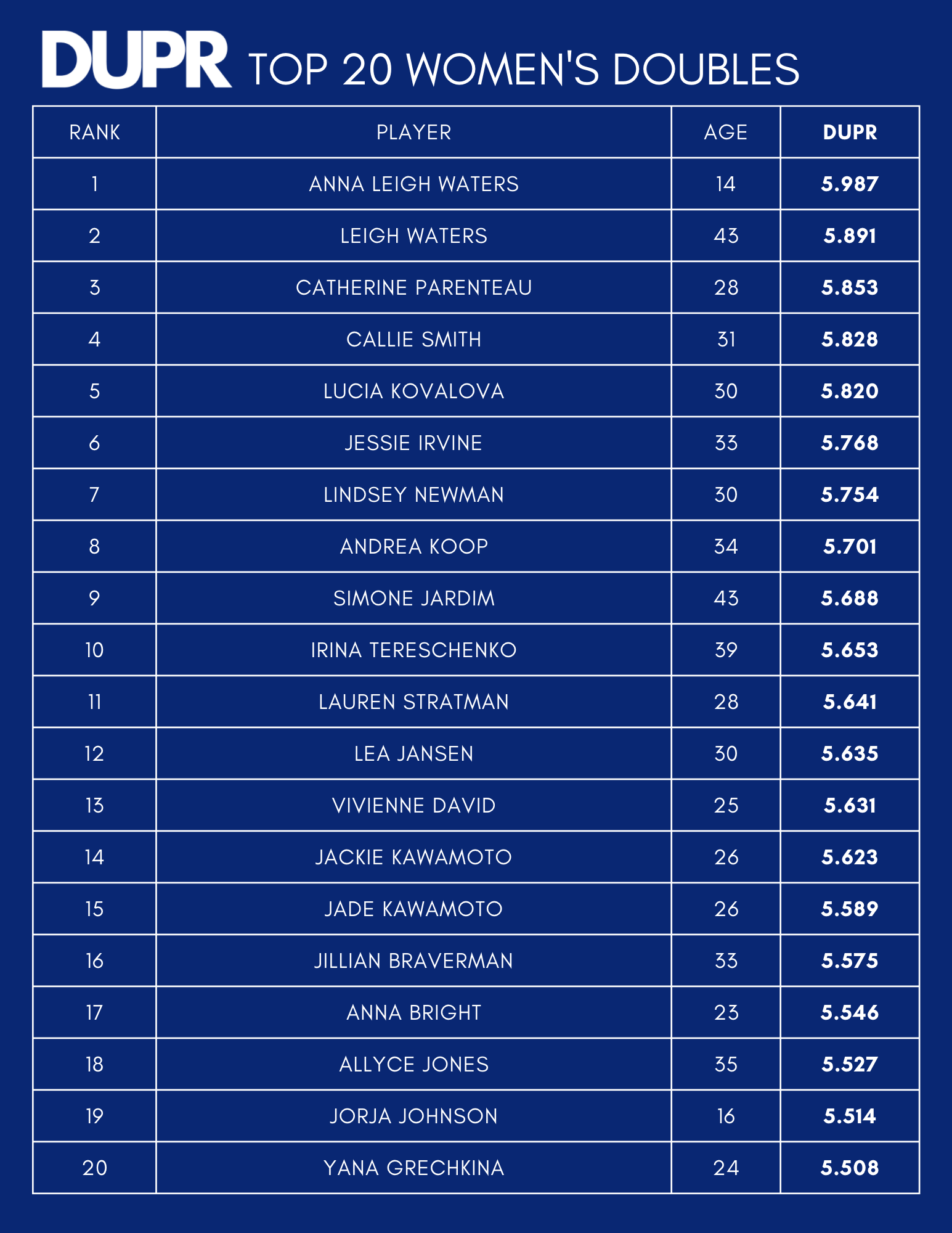
You get a singles rating and a doubles rating. There is also an overall rating that many players use for open play. The scale runs roughly from 2.0 for new players to 8.0 for elite pros. Many local clubs now base courts, ladders, and events on a dupr pickleball rating.
A big plus is that DUPR works across places and formats. You can log rec games, leagues, and tournaments. Verified results from clubs and events carry more trust. That makes your rating useful wherever you play.

How the dupr pickleball rating algorithm works
DUPR uses a performance model that learns from your results. It is opponent based, so your score shifts more when you face players far above or below you. Not every point counts the same. The model looks at match type and how close the games were.
Inputs and weights you can control
- Opponent strength Strong opponents move your rating more.
- Match type Singles and doubles are tracked on separate scales.
- Point margin Close wins help less than clear wins against the same foe.
- Sample size Early ratings move faster until you build a record.
Reliability and recency
Your rating gains confidence as you log more matches. Recent results matter more than very old ones. If you take a long break, your rating may feel a bit stale until you play new matches.
Verified vs self-reported matches
- Verified matches come from clubs, leagues, and major events. Player identities and scores are confirmed.
- Self-reported matches can still help, but they carry less trust than verified results.
Both types feed the model. Verified data helps control sandbagging and boosts fairness.
Singles vs doubles math
Singles rewards individual performance. Doubles also considers your partner and the opposing pair. If you beat stronger pairs, you gain more. If you lose to weaker pairs, you drop more. Over time, the model settles into a stable view of your skill in each format.
Note that DUPR updates its system from time to time. The exact math may change, but the goals stay the same. It should be fair, stable, and hard to game.
How to get and grow your dupr pickleball rating
Here is the simple path I give to new players.
- Download the DUPR app and create your profile.
- Join your club or local DUPR community so your games can be verified.
- Log matches every week. Aim for a mix of opponents.
To grow your dupr pickleball rating, focus on repeatable wins at your level and just above. Small edges, often, beat rare upsets. Here are practical tips I use with students.
- Play two to three focused sessions each week. Short and sharp beats random marathons.
- Seek consistent partners who match your style.
- Track one skill at a time. For most mids, it is serve depth, third shot drop, or dink patience.
- Choose matches that are competitive. Total blowouts teach less and can distort goals.
- Warm up with intent. Ten minutes of targets can lift your first game a lot.
I have seen players jump a half point in eight to ten weeks with steady practice and smart scheduling. The key is quality reps and regular verified play. That is what moves a dupr pickleball rating.
Interpreting the scale and skill bands
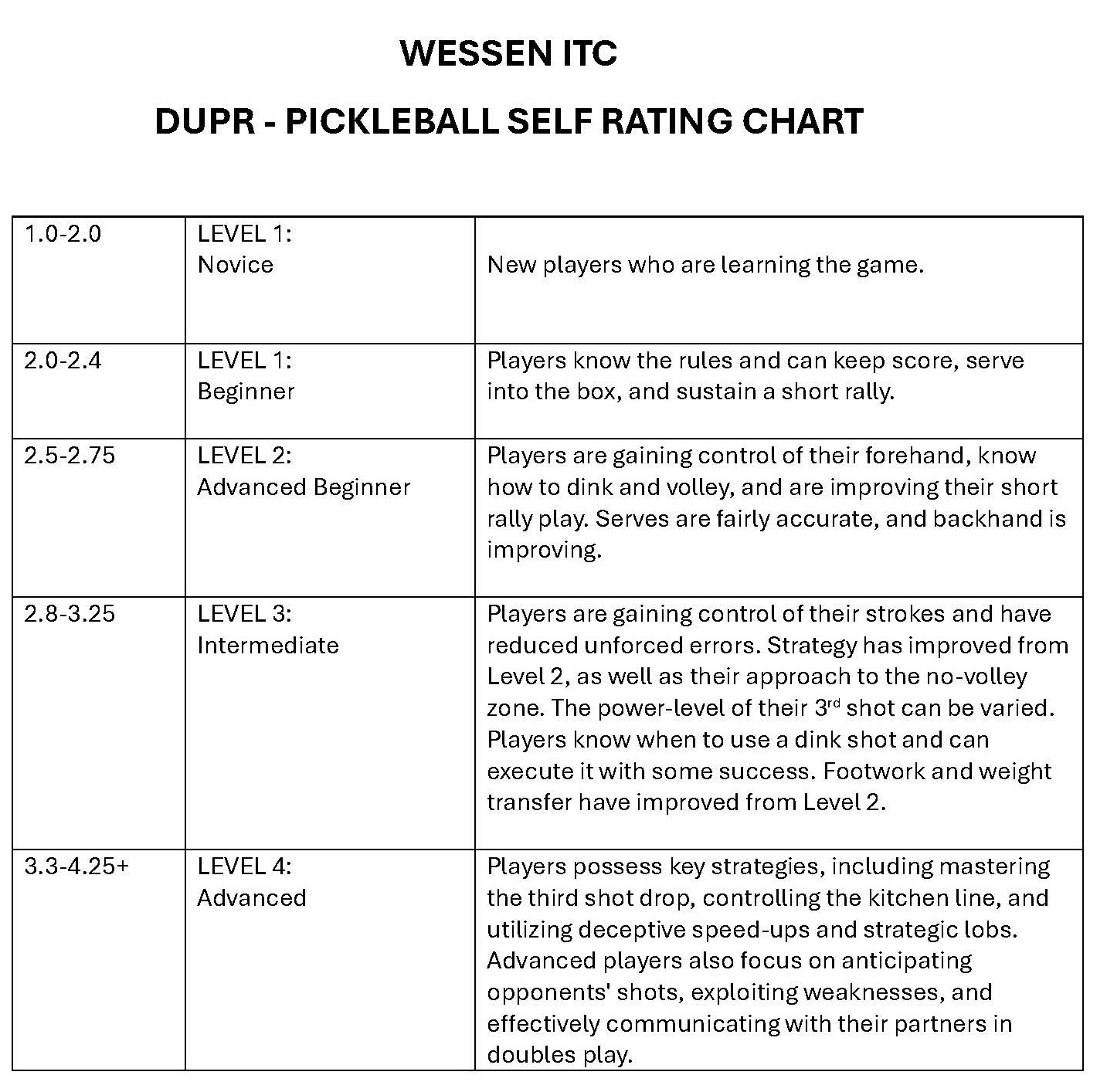
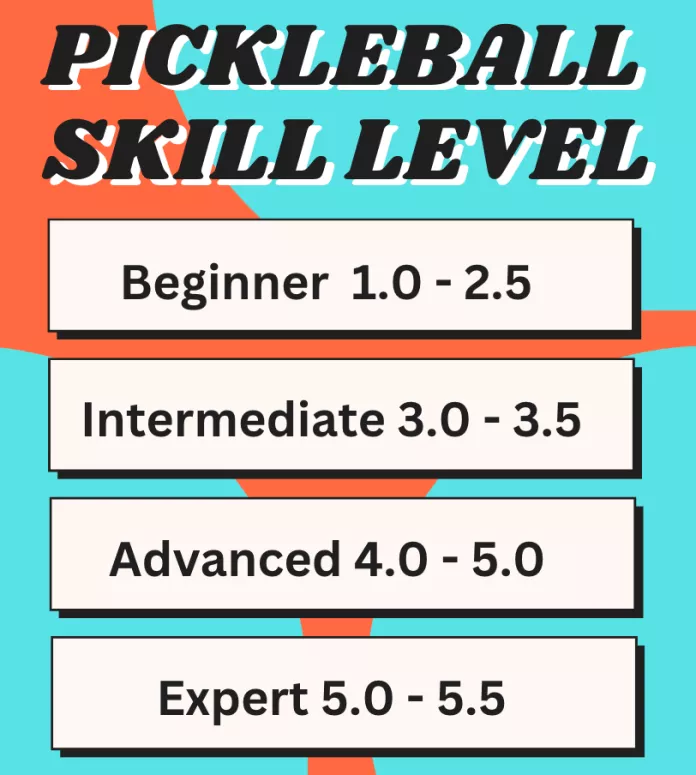
Numbers make sense when you know what they look like on court. These ranges are common in clubs today. Use them as a guide, not a rule.
- 2.0 to 2.9 New to rules and scoring. Basic rally skills. Many faults.
- 3.0 to 3.4 Can sustain dinks and serve returns. Learning third shot.
- 3.5 to 3.9 Starts to attack high balls. Better resets. Fewer free points.
- 4.0 to 4.4 Strong patterns and defense. Faster hands at the kitchen.
- 4.5 to 4.9 Converts more thirds. Offense from both wings. Poaches well.
- 5.0 and up Advanced reads, deception, and pressure. Wins with plans, not just shots.
Remember that singles and doubles can sit at different points. Many players have a higher doubles dupr pickleball rating because tactics and teamwork reduce movement demands.

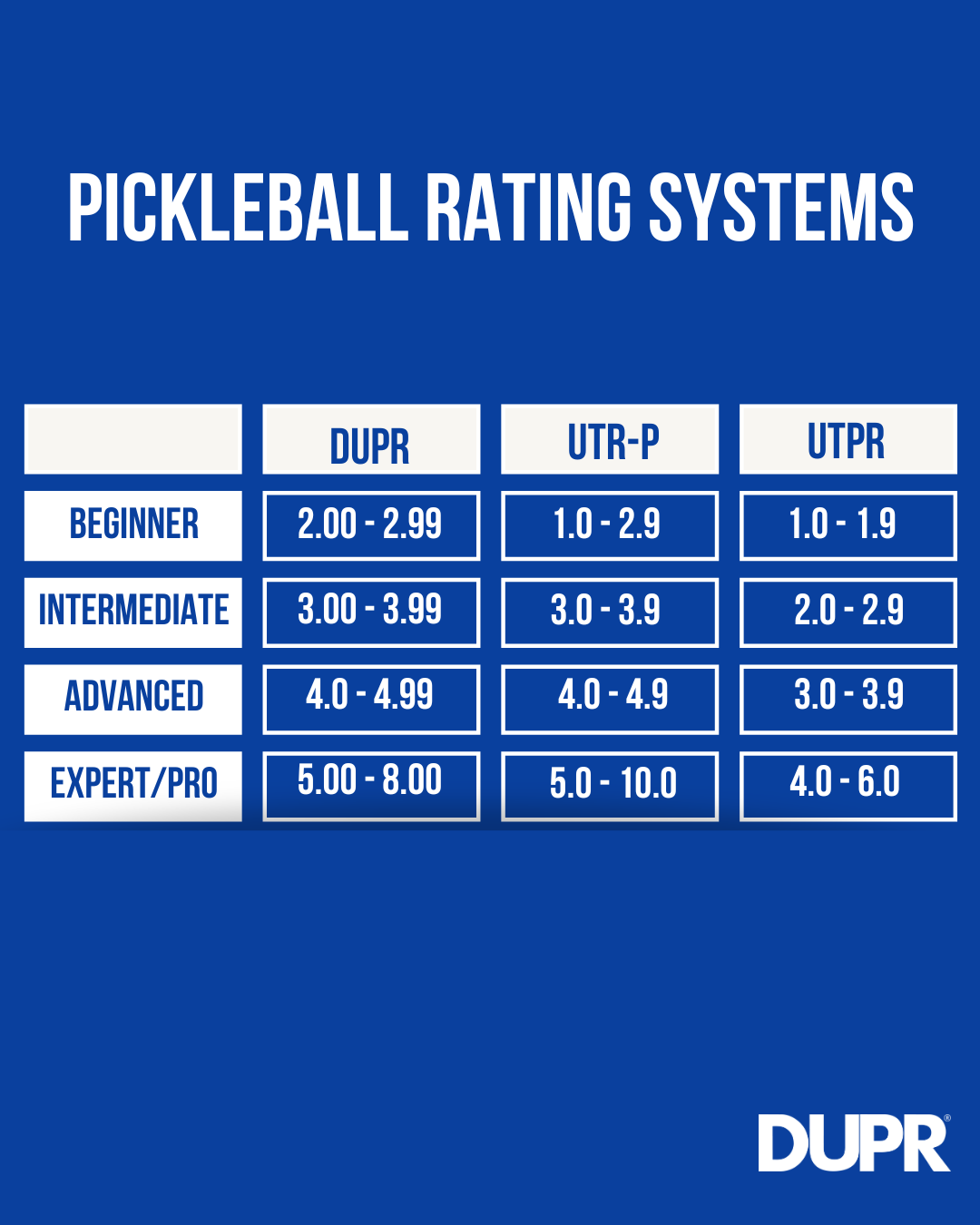
DUPR vs UTPR and other ratings
Many players ask how DUPR compares to UTPR or club-only ladders. Here is a simple view.
- Coverage DUPR accepts rec, league, and tournament results. UTPR focuses on sanctioned events.
- Update speed DUPR updates often as new results arrive. UTPR can lag event cycles.
- Portability DUPR travels with you across clubs. Local ladders do not.
- Transparency DUPR publishes broad factors and goals. Exact formulas evolve, but the core is stable.
- Practical use Most open plays now sort courts by a dupr pickleball rating. That helps matching.
None of these systems is perfect. Use the one your local scene runs on. For most players, DUPR gives the best mix of reach, speed, and fairness.

Common mistakes and myths with the dupr pickleball rating
I see the same traps again and again. Avoid these and you will save months.
- Chasing points over skills Players try to farm easy wins. It stalls growth and can backfire.
- Ignoring verified play If you never log verified matches, your dupr pickleball rating moves less.
- Playing only weaker foes This leads to soft habits. Mix in even or stronger pairs.
- Panicking after a bad day Ratings move. Look at trends across ten to twenty matches.
- Hiding from singles Even two singles sets a month improve footwork and offense.
A student of mine tried to jump by stacking with a much stronger partner. He won, but his own errors stayed high. We shifted to balanced matches and skill blocks. Three weeks later, his hands got faster, and his dupr pickleball rating rose in a steady line.
For coaches, captains, and tournament directors
The dupr pickleball rating is a great sorting tool if you use it with care. Here is what works well.
- Set entry bands with ranges and flexibility. Allow captain discretion for edge cases.
- Seed brackets by verified results first, then by recent form.
- Encourage mixed levels on club nights, but keep league tiers tight.
- Post clear rules for logging scores and disputes. Consistency builds trust.
When teams and events lean on verified data, players feel seen and matched well. That keeps games close and fun. It also reduces sandbagging incentives.

Data, privacy, and fairness
Players often ask what data DUPR uses. It uses match scores, opponents, dates, and event flags like verified status. It does not need swing speed, wearable data, or video. Your profile controls what shows to others.
Fairness sits on three pillars in DUPR.
- High quality inputs Verified matches add trust.
- Robust math Opponent based, margin aware, and recency weighted.
- Ongoing checks The model updates over time to reduce exploits.
No rating is perfect. Sometimes a dupr pickleball rating lags a hot streak or undershoots a comeback. That is normal. Keep playing and let fresh results speak.
Real examples and case studies
Here are simple, real world paths I have seen.
Example 1
A 3.10 doubles player logs twelve verified matches across four weeks. Most wins are close over 3.0 to 3.3 pairs. She splits two matches with a 3.5 pair. Her dupr pickleball rating rises to about 3.35. Small, steady steps beat one upset that you cannot repeat.
Example 2
A 4.0 singles player returns after four months off. He goes three and five in week one, then five and three in week two against 3.9 to 4.1 foes. His dupr pickleball rating dips to 3.95, then returns to 4.02. The model rewards recent form as match count grows.
Example 3
A 3.6 player partners with a 4.2 for one league. They beat several 3.8 to 4.0 pairs. The 3.6 gains, but not as fast as he hoped. When he later wins with a 3.6 partner over 3.8 pairs, his dupr pickleball rating jumps more. The model values wins that show your own impact.
Frequently Asked Questions of dupr pickleball rating
How do I get my first dupr pickleball rating?
Create a profile in the DUPR app and log matches. Your provisional score appears after your first few results and improves with more play.
How many matches do I need for a reliable rating?
Aim for at least ten to fifteen matches. Verified results and recent games will boost confidence in your dupr pickleball rating.
Do rec games count toward my dupr pickleball rating?
Yes, if you log them. Verified league or club results carry more weight, but rec games still help the model learn.
Can I lose rating points in a win?
Yes. If you barely beat much lower rated opponents, your rating might stay flat or dip. It is about performance versus expectation.
Why is my singles rating different from my doubles rating?
They measure different skills. Doubles rewards teamwork and hands. Singles rewards movement and offense, so the dupr pickleball rating can differ.
Does playing stronger opponents always help my rating?
It helps if you perform above expectation. Good losses can soften a drop, but repeated heavy losses will still lower your rating.
Can I hide matches that hurt my dupr pickleball rating?
No. Once verified and posted, matches should stand. Transparent data keeps the system fair for everyone.
Conclusion
Your dupr pickleball rating is a tool, not a trophy. Use it to set smart goals, shape your practice, and find great matches. Log verified results, mix your opponents, and focus on repeatable skills. That is how you climb and enjoy the ride.
Pick one tip from this guide and apply it in your next session. If you want more help, subscribe for weekly drills and rating insights, or drop a comment with your current goal.