No—do you get two serves in pickleball? You get one legal serve only.
If that surprised you, you’re in the right place. I coach new players and see this mix-up every week. This guide explains why people ask do you get two serves in pickleball, how doubles serving really works, and the exact rules you need to play with confidence. You’ll learn the official updates, common faults, and practical tips to win more points from the very first shot.
Do you get two serves in pickleball? The real rule and the common mix-up
Here is the short, clear answer: you get one serve attempt per rally. There is no second try like in tennis. If you miss your serve, that is a fault and you lose the serve.
So why does everyone ask do you get two serves in pickleball? In doubles, each team usually has two servers per side-out. That means Player 1 serves until a fault, then Player 2 serves until a fault, then the other team gets the ball. Many players confuse “two servers” with “two serves.”
There is one exception to the two-server rotation. At the very start of a game, only one player on the first serving team serves. That is why games start at 0-0-2. After that first side-out, the normal two-server rotation begins.
If you are still wondering, do you get two serves in pickleball ever? The answer stays the same. You only get one legal serve attempt per rally, even if the ball hits the net. The point plays on if it lands in. If it lands out or in the kitchen, it is a fault.

The official serving rules you should know
If you want clean points and fewer debates, learn these serve basics. These come straight from the current official rulebook and tournament practice.
- Call the full score before you serve.
- You have 10 seconds to serve after the score call.
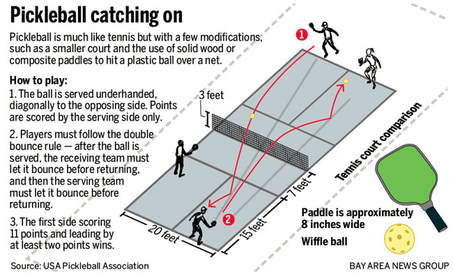
- Serve diagonally crosscourt, into the opposite service box.
- The ball must land in the service box beyond the kitchen line. Landing on the kitchen line is a fault. Sideline, centerline, and baseline are in.
- Both feet must be behind the baseline at contact. Do not touch the court or baseline until after contact.
- Volley serve: contact the ball at or below the waist, with the paddle head below the wrist at contact. No pre-spin with the release hand.
- Drop serve: drop the ball from your hand or paddle and hit it after it bounces. You can let it bounce more than once. Do not toss it upward or push it down.
- Net-cord serves remain live if the ball lands in the correct box. There are no let serves.
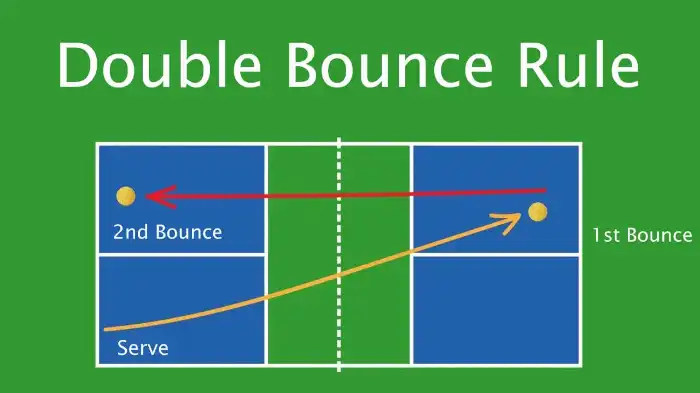
- The double-bounce rule still applies. Let the serve bounce. The returner must also let your first shot bounce before anyone can volley.
Do you get two serves in pickleball if there is a small distraction? Usually, no. Only certain replay cases apply, like a called wrong score that is corrected before the return is hit, or a clear external hindrance.

Doubles serving order explained
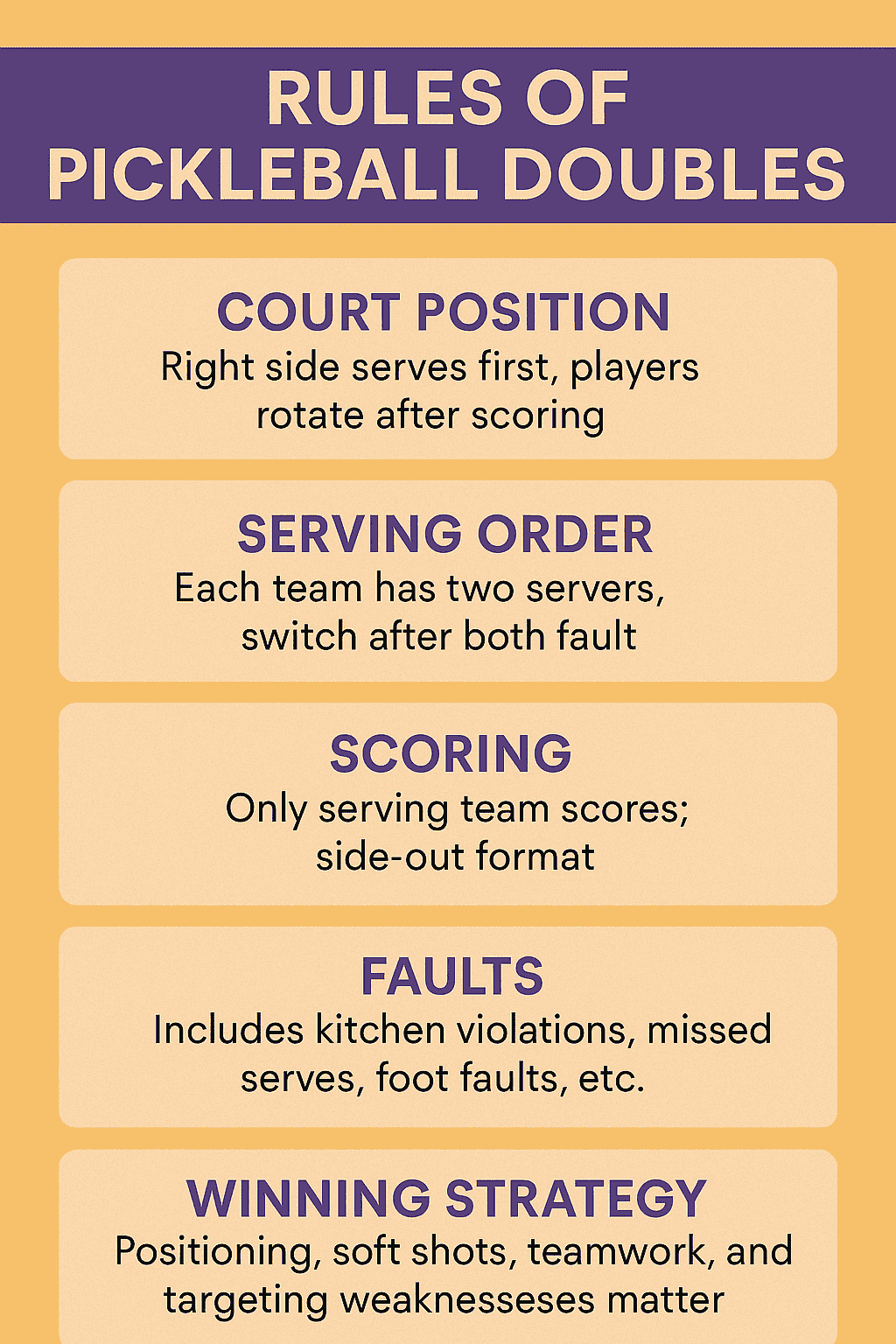
This is where most players mix up the idea of two serves. In doubles, a team gets two servers in each service turn. But again, each server still has only one serve attempt per rally.
Here is how it works in plain terms.
- The serve starts on the right side. The serving player is “Server 1.”
- If Server 1 wins the rally, that server switches sides with their partner and serves again.
- When Server 1 loses a rally, the ball stays with the team. Server 2 now serves from whichever side they are standing on that matches the score.
- When Server 2 loses a rally, it is a side-out, and the other team serves.
- At the start of the game, only one player serves. That is why the starting score is 0-0-2.
A quick example helps. Say you ask, do you get two serves in pickleball when my partner shanks a serve? No. Your partner’s missed serve is a fault. But if your team was on Server 1, you still get a chance as Server 2. That is not a “second serve.” It is the second server.
Singles serving versus doubles
Singles keeps things simple. One server, one returner, one serve attempt per rally.
- If your score is even, serve from the right side.
- If your score is odd, serve from the left side.
- You still must serve diagonally.
- There is no second server and no second serve attempt.
Do you get two serves in pickleball in singles? No, you do not. You get one legal serve attempt per rally. If you fault, your opponent serves.

Common serve faults and how to avoid them
Most serve errors are easy to fix once you spot the pattern. Here are the big ones I see during clinics.
- Hitting long or wide. Aim two feet inside the lines. Think “big target, not perfect corner.”
- Landing in the kitchen. Picture a “no-fly zone” beyond the NVZ line. Go deeper than you think.
- Foot faults. Set your feet. Pause. Then swing. Both feet must be behind the baseline at contact.
- Illegal volley serve. Keep the paddle head below your wrist. Strike the ball at or below your waist.
- Tossing on the drop serve. Do not push the ball down or toss it up. Just let it fall.
Do you get two serves in pickleball if you foot fault by accident? No. A fault is a fault. Use a short pre-serve routine to avoid it.
Try this quick checklist before each serve.
- Say the score out loud.
- Pick a safe target.
- Set your feet behind the baseline.
- Breathe in, breathe out, then swing.
Strategy: use your one serve well
One serve means you must value placement over power. You do not need an ace. You need a tough, deep ball that sets up your next shot.
Smart, simple targets work best.
- Deep to the backhand of the weaker player in doubles.
- Deep to the returner’s outside foot to push them wide.
- Body serve at mid-pace to jam their swing.
- Mix in a drop serve on windy days for control.
Do you get two serves in pickleball to “try again” when you go big and miss? You do not. Favor a high-percentage ball. Run your serve like a good first pitch in baseball: fast enough, but in the zone.
Real-life lessons from the court
When I first coached a city league, half the group asked, do you get two serves in pickleball, like tennis? We fixed the habit with one change. Everyone picked a big, deep target and used a slow, smooth motion. Misses dropped fast.
On a gusty day, I switch to the drop serve. My error rate falls right away. I also use a four-count cue: score, spot, set, swing. It sounds basic, but it keeps me calm on game point.
The biggest lesson? Play the long game. A safe serve keeps you in rallies. That wins matches more than one flashy hit.
Frequently Asked Questions of do you get two serves in pickleball
Do you get two serves in pickleball like tennis?
No. You get one legal serve attempt per rally. If you fault, the serve moves to your partner or to the other team.
Do you get two serves in pickleball in doubles because there are two players?
No. You have two servers per team, not two serve attempts. Each server still gets one attempt per rally.
What happens if my serve hits the net and lands in?
Play on. There are no let serves. If it lands in the correct box, the rally continues.
Can I re-serve if I called the wrong score?
If the wrong score is called and corrected before the return is hit, a replay may apply. If the rally has started and continues, the point often stands.
Do you get two serves in pickleball during singles?
No. Singles follows the same one-serve rule. Even score serves from the right, odd score from the left.
Can I add spin to my serve?
You cannot pre-spin the ball with your release hand on a volley serve. You may use a drop serve to manage spin and control, as allowed by rules.
Why do people ask do you get two serves in pickleball so often?
Because doubles has two servers in each service turn. That looks like “two serves,” but it is not the same as two attempts.
Conclusion
You now know the clean truth: one serve attempt per rally, with two servers per team in doubles. That is why the question do you get two serves in pickleball pops up so often. Use a calm routine, hit a deep target, and choose control over risk.
Take this to your next game. Call the score, set your feet, and deliver a steady ball. Want more tips like this? Subscribe, share this with your pickleball group, and drop your serve questions in the comments.