A dink in pickleball is a soft, precise shot that drops into the kitchen.
If you want to control rallies, you must master the dink in pickleball. I coach players from beginner to tournament level, and the same truth holds: the game opens up when your soft game locks in. This guide will teach you how the dink in pickleball works, why it wins, and how to make it your edge.
What Is a Dink and When to Use It
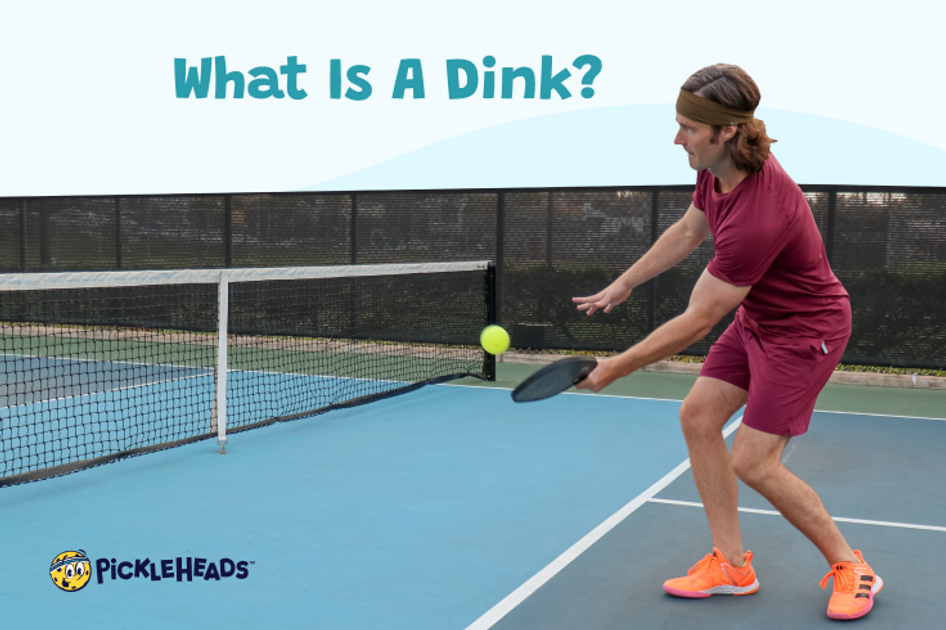
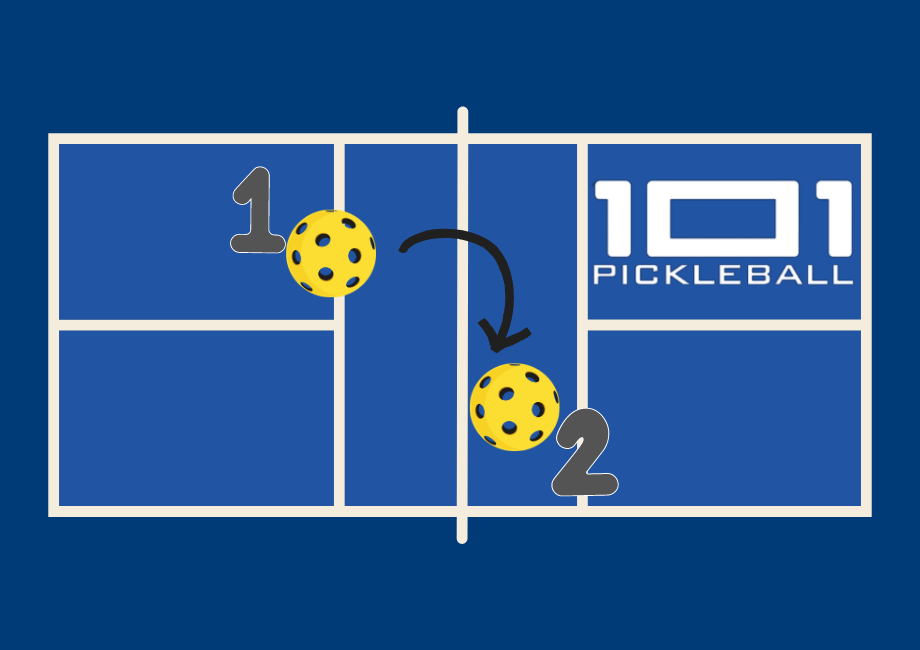
A dink in pickleball is a gentle shot hit from near the non-volley zone that lands in your opponent’s kitchen. It clears the net by a small margin and bounces low. The goal is to remove pace, force errors, and set up attack chances.
You use a dink in pickleball when the ball is below net height or when both teams are at the kitchen. It helps you reset fast balls, slow the rally, and make your foe move. It is also a safe way to build pressure without risk.
Think of it as chess with a paddle. You move the ball to spots that make your opponent late or off balance. Then you strike when they pop it up.
Why the Dink Wins Games
The dink in pickleball wins because it steals time and space. Low, short bounces force your rival to hit up. When they hit up, you can hit down on the next ball.
Match charting shows that many rallies end with an error under pressure near the kitchen. Long dink patterns draw those errors. A solid dink in pickleball also limits big swings, which cuts unforced mistakes.
In my league sessions, newer players improve fast when they stop swinging hard at low balls. Their rally length grows. Their win rate does too. Control beats chaos.

Mechanics of a Reliable Dink
Use a light, relaxed grip. Aim for a 3 or 4 out of 10 on grip pressure. This lets the paddle absorb pace and keeps your touch smooth.
Set your feet before you swing. Bend the knees, not the back. Keep your chest tall. Move with small, calm steps so the ball stays in front of you.
Make contact out in front, around knee to waist height. The swing is short and smooth, like a gentle push. Paddle face is slightly open, guiding the ball up and over.
Key checkpoints:
- Eyes still at contact to avoid lift.
- Quiet wrist and short follow-through.
- Clear the net by a foot or less.

Types of Dinks You Should Know
Different balls call for different dinks. Build these options into your game:
- Straight dink: Simple and safe. Go crosscourt only when needed.
- Crosscourt dink: More net to work with. Aim to the outside foot to pull them wide.
- Slice dink: Slight underspin for a lower bounce. Great on fast balls.
- Topspin roll dink: Gentle roll to dip the ball at their feet. Useful to pin backhands.
- Reset dink: A soft block when you are under fire. Get the rally back under control.
- Lob dink: A surprise kitchen lob when they crowd the net. Use with care.
A strong mix makes your dink in pickleball hard to read and hard to attack.
Drills to Master the Dink
Reps build touch. Add these simple drills to your week:
- Box targets: Place four small targets in the kitchen. Hit 10 balls to each with clean net clearance.
- Crosscourt ladder: Both players crosscourt. Hit five dinks deep, five middle, five short angle. Switch sides.
- No-volley rally: Trade only dinks for two minutes. Count unforced errors. Try to beat your best.
- Under pressure reset: Partner speeds balls at your feet. You block soft into the kitchen. Trade roles.
- Solo wall work: Stand close to a wall. Tap soft hits that bounce once. Keep your paddle face steady.
Track makes, not minutes. Consistency is the goal. A calmer mind leads to a better dink in pickleball.

Strategy at the Kitchen Line
Play high percentage first. Keep the ball low and safe until you earn a pop-up. Avoid sharp angles unless you are set.
Target the backhand when you can. Aim at feet and the outside hip. Move them side to side before you go behind them.
When a ball rises above net height, attack with control. Aim down and through the middle seam. If the ball is still low, keep dinking. Patience wins more than force.
Common Mistakes and Quick Fixes
Many players fight the same issues. Use these fast cures:
- Hitting too hard: Count one-two through contact and relax your grip.
- Lifting with the wrist: Freeze your wrist and use your shoulder as the hinge.
- Floating too high: Close the paddle face a touch and lower your net clearance.
- Getting jammed: Move your feet early so the ball stays in front.
- Aiming at lines: Aim at safe zones first. Edges come later.
These fixes turn a shaky dink in pickleball into a steady tool.

Gear That Helps Your Dink
Paddle choice matters. A softer core and control face help with touch. A textured surface can add bite for slice and roll.
A medium weight paddle gives stability without strain. Test grip size so your wrist stays relaxed. Too big or small kills feel.
Use game balls when you practice. Ball hardness changes bounce and timing. Shoes with good grip help you stop clean at the kitchen.

Singles vs Doubles Dinking
In singles, the dink in pickleball is more about space than pressure. Use it to pull your rival wide and open the court. Depth and angle beat long exchanges.
In doubles, you build patterns and look for the high ball. Target the weaker player or the backhand side. Work the middle seam to cause confusion.
Both formats reward a soft first touch. Control the ball, then control the point.
Advanced Tactics: Offense From a Dink
Disguise is gold. Show the same setup for a dink in pickleball, then roll a quick speedup to the shoulder. Mix pace without big tells.
Jam attacks work well off crosscourt dinks. When they slide wide, go fast back at their body or to the open middle. Keep your swing short so you can recover.
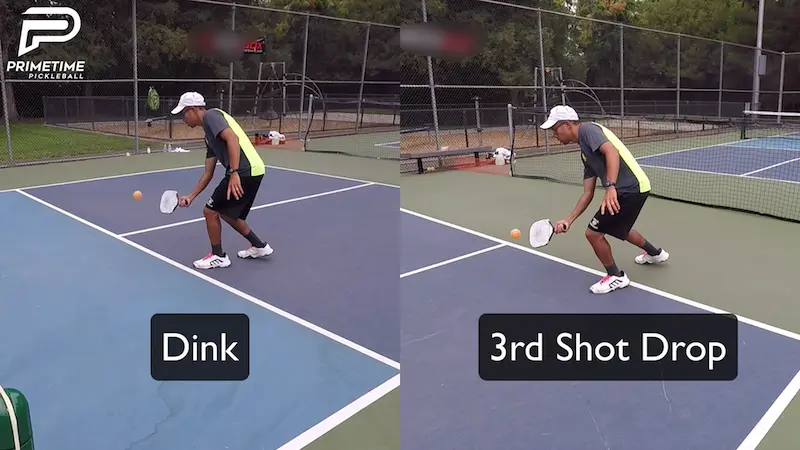
Third shot drop to dink is a classic build. Drop, step in, then work the kitchen with patient dinks. When a sitter comes, finish through the seam.
Frequently Asked Questions of dink in pickleball
What is the non-volley zone, and why does it matter for dinks?
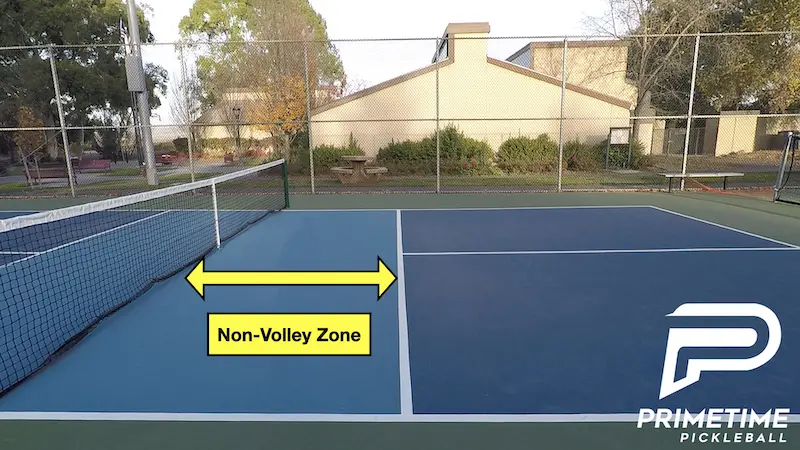
The non-volley zone, or kitchen, is the seven-foot area by the net. You cannot volley there, so the dink in pickleball keeps shots low and hard to attack.
Should I use backspin or topspin on my dinks?
Use light backspin for control on fast balls. Use a small topspin roll to dip the ball at feet or to change pace.
How do I know when to stop dinking and attack?
Attack when the ball is above net height and in front of you. If the ball is low or you are late, keep dinking.
What grip works best for consistent dinks?
A continental or slight eastern grip offers easy face control. It helps with soft touch and quick changes.
How can I practice alone to improve my dink?
Do wall taps close to the wall with one bounce. Set kitchen targets and self-feed 50 balls to each spot.
Why do I pop up my dinks under pressure?
You may be swinging too big or gripping too tight. Shorten the stroke, relax the hand, and keep eyes still at contact.
Conclusion
The dink in pickleball is the anchor of smart play. It slows the rush, sets up clean attacks, and cuts errors. With simple mechanics and steady drills, you will own more points at the kitchen.
Start with 10 minutes of focused dinks each session this week. Track your net clearance and targets. When your soft game clicks, the whole court opens up. Ready to level up? Share your progress, ask a question, or subscribe for more weekly tips.