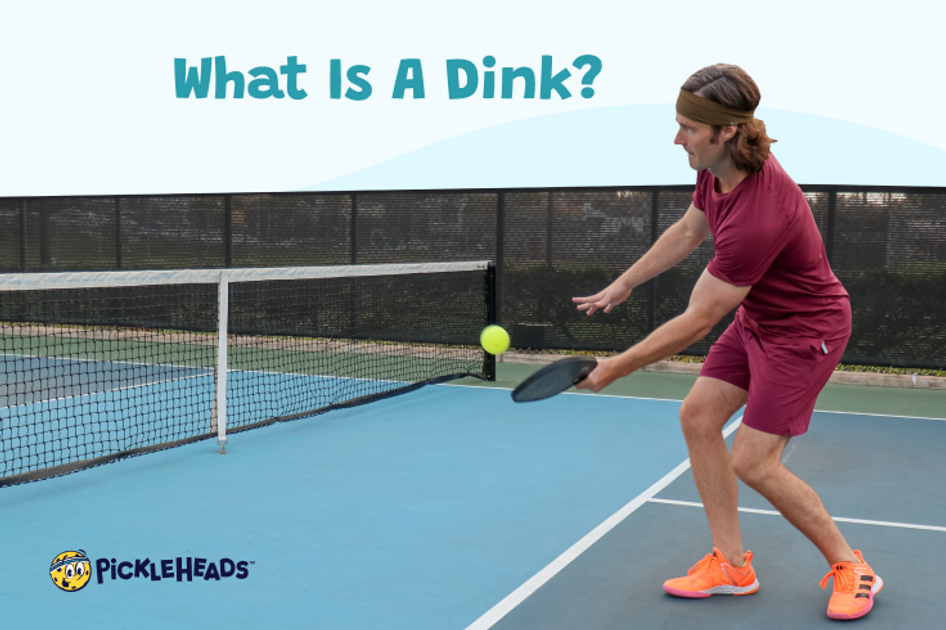
A dink in pickleball is a soft, low shot that lands in the kitchen.
If you want to win longer rallies, control pace, and set up clean put-aways, master the dink in pickleball. I’ve coached players from day one to tournament play, and the biggest jump in results comes when they learn to dink with purpose. This guide breaks down how the dink in pickleball works, how to practice it, and how to use it to win points with calm, smart play.
What is a dink in pickleball and why it matters
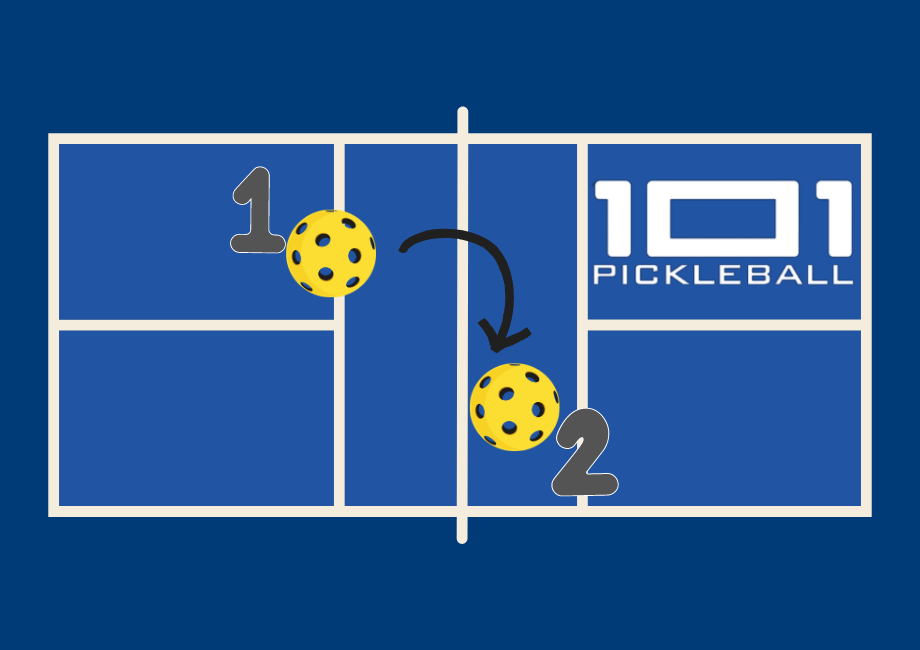
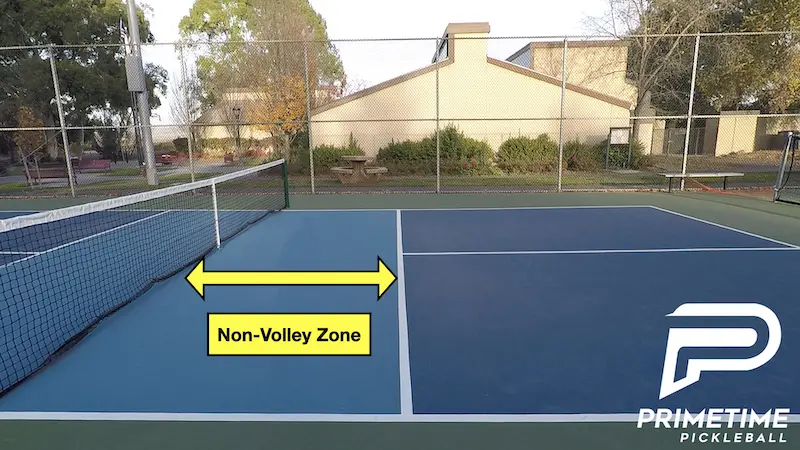
A dink in pickleball is a soft shot that arcs over the net and drops into the non-volley zone, also called the kitchen. It travels slow, stays low, and makes the next ball hard to attack.
This shot matters because it takes away power. It forces control and patience. You draw errors, open angles, and set traps. Think of it like chess with a paddle. You move your rival into a weak square before you strike.
A steady, smart dink in pickleball lets you win against bigger hitters. You set the pace, not them.
Mechanics of a great dink
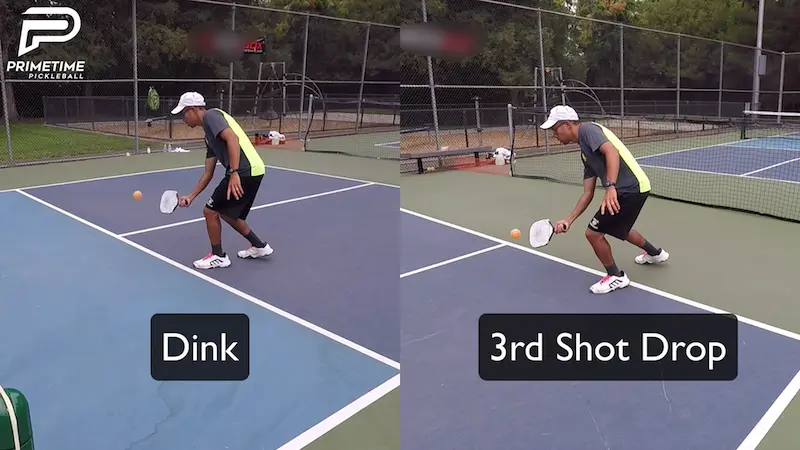
Great dinks come from clean form. Keep the swing short. Keep the wrist quiet. Aim to lift, not slap.
Grip and stance
- Use a continental grip for easy touch and quick changes.
- Stand tall with knees soft and weight forward.
- Hold the paddle in front of your chest, not by your hip.
Contact and paddle face
- Meet the ball out in front of your lead foot.
- Use a slight open face to lift the ball over the net.
- Hit the bottom half of the ball for gentle arc.
Swing path and follow-through
- Think “push and lift.” It is a smooth, short stroke.
- Finish with the paddle face pointing to your target.
- Keep your head still and eyes on the contact point.
Footwork at the kitchen line
- Stay close to the line, but do not step on it while volleying.
- Use small steps to adjust. Never reach with locked knees.
- Reset to ready after each shot. Paddle up. Eyes forward.

Strategy: when and where to use the dink in pickleball
A dink in pickleball is not a random tap. It has a plan. You use it to build, to probe, and to pounce.
Smart targets
- Middle ball between two players to cause mix-ups.
- Opponent’s backhand if it is weaker.
- Wide angle to pull them off court, then hit behind them.
Patterns and resets
- Cross-court dinks give you more net to work with and a safer arc.
- When under fire, slow it down. Reset with a soft dink to the middle.
- Change pace and depth to break their rhythm.
Read your opponent
- Watch their paddle face. If it is low, let them pop it up.
- Look for drifting feet. Hit where they just moved from.
- If they lean to poach, go sharp cross-court at their feet.
Speed-ups off the dink
- Speed up only on a high ball you can attack.
- Aim at the right shoulder of a righty or left shoulder of a lefty.
- After a speed-up, expect a counter. Be ready with your paddle up.
From my own games, I win the most points when I dink cross-court to a backhand three or four times, then roll a quick speed-up to the right shoulder. The change in pace catches many players late.

Drills and practice plans for a better dink in pickleball
You can build touch fast with focused reps. Keep drills simple and short. Quality beats volume.
Solo and wall work
- Stand 10 feet from a wall. Aim for a low line on the wall. Push soft shots for two minutes.
- Add a target on the wall. Hit 20 in a row to that mark.
- Practice paddle-up resets. Toss the ball forward, then soften it down with a dink motion.
Partner kitchen dinks
- Cross-court dink rally to the backhand side. First to 30 in a row.
- Straight-on dink rally. Add depth calls like “short” or “deep.”
- One-up, one-back. The player back tries to reset with a dink until both reach the line.
Pressure and accuracy games
- Three zones: wide, middle, body. Call the zone before each ball.
- Ladder game: 10 dinks to backhand, 10 to forehand, 10 to middle without errors.
- Punish pop-ups: if a ball floats above net height, the other player attacks to end the point.
Weekly plan
- Day 1: 20 minutes wall, 20 minutes cross-court.
- Day 2: Reset drills and pressure games.
- Day 3: Match play with a goal: win rallies with the dink in pickleball, not with blasts.
Equipment and environment: paddle, ball, and court factors
Gear will not replace skill, but it can help your touch. A balanced paddle, not too heavy, gives you control at the kitchen. A carbon face adds grip for spin and soft feel. Thicker cores (16 mm) tend to absorb pace well.
Ball type matters too. Outdoor balls bounce lower and fly faster in heat. Indoors, balls bounce higher. On a windy day, aim lower and add more arc to keep control.
Shoes with good grip help you stop and start quick. That leads to clean contact and better aim with the dink in pickleball.

Common mistakes with the dink in pickleball and quick fixes
I see the same errors in clinics. They are easy to fix with intent.
- Swinging too big: Keep it compact. Think “short push,” not a full stroke.
- Breaking the wrist: Lock it neutral. Use your shoulder and a small forearm lift.
- Contact too close to the body: Step in. Meet the ball in front with space.
- Aiming too high: Picture the ball skimming just over the tape.
- Floating deep to the paddle hip: Aim lower and shorter, or choose the backhand corner.
- Getting flat-footed: Bounce on your toes. Reset after each shot.
- Forcing attacks: Be patient. Build the point until you get a true pop-up.
One mistake I made early was overusing slice. It felt fancy, but my balls sat up. When I switched to a clean, soft push, my control and win rate jumped.
Advanced skills: spin, angle, disguise, and special plays
Once your base is solid, add layers. Small tweaks make big gains.
- Topspin dink: Brush up the back of the ball. It dips late and stays low.
- Slice dink: Use a slight downward brush for skid. Use sparingly so it does not float.
- Disguise: Show the same setup for every shot. Change last-second face angle or direction.
- Angle dink: From wide cross-court, cut it sharper to pull them off. Then hit behind them.
- Erne setup: Dink wide to draw a reach. When they float it, jump the sideline for a clean Erne.
- Around-the-post bait: Roll a soft, sharp angle. If they stretch and float it wide back, you may get an ATP chance.
Mixing these tools makes your dink in pickleball hard to read and hard to attack.

Doubles teamwork and the mental game
Great teams talk during points. Call “mine,” “yours,” “switch,” and “middle.” If one player is pushed back, both slow down and reset with a soft dink in pickleball to the center.
Stay patient. Count to three in your head before you attack. Match the speed of your partner. If they soften the ball, you soften too. Trust builds flow. Flow builds wins.
Stack if it helps you keep your best side in the cross-court dink. Use simple hand signals to plan who will poach and who will hold.

Key rules at the non-volley zone that affect the dink in pickleball
The kitchen, or non-volley zone (NVZ), has a few key rules. You cannot volley while standing in the NVZ or touching its line. If your momentum carries you in after a volley, it is a fault.
You can step into the NVZ to hit a dink after the ball bounces. Just step back out before you volley again. Also remember the two-bounce rule at the start of the point. It shapes how you get into a dink rally from the third shot.
Knowing these rules removes fear and lets you play a calm, sharp dink in pickleball.
Frequently Asked Questions of dink in pickleball
What is the main goal of a dink in pickleball?
A dink keeps the ball low and hard to attack. It helps you control pace, force errors, and create openings.
Is a cross-court or straight dink better?
Cross-court is safer because you have more net to work with. Use straight dinks to change looks or hit the body.
How high should my dink clear the net?
Aim for a few inches over the tape. Low and safe beats high and risky.
When should I speed up off a dink?
Only attack a ball that sits up above net height. If you are not sure, reset with another soft dink in pickleball.
What grip is best for dinking?
A continental grip works well for both forehand and backhand. It makes touch and quick changes easy.
How do I handle a banger who hates to dink?
Feed them low, soft balls to the feet and backhand. They will pop one up if you stay patient.
Can I dink from mid-court?
Yes, but it is harder. Aim higher to clear the net and move forward behind the shot.
Conclusion
The dink in pickleball is a simple shot with big impact. It slows the game, sets the table, and lets you attack on your terms. With clean mechanics, smart targets, and steady nerves, you will win more points and enjoy tighter control.
Start today. Add 15 minutes of focused dinks to each session and track your rally counts. If this guide helped, share it with a partner, subscribe for more tips, and drop your own lessons in the comments.