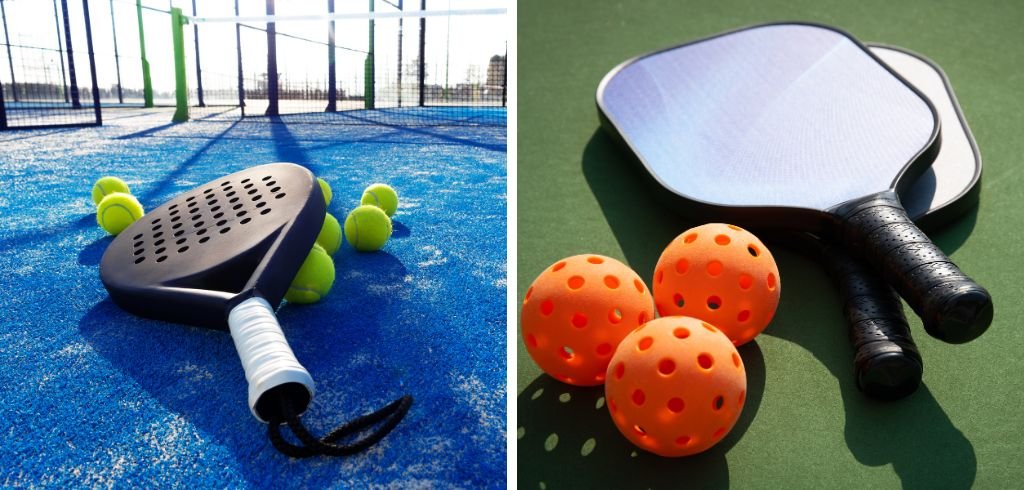
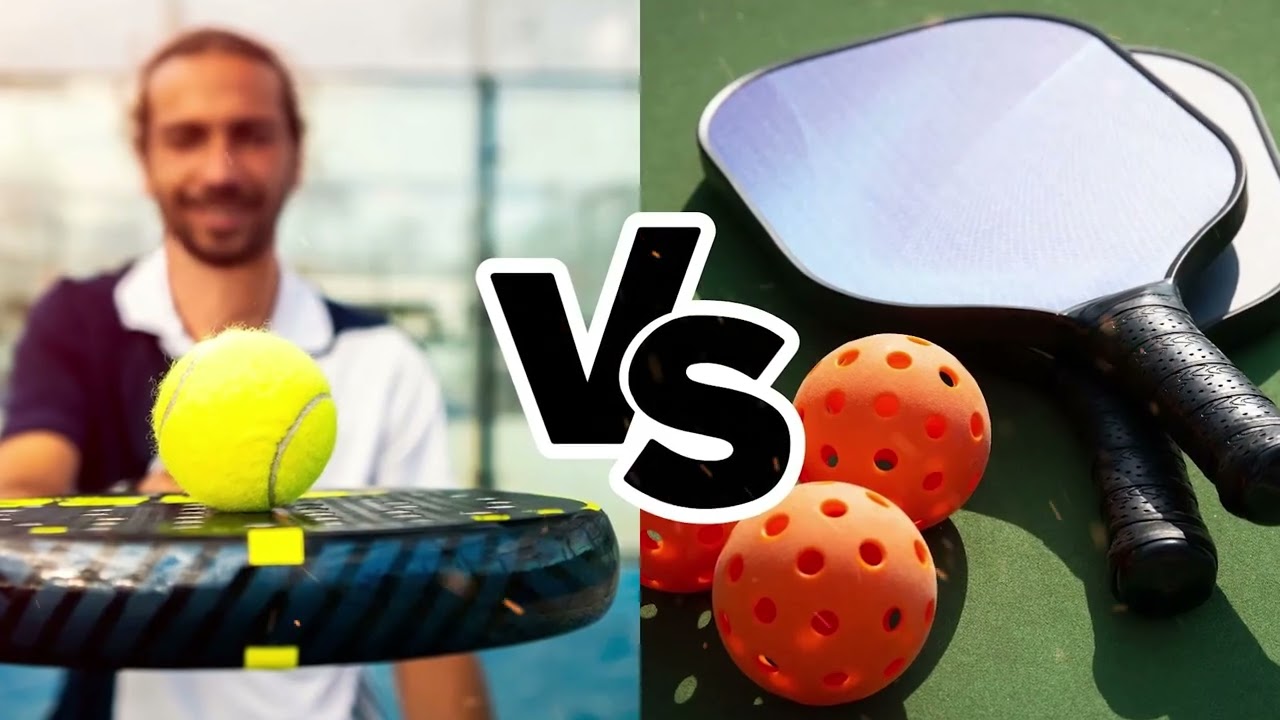
Pickleball uses a net and plastic ball; paddle ball hits a wall with rubber ball.
Curious about the difference between pickle and paddle ball? You’re in the right spot. I’ve coached players in both and played them for years. This guide breaks down rules, gear, courts, and real play tips so you can pick the game that fits you best. We will make the difference between pickle and paddle ball clear, simple, and useful for your next match.
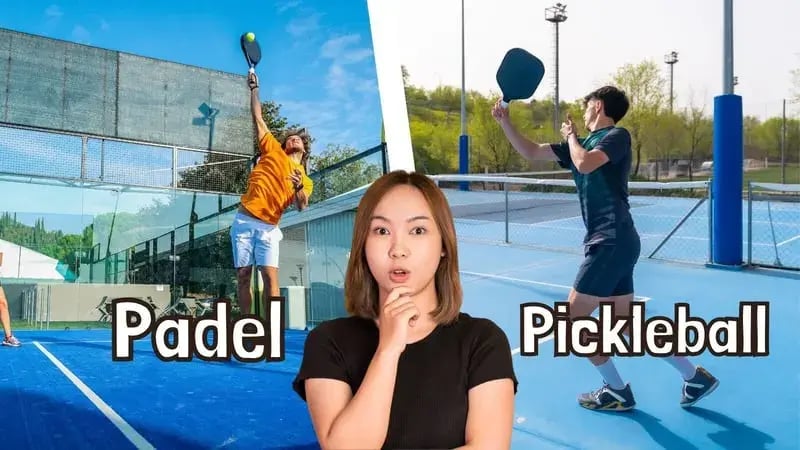
What People Actually Mean by “Pickle” and “Paddle Ball”
When folks say “pickle,” they almost always mean pickleball. It’s the fast-growing paddle sport played on a small court with a net.
“Paddle ball” is trickier. It can mean:
- One-wall or four-wall paddleball. You play on a handball or racquetball style court with a rubber ball.
- Beach paddleball. Two players rally back and forth with wood paddles. There is no wall and no net.
In this article, I focus on formal paddleball (wall-based). I also note beach paddleball where it helps. That way, the difference between pickle and paddle ball is clear across the versions.

Equipment and Ball Differences
The difference between pickle and paddle ball starts with the gear.
Pickleball gear:
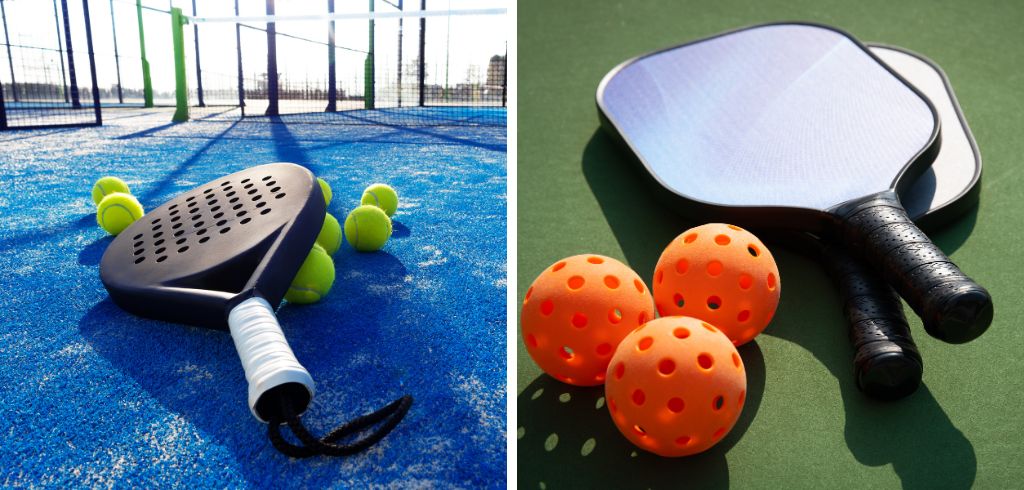
- Paddles. Composite or graphite face with a polymer honeycomb core. Light to mid weight. Big sweet spot. Edge guard helps.
- Ball. Hollow plastic ball with holes. Indoor and outdoor versions bounce and sound different.
- Shoes. Court shoes with good grip and lateral support.
Paddleball gear:
- Paddles. Solid wood or composite, no strings. Heavier and stiffer than most pickleball paddles.
- Ball. Small, dense rubber ball. It moves fast and takes big spin off the wall.
- Protection. Safety glasses are strongly advised in wall sports. The ball is quick in tight space.
From my bag: I keep my pickleball paddle at 7.8–8.2 oz for control. For paddleball, I pick a slightly heavier paddle for solid hits off the wall. This simple choice shows the difference between pickle and paddle ball in feel and power.
Court and Net Setup
The difference between pickle and paddle ball is obvious when you step on court.
Pickleball court:
- Size. 20 by 44 feet for doubles and singles.
- Net. 36 inches at posts, 34 inches in the center.
- Kitchen. A 7-foot non-volley zone on both sides of the net.
Paddleball court:
- One-wall. Front wall is 20 feet wide and 16 feet high, with a 20 by 34 foot floor.
- Four-wall. Box court about 40 by 20 feet, with back and side walls and a high ceiling.
- No net. All play happens off the front wall, with side and back walls in play in four-wall games.
If you love net play and defined zones, pickleball fits. If you like angles, walls, and chases, paddleball feels great. That is a core difference between pickle and paddle ball.

Rules and Scoring
Rules shape pace and strategy. This is where the difference between pickle and paddle ball gets very clear.
Pickleball basics:
- Serve. Underhand and below the waist. Serve cross-court.
- Double bounce rule. The serve and the return must both bounce once before volleys begin.
- Scoring. Only the serving side scores in traditional play. Games often go to 11, win by 2.
Paddleball basics:
- Serve. Strike the ball to the front wall first. It must land in the court after hitting the wall.
- Rally. After the serve, the ball may hit side or back walls before or after the front wall. Keep it off the floor until after the front wall.
- Scoring. In formal paddleball, only the server scores. Games often play to 21 in four-wall and to 25 in one-wall. Local rules can vary.
Beach paddleball:
- No net or walls. Most people rally for count or time. There is no official score unless you set one.
When I teach beginners, I stress the double bounce rule in pickleball. In paddleball, I teach safe spacing and clear calls on short hops. Those two tips capture a key difference between pickle and paddle ball in early play.

Play Style and Strategy
The style you like will guide your pick. The difference between pickle and paddle ball shows up in how points unfold.
Pickleball feel:
- Placement over power. Dinks, drops, and sharp angles win many points.
- Net pressure. Doubles teams try to own the kitchen line.
- Patience. Build the point. Force errors with depth and spin.
Paddleball feel:
- Wall use. Pass shots, ceiling shots, corner kills, and pinches.
- Court coverage. Quick sprints to the front and back. Many off-the-wall reads.
- Power meets finesse. You change height and angle to stretch your rival.
In my play, I love soft dinks on windy days in pickleball. In paddleball, I hunt the corner kill when my opponent is stuck deep. That personal contrast sums up the difference between pickle and paddle ball in mindset.
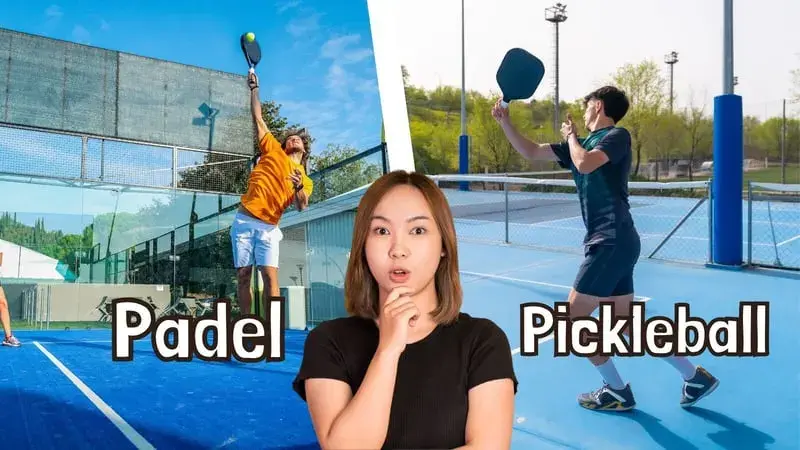
Skill, Learning Curve, and Who Will Enjoy Each
Both sports are friendly to new players. Still, the difference between pickle and paddle ball shows in how fast you grow.
Pickleball:
- Easy entry. Simple serve. Small court helps.
- Quick wins. You can rally on day one.
- Doubles first. Social play makes it fun and sticky.
Paddleball:
- Reading walls. That takes time and reps.
- Fitness base. The ball is fast in tight space.
- Solo or doubles. Both are great, but spacing matters a lot.
If you are new to paddle sports, start with pickleball. If you loved racquetball or handball, you may click with paddleball. That choice reflects the real difference between pickle and paddle ball by background.
)
Fitness, Injury Risk, and Safety
Let’s talk body and safety. The difference between pickle and paddle ball can affect your joints and eyes.
Fitness load:
- Pickleball. Short sprints. Quick stops. Lots of squats at the net. Good for balance and cardio.
- Paddleball. Longer chases. More overhead and wall reads. Higher peak heart rates for many players.
Injury notes:
- Pickleball. Watch ankles, calves, and shoulders. Warm up. Use court shoes. Mind the kitchen footwork.
- Paddleball. Eye protection is key. The rubber ball is fast. Also protect shoulders and lower back.
Sports medicine groups suggest proper warm-ups, dynamic stretches, and cool-downs for both. Eyewear is standard in wall sports. I never skip glasses in paddleball. That habit may be the most important difference between pickle and paddle ball safety culture.
Cost, Access, and Noise
Practical stuff matters. The difference between pickle and paddle ball shows up in your budget and where you play.
Costs:
- Pickleball. Paddles from budget to pro. Balls are cheap but wear out. Court shoes help.
- Paddleball. Solid paddles last long. Rubber balls are low cost. Good eyewear is a must-buy.
Access:
- Pickleball. Many parks and gyms now have lined courts and open play.
- Paddleball. Find one-wall courts at parks in some cities. Four-wall courts often live in rec centers.
Noise:
- Pickleball. The plastic ball pop is sharp. Some places limit hours.
- Paddleball. Indoors is loud but contained. Outdoors is like handball sound.
If noise is an issue with neighbors, paddleball indoors may be easier. This is a real-life difference between pickle and paddle ball that few people consider.
Which One Should You Choose?
Use this simple checklist to decide. It distills the difference between pickle and paddle ball into a few signals.
Pick pickleball if:
- You want a net game with clear lines and a social vibe.
- You prefer control, touch, and doubles teamwork.
- You need an easy start with quick improvement.
Pick paddleball if:
- You enjoy wall sports and fast reads off glass or brick.
- You like varied angles, power kills, and longer chases.
- You want a compact space game with strong cardio.
My rule of thumb: If you love chess at the net, go pickleball. If you love geometry off walls, go paddleball. That is the difference between pickle and paddle ball in one line.
Quick Comparison Summary
- Core idea. Pickleball is a net sport; paddleball is a wall sport. That is the heart of the difference between pickle and paddle ball.
- Ball type. Pickleball uses a plastic perforated ball. Paddleball uses a dense rubber ball.
- Court. Pickleball has a 20×44 foot court with a net and a kitchen. Paddleball uses one-wall or four-wall courts with no net.
- Scoring. Pickleball often to 11, win by 2, server scores. Paddleball often to 21 or 25, server scores, with local tweaks.
- Style. Pickleball favors touch and position. Paddleball favors angles, walls, and mixed power.
- Safety. Eye protection is standard in paddleball. Footwork and ankle care matter more in pickleball.
- Access. Pickleball is now common in parks. Paddleball courts are regional but strong in some cities.
With these points, the difference between pickle and paddle ball should feel simple and clear.
Frequently Asked Questions of difference between pickle and paddle ball
Is “pickle” the same as pickleball?
Yes. In sports chat, “pickle” almost always means pickleball. It is not the food; it is the paddle sport with a net.
Is paddle ball the same as beach paddleball?
Not always. Paddleball often means the wall sport, but beach paddleball is a casual rally game with no wall or net.
Which is easier for beginners, pickleball or paddleball?
Most beginners find pickleball easier. The court is small, the serve is simple, and doubles play helps you learn fast.
Do I need eye protection for paddleball?
Yes, you should wear safety glasses. The rubber ball moves fast in tight space, and eye injuries can happen.
Can I use a pickleball paddle for paddleball?
No. A pickleball paddle is not built for wall impact or rubber ball speed. Use a paddleball paddle for safety and control.
Which sport is better for cardio?
Paddleball often pushes higher peaks due to long chases. Pickleball still offers strong cardio with quick bursts and net battles.
Are the rules the same across all paddleball courts?
Local rules can vary, especially in one-wall versus four-wall play. Check posted rules or ask league organizers before you start.
Conclusion
You now know the key differences in gear, court, rules, style, and safety. The difference between pickle and paddle ball comes down to net play versus wall play, plastic versus rubber, and touch versus angles. Both can be fun, social, and great for fitness.
Pick the one that fits your vibe and space. Try both if you can. Book a court this week, invite a friend, and see which game keeps you smiling. If you found this helpful, share it with your group or leave a comment with your first-match story.