
Pickleball uses a perforated plastic ball over a net; paddle ball hits rubber ball against a wall.
Curious about the difference between pickle and paddle ball? You’re in the right place. I’ve coached beginners, tested gear, and played both for years. This guide breaks down rules, gear, courts, and costs in simple terms. If you want a clear, trusted answer to the difference between pickle and paddle ball, keep reading for real tips you can use today.
What Each Game Actually Is
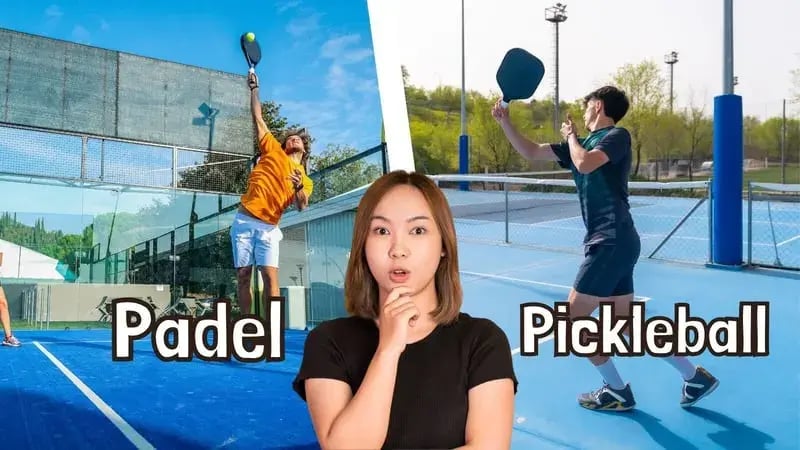
Pickleball is a paddle sport played on a small court with a net in the middle. Players use solid paddles to hit a light plastic ball with holes. It blends tennis, badminton, and ping pong.
Paddle ball can mean a few things. Most often, it means one-wall paddleball, where players hit a small rubber ball off a wall with a paddle. Some people also mean the toy paddle with a ball on a string, or beach paddleball, which is a free-form rally game. The difference between pickle and paddle ball starts with this naming mix-up, so it helps to define the version you mean.
If you are asking about the difference between pickle and paddle ball because you are choosing a sport, think about the setting. Pickleball is net-based and social. Paddleball is wall-based and reactive. Both are fun. Both are fast to learn. The difference between pickle and paddle ball drives how you move, how you score, and how you buy gear.

Equipment Differences at a Glance
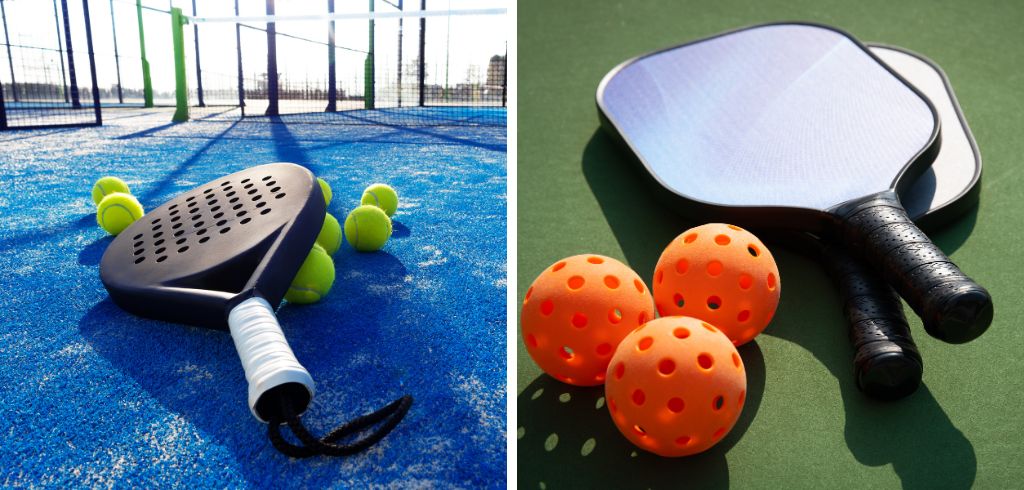
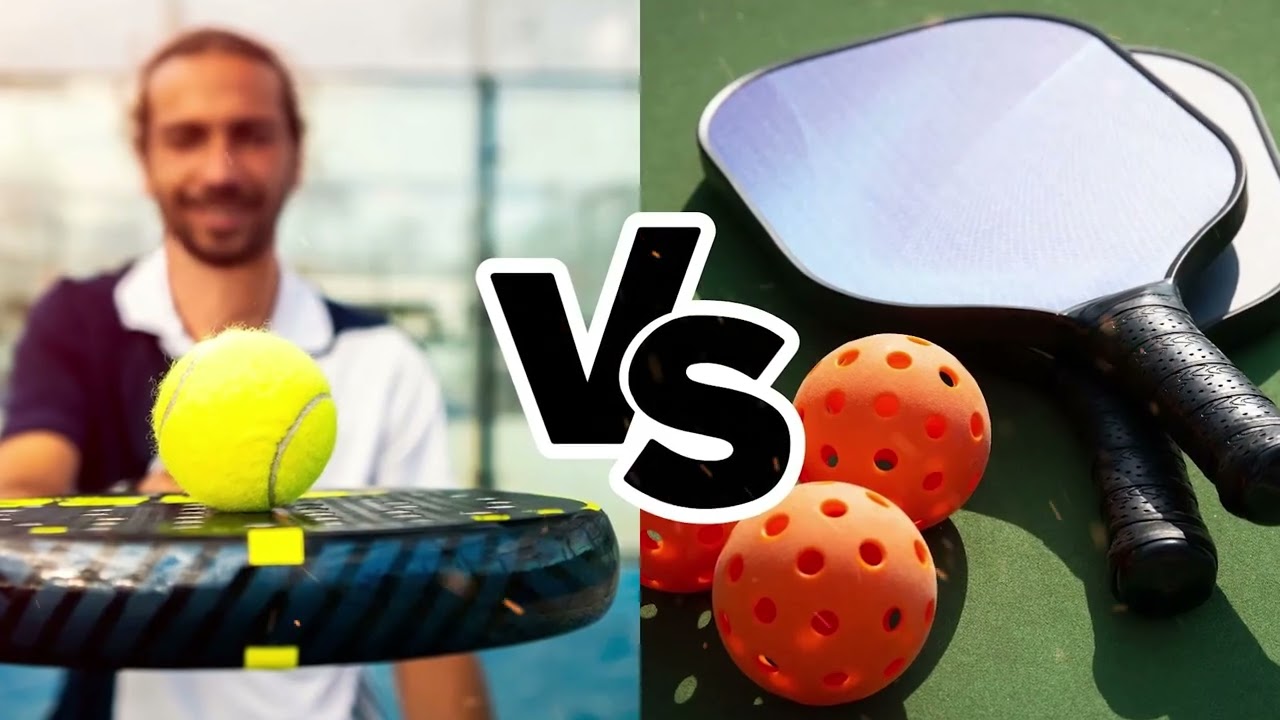
Pickleball paddles are solid and have no strings. Most are graphite, carbon fiber, or composite. Typical weight runs 7 to 8.5 ounces. The face can be textured within rule limits to add spin. The ball is a perforated plastic ball with 26 to 40 holes. Outdoor balls are a bit harder and faster. Indoor balls are a bit softer.
One-wall paddleball paddles are often wood or composite and may have drilled holes to cut air drag. They are sturdy and can be heavier than pickleball paddles. The ball is a small rubber ball, bouncy and fast. For beach paddleball, paddles are wood or composite, and balls are low-pressure rubber or foam. The difference between pickle and paddle ball gear is clear: net game with a wiffle-style ball versus wall game with a rubber ball.
From my own bag tests, switching between them feels dramatic. Pickleball contact is soft and floaty. Paddleball contact is springy and sharp. If you care about the difference between pickle and paddle ball feel, demo both paddles before you buy.
Court, Scoring, and Key Rules
Pickleball uses a 20-by-44-foot court. The net is 34 inches high at center. There is a 7-foot non-volley zone, called the kitchen, on each side. You serve underhand, cross-court. The two-bounce rule means the ball must bounce once on each side before volleys start. Only the serving team scores. Games often go to 11, win by 2.
One-wall paddleball uses a wall and a marked court, often 20 feet wide and 34 feet long from the wall. You serve by hitting the ball to the wall above a line so it lands past a short line. Most play to 21, win by 2, and only the server scores. Doubles is popular. For beach paddleball, there is no net and no fixed court. Players rally for fun or set their own rules. The difference between pickle and paddle ball rules shapes the pace. Pickleball rewards placement and patience. Paddleball rewards quick reads and fast feet.
If you are learning the difference between pickle and paddle ball structure, know this: pickleball is a net rally sport with set zones and a soft serve. Paddleball is a wall rally sport with serve rules but no net.

How Gameplay Feels
Pickleball has soft starts and sharp finishes. Points begin with a calm serve and return. Then comes a slow build at the kitchen line. Dinks, blocks, and quick counters win points. It feels like chess at fast speed.
Paddleball is more like a drum solo. The wall speeds up the ball. Angles and spin produce wild rebounds. You learn to cut off the ball early and take center space. The difference between pickle and paddle ball pace comes from the ball and the wall. Pickleball rewards touch and patience. Paddleball rewards anticipation and burst speed.
From my coaching notes, players who master dinks in pickleball adapt best. In paddleball, players who cut the ball and take early position rise fast. If you want to feel the difference between pickle and paddle ball in one drill, try this: practice 50 dinks in pickleball, then 50 jam shots to the wall in paddleball. Your timing will change at once.

Fitness, Injury Risk, and Who Each Suits
Pickleball is joint-friendly for most adults. The court is small, and the serve is gentle. It is great for heart health, balance, and social play. Common issues include ankle sprains, shoulder strain from overheads, and wrist pain from tight grips. Warm up, use proper shoes, and keep a relaxed grip.
Paddleball demands quick sprints and sharp turns. The ball rebounds fast, so reaction time matters. Wear eye protection. Common issues include elbow tendon pain, shoulder strain, and lower back tightness. Good footwork and core strength help. The difference between pickle and paddle ball fitness needs is simple: pickleball is steady and tactical, paddleball is reactive and explosive.
If you are weighing the difference between pickle and paddle ball for your family, think goals. Want social leagues and easy entry? Choose pickleball. Want a fast wall sport that tests reflexes? Choose paddleball.
Cost, Gear, and Getting Started
Pickleball starter sets are affordable. A quality beginner paddle is about 50 to 120 dollars. A pack of outdoor balls costs around 10 to 20 dollars. Many parks now have lined courts. Community centers run intro clinics.
Paddleball gear also starts low. Many paddles run 30 to 100 dollars. Balls are a few dollars each. One-wall courts often share space with handball courts at parks. Beach paddleball needs only sand and paddles. The difference between pickle and paddle ball access depends on your city. Pickleball clubs are booming. Paddleball scenes are strong where wall sports are common.
A simple plan helps you test the difference between pickle and paddle ball without stress:
- Rent or borrow both paddles for one week.
- Play two short sessions of each game.
- Note how your wrist and legs feel the next day.
- Pick the game that makes you want to play again.
)
Mistakes to Avoid When Switching
From my own switches between seasons, these are the big traps.
- Using the same grip pressure. Loosen your grip for pickleball touch. Firm up for paddleball rebound control.
- Standing too deep. In pickleball, get to the kitchen fast. In paddleball, hold center court to cut angles.
- Ignoring ball flight. A perforated ball dies in wind. A rubber ball flies and kicks off the wall. Adjust footwork early.
- Skipping eye gear. In paddleball, protect your eyes. The ball is small and fast.
- Copying serves. Pickleball serves are underhand and placed. Paddleball serves attack space and angles. Practice them apart.
The difference between pickle and paddle ball demands a reset. Treat them as cousins, not twins. Your game will grow faster that way.
Frequently Asked Questions of difference between pickle and paddle ball
What is the main difference between pickle and paddle ball?
Pickleball is played over a net with a perforated plastic ball. Paddleball is played against a wall with a small rubber ball, or as a beach rally game.
Is the toy paddle-with-a-ball the same as paddleball?
The toy is a casual version with a ball on a string. Organized paddleball is a wall sport using a free rubber ball, and it has set rules and scoring.
Which is easier for beginners: pickleball or paddleball?
Most people learn pickleball faster due to the small court and simple serve. Paddleball takes more time because wall reads and rebounds are tricky.
What gear do I need to start each game?
For pickleball, get a paddle, a few balls, and court shoes. For paddleball, get a paddle, rubber balls, and protective eyewear.
How does scoring differ between pickle and paddle ball?
Pickleball usually plays to 11, win by 2, and only the server scores. Paddleball often plays to 21 with server-only scoring, but local rules can vary.
Can I use a pickleball paddle for paddleball?
It is not ideal. Pickleball paddles are built for a light plastic ball, while paddleball paddles are tuned for a fast rubber ball and wall impact.
Where can I find courts for both sports?
Pickleball lines are now common at parks and rec centers. Paddleball courts often share space with handball or racquetball facilities, and beaches work for casual play.
Conclusion
The difference between pickle and paddle ball comes down to court, ball, and rhythm. Pickleball is a net game with soft touch and smart placement. Paddleball is a wall game with fast rebounds and bold angles. Both deliver fitness, focus, and fun.
If you are still weighing the difference between pickle and paddle ball, play one trial week of each. Track how your body feels and which one makes you smile more. Then commit for a month and watch your skills grow. Want more guides like this? Subscribe, share your questions in the comments, and tell me which sport won your vote.