
Yes, you can play pickleball on a tennis court with simple tweaks.
If you’ve wondered can you play pickleball on a tennis court, the short answer is yes—and it’s easier than most people think. I’ve helped HOAs, schools, and parks convert courts for weekend play, and I’ll walk you through the exact steps, gear, and layout so you can do it safely and fast. Stick with me for pro tips, cost-saving ideas, and the best way to set up lines without damaging the court.
Can you play pickleball on a tennis court? Key facts and quick wins
Yes, you can play pickleball on a tennis court using temporary lines and a portable net. You can often fit two to four pickleball courts on one tennis court, depending on space and buffers. Most facilities allow temporary setups if you protect the surface and follow local rules. If you’re asking can you play pickleball on a tennis court without special tools, you can—tape, chalk, and a measuring tape are enough.
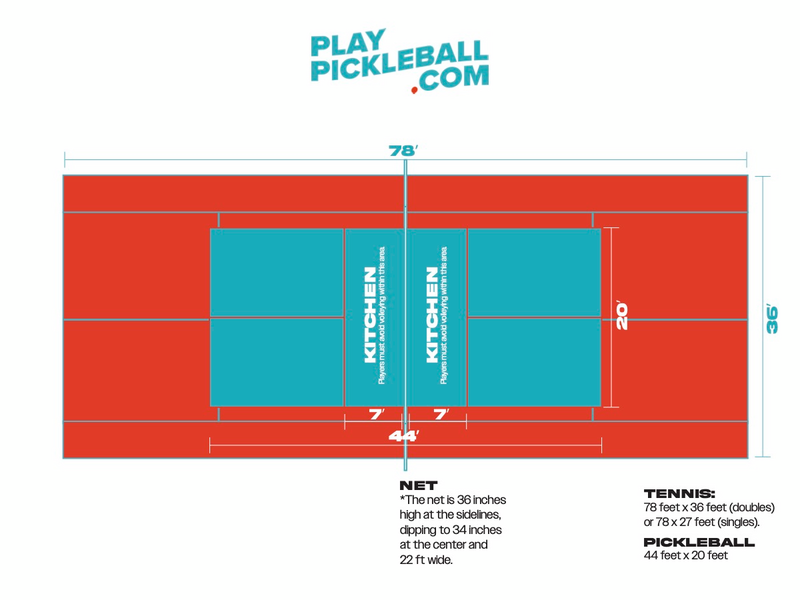
According to standard rules, a pickleball court is 20 feet by 44 feet, with a 7-foot non-volley zone on each side of the net. A tennis court is much larger (78 feet by 27 feet for singles, 78 feet by 36 feet for doubles). That extra space is why multiple pickleball courts can fit inside one tennis court.

Dimensions, lines, and layout on a tennis court
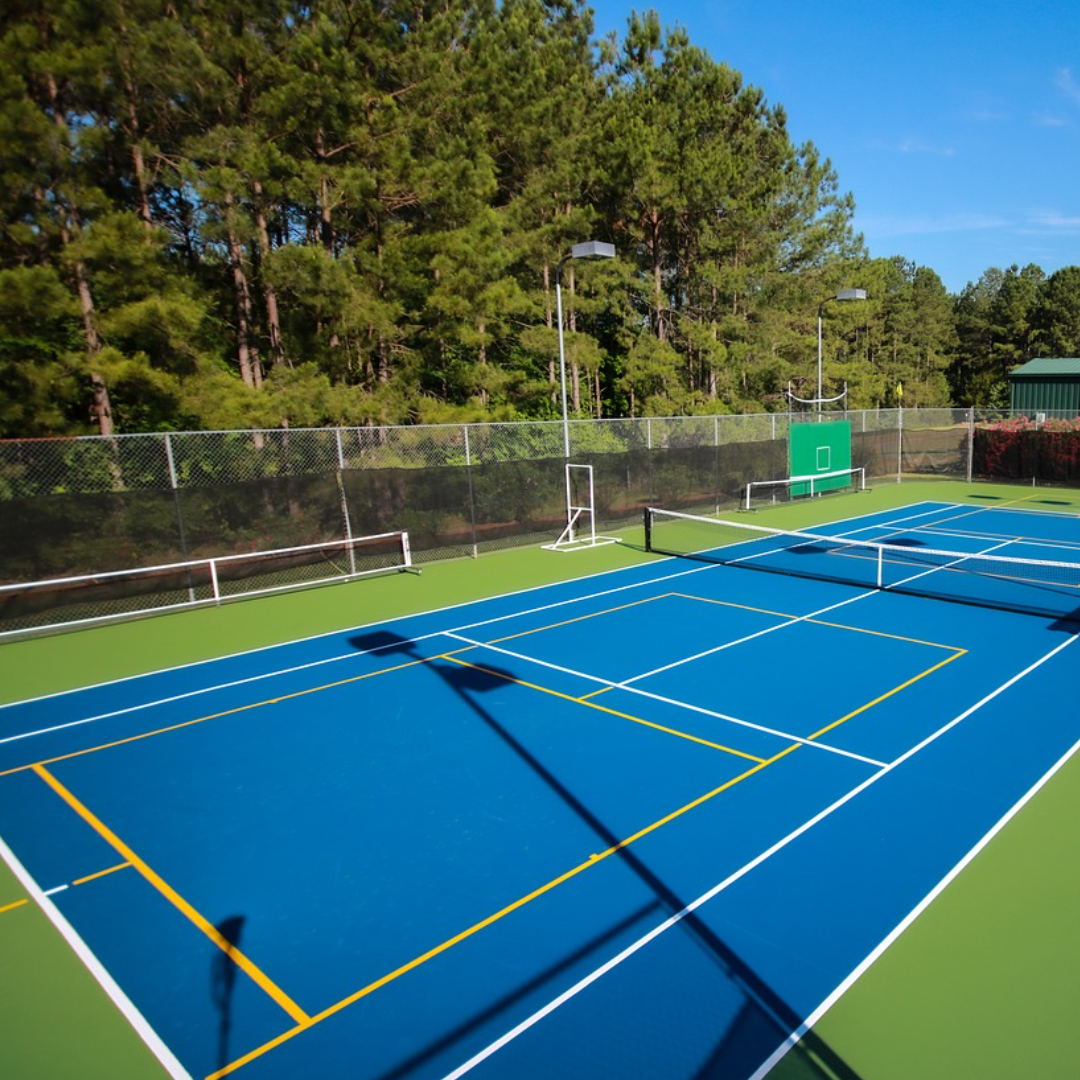
The cleanest layout is to rotate pickleball courts perpendicular to the tennis net. This reduces sun glare and lets you fit more courts. For most sites, four pickleball courts fit within one tennis court using careful spacing and buffers from fences.
Key measurements you need:
- Pickleball court size: 20 by 44 feet.
- Non-volley zone (kitchen): 7 feet from the net on each side.
- Pickleball net height: 36 inches at sidelines, 34 inches at center.
- Tennis net height: 42 inches at posts, 36 inches at center.
Line tips I use on shared courts:
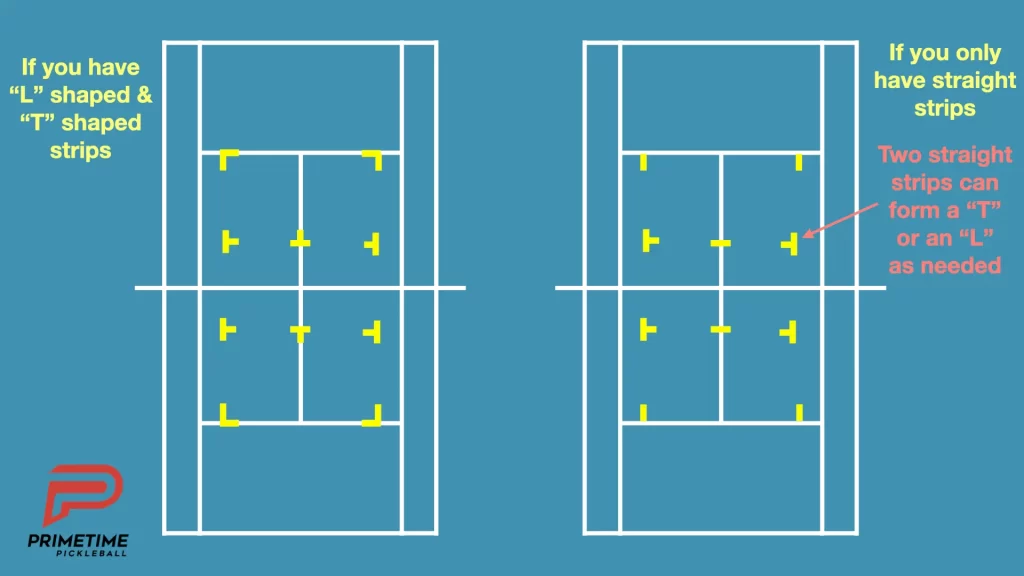
- Use 2-inch wide painter’s tape or removable court tape for boundaries.
- Chalk works for super-short sessions or clinics.
- Never use duct tape. It leaves residue and can damage acrylic coatings.
If your facility asks, “can you play pickleball on a tennis court here?” show them your plan for temporary lines and cleanup. It helps build trust and gets faster approval.

Step-by-step: Set up a pickleball court on a tennis court
You can do a fast, safe setup in under 30 minutes. Here’s my field-tested process:
- Confirm permission and posted rules. Ask about net straps and tape policies.
- Decide your layout. One or two courts are easier for beginners; four courts maximize space.
- Measure and mark. Use a 25- or 50-foot tape. Mark corners first, then run straight lines.
- Place portable nets at 22 feet long. Center each net on your side lines and check height.
- Adjust for safety. Leave walking lanes between courts and away from fences.
- Test the lines. Rally a few balls to spot slippery or lifting tape.
- Clean up after play. Remove tape slowly, pick up bits, and sweep chalk.
If you’re wondering can you play pickleball on a tennis court with the tennis net only, you can for casual drills. Lower the center strap to about 34 inches if allowed. For regulation matches, use a portable net at the correct height.
Nets, balls, and gear that work best
A portable pickleball net is your best friend on a tennis court. It sets the correct height and keeps the feel of real play. Many nets assemble in 3 to 5 minutes and pack into a small bag.
What I bring for conversions:
- Portable net system, 22 feet long.
- 1.5 to 2-inch painter’s tape or removable court tape.
- Tape measure, chalk, and a few cones for corners.
- Outdoor pickleballs for hard courts.
Gear notes from experience:
- Outdoor balls last longer on acrylic tennis courts.
- Quieter paddles and balls reduce complaints in shared spaces.
- A center strap tool helps fine-tune net height.
Can you play pickleball on a tennis court without buying a net? Yes, but expect a higher center if you use the tennis net. It’s fine for practice, not ideal for competitive play.
Safety, wear, and etiquette on shared courts
Shared courts work best with clear etiquette and a safety-first setup. I’ve hosted weekend sessions where simple courtesy kept everyone happy.
Safety checks I never skip:
- Look for slick spots, sand, or leaves and sweep the court.
- Avoid tape across high-traffic areas to reduce trip risks.
- Keep bags and water off court edges to prevent falls.
Etiquette that wins you repeat time slots:
- Share the space on a schedule if tennis players are waiting.
- Keep music low and use “quiet” gear when neighbors are close.
- Post a simple sign: who set up the lines, play times, and cleanup plan.
If a manager asks can you play pickleball on a tennis court without harming it, show your tape choice and cleanup method. It proves care and keeps doors open.

Noise, neighbors, and scheduling
Pickleball makes a distinct pop. On tight courts near homes, that pop can bother neighbors. Smart gear and time slots make a big difference.
How I keep the peace:
- Use quieter paddles and balls designed to damp sound.
- Choose mid-morning or early evening windows, not dawn or late night.
- Place courts farthest from homes when possible.
- Limit the number of courts if echo is a problem.
If your group wonders can you play pickleball on a tennis court in a noise-sensitive area, you can—just plan gear and timing with the community.

Costs, kits, and quick buying list
You do not need a big budget to get started. A starter kit keeps quality high and costs low.
Typical costs I’ve seen:
- Portable net: 100 to 200 dollars.
- Court tape or chalk: 10 to 25 dollars.
- Four outdoor balls: 10 to 16 dollars.
- Measuring tape and cones: 10 to 30 dollars.
Budget tip: Split costs across your play group. If someone asks can you play pickleball on a tennis court on a tight budget, say yes—one net and tape gets you on court fast.
Common mistakes and pro tips from the court
After dozens of conversions, these lessons stand out.
Mistakes to avoid:
- Using duct tape that leaves sticky residue.
- Placing courts too close to fences or walkways.
- Skipping net height checks and playing too high.
- Forgetting to confirm facility rules.
Pro tips that pay off:
- Pre-cut line segments at home to speed setup.
- Mark reference dots at corners so you can re-tape fast next time.
- Keep a small scraper and wipes to remove any tape glue.
- Store your setup kit in a clear bin so nothing gets lost.
If your group still asks, can you play pickleball on a tennis court like a pro, these small habits make the biggest difference.

Frequently Asked Questions of can you play pickleball on a tennis court
Can you play pickleball on a tennis court without a portable net?
Yes. Lower the tennis net to about 34 inches at the center if allowed. It’s fine for casual games, but a portable net is best for regulation height.
How many pickleball courts fit on one tennis court?
Most sites fit four courts with careful spacing. Smaller facilities may choose two courts for safer walkways and less noise.
Will tape or chalk damage the tennis court surface?
Painter’s tape and removable court tape are usually safe for acrylic courts. Remove slowly and clean any residue to protect the surface.
What is the best way to lay out lines fast?
Mark corners first, then connect boundaries with pre-cut tape strips. Use a 25- or 50-foot tape measure and cones to square the court.
Can you play pickleball on a tennis court at public parks?
Yes, if local rules allow temporary lines and nets. Always check posted guidelines or ask staff before setting up.
Are there quiet options for noise-sensitive areas?
Yes. Use quieter-rated paddles and balls and avoid early mornings or late nights. Placing courts away from homes also helps.
Is it okay to overlap pickleball lines on tennis lines?
Yes, if you use a different color and keep lines clean and straight. Clear markings reduce confusion for both sports.
Conclusion
You can convert almost any tennis court for fun, safe pickleball with a few smart choices. Measure well, use the right tape, set the net to proper height, and respect shared-space etiquette. With a portable net and a little planning, your group can enjoy fast play without harming the court.
If you’re ready, gather a net, tape, and friends, and set up your first court this weekend. Want more tips and layouts? Subscribe for step-by-step guides, or drop a question in the comments and I’ll help you dial in your setup.