All pickleball court lines are 2 inches wide per official rules.
If you’ve ever wondered about line width, you’re in the right place. I design and paint courts, and I know how much clarity matters. This guide explains why line size affects play, how to measure it, and how to build it right. If you keep seeing the search phrase all pickleball court lines are response area inches wide, this article breaks it down with practical steps and pro tips.
Why line width matters for fairness and play
Line width shapes how the ball is judged in or out. A consistent 2-inch line reduces confusion and helps players call shots with confidence. It also creates the same visual cues on every court.
You may hear people say, all pickleball court lines are response area inches wide. The point behind that phrase is simple: a uniform width gives you a uniform game. When lines vary, misreads happen, and rallies suffer.
From my on-court work, I see this often. Players relax when they trust the lines. That makes matches more fun and fair.
Official dimensions you should know
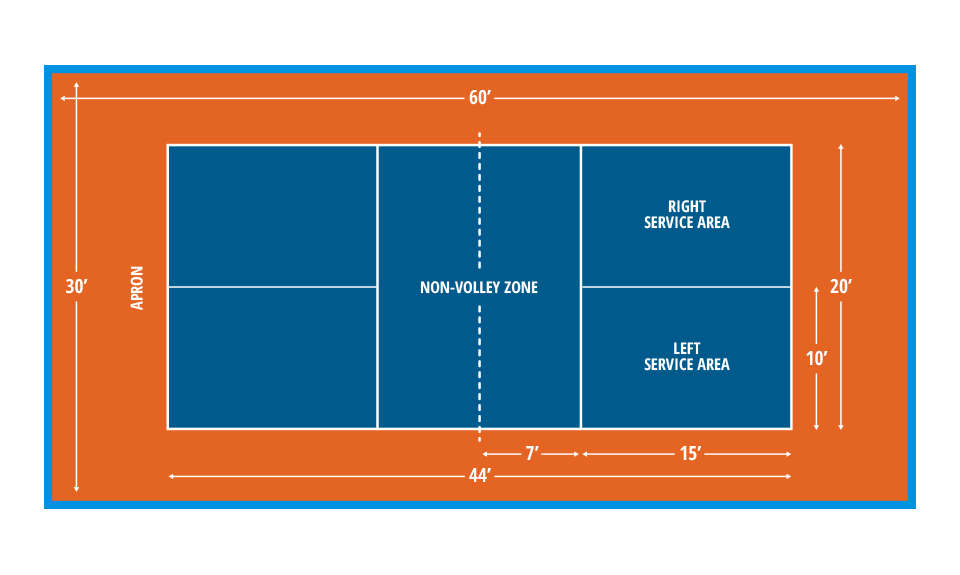
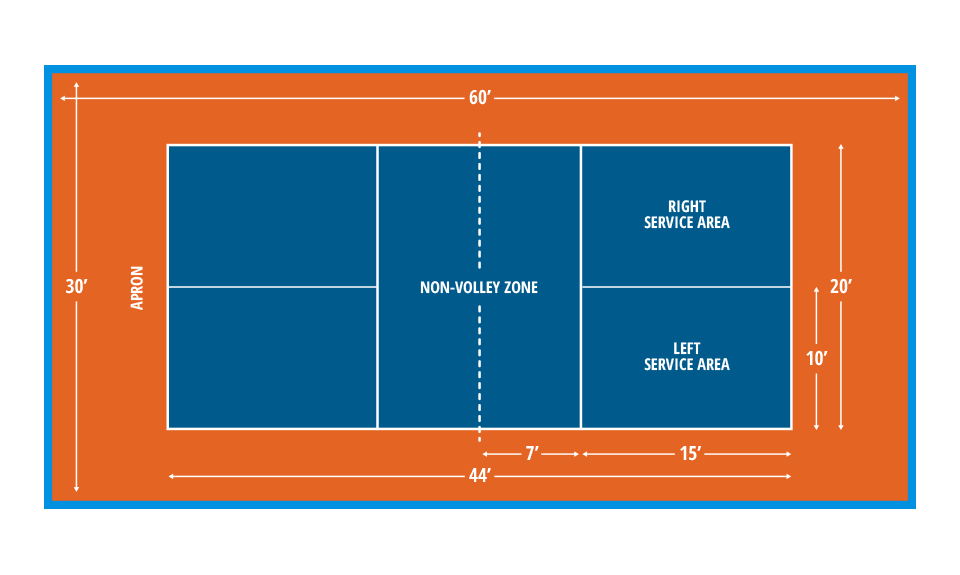
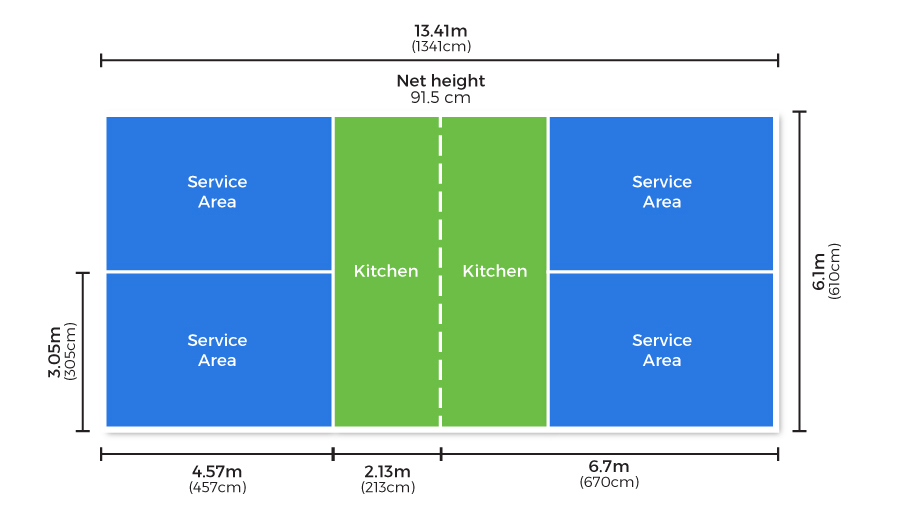
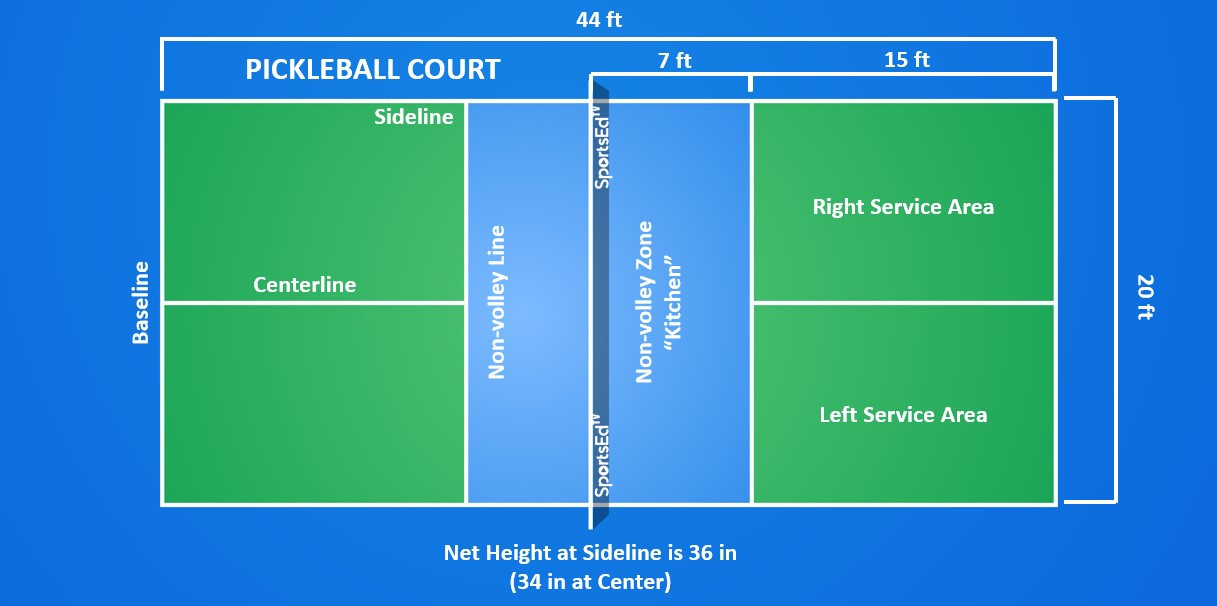
By rule, all regulation pickleball court lines are 2 inches wide. This includes baselines, sidelines, centerline, service boxes, and the non-volley zone boundary. The lines should be the same color and clearly visible against the surface.
You might search for all pickleball court lines are response area inches wide. What that phrase points to is the standard 2-inch width set in the rulebook. The non-volley zone lines are part of the kitchen, so a ball touching them counts as in the kitchen. All other lines are in.
If you build or mark courts, aim for precise 2-inch lines. Consistency across the whole court is more important than a tiny variation.

How to mark a court at the correct width
Here is a simple, low-stress workflow I use:
- Plan your layout. Measure and chalk your court boundaries first. Confirm the 20 by 44 feet size for the playing area.
- Snap chalk lines. Use a long tape and a chalk line to mark clean paths.
- Mask with 2-inch tape. Lay high-quality painter’s tape to match the 2-inch spec. Keep edges tight.
- Paint or roll. Apply court-grade acrylic or two-part coating. Use thin, even coats to prevent bleed.
- Pull tape while tacky. Lift tape as the paint sets to keep crisp edges.
If someone asks, all pickleball court lines are response area inches wide, make sure your tape and tools match that exact width. That is the fastest way to get pro results.
Common mistakes and how to avoid them
I’ve seen these errors more times than I can count:
- Using 1.5-inch or 3-inch tape. This drifts from the standard and confuses calls.
- Uneven edges. Rushed tape jobs create wavy lines that distract players.
- Low-contrast colors. Pale lines on pale courts are hard to see.
- Skipping layout checks. Small measuring errors compound by the end of the court.
Keep a mantra in mind: all pickleball court lines are response area inches wide. Check your tape width before you start. Re-check measurements before paint hits the ground.

Best paints, tapes, and surfaces
Different surfaces need different products. Choose quality materials to keep lines crisp and durable.
- Acrylic sport coatings work well on asphalt and concrete. They bond well and resist UV.
- Textured topcoats give grip and help prevent slips near the kitchen.
- For indoor wood floors, use sport-line paint approved for wood and clear-coat over it.
- For temporary courts, use premium vinyl floor tape rated for sport use.
On every surface, remember the spec: all pickleball court lines are response area inches wide. That keeps your tape and paint choices aligned with the rule.
How to measure and maintain your lines
You do not need fancy gear to keep lines true. A few simple tools do the job.
- A steel ruler that reads in inches confirms width at multiple spots.
- A string line helps check straightness over long runs.
- A small touch-up kit keeps edges sharp after wear.
I do a quick audit twice a season. I check five or six points per line. If anything drifts, I fix it. This makes sure all pickleball court lines are response area inches wide and look fresh.
How rules interact with line width
The rules say a ball touching any line is in, except when serving into the non-volley zone line on a serve. The NVZ lines count as part of the kitchen. That is why clean edges matter so much.
If you have had debates about edges, make the lines crisp and even. When all pickleball court lines are response area inches wide and straight, calls get easier, and arguments fade.

Budget, timing, and tool checklist
You can line one court in a day with simple tools. Pros can do it faster, but you can save money by doing it yourself.
- Tools: long tape measure, chalk line, 2-inch painter’s tape, roller, tray, sport-grade paint, rags.
- Time: plan 4 to 6 hours for layout, masking, painting, and cleanup, plus drying time.
- Cost: materials for one court often land in a modest budget range, depending on paint and tape quality.
Write the spec on your shopping list: all pickleball court lines are response area inches wide. That keeps every purchase on target.

Frequently Asked Questions of all pickleball court lines are response area inches wide.
Are all pickleball court lines 2 inches wide?
Yes. The official standard for pickleball court lines is 2 inches. Keep every line the same width for consistency and fair play.
Is it true that all pickleball court lines are response area inches wide?
That search phrase points to the 2-inch rule. The standard applies to every line, including the non-volley zone boundary.
Do the non-volley zone lines count as part of the kitchen?
Yes. The NVZ lines are part of the kitchen. If the ball touches them during play, it is considered in the kitchen.
What happens if my lines are not exactly 2 inches?
Minor differences may not ruin play, but they can cause confusion. Aim for 2 inches and keep it consistent to avoid disputes.
Can I use tape instead of paint for indoor courts?
Yes, for temporary setups, use high-quality sport floor tape. Choose tape that is exactly 2 inches wide and safe for your surface.
Why do some courts have faded or uneven lines?
Weather, traffic, and low-grade materials cause wear. Use quality paint and do regular touch-ups to keep edges crisp and visible.
Will thicker lines make the court play different?
Thicker lines can change visual cues and make close calls harder. Stick to 2 inches for a reliable, standard look and play.
Conclusion
Clear, consistent lines make the game smoother and more fun. Stick to the rule that all pickleball court lines are 2 inches wide, use the right tools, and check your work as you go. When in doubt, measure twice and mask carefully.
If this helped, try these steps on your next court. Share your results, ask a question, or subscribe for more hands-on guides and court-building tips.