A dink is a soft, low shot that lands in the kitchen to force errors.
If you have asked what is dinking in pickleball, you are in the right place. I coach new and advanced players, and I’ve seen dinks turn chaos into calm. This guide explains what is dinking in pickleball, how it works, why it wins games, and how you can master it fast.

What is dinking in pickleball?
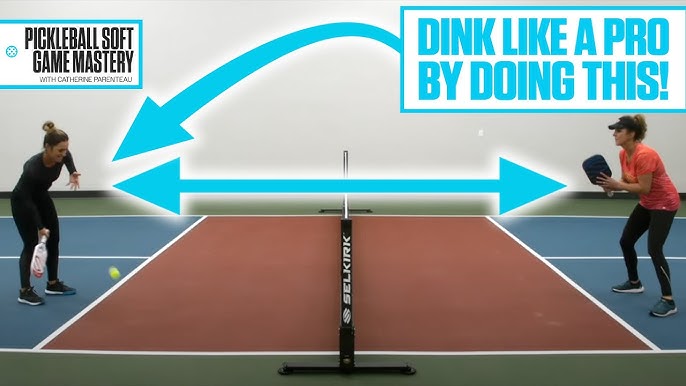
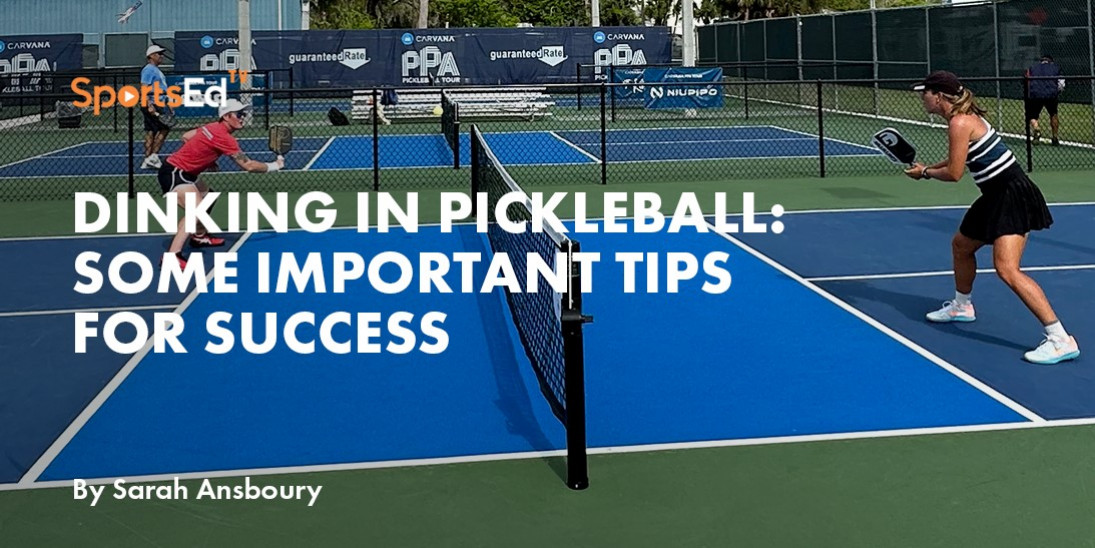
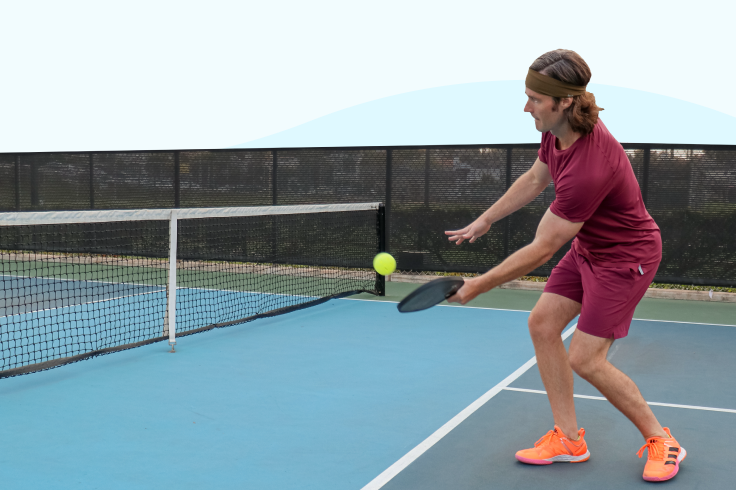
Dinking is a soft, controlled shot hit from near the non-volley zone, also called the kitchen. The ball clears the net by a small margin and lands in the opponent’s kitchen. It stays low, which makes attack shots hard. Think of it as chess at the net. It slows the rally and sets traps.
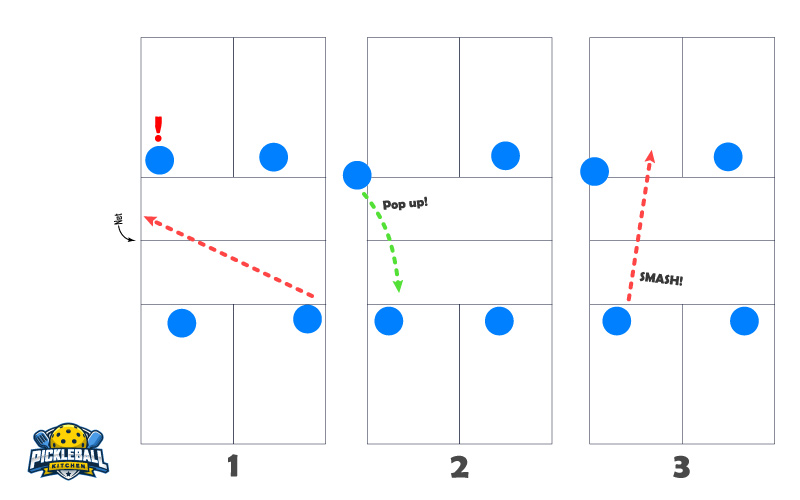
So, what is dinking in pickleball in simple words? It is a pressure tool. You trade power for touch. You use angles, depth, and patience to draw a pop-up or a miss. When a dink sits low, your rival must hit up. That is your chance to finish. Many points at higher levels start fast, then settle into a dink exchange. The player with better touch often wins.
Why dinking matters
Soft play wins more rallies than you think. Power looks fun. But power alone often feeds errors. A smart dink:
- Neutralizes big drives and hard hitters.
- Forces your opponent to hit from below net height.
- Creates attack chances on high balls.
- Builds control and teamwork in doubles.
At tournaments, I watch players ask what is dinking in pickleball after losing to a team with less power but more touch. Those teams hold the kitchen line, place the ball well, and wait. One bad dink floats. One quick attack ends the point. Control beats chaos.
Mechanics of a great dink shot
Good form makes the dink repeatable. Here is how to shape it.
Grip and paddle angle
- Use a continental grip. It helps with soft shots and quick changes.
- Keep the paddle face slightly open. Aim for a simple push, not a swing.
Stance and footwork
- Stay light on the balls of your feet.
- Keep your chest and paddle up. Eyes level.
- Use small shuffle steps to adjust. Do not reach if you can move.
Contact and swing path
- Contact in front of your body, near knee height.
- Short, smooth motion. Think lift, not hit.
- Relax your hand. Soft hands absorb pace.
Trajectory and margin
- Clear the net by a few inches. Give yourself a safe margin.
- Aim for a shallow arc. Low over the net, soft on the bounce.
Target zones
- Cross-court first. The net is lower there, and you have more space.
- Mix in middle dinks to cause doubt.
- Pull wide when the opponent creeps middle.
If a student asks what is dinking in pickleball in terms of feel, I say it feels like tossing an egg. Gentle, precise, calm.
Rules that affect dinking
Know the rules so your soft game is legal and sharp.
- Non-volley zone rule. You cannot volley while standing in the kitchen. You may enter to hit a ball that bounces. A volley in the zone is a fault.
- Two-bounce rule. The serve must bounce once per side before volleys are allowed. This encourages a soft game early.
- Foot faults. Do not step on the kitchen line during a volley. During a dink, you may step in because the ball has bounced.
- Ball height and net contact. The ball is live off the net if it lands in. Let balls near the sideline go if they float high and wide.
These rules shape what is dinking in pickleball and why the kitchen line matters so much.

Strategy and tactics at the kitchen
Dinking is not passive. It is active control.
- Win the line first. Get to the kitchen as a pair, then settle into dinks.
- Play cross-court more. It gives room and time to recover.
- Move the ball, not your body. Make them move. Hit pockets of space.
- Change patterns on purpose. Three cross-court, then one to the middle.
- Watch their paddle. If it drops low or drifts back, they are late. Aim low again.
- Attack only on clear chances. A high dink or a pop-up is your green light.
I like to name patterns. Clockwork is steady cross-court. Twist is a quick change to the middle. Blade is a sharp angle to pull them off court. If you ask what is dinking in pickleball at the pro level, it is these patterns, plus patience.

Drills to master dinking
Build touch with simple reps. Keep balls in play and track targets.
- Box targets. Place four cones in the kitchen. Aim to land 10 balls in each box.
- Cross-court rally. Dink cross-court only. Try for 20 in a row per side.
- Figure eight. Alternate cross-court and middle. Call your target before you hit.
- Depth ladder. Start very soft. Each five shots, add one foot of depth.
- No-pop game. If your ball rises above net height at contact, you lose the rally.
- Wall work. Stand 10 feet from a wall. Dink to a chalk square. Keep a low arc.
If a player asks what is dinking in pickleball for solo practice, I send them to the wall. It is honest and fast feedback.
Common mistakes and how to fix them
- Swinging too big. Fix it by shortening the motion. Think block and lift.
- Contact too far back. Fix it by stepping in. Catch the ball in front.
- Standing tall. Fix it by lowering your hips and bending knees.
- Aiming at the body every time. Fix it by mixing cross-court and middle.
- Panic on speed-ups. Fix it by keeping the paddle up and in front. Expect the attack.
I learned the hard way in my first final. I rushed and popped up two dinks. We lost the game. Now I breathe out on contact. It slows my hands and keeps the ball low. That small cue changed my soft game. It also shows what is dinking in pickleball at its core: calm under pressure.
Equipment tips for better dinks
Gear will not replace skill, but it can help feel and control.
- Paddle face. A textured face can add grip on the ball.
- Core. A thicker core often gives more control and softer touch.
- Weight. Slightly head-light builds faster resets and soft blocks.
- Grip size. Use a grip that lets your hand stay relaxed.
- Ball. Softer indoor balls respond different than outdoor ones. Adjust your arc.
Try paddles before you buy. Note how the face and core shape your dink arc. If you test with the question what is dinking in pickleball in mind, pick the setup that rewards soft hands.
Singles vs doubles dinking
Doubles is a dink showcase. Singles uses it less but still needs it.
- Doubles. Use cross-court dinks to move teams apart. Aim middle to cause mix-ups.
- Singles. Dink to pull the rival off the line, then pass to space.
- Court coverage. In doubles, protect the middle. In singles, protect down the line first.
If you wonder what is dinking in pickleball for singles, think bait. You bait them to move in, then you hit behind them.
Advanced dinking: spin, angles, and disguise
Once your base is set, add layers.
- Underspin. Slice under the ball for a skidding bounce.
- Topspin roll. Brush up on a higher dink to dip it late.
- Disguise. Set up the same look, then change last second.
- Angle bait. Aim at the sideline, then go middle on the next ball.
- Erne setup. Use a wide dink to pull a cross dink, then jump the sideline on a legal Erne.
Advanced players do not ask what is dinking in pickleball. They ask how to win the exchange. That shift in mindset is key.
A simple 15-minute daily plan
Use this short block on non-match days.
- Minutes 0 to 3. Wall dinks to a small square. Low arc only.
- Minutes 3 to 6. Cross-court with a partner. Track longest rally.
- Minutes 6 to 9. Target corners. Ten in each without a miss.
- Minutes 9 to 12. Add one depth dink to the back of the kitchen.
- Minutes 12 to 15. Situational play. One player defends, one attacks pop-ups.
Repeat for two weeks. Note your best rally count. This plan turns the idea of what is dinking in pickleball into muscle memory.
Frequently Asked Questions of what is dinking in pickleball
What is the goal of a dink in pickleball?
The goal is to keep the ball low and unattackable. You force a mistake or a high ball that you can finish.
Where should I aim my dinks most of the time?
Aim cross-court for margin and time. Mix in middle and short angles to move opponents.
How is a dink different from a drop shot?
A drop shot starts from the baseline and lands in the kitchen. A dink is a short, soft shot played at or near the kitchen.
Can I step into the kitchen when dinking?
Yes, you may step in to hit a dink because the ball has bounced. You cannot volley while in the kitchen.
How do I stop popping up my dinks?
Relax your grip, shorten your swing, and contact in front. Keep the paddle face stable and lift, do not hit.
Should I attack during a dink rally?
Attack only on clear pop-ups or shoulder-high balls. If in doubt, reset with another low dink.
What grip is best for dinking?
A continental grip works well. It supports quick resets, blocks, and soft touch.
Conclusion
Dinking is the soft engine of smart pickleball. You slow the game, shape space, and wait for the right ball. Learn the feel, add targets, mix patterns, and your win rate climbs. Start today with five minutes of wall work, five minutes of cross-court, and five minutes of target dinks. Share your progress, ask questions, and subscribe for more deep dives on skill building and match strategy.