
The dupr pickleball rating is a dynamic 2.0–8.0 skill score used worldwide.
If you play or plan to play pickleball, understanding the dupr pickleball rating is a game-changer. I’ve helped players set up profiles, fix bad data, and climb from 3.0 to 4.0+. In this guide, I’ll break down how DUPR works, how to get a fair rating fast, and how to use your rating to improve. Stick with me, and you’ll walk away with clear steps and insider tips that actually work.

What is the dupr pickleball rating?
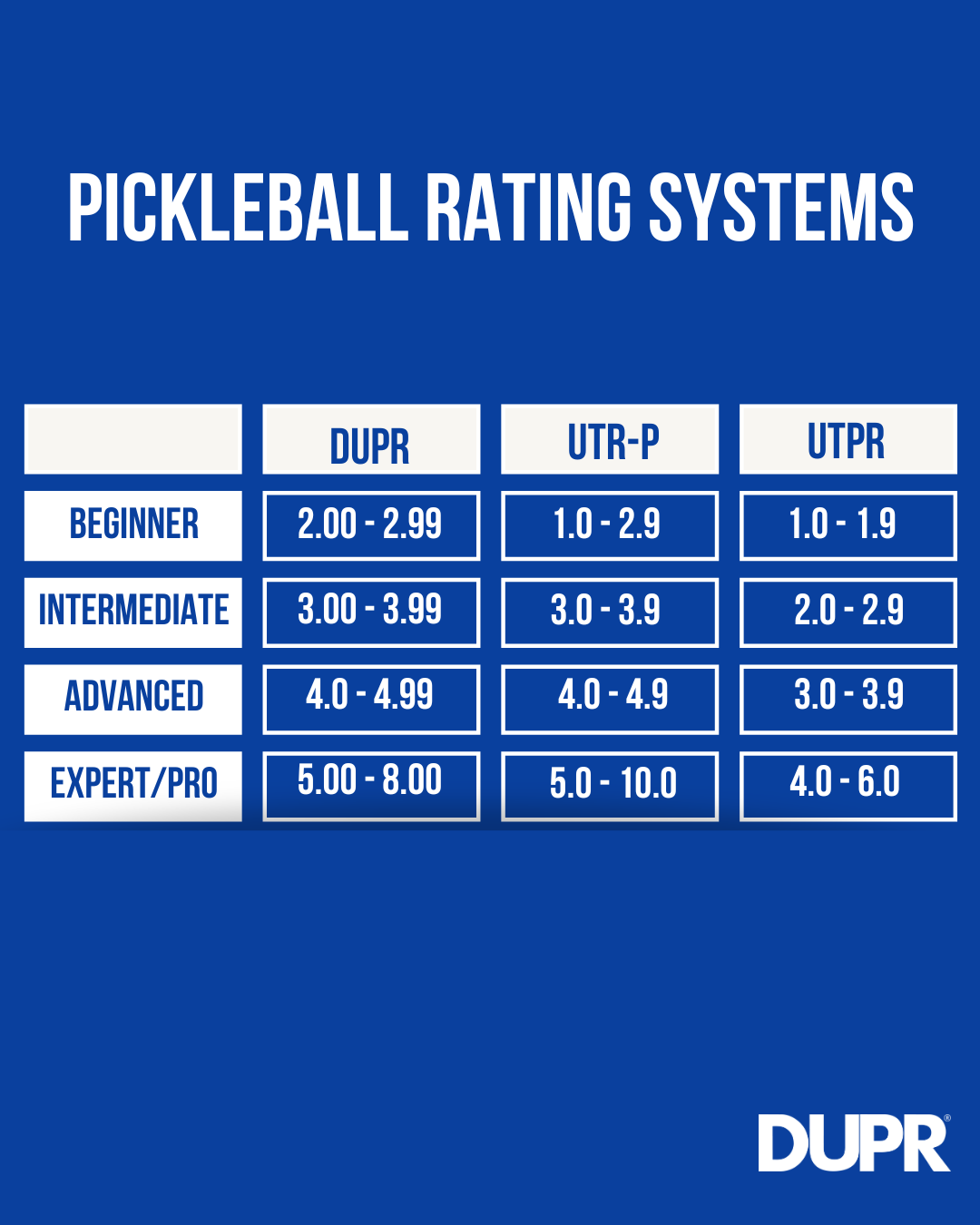
DUPR stands for Dynamic Universal Pickleball Rating. It gives every player a single number that reflects skill. The scale runs roughly from 2.0 for beginners to 8.0 for elite pros. Your rating updates as you play and record scores.
The dupr pickleball rating is match-based. It looks at who you played, what the score was, and how recent the match was. It works for singles and doubles. Many clubs, leagues, and events now use DUPR to group players, set divisions, and seed draws.
The best part is access. You can create a free account, log verified scores, and build a reliable rating. You do not need to play only tournaments. Your local rec games can count when both sides confirm the result.

How the DUPR algorithm works in plain language
DUPR uses an Elo-style system built for pickleball. Think of it like a smart thermostat for skill. It adjusts your score based on how well you perform against others with known ratings.
Key inputs the system uses:
- Opponent strength Strong wins move the needle more than beating lower-rated players.
- Margin of victory Winning 11–2 matters more than 12–10.
- Match type Tournament and league results can carry more weight than casual rec.
- Recency Recent results count more than old ones.
- Partner effect In doubles, your partner’s rating changes the expected outcome.
In short, the dupr pickleball rating rewards quality wins, penalizes bad losses, and learns faster when you play more. Ratings can move a little even when you win, if you underperform versus what the system expected.
How to get your dupr pickleball rating step-by-step
You can start from scratch. Here’s the simple path I give new players:
- Create your profile Use your real name and connect to your club if they use DUPR.
- Play with a rated player Your first matches should include at least one player with a known rating. This anchors your starting score.
- Record full scores Enter final scores, not just who won. Ask your opponents to verify in the app.
- Aim for 8–12 matches early This speeds up accuracy and stabilizes your dupr pickleball rating.
- Mix formats Play both doubles and singles if you want both ratings to mature.
- Keep it current Log results within a day so the system weights recency correctly.
Pro tip from experience: Start with 3–5 balanced matches. Avoid huge mismatches in week one. Early blowouts can make your starting number swing wildly.
Provisional vs reliable ratings and what they mean
New profiles begin as provisional. That means the system is still learning about you. As you add matches across different opponents, your rating gains reliability.
What helps you become reliable faster:
- More verified matches Aim for a steady flow over a few weeks.
- Variety in opponents Play both higher and lower-rated players.
- Fewer lopsided scores Competitive games give the system clearer signals.
Expect more movement when your dupr pickleball rating is new. Once reliable, changes get steadier and reflect your true level better. It is normal to see small drops after close wins if the model expected you to win big.

Singles vs doubles, recency, and margin of victory
You have one profile with two ratings. Singles and doubles update on their own tracks. Your doubles rating is not a direct mirror of your singles.
Core levers that move your rating:
- Recency Fresh results weigh more. Stale data fades over time.
- Margin 11–2 is stronger than 11–9 because it shows control.
- Partner effects Beating strong teams with a lower-rated partner helps a lot.
If you are a doubles-first player, pair with teammates near your level. This avoids strange swings and helps the model set fair expectations for your dupr pickleball rating.

How to improve your dupr pickleball rating
Here is the playbook I use with players who want steady gains:
- Schedule smart matches Mix 60% even matches, 20% stretch matches, 20% confidence matches.
- Log full, verified scores Unverified results do not count. Incomplete scores reduce signal.
- Focus on rally tolerance Limit unforced errors first. Clean play shrinks score gaps fast.
- Serve and return deep Deep balls buy time and reduce free points for the other side.
- Win the kitchen line Practice dinks, resets, and counters. Ratings love close wins in tough matches.
- Track splits Play one extra game when the session score is tied. Avoid ending on a lopsided set that can skew your trend.
- Review film or stats One small fix per week beats five random changes.
Personal tip I learned the hard way: Do not chase rating in one night. Aim for quality over volume. Two clean, verified wins can help more than seven messy games where scores are not recorded.
Common mistakes and myths about DUPR
- Myth: Only tournaments count Reality Rec games count if verified. Many clubs rely on those.
- Mistake: Hiding bad losses Transparency helps accuracy. Cherry-picking slows improvement.
- Myth: You must crush lower players Reality Winning by what the model expects is enough. Over-pressing leads to errors.
- Mistake: Playing only down to farm wins Beating lower teams gives small gains. Quality upsets drive bigger moves.
- Myth: DUPR is random Reality It is consistent with expected-value math. Outlier swings often trace back to thin data or odd score lines.
If your dupr pickleball rating looks off, check your match log. Missing or wrong scores are the top cause of confusion I see.

DUPR vs UTPR vs local ladders
- DUPR Dynamic, universal, accepts verified rec and event data, used by clubs and Major League Pickleball for draft and line strategy.
- UTPR USA Pickleball’s legacy rating tied to sanctioned events. Strong for tournament seeding but slower for casual players.
- Club ladders Good for local grouping but vary by format and may not travel with you.
If you want a living number that follows you everywhere, the dupr pickleball rating is the most flexible. If you play lots of sanctioned events, you might watch both.
Real-world scenarios that change ratings
- Close win as a favorite You win 11–9, 11–9 vs lower-rated foes. Small gain or even tiny drop. The model expected a wider margin.
- Upset with a lower-rated partner You and a weaker partner beat a balanced pair. Noticeable jump because you beat the odds.
- Split results vs stronger team Lose 8–11, then win 11–7. Net move can be positive if the win margin offsets the loss.
I once had a player win 3 out of 5 vs similar teams and drop slightly. The two narrow wins did less than the one lopsided loss. We tightened serve depth next week and fixed it.
Data quality, ethics, and keeping it fair
The system assumes honest, verified inputs. Sandbagging hurts everyone, and it often backfires later. Clubs can audit odd patterns, and opponents can dispute results.
Good practices:
- Verify right away Fewer mistakes, and both sides remember the scores.
- Record full match scores Include tiebreakers and exact numbers.
- Play balanced sessions Mix partners and opponents to build a strong dataset.
- Be transparent If you mis-enter a score, fix it fast.
Trust builds a better ladder for all. Your dupr pickleball rating is most valuable when the data behind it is clean.
Tools, integrations, and where DUPR matters most
- Club management Many facilities now schedule by dupr pickleball rating bands.
- Leagues and round robins Captains use DUPR to set fair lines and matchups.
- Events and camps Coaches group by level for drills that stick.
- Player discovery Visitors can find same-level play in new cities fast.
Quick workflow I suggest:
- Link your email to your club’s DUPR group.
- Turn on notifications for match verifications.
- Export your match log monthly to spot trends.
The more you use the tools, the more reliable your dupr pickleball rating becomes.
Frequently Asked Questions of dupr pickleball rating
What does the DUPR scale mean?
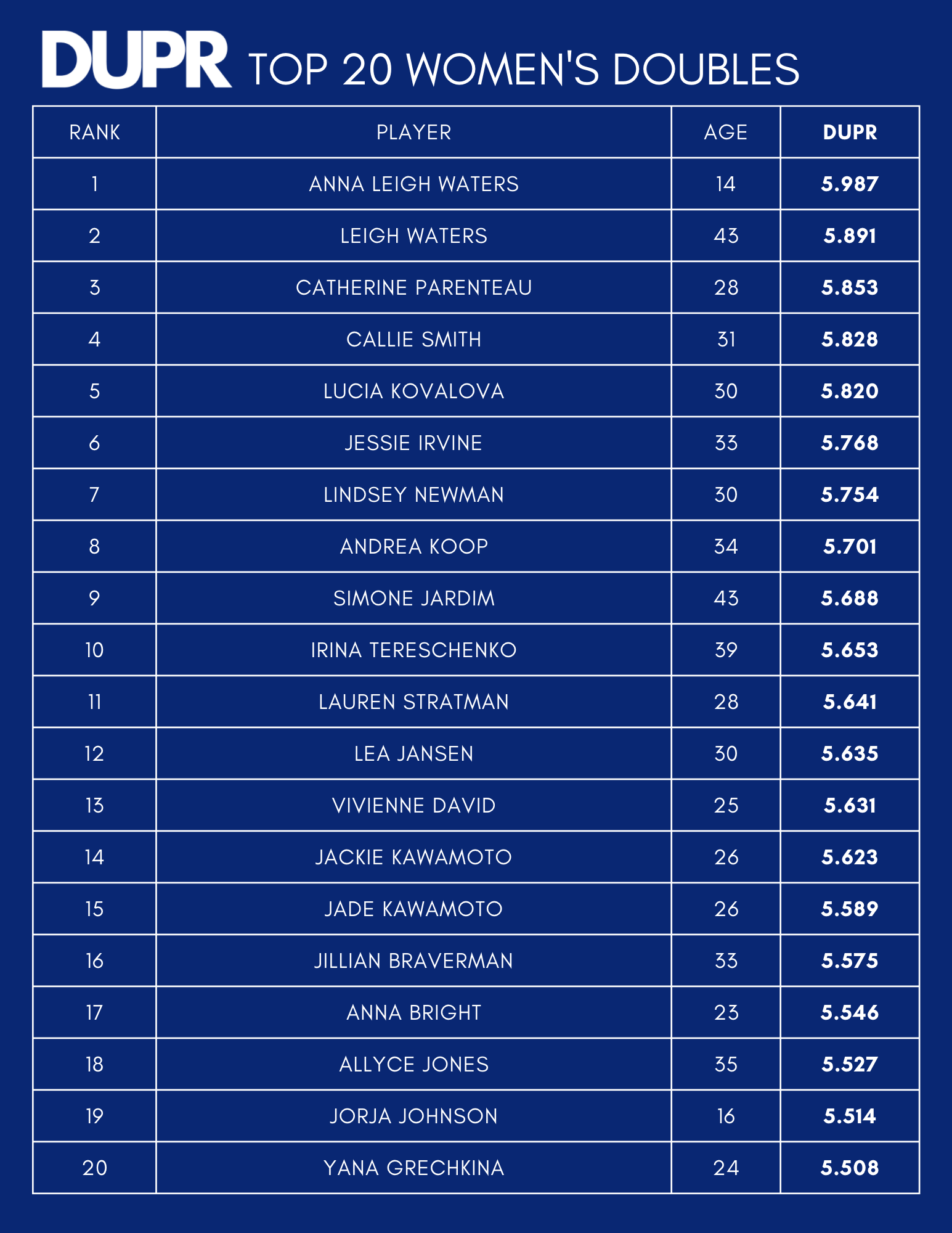
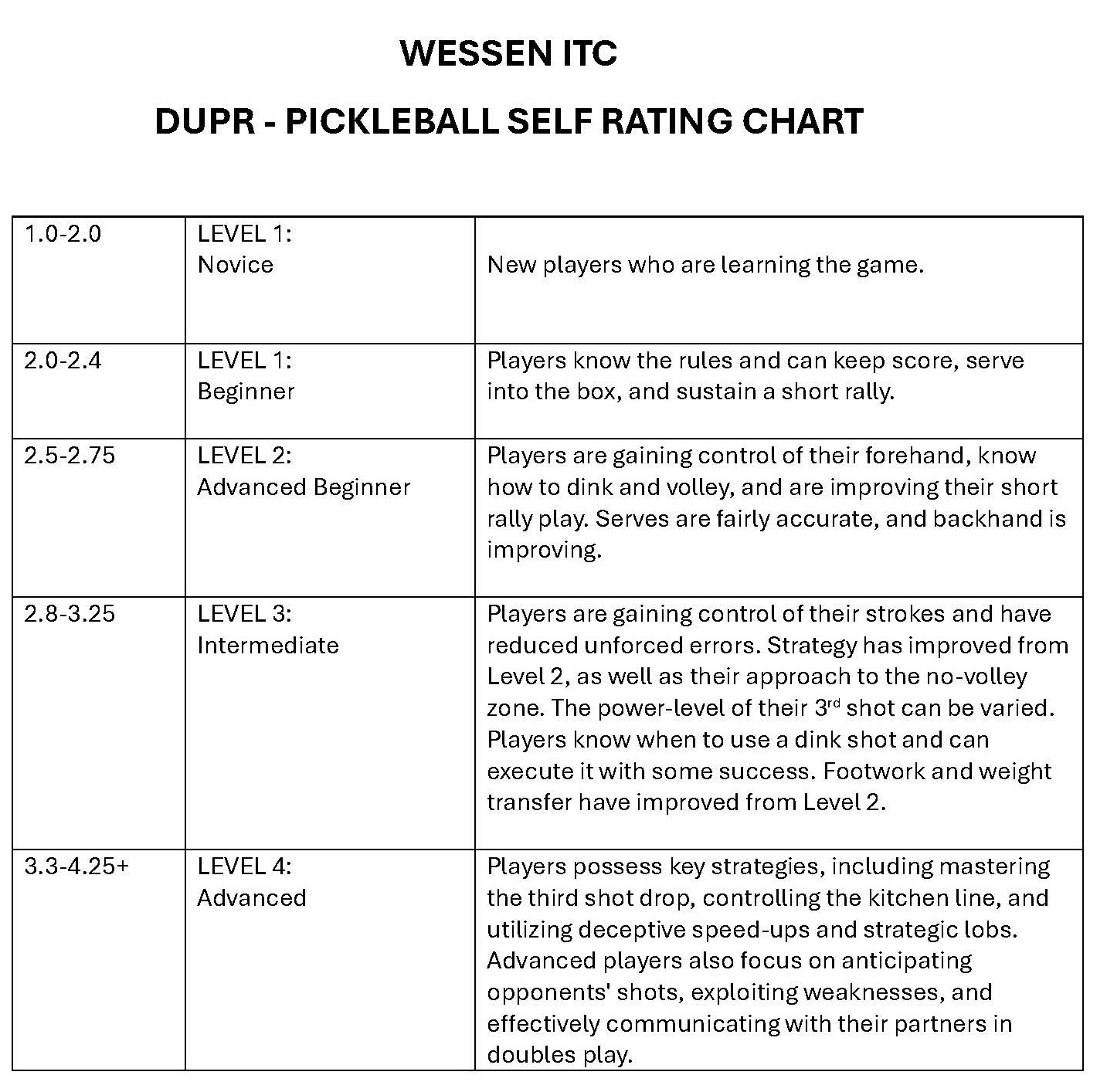
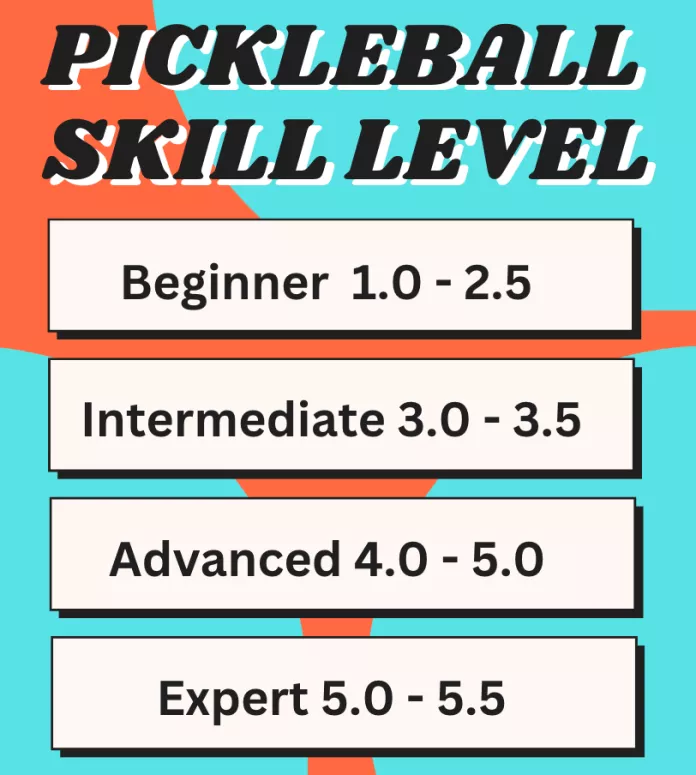
DUPR runs about 2.0 to 8.0. New players start around 2–3, advanced club players often sit 4.0–4.5, and pros live near 7–8.
How many matches do I need for a reliable rating?
Aim for 8–12 verified matches across a few weeks. More variety in opponents helps the system settle faster.
Do recreational games count toward my rating?
Yes, if both sides verify the exact score. Tournament and league matches may carry more weight, but rec results still matter.
Why did my rating drop after a win?
You might have underperformed versus the model’s expectation. A narrow win against much lower-rated opponents can lead to a small dip.
Are singles and doubles ratings the same?
They are separate. Singles reflects your one-on-one results, while doubles adds partner and team dynamics.
Can I remove a bad result?
You can correct errors. But removing valid losses can harm trust and may lead clubs to question your log.
How often does DUPR update?
Ratings often update within hours after verification. In busy periods, allow up to a day.
Conclusion
The dupr pickleball rating gives you a clear, living picture of your game. It learns from who you play, how you win or lose, and how you perform over time. Use it to set goals, find fair matches, and track real progress.
Start today. Create your profile, log a few clean, verified matches, and build momentum. If this guide helped, share it with your pickleball group, subscribe for more tips, or drop a question so we can grow your game together.