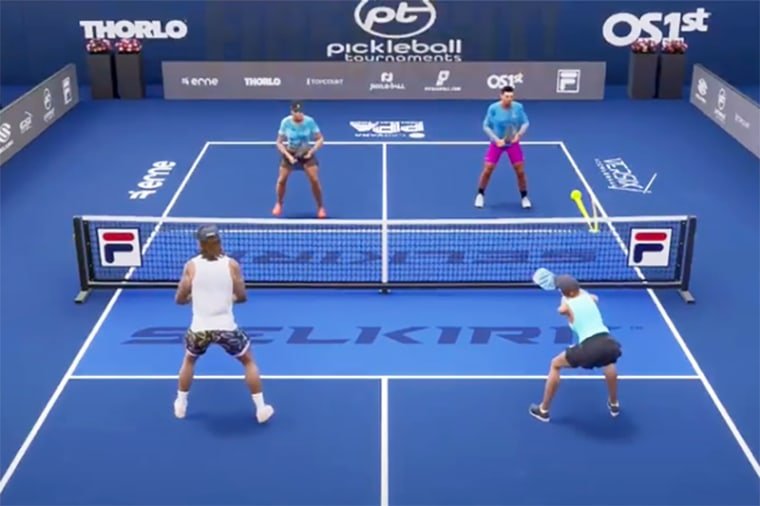
Pickleball is a fun paddle sport that blends tennis, badminton, and ping pong.
If you’ve ever wondered what is pickleball game, you’re in the right place. I teach beginners and play local leagues, so I know the rules, the gear, the tricks, and the traps. In this guide, I’ll break down what is pickleball game in plain language, with real tips you can use today.

What Makes Pickleball Unique
Pickleball is easy to learn and hard to master. The court is small, the paddle is light, and the ball is slow. That mix makes rallies longer and the game social. You get fast fun without a steep skill wall.
Understanding what is pickleball game starts with access. You can set up a net in a driveway or find a public court in a park. Kids, adults, and seniors play together. That rare blend is a big reason it grows so fast.
I like to say it plays like chess at jogging speed. You read your rivals, move as a team, and pick smart shots. It is great for lunch breaks and for long weekend meets.
A Brief History and Origins
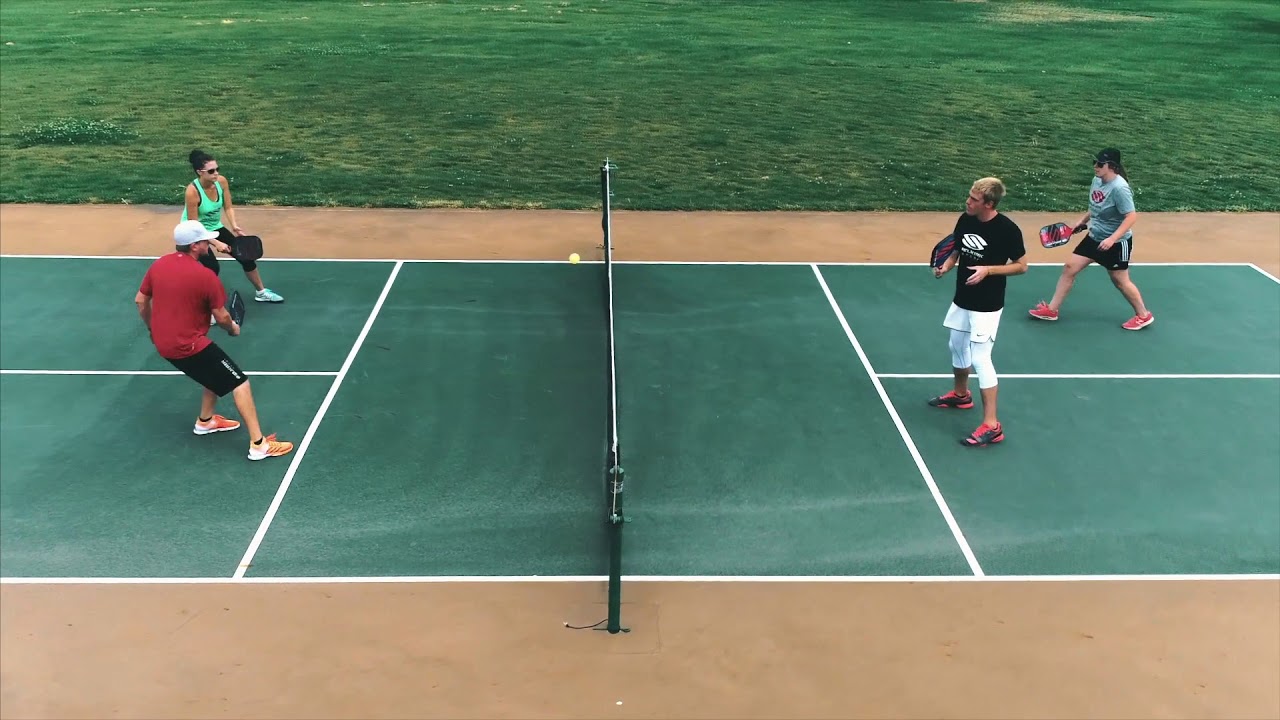
Pickleball began in 1965 on Bainbridge Island, near Seattle. A few friends wanted a simple game for family fun. They pulled a wiffle ball, made short paddles, and marked a small court. The rules grew from there.
Many ask about the name. One story says it came from a dog named Pickles, who chased balls. Another talks about a “pickle boat,” a crew term for mixed leftovers. Either way, the playful name fits the mood of the sport.
To answer what is pickleball game fully, it helps to see how it spread. Schools, rec centers, and parks pushed it ahead. It is now a staple in gyms and clubs. Tournaments draw players from every level.
Court, Paddle, and Ball
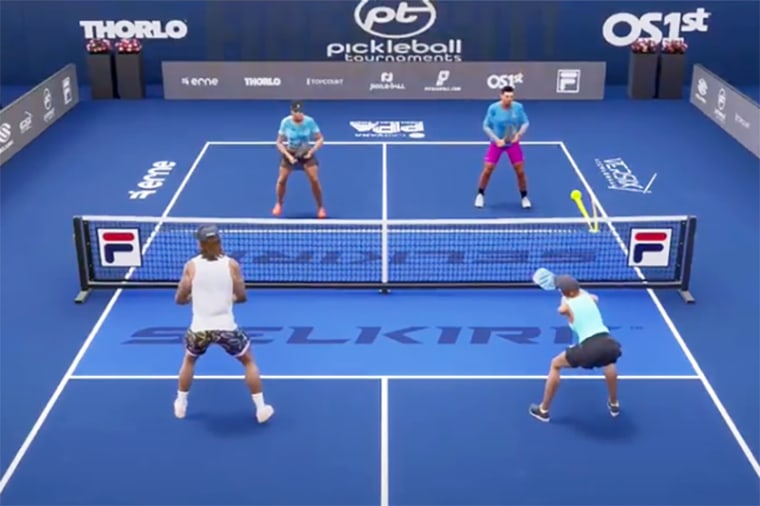
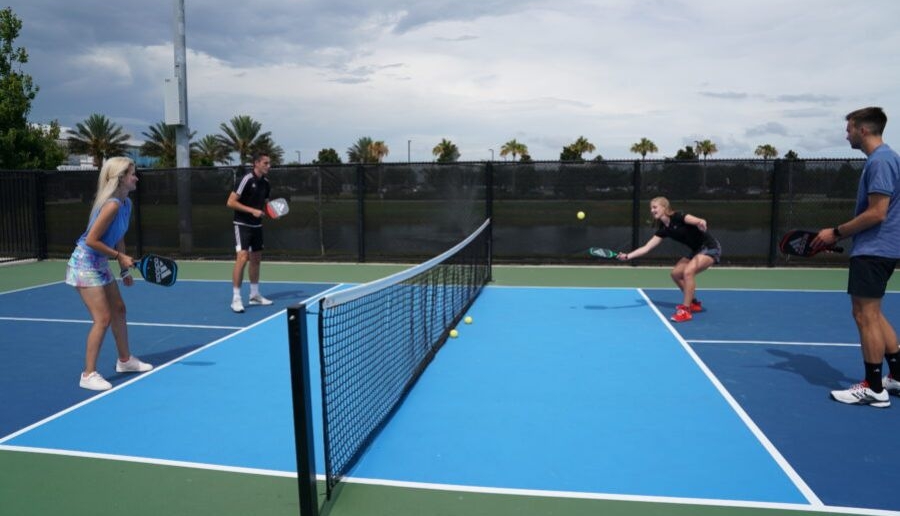
A pickleball court is 20 feet by 44 feet. That is the same size for singles and doubles. Each side has a 7-foot non-volley zone at the net. People call it the kitchen. You cannot volley while in it.
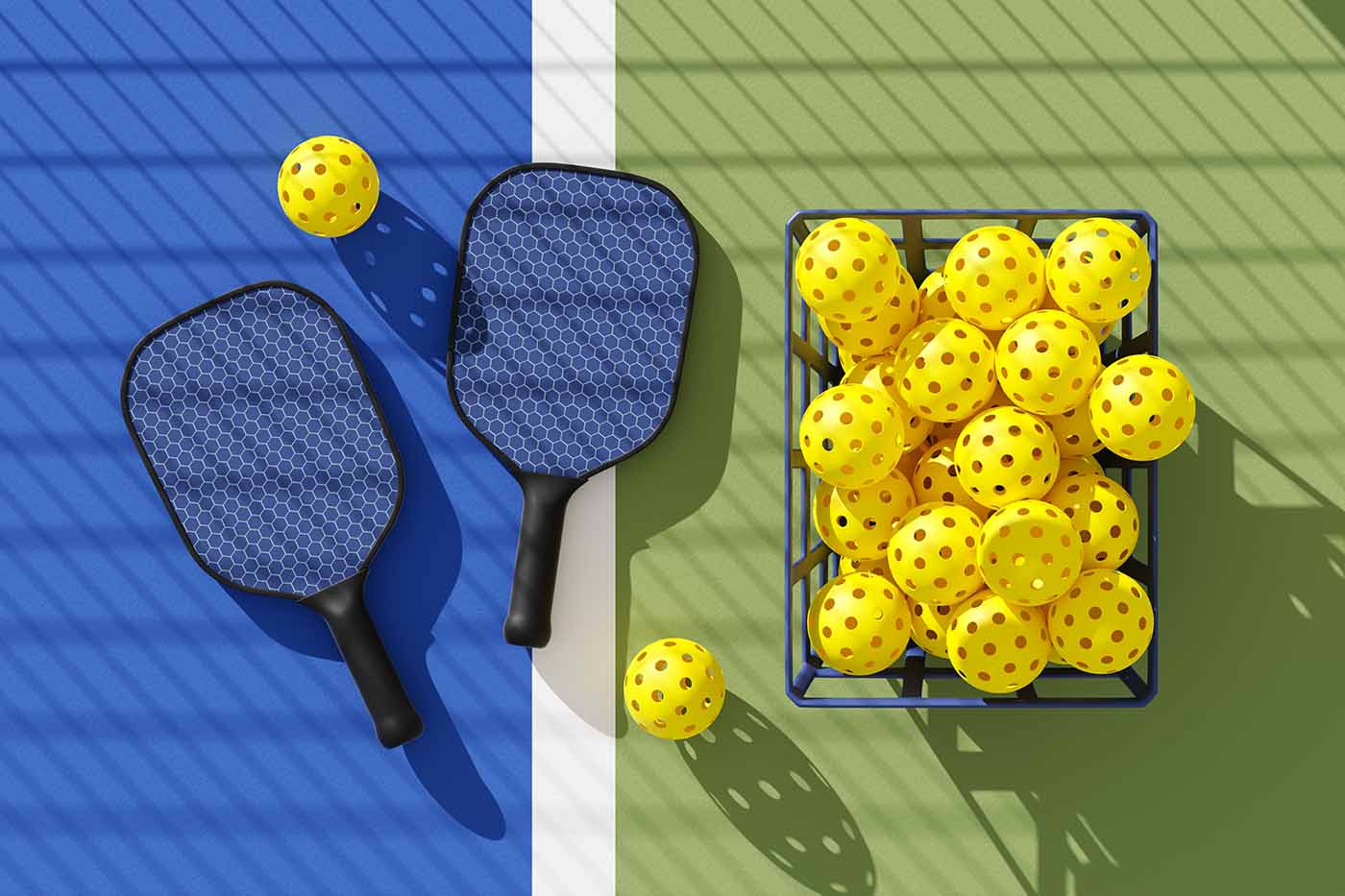
Paddles are solid and light. Many are made from graphite, carbon, or fiberglass. The ball is a plastic, perforated ball. Outdoor balls have more holes and are a bit firmer than indoor balls.
When people ask what is pickleball game, they picture that small court and the light ball. The scale is kind on joints. You cover less ground than in tennis. You still get quick moves and bursts of speed.
Basic Rules and How to Play
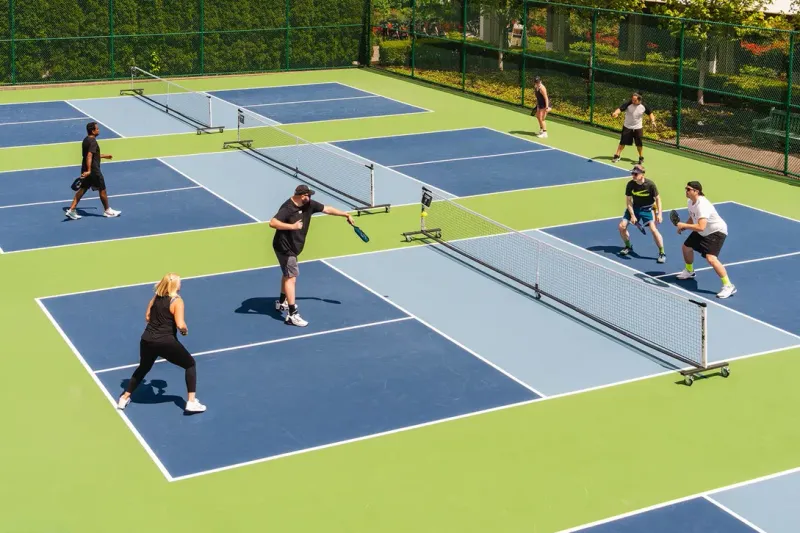
The serve is underhand. You hit cross-court and clear the kitchen. The ball must bounce once on each side to start the rally. People call this the two-bounce rule. After that, you can volley, but not from inside the kitchen.
Doubles is the most common way to play. Partners stand side by side and move as a pair. You split duties and talk a lot between points. Singles is faster and more about fitness and angles.
A quick way to grasp what is pickleball game is to learn the flow:
- Serve cross-court underhand to start the point.
- Let the return bounce, then let the next shot bounce.
- After two bounces, choose to volley or let it bounce.
- Stay out of the kitchen on volleys, but you can step in to hit a ball that bounces first.
Common faults include hitting out, into the net, or volleying in the kitchen. Step errors in the kitchen are the big rookie trap. I made that mistake for weeks. Take your time near the line.
Scoring and Winning
Only the serving team can score points in doubles. Games are often to 11, win by 2. In some events, games go to 15 or 21. If the serving team loses the rally, the serve passes to the partner. After both partners lose serve, the other team serves.
The score has three numbers in doubles. Server’s score, receiver’s score, and server number. You call it like 6-4-1 or 6-4-2. The first server of a new game starts as server two by rule. That keeps games fair.
Another part of what is pickleball game is how scoring works for singles. It is simpler. Call server’s score then receiver’s score. Only the server can score. You switch sides on an odd server score to serve cross-court.
Core Techniques and Shots
The most vital shot is the dink. It is a soft hit from near the kitchen that lands short. It forces your rivals to hit up. That sets up your attack. The third-shot drop is next. You hit soft from deep and land it in the kitchen to gain the net.
You also need a drive, a lob, a block, and a reset. A drive is a flat, firm ball. A lob can push rivals back if they lean in. A block turns speed into control. A reset slows a fast rally and buys time.
Mastering shots completes what is pickleball game for new players. Start with a soft touch. Then add pace. When I coach, I have people rally with no swings above 50 percent power. Control wins games more than heat.
Drills I use with beginners:
- Dink to target. Aim for a small square near the kitchen.
- Third-shot drop ladder. Back up one step each time you land a clean drop.
- Volley to volley. Keep the ball at chest height or lower.
- Reset drill. Have a partner drive at you while you drop the ball into the kitchen.

Strategy for Doubles and Singles
In doubles, win the kitchen line. Cover the middle. Most balls go there. Keep paddles up, elbows away from ribs. Talk often. Say yours, mine, switch, or bounce. Clear calls reduce errors.
Stacking helps teams hide a weak side. You can start on one side and slide after the serve. That keeps a strong forehand in the middle. Try it if one partner is lefty or has a strong drive.
Singles asks for fitness and smart angles. Deep serves and deep returns set the tone. Hit to space, not to people. Rush the net when you can do it safe. Soft hands still matter in singles.
Strategy explains what is pickleball game at higher levels. It is not only who hits hard. It is who sees faster. Keep your head calm and your feet light.
Health Benefits, Fitness, and Who Plays
Pickleball gives steady cardio at low impact. Your heart rate climbs, but your joints are safe. That suits busy adults and older players. It is a social sport, which helps mood and stress as well.
Studies show moderate work rates for most play. You can burn real calories in an hour. The small court keeps breaks short and the fun constant. That helps people stick with it.
If you ask what is pickleball game doing for your body, think balance and focus. You bend, reach, and pivot. Your brain tracks the ball, the lines, and your partner. It is a full tune-up without feeling like a chore.
I have seen shy folks bloom on the court. New friends come fast. Games end with smiles and paddle taps. That community is a big health win.
Gear Buying Guide and Costs
You do not need much to start. A decent beginner paddle costs about the price of a dinner date. Many sets include two paddles, balls, and a bag. Shoes with good grip and support matter more than flash.
Pick a grip size that fits your hand. Try a few paddles if you can. A softer paddle adds control. A stiffer face adds pop. Balls come in indoor and outdoor types. Outdoor balls hold up better on rough courts.
Budget also shapes what is pickleball game for families or schools. You can outfit a group for less than many other sports. If you want a home setup, a portable net is easy to store.
Basic checklist:
- Paddle that fits your grip and swing speed.
- Court shoes with flat, grippy soles.
- A few outdoor balls in bright colors.
- Hat, sunglasses, and light layers for sun and wind.
- A simple bag to carry gear.
Common Mistakes, Safety, and Etiquette
New players swing too hard. They stand too close to the kitchen line and volley into it. They also forget the two-bounce rule. Slow down. Aim bigger. Make safe plays in the middle.
For safety, warm up five minutes. Do light lunges and shoulder rolls. Keep your eyes safe if play is fast. Stay aware of balls on nearby courts. Drink water often. The small court hides how much you sweat.
Court manners keep games smooth. Call your own kitchen faults. Make clear line calls. If in doubt, give the point to your rivals. Tap paddles after games. Thank strangers who jump in. Good vibes are part of the sport.
Avoiding errors defines what is pickleball game as safe and fun for all. I learned to count “one, two” out loud after my serve to remember the bounce rule. Little cues like that help.
How to Get Started Today
Find a local court. Parks, YMCAs, and rec centers run open play. Bring a friend or come solo. The community will slot you in. Ask for a beginner court. Most spots have one.
Take a clinic. A one-hour lesson can save months of trial and error. You learn serves, the kitchen rule, and safe footwork. Join a ladder or a league when you feel ready. Short, weekly play keeps skills fresh.
The simplest path to feel what is pickleball game is to rent a paddle and jump in. You will laugh, sweat, and leave with a plan to come back. That is the magic.
Frequently Asked Questions of what is pickleball game
Is pickleball hard to learn?
No. Most people rally within 10 minutes. Good habits take time, but you can enjoy day one.
What gear do I need to start?
You need a paddle, a few balls, and court shoes. Borrow or rent at first, then buy once you know your style.
How is pickleball different from tennis?
The court is smaller, the paddles are solid, and the ball is lighter. Rallies are shorter steps and more touch than power.
Can kids and seniors play together?
Yes. The light gear and small court make it safe and fun for mixed ages. Many families play doubles together.
How long is a typical game?
Most games take 10 to 20 minutes. It depends on the score cap and how close the teams are.
Do I need to be super fit?
No. Pickleball scales to your pace. You can play casual games or train for events.
Conclusion
Now you know the court, the rules, the shots, and the soul of the sport. You can see how it blends touch, teamwork, and smart play. You also know how to start with the right gear and good habits.
Pick a day this week, head to a local court, and try three things: soft dinks, deep serves, and clear calls with your partner. You will feel the rhythm fast. Ready to go deeper? Subscribe for new drills, gear tips, and more guides, and drop a comment with your first match story.