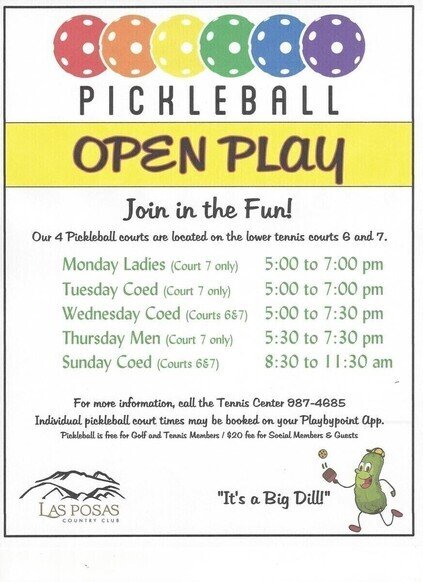
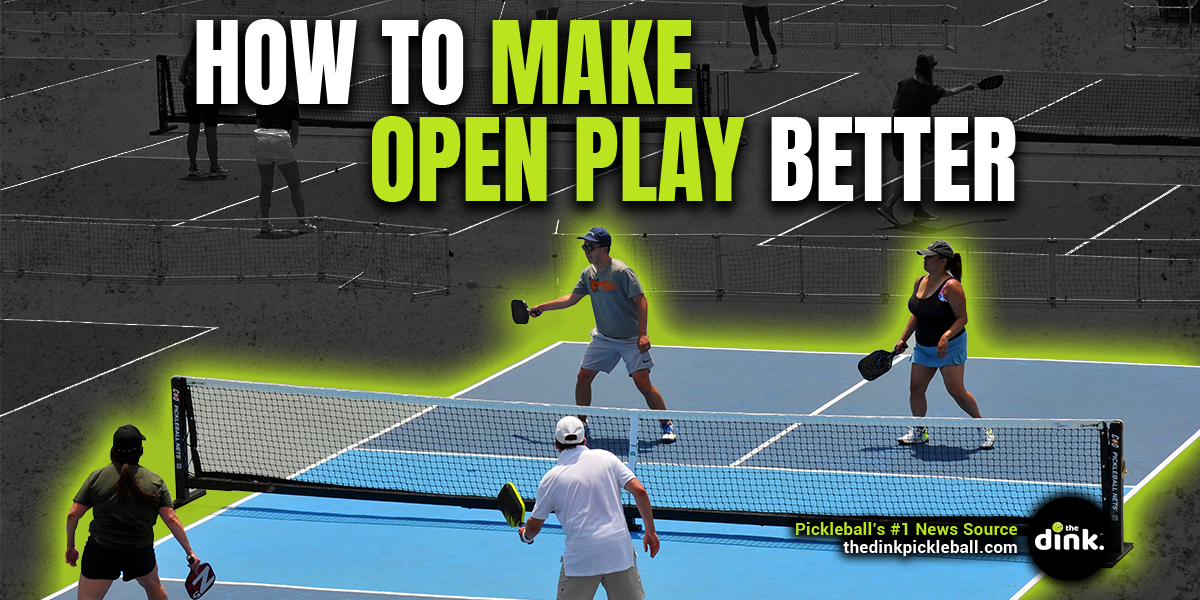
Pickleball open play is casual drop-in games where players rotate and mingle.
If you want fast games, new friends, and real practice, pickleball open play is your sweet spot. I’ve played and hosted sessions for years, from calm morning drop-ins to packed evening ladders. In this guide, I’ll break down how pickleball open play works, what to expect, and how to get the most from every point.

What Is Pickleball Open Play and How It Works
Pickleball open play is a drop-in format where players show up, mix in, and rotate. Courts run short games, often to 9 or 11, win by 1 or 2. After each game, players place paddles back in a queue and new players step on. The flow keeps games moving and lets everyone get in.
Most clubs divide by skill or court type. You might see a beginner court, a challenge court, and a few mixed courts. Some groups use two-on, two-off. Others run four-off for faster rotation. The goal is simple. Keep play fair, fun, and welcoming for all.
In my town, our busiest pickleball open play meets at 7 a.m. We use a paddle rack and two challenge courts. New players get help on rules. Regulars know to rotate. It feels like a friendly block party with paddles.

Why Players Love It: Benefits for Every Level
Pickleball open play is social. You’ll meet partners in minutes and build a network fast. It is also efficient. You get quick games without planning teams or bookings. That makes it ideal for busy people.
It helps you improve. You face new styles and learn faster than hitting with the same group. Short games offer many reps on serves, returns, and dinks. It is great for fitness too. The start-stop pace fits many ages and bodies.
There is a community lift as well. New players get guidance. Experienced players sharpen skills and mentor others. That mix is the secret sauce of pickleball open play.

How to Find Pickleball Open Play Near You
Start with your local parks and recreation site and community centers. Many post drop-in pickleball schedules online. Search “open play pickleball near me” on Google Maps. Check YMCAs, schools, and churches with gyms.
Use popular tools. PlayTime Scheduler and CourtReserve list times and levels for many cities. Join local Facebook groups and club newsletters. Ask at pro shops. They often know hidden gems.
When you go, bring cash or a card. Some places charge a small drop-in fee. Arrive early, ask how rotation works, and be ready to jump in.

Formats, Rotation Systems, and Court Etiquette
You will see a few common systems. A paddle rack queue is the classic. Place your paddle in line. When courts open, take the next four paddles. A whiteboard with names works well for large groups. Challenge courts put winners on and keep them there. Losers rotate off. This rewards strong play and sets a target for others.
Follow simple etiquette:
- Greet your court and call the score loud and clear.
- Accept partners with a smile, no matter the level.
- Do not coach during points. Ask if feedback is welcome after.
- Call balls on your side and give benefit of doubt.
- If a ball rolls in, yell “Ball on!” and replay the point.
One more tip. Learn the local rules. Some groups play to 9. Some to 11. Ask before you serve.
Level-Based Sessions and Ratings (3.0–4.5+)
Many sessions list a level, like 3.0, 3.5, or 4.0+. If you are unsure, choose the lower option first. After a few games, you will know where you fit. Ratings like DUPR help, but honest self-check matters more.
If play feels too slow, move up. If you are getting blown out, move down. That keeps games close and fun. It also builds trust in the group.
I once tried a 4.0+ pickleball open play before I was ready. I spent the hour on defense. The next week, I dropped to 3.5 and had a blast. Progress comes from the right challenge, not the hardest one.
Strategy Tips for Succeeding in Open Play
Keep it simple with a new partner. Before the first serve, agree on two things. Who takes middle balls and who handles lobs. Clear talk stops collisions and missed shots.
Use high percentage plays:
- Serve deep and aim middle.
- Return deep and slow the ball.
- Try a third shot drop when you can.
- Dink cross-court to buy time.
- Attack up when the ball sits high.
If you stack, keep it light. Many partners have never stacked. Choose a basic version on serve only. Share a quick plan and roll with it.
Gear Checklist for Drop-In Days
Pickleball open play is easier when you pack smart. Bring:
- Paddle with fresh grip and a backup if you have one.
- USA Pickleball approved outdoor balls for hard courts.
- Court shoes with good grip and lateral support.
- Water, electrolytes, and a small snack.
- Hat, sunscreen, and a towel.
- Small first aid kit and athletic tape.
- A pen to mark your paddle if the rack is full.
Eye protection is a smart add. Fast hands at the kitchen can send balls high and quick. I started wearing glasses after a close call on a smash.

Hosting or Organizing a Smooth Open Play Session
As a host, clarity is king. Post the times, level, and format. Cap attendance if courts are tight. Use a sign-up tool for busy nights. Set a friendly tone and greet new players at check-in.
Pick a rotation that fits demand. For big crowds, run short games or four-off. Keep one challenge court if players want a test. Announce rules at the start. Remind people to rotate fast and keep balls in pockets ready.
Track safety and fairness. Watch for rough play and step in early. Pair beginners with welcoming partners. Thank players who help. Community grows when people feel seen.

Safety, Warm-Ups, and Injury Prevention
Warm up for five to eight minutes:
- Jog the lines and do light shuffles.
- Add ankle circles and hip openers.
- Do shoulder rolls and band pulls.
- Shadow a few serves and dinks.
Wear court shoes and replace worn pairs. Hydrate before you arrive. In heat, use shade and rest between games. If something hurts, stop. A short break beats a long layoff.
Most injuries I see come from cold muscles or slippery shoes. A quick warm-up and clean soles fix both. Your body will thank you.
Managing Wait Times and Peak Hours
Peak times draw crowds. Go early mornings or lunch to skip the rush. Weekdays often beat weekends. Indoor seasons change traffic, so check schedules often.
Use smart rotation to cut waits. Shorten games to 9 during peak hours. Keep one challenge court and the rest social. Encourage one-up, one-down so winners do not camp.
Waiting is not wasted time. Stretch, hydrate, and scout other courts. I pick one thing to work on next game. It keeps me focused and calm.
Common Mistakes to Avoid in Pickleball Open Play
Do not smash every ball. Control beats power in tight games. Avoid lobbing into the sun unless you mean it.
Do not over-coach strangers. Ask before giving tips. Save long talks for after games. Call the score before every serve. Missed scores cause confusion and arguments.
Do not join the wrong level. It hurts game quality and can feel rough for all. If you are unsure, ask the host. Most people are happy to guide you.
Personal Lessons From Years of Open Play
On my first pickleball open play, I chased winners and forgot to talk. We lost every close point. The fix was simple. Call “mine” and “yours,” and laugh off mistakes.
I learned to bring two paddles and a snack. A broken grip can end a session early. A banana can save your legs late. I also learned that kindness spreads. One welcome today brings two more players tomorrow.
Pickleball open play is where I found friends, mentors, and real joy in the game. Show up, rotate, and say thanks. The rest will follow.
Frequently Asked Questions of pickleball open play
What is pickleball open play?
It is a drop-in session where players mix in and rotate across games. You do not need a set partner or team.
How long are games in open play?
Most games go to 9 or 11 and win by 1 or 2. Hosts set the target to keep rotations moving.
What should I bring to open play?
Bring a paddle, court shoes, water, and balls if requested. Sunscreen, a towel, and eye protection are smart adds.
Do I need a rating to join?
Not always. Many sessions are open to all. Level-based events use ratings like 3.0 or 3.5 to keep matches even.
How do rotations work with big crowds?
Most groups use a paddle rack or whiteboard system. After a game, winners or all four rotate off so new players can enter.
Can beginners join pickleball open play?
Yes, many places run beginner pickleball open play or mixed courts. Ask the host which court fits your level.
What is a challenge court?
It is a court where winners stay on and challengers rotate in. It offers higher-intensity games for those who want a test.
Conclusion
Pickleball open play makes the game easy to join and hard to leave. You get quick matches, fresh partners, and steady growth without the stress of planning. Show up ready, follow the flow, and play with respect.
Pick one tip from this guide and use it in your next session. Pack smart, talk early with partners, and aim deep on returns. Want more? Subscribe for advanced drills, rotation templates, and weekly open play ideas.