Official pickleball ball size is 2.87–2.97 inches; standard court is 20×44 feet.
If you play or shop for gear, knowing the correct pickleball size matters. I’ve coached and tested balls, paddles, and nets for years. This guide breaks down the official numbers, why they matter, and how to pick the right gear. You’ll learn how pickleball size affects feel, spin, and speed, and how to measure it at home with confidence.

Official pickleball size specs
Pickleball balls must be 2.87 to 2.97 inches in diameter and weigh 0.78 to 0.935 ounces. That gives a circumference of about 9.03 to 9.34 inches. Approved balls have 26 to 40 circular holes, set in a consistent pattern. A regulation bounce is about 30 to 34 inches when dropped from 78 inches onto a hard surface.
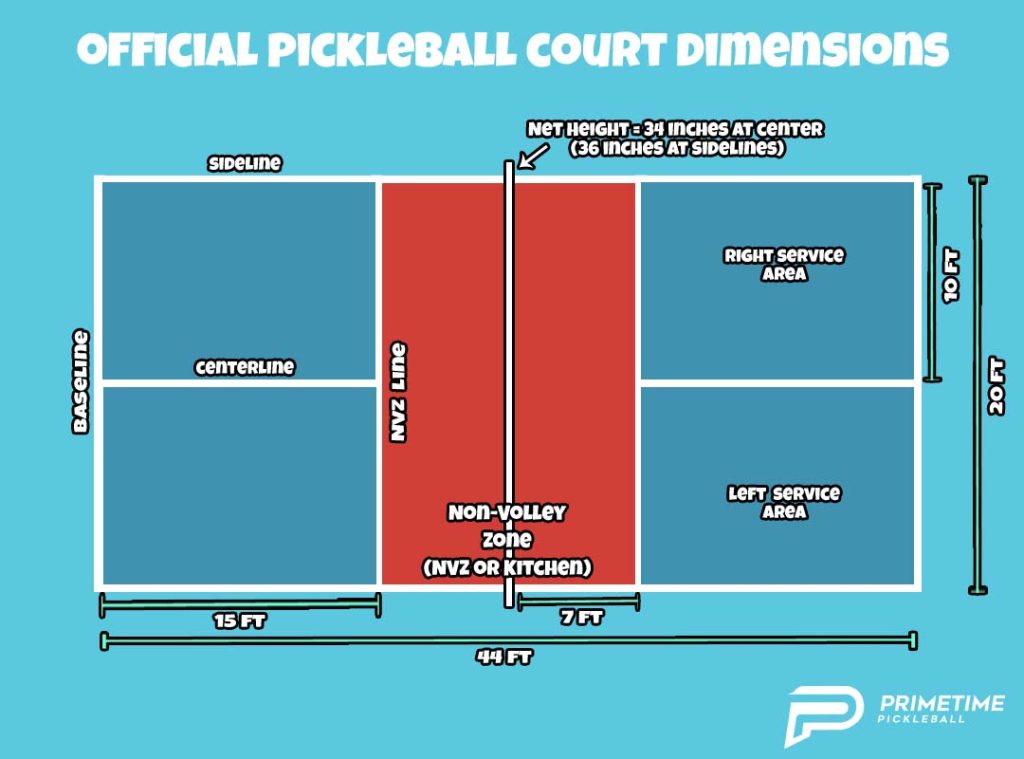
The standard court size is 20 feet wide by 44 feet long for both singles and doubles. The non-volley zone, or kitchen, is 7 feet deep on each side of the net. The net is 36 inches high at the sidelines and 34 inches at the center. Lines are usually 2 inches wide and count as in.
If a ball falls outside those size or bounce limits, it is not regulation. During league play, refs can reject a ball that fails a quick size or bounce test. Keeping to the official pickleball size helps ensure fair pace and play.
Indoor vs outdoor pickleball size differences
The official diameter range is the same for both indoor and outdoor balls. The big change is the hole pattern, weight feel, and hardness. Outdoor balls use about 40 smaller holes to cut wind drag. Indoor balls use about 26 larger holes for better control and softer play.
Outdoor balls feel harder and fly faster but crack sooner on rough courts. Indoor balls are softer and quieter, and they carry more spin. Both options meet the same pickleball size standards, but the play style shifts a lot. If you play outside in wind, the outdoor pattern is your friend.

Court size, net height, and line dimensions
The court is 20 by 44 feet, with a 14-foot strip of kitchen across the net. Each service area is 10 by 15 feet. The centerline splits each side into left and right service boxes. These fixed court sizes shape every strategy you use.
The net sits at 36 inches on the side posts and dips to 34 inches in the middle. Lines are 2 inches wide and count as in. That line width matters for close calls at the kitchen and the baseline. Knowing this “court pickleball size” helps you place serves and thirds with more intent.

Paddle size rules and what they mean
Paddles must meet a max size of 24 inches for length plus width. The paddle length cannot exceed 17 inches. There is no official limit on thickness, but surface roughness is controlled. These rules keep spin and reach in check.
Most players use a 15.5 to 16.5 inch paddle with a 7.5 to 8.25 inch width. That keeps the sweet spot large while staying under the 24-inch cap. Grip size is not regulated, but common grips run 4 to 4.5 inches in circumference. Pick a grip that lets you relax your hand without slipping.

How pickleball size affects gameplay and strategy
Pickleball size sets the speed limit of the sport. A harder outdoor ball with many small holes cuts through wind and speeds up drives. A softer indoor ball with fewer big holes grabs the paddle face and boosts spin. That changes your shot mix on day one.
Court size and net height push players to hit smart thirds and drops. The kitchen size makes dinking a duel of angles and patience. Paddle size rules control reach and spin so rallies stay fair. When you match the right pickleball size to your setting, your control and fun go up fast.

How to choose the right pickleball size for your level and climate
Pickleball size is fixed by the rules, but you still make key choices. Your picks depend on where you play, the weather, and your style. Use these simple steps.
- Choose ball type by venue: Use an outdoor ball with 40 holes for hard courts and wind. Use an indoor ball with 26 holes for wood or gym floors.
- Match climate: In heat, pick a ball known for firmness. In cold, choose a ball with better crack resistance.
- Test bounce and feel: Do a 78-inch drop test for a 30 to 34 inch bounce. Check if the ball feels lively yet stable on your paddle.
- Pick paddle size for control: If you crave reach, try a longer shape under 17 inches. If you want a big sweet spot, use a standard length with a wider face.
- Adjust for skill: New players often like softer indoor balls for longer rallies. Advanced players may prefer a firmer outdoor ball for pace and precision.
Your goal is a legal pickleball size that fits your court and touch. Keep notes on ball brand, temp, and wind. You will spot patterns that help you pick fast next time.
Measuring, testing, and maintaining regulation pickleball size
You can check a ball at home with simple tools. Use a digital caliper for diameter and a kitchen scale for weight. Then do a bounce test on a flat hard surface. If a ball fails two checks, do not use it in matches.
- Diameter: Measure in a few spots and average the values. You want 2.87 to 2.97 inches.
- Weight: Confirm 0.78 to 0.935 ounces. Clean dirt before weighing.
- Bounce: Drop from 78 inches and measure the rebound. Look for 30 to 34 inches.
- Visual check: Look for warps, egg shapes, seam splits, or oval holes.
Store balls in a cool, dry place to keep pickleball size stable. Heat softens plastic and changes bounce and roundness. Cold makes balls brittle and lowers bounce. Rotate your stock so wear stays even.
Common mistakes and myths about pickleball size
Many players think indoor balls are smaller than outdoor balls. They are not; the official pickleball size is the same for both. The hole pattern and hardness cause the big change in feel.
Some people think any wiffle ball works for practice. It does not. Wiffle balls are lighter, larger in hole size, and fly odd. They do not match the official pickleball size or bounce.
Others worry that thick paddles are illegal. Thickness itself is fine, as long as you meet size and surface rules. Focus on the 24-inch total, 17-inch max length, and a legal surface.
Players also think more holes always mean more speed. Hole count interacts with hole size, pattern, and ball hardness. It is the full design, not one number, that shapes flight.
Personal lessons from the court: picking the right size
On a hot July league night, our outdoor balls felt mushy and slow. Drives died, and dinks popped high. We swapped to a firmer ball with the same pickleball size but a tougher shell. Rallies got crisp again, and we cut errors in half.
In a winter clinic on a wood floor, new players fought flyaways. We used indoor balls with bigger holes and a softer feel. Their drops settled, and points lasted longer. The lesson is simple. The official pickleball size sets the rules. Your choice within that range sets the tone.
Frequently Asked Questions of pickleball size
What is the official pickleball ball size?
The ball must be 2.87 to 2.97 inches in diameter. It must also weigh 0.78 to 0.935 ounces and meet a bounce of 30 to 34 inches.
Are indoor and outdoor balls different sizes?
No, the official pickleball size is the same. The difference is hole count, hardness, and how the ball handles wind and spin.
What is the size of a pickleball court?
A regulation court is 20 feet by 44 feet. The kitchen is 7 feet deep on both sides of the net.
What are the paddle size limits?
Length plus width cannot exceed 24 inches, and length cannot exceed 17 inches. There is no set thickness limit, but surface rules apply.
How can I test if my ball is regulation at home?
Measure the diameter and weight, then do a bounce test. Drop from 78 inches and look for a 30 to 34 inch bounce.
Does temperature change pickleball size or bounce?
Heat can soften balls and change bounce and durability. Cold can make balls brittle and reduce bounce, even if size still measures within spec.
Do line widths count as part of the court size?
Yes, lines are usually 2 inches wide and count as in. That matters on close calls at the kitchen and baseline.
Conclusion
Pickleball size sets the frame for fair and fun play. The ball must fit a tight range for diameter, weight, and bounce. The court, net, and paddle rules shape pace, spin, and tactics. When you match ball type to venue and climate, your control improves fast.
Use the steps here to test gear, pick smart, and play with confidence. Try a few legal ball options in your weather and note the feel. Ready for more tips and new drills? Subscribe for updates, explore our gear guides, or leave a question in the comments.