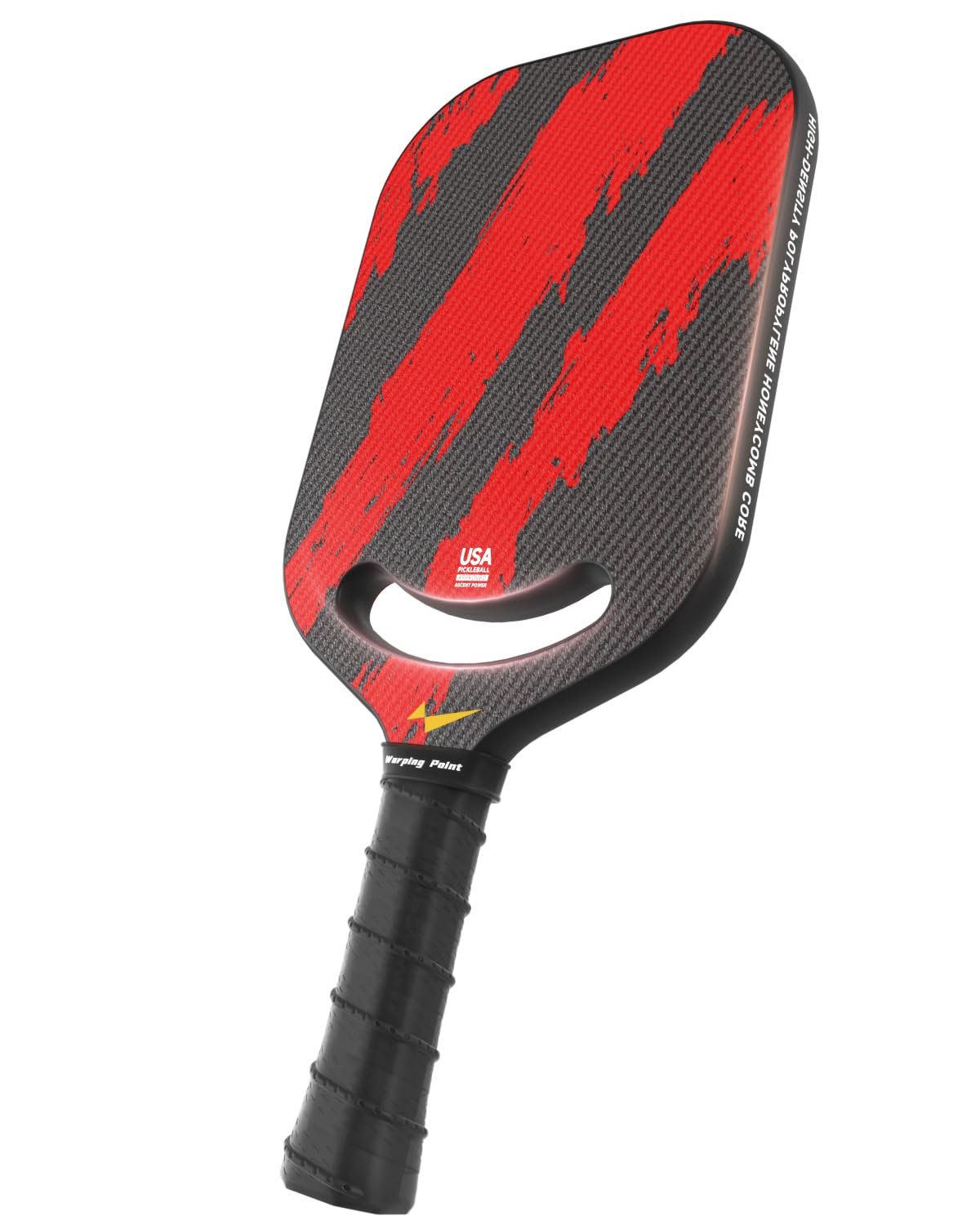
Standard games use 11 points in pickleball, win by two, and only servers score.
If you want a clear, friendly guide that goes deeper than the basics, you’re in the right spot. I’ll break down 11 points in pickleball with simple steps, real examples, and expert tips. You’ll learn how scoring works, how to call the score, and how to build a plan to win more games. By the end, 11 points in pickleball will feel easy, natural, and even fun.
What 11 points in pickleball actually means
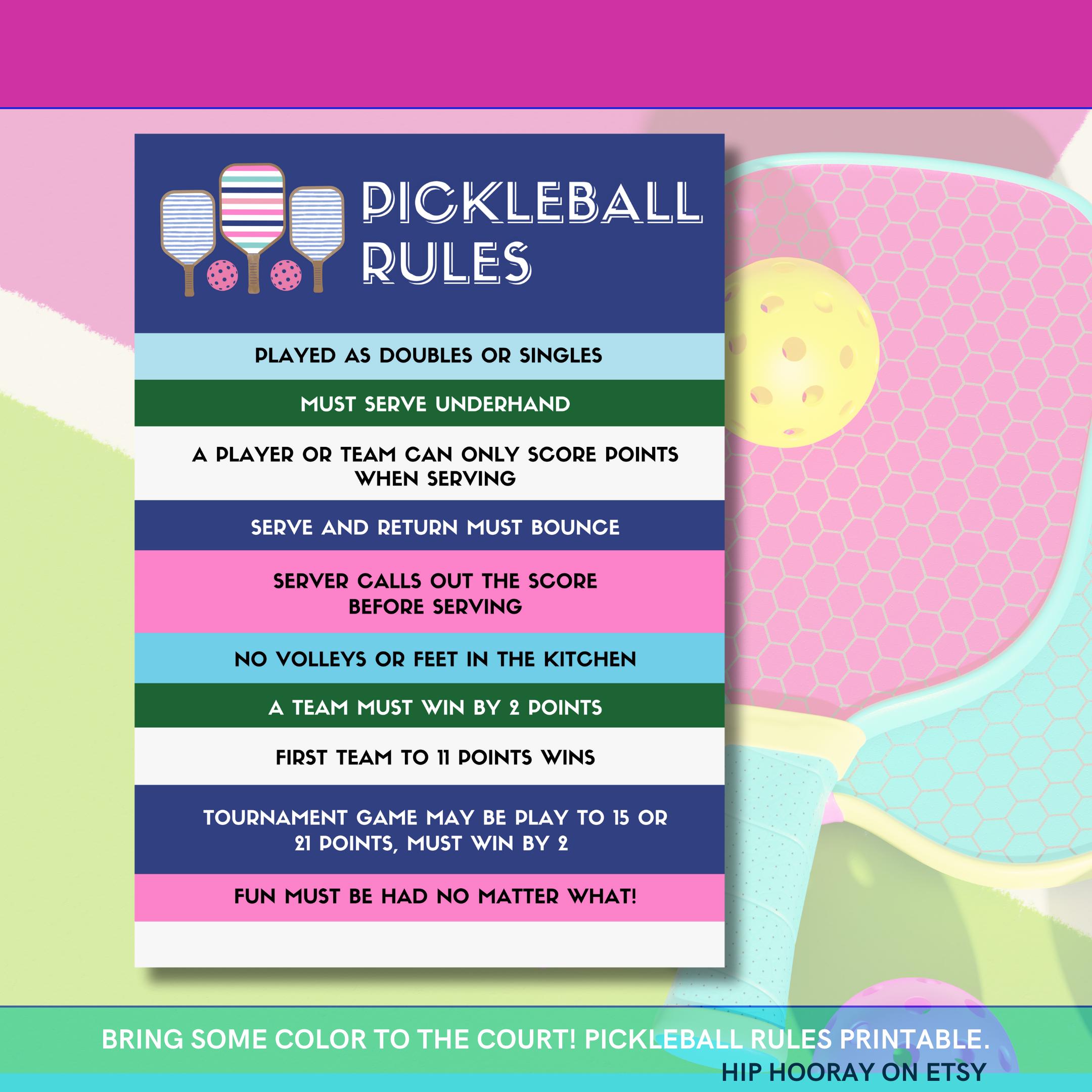
In most play, a game ends when one team reaches 11 and leads by two. Only the serving side can score under traditional side out scoring. If the score hits 10-10, play continues until someone leads by two.
In many leagues and casual matches, you will see 11 points in pickleball as the default game length. This keeps games quick and intense. It also rewards steady play and clean serving.

The core scoring rules you must know
Pickleball scoring follows a simple pattern once you practice it. In doubles, call the server score first, then the receiver score, then the server number. For example: 6-4-1. The first team to serve the game starts at 0-0-2 to balance first-serve advantage.
Only the serving team can score a point in standard games to 11. If the serving team loses the rally, the serve goes to the second server on that team. After the second server loses a rally, it is a side out and the other team serves. This is the heart of 11 points in pickleball.
Key points to remember:
- You must win by two in games to 11.
- Server score, receiver score, then server number.
- First serve of the game is 0-0-2.
- Only servers score in side out scoring.
I teach new players to say the score aloud before every serve. It builds a habit, speeds up play, and avoids arguments. It is a small step that wins games.

Serving rules that shape the race to 11
Your serve starts every chance to score. You can use a volley serve or a drop serve. For a volley serve, strike the ball below your waist with an upward arc. For a drop serve, let the ball fall and bounce before hitting it.
In doubles, the right court player serves when their team score is even. The left court player serves when their team score is odd. This pattern helps you track rotations and avoid faults as you chase 11 points in pickleball.
Practical tips I use:
- Aim deep and safe on first serves.
- Mix speeds and heights to disrupt timing.
- Use a routine so nerves do not rush your motion.
Source: etsy.com
Win by two and what happens at 10-10
Games to 11 points in pickleball must be won by two. If the score reaches 10-10, keep playing. The team that gains a two-point lead wins. This rule reduces fluke wins and rewards steady play under pressure.
In events or playoffs, you may see games to 15 or 21, still win by two. Many organizers use these for longer sets or tiebreakers. The idea is the same: stay calm, serve smart, and manage risk.

Side out scoring versus rally scoring
Most games to 11 use side out scoring. Only the serving team can score. This makes comebacks common because receivers can win rallies without giving up points.
Some formats use rally scoring, where every rally gives a point. That is less common in casual play to 11 points in pickleball, but it appears in some team events and exhibitions. If you switch formats, check rules before you play. It changes strategy and pace.

Singles versus doubles to 11 points
Singles keeps the 11-point target and win-by-two rule. Only the server scores in traditional singles too. Serve from the right when your score is even. Serve from the left when your score is odd.
Doubles adds the second server rule and more team movement. Communication matters. Who takes the middle? Who dinks crosscourt? Clear roles help you close out 11 points in pickleball with less stress.

Strategy to win more games to 11
Short games reward good starts and low errors. I like to open with high-percentage serves and deep returns. I avoid hero shots in the first four points. I earn my way to the kitchen and then apply pressure.
When I coach, I teach a simple plan:
- Start safe. Reduce early errors and get to your patterns.
- Win the serve battle. Deep, consistent serves create weak returns.
- Target the backhand. Most players handle forehands better.
- Own the middle. Close space and poach floaters.
- Manage momentum. Use timeouts or towel breaks if allowed to reset.
Use this plan and track what works. Adjust during timeouts. Small tweaks can swing 11 points in pickleball fast.
Common mistakes and how to avoid them
I see players chase winners too early. They hit big shots at 2-1 and give away free points. Play high margin until you feel the rhythm.
Other frequent errors:
- Forgetting to call the full score. Pause, breathe, then call it.
- Serving too short. Aim one to two feet from the baseline.
- Floating third shots. Use a controlled drop or a driven third with shape.
- Crowd the kitchen line late. Respect speedups and keep your paddle up.
Fix these, and your 11 points in pickleball will come more often.

Drills that make 11-point games feel easy
I like short, focused drills that mirror match play. They build habits that hold up at 9-9.
Try these simple sets:
- Serve and third-shot ladder. Make five deep serves, then five third-shot drops, then repeat.
- Deep return target. Place a target near the baseline and hit 20 returns to it.
- Dink games to five. Crosscourt only, then straight on, then free play.
- Transition shuffle. Start at the baseline, drop, move to midcourt, drop, then to the kitchen.
Do these three times a week. In a month, your 11 points in pickleball will feel less rushed and more planned.
Scorekeeping and referee basics for clean play
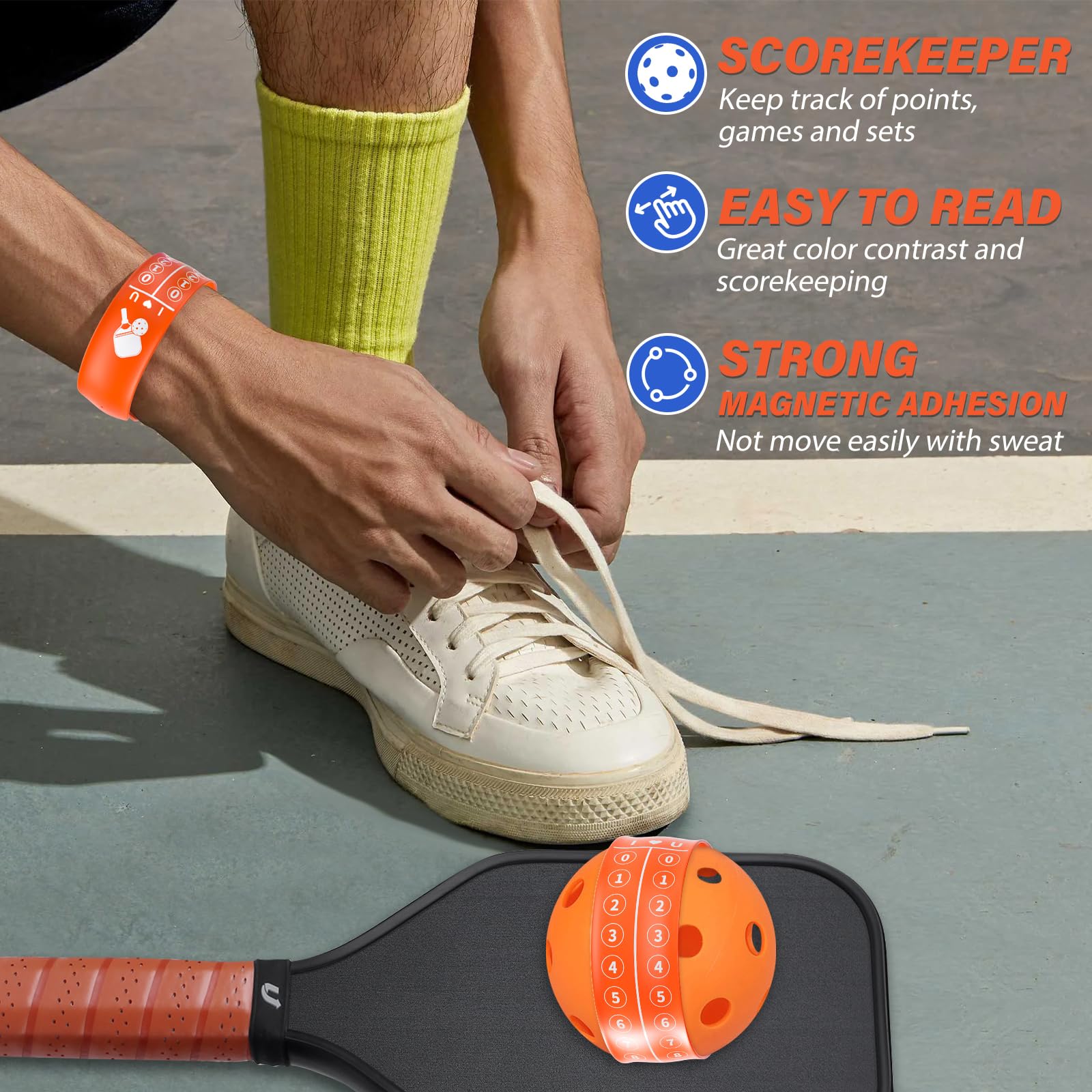
Clear score calls keep everyone calm. In doubles, call server score, receiver score, then server number. Wait a second before serving so both sides can set. If a dispute happens, replay the point if needed and stay respectful.
Referees follow the same rules and watch for foot faults, illegal serves, and kitchen violations. If you are unsure about a rule, ask before the match. This keeps the path to 11 points in pickleball fair and smooth.
Pacing, mindset, and handling pressure to 11
Games to 11 move fast. I use a simple breath before each serve. I also pick one focus cue like paddle up or aim deep middle. This keeps my mind quiet.
At 9-9 or 10-10, do not rush. Choose high-percentage plays. Talk with your partner. The best teams win close games by staying steady, not flashy. That is the real secret to 11 points in pickleball.
Frequently Asked Questions of 11 points in pickleball
What does 11 points in pickleball mean?
It is the standard game length in most matches. Reach 11 points and lead by two to win.
Do you have to win by two when playing to 11?
Yes, you must lead by at least two points. If tied at 10-10, play continues until a two-point lead appears.
Can you score on defense or only while serving?
In side out scoring, only the serving team scores. If you receive and win the rally, you gain the serve, not a point.
Why do some games go to 15 or 21 instead of 11?
Events may use longer formats for tiebreaks or championship rounds. The core rules still need a two-point margin to win.
How long does a game to 11 usually take?
Many games finish in 12 to 20 minutes. Close games or long dink rallies can stretch that time.
Is rally scoring ever used for games to 11?
Some leagues or special formats try rally scoring. Always check the event rules before you start.
How do you call the score in doubles to 11?
Say server score, receiver score, then server number. For example, 8-6-2 means your team has eight, they have six, and you are the second server.
Conclusion
Mastering 11 points in pickleball starts with clear scoring, steady serves, and smart patterns. Build a calm routine, choose high-percentage shots, and talk with your partner. Small edges stack up fast in short games.
Take one tip from this guide and use it in your next match. Track your progress for two weeks and adjust your plan. Want more helpful guides like this? Subscribe, share your questions, or leave a comment with your biggest challenge.