A dink is a soft, controlled shot that lands in the kitchen.
If you want a calm mind and quick wins at the net, learn the dink. I’ve taught many players who ask what is a dink in pickleball, and it’s always a game-changer. This guide breaks down the mechanics, tactics, rules, drills, and gear so you can trust your touch. Stick with me, and you’ll own the soft game in no time.

What is a dink in pickleball?
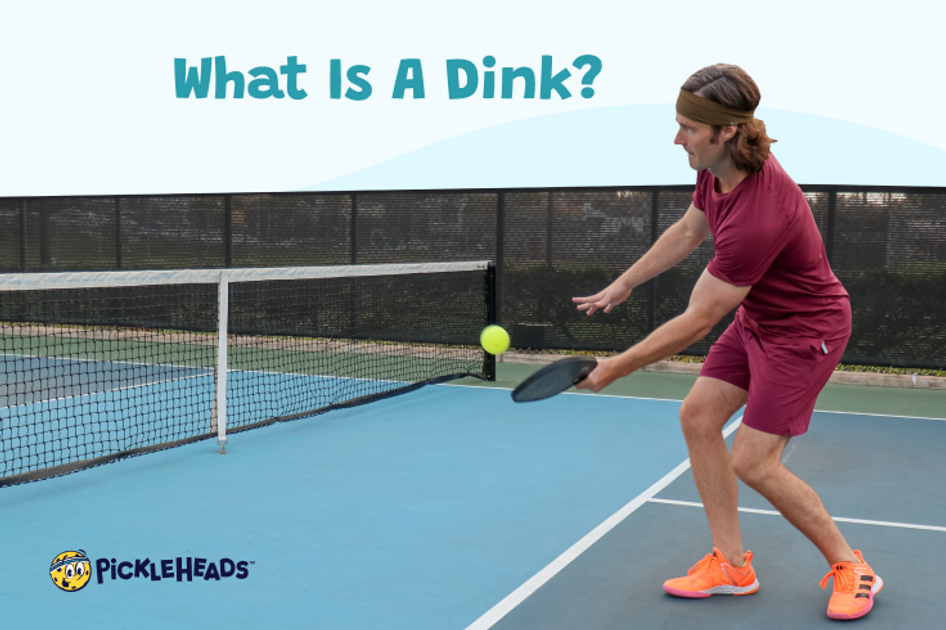
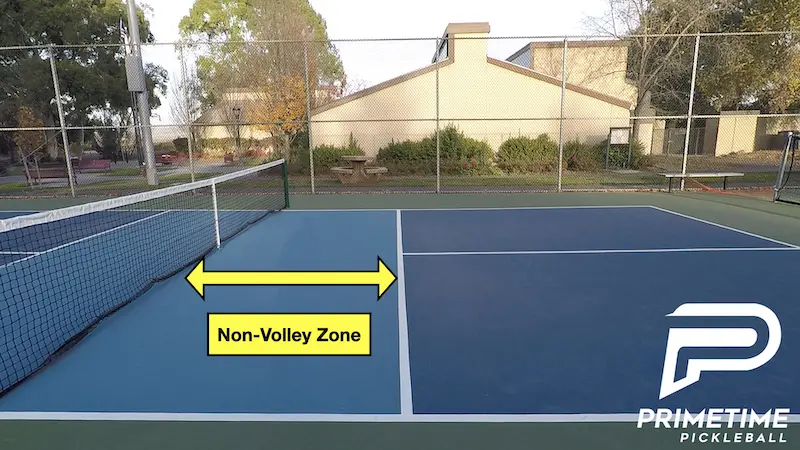
A dink is a gentle shot played from near the non-volley zone, also called the kitchen. The ball arcs softly and lands short, close to your opponent’s feet. It keeps the ball low and hard to attack. The goal is control, not power.
When people ask what is a dink in pickleball, I tell them it is the sport’s heartbeat. It slows the rally, forces errors, and sets up put-aways. Great dinking is like chess at the net, one small move at a time.
Why the dink matters
Power wins a few points. Touch wins matches. That is why learning what is a dink in pickleball is worth your time.
Key benefits:
- Forces high balls you can attack on the next shot
- Reduces unforced errors by keeping rallies calm
- Neutralizes bangers who hit hard from midcourt
- Resets chaotic points so you regain control
At higher levels, most rallies include long dink exchanges. The player with better control wins more. If you master what is a dink in pickleball, you raise your ceiling fast.
How to hit a perfect dink
Think soft hands and quiet feet. Here is a simple method I use with new players who ask what is a dink in pickleball.
- Grip: Use a relaxed continental grip. Hold the paddle like a hammer, but light.
- Stance: Stand just behind the kitchen line. Bend knees. Stay balanced.
- Paddle angle: Keep the face slightly open. Aim for a gentle lift, not a push.
- Swing: Short motion from the shoulder. Quiet wrist. No big backswing.
- Contact: Meet the ball in front of your body. Hit the bottom half for a soft arc.
- Target: Land the ball in the kitchen near your opponent’s toes.
- Recover: Reset your paddle in front of your chest. Keep it ready and calm.
Coaching tip: Whisper “loft and land” during contact. It helps tame extra force.

Types of dinks and when to use them
Understanding types will answer more about what is a dink in pickleball.
Cross-court dink
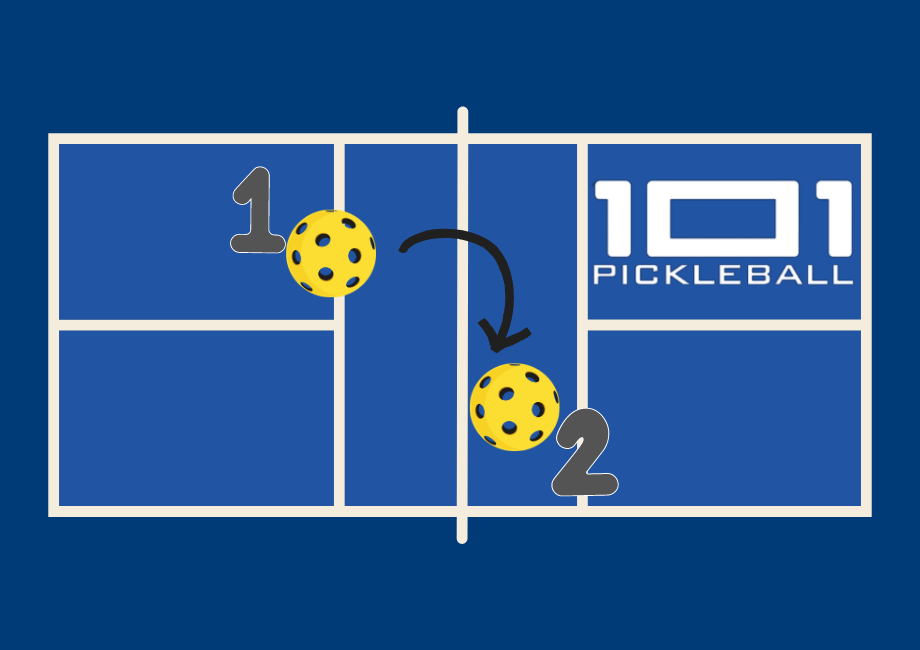
This is the safest and most common. The net is lower in the middle, and you have more court. Aim at the outside foot of the opposite player.
Straight-ahead dink
Use when the ball is in front of you. It is faster and can jam your opponent. Keep it low and short.
Dink volley
Take the ball out of the air with a soft touch. This steals time and stops your rival from taking the ball at their feet.
Topspin and backspin dink
A hint of topspin can dip the ball late. A touch of backspin can keep it low. Use spin as a garnish, not the meal.
Defensive reset dink
When pushed back, float a soft, high arc that drops into the kitchen. This resets the point so you can move in.
Offensive setup dink
Aim slightly deeper at the feet to draw a pop-up. Your partner can then attack.
If you ask what is a dink in pickleball at different levels, the answer shifts. Beginners use it to keep rallies alive. Advanced players use it to build traps.
Common mistakes and easy fixes
I see the same errors in league play. Here is how to fix them.
- Hitting too hard: Think lift, not hit. Light grip. Short swing.
- Contact too low or late: Move your feet early. Contact in front at knee height.
- Floating too high: Aim lower. Brush up gently. Clear the net by a ball or two.
- Predictable targets: Mix cross-court and straight. Change depth. Change tempo.
- Poor recovery: After the shot, paddle up. Eyes on the opponent’s paddle face.
When players learn what is a dink in pickleball, they often rush. Slow down. Let the ball come to you.
Drills to master the dink
Use these simple drills. I run them in every clinic.
Solo wall work
- Stand 10–12 feet from a wall. Dink to a chalk box at knee height.
- Aim for 50 soft hits in a row. Keep the ball slow and low.
Partner box drill
- Place two cones two feet inside the kitchen. Dink into the box only.
- Play to 11. Lose a point if you miss the box or hit too deep.
Cross-court ladder
- Dink cross-court only. Ten in a row each side before switching.
- Add movement: step in, step back, then reset.
Dink volley timing
- One player lets it bounce. The other takes it out of the air.
- Switch roles every two minutes to build touch and speed control.
Pressure points
- Start with both at the kitchen. First pop-up loses the rally.
- This trains patience and height control.
If your goal is to understand what is a dink in pickleball and own it, these drills build that soft feel fast.

Rules that affect dinks
Knowing the rules builds trust in your shots. This also sharpens your idea of what is a dink in pickleball.
Non-volley zone
- You cannot volley while standing in the kitchen or touching the line.
- You may step into the kitchen to hit a dink after a bounce.
Double bounce rule
- The serve and the return must both bounce before any volley.
- After that, you can volley. Most dinks happen after you reach the kitchen line.
Foot faults
- A toe on the kitchen line during a volley is a fault.
- Momentum counts. If you volley and then step into the kitchen, it is still a fault.
Ball height and attack
- A dink that stays low is hard to attack under the rules on downward swing.
- Keep your dinks below net height to avoid easy smashes.
These rules come straight from standard rule sets used today.

Tactics for doubles and singles
Doubles is where the dink shines. Singles uses it less, but it still matters.
Doubles tactics
- Target the weaker backhand. Most players pop up there.
- Pull the opponent wide with a cross-court dink. Then go behind them.
- Use a middle dink to create confusion. “Yours or mine” wins points.
- Stack or switch so your best dink player matches their weaker side.
Singles tactics
- Use short dinks to bring a fast player to the net on your terms.
- If you ask what is a dink in pickleball for singles, it is a change-up. It slows big hitters.
Speed-up setups
- Jab a deeper dink at the paddle hip. Expect a pop-up.
- Be ready to counter with a controlled punch, not a big swing.
When I learned to hold the ball low one more shot, my error rate fell. That is the quiet power of the dink.
Gear tips that help your dink
You do not need fancy gear to learn what is a dink in pickleball. But smart choices help feel and control.
Paddle
- Pick a control paddle with a softer core. It tames the ball.
- A 4.25-inch grip size fits most hands and reduces tension.
Ball
- Indoor balls bounce higher. Outdoor balls bounce lower and stay truer in wind.
- Practice with the ball you will use in play.
Shoes
- Court shoes with good grip help you stop at the kitchen line.
- Low, stable shoes protect your ankles during quick plants.
Strings do not exist in pickleball. Your touch comes from the core, face texture, and your hand.
Frequently Asked Questions of what is a dink in pickleball
What is the difference between a dink and a drop shot?
A drop shot usually comes from the baseline or midcourt, often as a third shot. A dink happens at or near the kitchen line and is even softer and shorter.
How do I know if my dink is good?
It lands in the kitchen, stays low, and forces your opponent to hit up. If they pop up or hit into the net, your dink worked.
Should I use topspin on a dink?
Use very light topspin if it helps the ball dip. Control and placement matter more than spin in dinking.
Is the dink useful in singles?
Yes, but less than in doubles. In singles, use it to pull your opponent forward and open space behind them.
How do I stop a player who refuses to dink?
Keep it low and patient. Aim to their feet, change angles, and wait for a pop-up rather than speeding up first.
Can I volley a dink from the kitchen line?
You can volley at the kitchen line only if your feet are not on or in the kitchen. If any part touches the line during the volley, it is a fault.
Why do my dinks go too high?
You are hitting too hard or opening the face too much. Soften your grip and aim to clear the net by a ball or two.
Conclusion
A dink is small in power but huge in impact. Now you know what is a dink in pickleball, why it works, and how to build it into your game. Use the steps, drill often, and keep the ball low and calm.
Pick one drill today and do it for ten minutes. Then test it in your next game. If you found this helpful, subscribe for more guides, ask a question, or share your best dink tip in the comments.