A let in pickleball is a replay of the point due to interference.
If you have wondered when to stop a rally and replay it, you are not alone. I have coached new and advanced players for years, and let in pickleball is one of the most misunderstood rules. This guide gives you a clear, friendly walk-through of what a let is, when to call it, and how to handle tricky moments on court without drama.
What is a let in pickleball?
A let in pickleball means the rally is replayed. No point is awarded. No fault is charged. Play stops, then restarts with the same server and score.
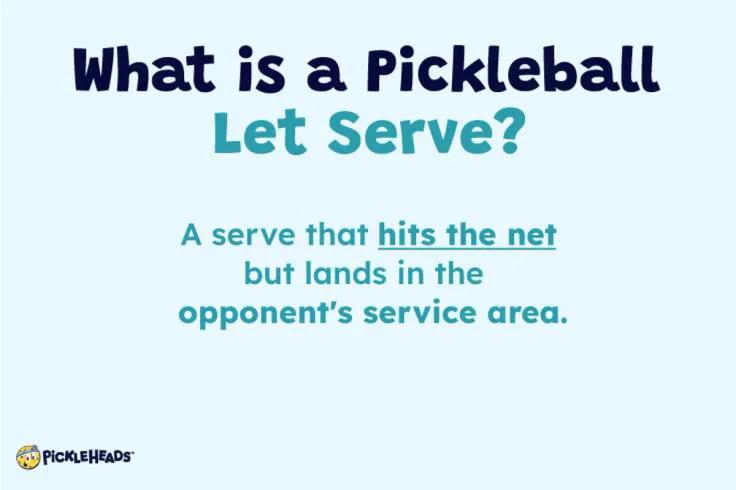
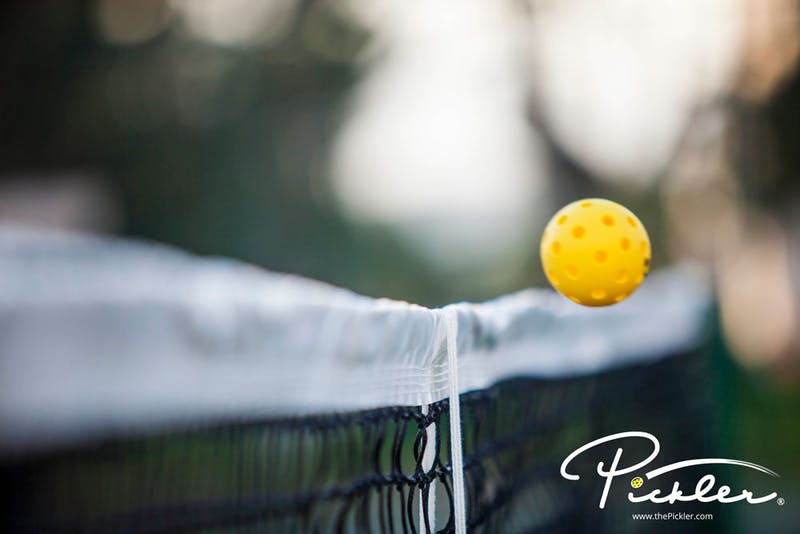
A key point: the old “let serve” is gone in sanctioned play. If a serve clips the net and lands in the correct service court, play continues. If it clips the net and lands out or in the kitchen, it is a fault. That change has confused many players, but it makes rallies smoother.
In short, a let in pickleball is now about outside interference or a valid hindrance. It is not about a net-cord serve. That distinction keeps games fair and fast.
When is a let called? Real-world scenarios
A let in pickleball should protect safety and fairness. It should not bail someone out of a bad shot. These are the most common cases I see on public courts and in leagues.
A ball rolls in from another court
A stray ball is a classic reason to call a let in pickleball. It is a safety risk and a distraction. Stop play right away and replay the point.
- If the ball rolls behind you, do not wait.
- If you are mid-swing and see it late, call it as soon as you can.
- Return the ball and restart the rally.
People step into your court or block a shot
Spectators or kids may cross your baseline. A let in pickleball is correct here. Safety comes first.
- Stop play and inform the other team.
- Resume the rally from the same server and score.
- Stay calm. It happens.
Equipment failure or a broken ball
A cracked ball skids and bounces odd. That makes play unfair. A let in pickleball is right in this case.
- Call the let, replace the ball, and replay the point.
- If a paddle breaks, stop and replay after a quick check.
- If a net strap snaps or the tape peels, stop play at once.
Wrong score called by a referee or server
If the score is called wrong and it affects readiness or play, a let in pickleball may be granted. In refereed play, the official will stop play and correct it.
- If you catch the wrong score early, speak up right away.
- If the rally has gone on, a replay often keeps it fair.
- Do not argue. Ask for a quick correction.
Not ready due to a clear distraction
If you were not ready because of a loud shout, a sudden horn, or a late ball return crossing your vision, a let in pickleball can be the right call.
- Signal not ready before the serve if you can.
- If the serve was already hit, call the let immediately.
- Be honest. Do not use this to erase a weak return.
Court obstructions unique to the venue
Support posts, low ceilings, or tight back fences can cause odd bounces. If a ball hits a non-standard fixture that is in play but caused a clear unfair result, a let in pickleball may apply by local rule.
- Discuss house rules before you start.
- Agree on what is live and what is a let.
- Keep the same standard for both teams.
In all cases, timing matters. Call it right away. If you wait and see the outcome, it looks like gamesmanship. That is the number one complaint I hear in club play.
How to call it: simple steps and etiquette
Use a clear voice and simple signals. Here is how to handle a let in pickleball like a pro.
- Stop play at once. Say “Let” or “Replay” loud enough for both teams.
- Explain why in one short line. “Ball on court.” “Broken ball.” “Not ready due to horn.”
- Reset positions. Same server. Same score. Same receiver.
- Replace damaged gear. Swap a cracked ball right away.
- Start when both sides are ready. Confirm the score. Serve.
Two quick tips:
- Do not shout late. Call the let as soon as the interference happens.
- Do not argue intent. Focus on facts. Keep it friendly and move on.

Let vs hinder vs fault vs replay
These terms overlap, so let in pickleball can feel fuzzy. Here is a simple way to sort it out.
- Let: A rally is replayed with no penalty to either side. Caused by outside interference or clear hindrance. Same server and score.
- Hinder: A form of interference that affects a player’s chance to make a shot. A valid hinder leads to a let in pickleball.
- Fault: A rule violation that ends the rally. Examples include hitting out, into the net, into the kitchen on a volley, double bounce, or serving illegally.
- Replay: Another word for let. Many referees now say “replay the rally” instead of “let.”
Key takeaway: A valid hinder leads to a let in pickleball. A self-caused mistake does not.
The rulebook today: serve lets are gone
A few years ago, you could call a let serve if the serve touched the net and landed in. That rule was removed in official play. The modern rule is simple. If the serve lands in the right court, play it. If not, it is a fault.
This change speeds up games and removes disputes. It also keeps the term “let in pickleball” focused on real interference, not net cords on serve.
Many parks still use house rules and allow let serves. That is fine if all agree before the match. But in tournaments and leagues that follow the official rulebook, no serve lets are allowed. Know your venue and set expectations during warm-up.

Strategy, sportsmanship, and examples from the court
I once paused a game at 9-9 when a ball rolled behind our opponents. They wanted to finish the point since they had an easy put-away. I called a let in pickleball for safety. We replayed. They still won the rally, and everyone felt better about it.
A few lessons I have learned:
- Call it early. Waiting is the fastest way to cause a disagreement.
- Use the same standard on both teams. If you call a let for a minor distraction, be ready to grant one back later.
- Keep your tone calm. Your voice sets the temperature for the court.
- Do not fish for do-overs. If your partner mishit a sitter, a let is not your fix.
Sportsmanship builds your reputation. Most matches are won by steady play, not by debating rules. A fair let in pickleball keeps focus on the next ball.

Preventing needless lets: practical tips for players and captains
You cannot stop every interruption, but you can lower the odds. A little prep goes a long way.
- Agree on house rules before first serve. Clarify let serves, overhead obstructions, and odd fences.
- Keep balls behind the baseline. Place two on your fence side so they do not roll in later.
- Call scores loud and clear. Speak slowly. Face the receiver.
- Use a hand signal for not ready. Raise your paddle if you need a second.
- Replace worn balls early. Soft or cracked balls cause weird bounces and arguments.
- Communicate with nearby courts. Share quick plans for stray balls and between-point returns.
- Pause during loud distractions. If a blower or siren starts, wait three seconds before serving.
Captains and organizers can set a tone too:
- Post simple house rules on a board.
- Assign ball runners for round-robins to collect strays.
- Use court dividers when possible.
Small habits reduce the need to call a let in pickleball. That keeps play smooth and fun.

Refereed matches and leagues: what to expect
In officiated play, the referee manages flow and safety. A referee can stop a rally and order a replay for valid interference. Players can also request a let in pickleball, but the referee has the final say.
What this looks like on court:
- Referees correct wrong scores and restart the rally if needed.
- If a ball from another court enters, the referee halts play and orders a replay.
- If a player claims not ready without a valid reason, the rally may continue or a fault may be called if the player stopped play too late.
- Equipment failures trigger a replay, plus time to replace gear if needed.
Know the signals. Speak up fast. Let the official handle the rest. Your job is to reset and compete.

Frequently Asked Questions of let in pickleball
What does a let in pickleball mean?
A let means the rally is replayed with no point won or lost. It usually follows interference, a valid hinder, or a safety issue.
Is a let serve still a thing in pickleball?
No in official play. A serve that hits the net and lands in is live, and players continue.
Who can call a let in pickleball?
Any player can call it in recreational play. In refereed matches, players can request it, but the referee decides.
What happens after a let is called?
The rally restarts with the same server, score, and positions. If a ball or paddle broke, replace it first.
Can I call a let if I mishit the ball?
No. A self-caused mistake is not a valid hinder. Only outside interference or clear distractions justify a let.
What if the other team disagrees with my let call?
Briefly explain the reason. If needed, replay the point by mutual agreement. In tournaments, ask the referee.
Are there penalties for calling too many lets?
There is no direct penalty, but abuse can be ruled as unsportsmanlike. Keep calls fair and timely.
Conclusion
A clear, timely let in pickleball keeps games safe, fair, and friendly. Call it when there is real interference. Avoid it when the error is on you. Know that serve lets are gone in official play, and set house rules before you start.
Bring this to your next match: agree on lets, call scores loud, replace bad balls, and stop play early for safety. You will earn trust, cut down on disputes, and win more points by staying focused. Want more tips like this? Subscribe for weekly pickleball guides, or drop a question in the comments and join the conversation.