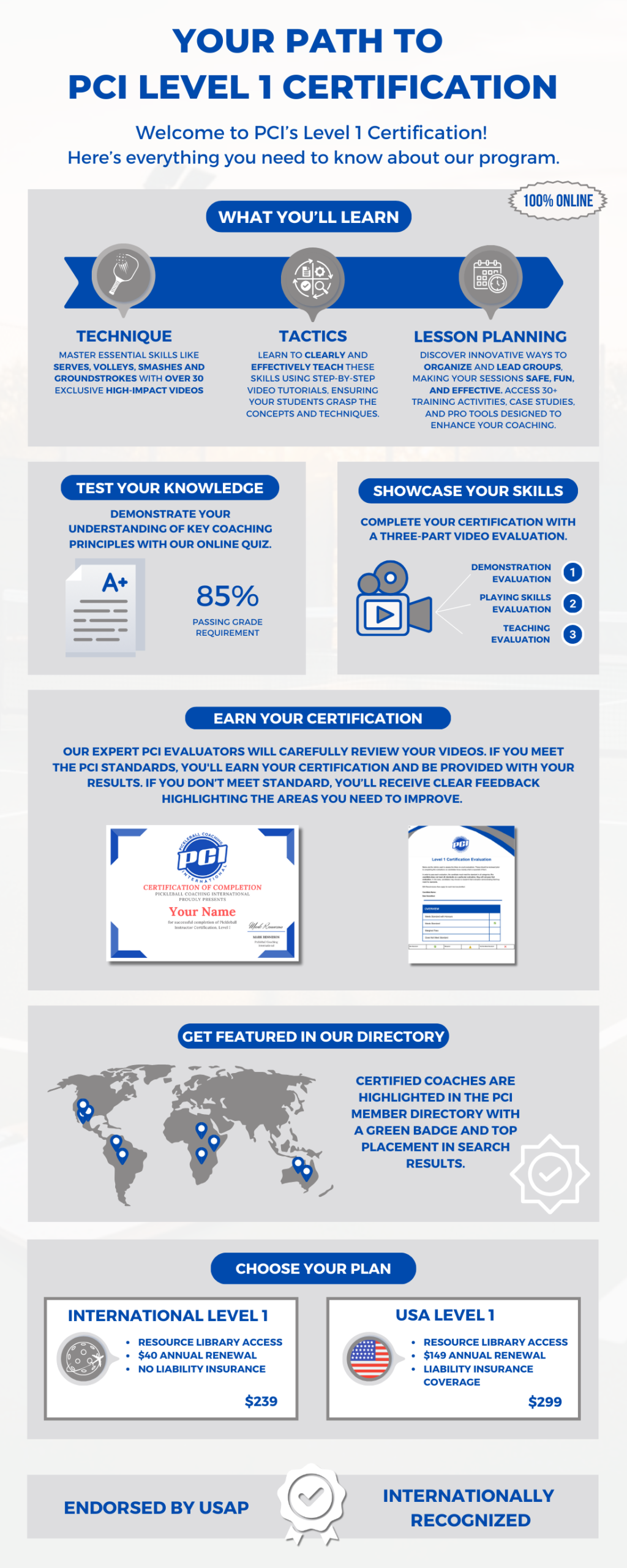
Pickleball instructor training teaches you to coach safely, effectively, and confidently.
If you want to turn your love for the game into a trusted career, you are in the right place. I’ve helped new coaches grow from casual players to sought‑after pros, and this guide distills everything I know about pickleball instructor training. We will cover certification paths, skills, drills, safety, business tips, and a clear plan you can follow today.
What pickleball instructor training really covers
Pickleball instructor training is a structured path to teach the game with skill and care. It blends technique, lesson design, communication, safety, and ethics. It helps you turn game sense into repeatable results for every player level.
You learn how to break down strokes, plan sessions, and track progress. You also practice feedback, group control, and risk management. If you aim to become a pickleball instructor, training brings clarity and confidence.

Certification pathways and providers
Several respected groups offer pickleball coach certification. The main names include USA Pickleball, the Professional Pickleball Registry (PPR), and the International Pickleball Teaching Professional Association (IPTPA). Each uses on‑court evaluations and a rules or safety check.
Most programs follow levels for beginners through advanced players. Expect a workshop, a skills and teaching test, and ongoing education. Fees and formats vary by region, so check current details before you enroll.
From my experience, the best path matches your local club ties and your player base. If parks and schools use one provider, pick that path. It helps with trust, insurance, and referrals. This is a key piece of pickleball instructor training.
Core skills and competencies you must show
Strong instructors do more than feed balls. In pickleball instructor training, you will be tested on:
- Rules knowledge and safety basics
- Stroke mechanics for serve, return, dinks, volleys, resets, and overheads
- The third shot drop and drive choices
- Footwork, spacing, and court positioning
- Doubles strategy, communication, and target selection
- Lesson planning, progressions, and time control
- Clear cues, demos, and error correction
I tell new coaches to master one clear cue per skill. Keep it short, then add a simple next step. Clean cues and simple progressions win.

How to prepare before you certify
Pickleball instructor training feels smooth when you prepare well. Use this checklist:
- Play weekly in mixed groups and track your rating
- Study the official rulebook and practice scoring fast
- Film yourself teaching a friend for 10 minutes
- Take a basic first aid and CPR course
- Shadow a certified coach for one session
- Build a sample lesson plan for beginners
I ask trainees to rehearse a two‑minute demo in front of a mirror. Trim filler words and keep your cue count low. It calms nerves on test day.
Teaching methods that work on any court
Great teaching is simple, clear, and repeatable. In pickleball instructor training, these methods shine:
- Start with a hook: what the drill fixes and how it helps
- Use one main cue and one backup cue
- Demo from two angles and at slow speed first
- Set targets so success is visible
- Give feedback fast and focus on one change
- Switch roles: feed, hit, then score the skill
A quick story: I once over‑explained the third shot drop. Players looked lost. I reset with one cue and a towel target near the kitchen. Results jumped in five minutes. Less talk, more clear targets.
Essential drills and a sample lesson plan
Drills that build skill and confidence:
- Dink box game: Keep the ball in the kitchen box, count clean dinks to 10
- Third shot ladder: Start near mid‑court and move back one step at a time
- Reset rally: Feed a hard ball to the transition zone, aim a soft reset into the kitchen
- Serve to zones: Four corners, five balls each, track hits
- Volley to volley: Short bursts to train reaction and paddle angle
Sample 60‑minute beginner lesson:
- Warm‑up and safety brief, 5 minutes
- Grip, ready stance, and contact point, 5 minutes
- Dink intro with targets, 10 minutes
- Serve and return basics, 10 minutes
- Third shot drop intro, 10 minutes
- Mini game with one rule focus, 15 minutes
- Cool‑down, recap, and homework, 5 minutes
This structure is a staple in pickleball instructor training because it scales to any group size.
Safety, inclusivity, and coaching ethics
Safety comes first. Use a quick court scan before play. Check for wet spots and stray balls. Set clear stop words and ball‑on calls.
For heat, schedule shade breaks and push water. For joints, start light and add pace later. Teach safe overheads and lobs with care.
Be inclusive. Offer adaptive options and softer balls if needed. Keep strong boundaries, follow local policies for minors, and use waivers. Pickleball instructor training also stresses equal respect for all ages, bodies, and backgrounds.
Business basics for new instructors
You can teach well and also run a clean business. Set your rates, packages, and clear cancel rules. Get liability insurance and check court permits.
Grow your brand with helpful content. Post short tips, share drill clips, and highlight client wins. Claim your local listings and ask for reviews. A simple site with your bio, services, and booking link works well.
Partnerships matter. Meet club managers and parks staff. Offer a free intro clinic. Many of my steady clients came from one good clinic and a kind follow‑up. Smart marketing is part of modern pickleball instructor training.
A 90‑day roadmap to get certified and start coaching
Week 1–2: Assess your skills and set goals. Read the rules. Build two lesson plans.
Week 3–4: Shadow a coach. Teach a friend. Film and review. Fix one cue per skill.
Week 5–6: Enroll in a certification workshop. Practice test tasks. Take first aid if needed.
Week 7–8: Run two free small clinics. Ask for feedback. Tweak plans and timing.
Week 9–10: Attend the workshop and pass the test. Set up insurance and booking tools.
Week 11–12: Launch paid sessions. Collect reviews. Plan one clinic per month.
Follow this and you will turn pickleball instructor training into real, steady work.
Tools and gear that make coaching easier
You do not need fancy gear to start, but a few tools save time:
- Ball cart and two dozen balls
- Cones, floor spots, and tape targets
- A spare paddle for demos
- A portable net for pop‑up clinics
- A phone tripod for video and slow‑mo apps
- A simple lesson template for each level
I keep a small repair kit with grip tape and a first aid pouch. It shows care and keeps sessions on track. This is a small but key lesson from pickleball instructor training in the real world.
Continuing education and staying current
The game evolves fast. Watch pro matches with a coach’s eye. Note patterns for serve, return, and third shot choices. Track rule updates each year.
Join a mentor circle or a local coach chat. Attend at least one clinic or webinar each quarter. Review your client videos and set two goals per player per month.
DUPR or club ratings help track growth. Use them to set targets and celebrate wins. Ongoing learning is the heartbeat of pickleball instructor training.
Common mistakes and how to avoid them
Overloading cues: Stick to one change at a time.
Talking too much: Show more, speak less. Use targets.
Skipping safety: Start with a quick check and warm‑up.
Ignoring fun: Add mini games that reward the focus skill.
No follow‑up: Send a recap with one homework drill and one success.
Measuring progress and client success
Keep simple metrics:
- Session attendance and on‑time starts
- Serve and return accuracy by zone
- Dink rally length and unforced errors
- Third shot success rate in games
- Client reviews and referrals
Share wins often. Small gains build trust. Good tracking turns pickleball instructor training into proof of value.
Frequently Asked Questions of pickleball instructor training
What level should I be before I certify?
You should play at a steady intermediate level and know the rules well. You do not need to be a pro to teach beginners well.
How long does certification take?
Most paths include a one‑day workshop plus prep work. Plan four to twelve weeks to prepare and schedule your test.
Do I need insurance to coach?
Yes, liability insurance protects you and your players. Many facilities require proof before you coach.
What does a typical beginner lesson include?
Warm‑up, grip and stance, dinks, serve and return, a simple game, and a recap. Keep it light, clear, and fun.
Can I teach without certification?
Some places allow it, but certification builds trust and skills. It also helps with insurance and steady referrals.
How do I price my lessons?
Check local rates and set clear packages. Offer value with clean plans, feedback, and a follow‑up note.
What is the third shot drop and why is it key?
It helps you move from baseline to the kitchen under control. It also sets up soft play and better positioning.
Conclusion
Pickleball instructor training gives you a clear system to teach, protect players, and grow a real coaching brand. With the right path, simple drills, and steady habits, you can help anyone play better and love the game more. Start with one plan, one cue, and one clinic, and build from there.
If you are ready, pick your certification, set a 90‑day plan, and book your first practice session. Want more guides and drills? Subscribe for updates or drop a question in the comments.