
Learn the rules, master simple shots, and play short games to improve fast.
If you are curious how to play pickleball for beginners, you are in the right place. I have taught many new players in parks, gyms, and weekend clinics. In this guide, I break down every step with clear tips and real examples, so you can start strong and have fun from day one.

The basics: what is pickleball and how the game works
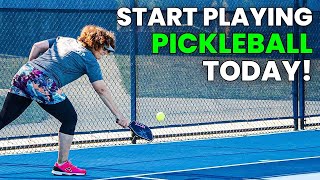
Pickleball is a paddle sport that blends tennis, badminton, and ping-pong. You play on a small court with a light ball and a short paddle. Games move fast and favor control over power.
Here is how to play pickleball for beginners in simple steps:
- Start with doubles. It is easier to learn with a partner.
- Serve underhand to the diagonal box.
- Let the serve bounce. Then let the return bounce. Now you may volley.
- Rally until someone misses. Only the serving team scores.
- Move together with your partner toward the non-volley zone line.
When I run first-time lessons, I keep rallies short. We use drop feeds and target zones. This teaches aim and soft hands before we speed things up.
Essential gear for beginners
You do not need much gear to start. Keep it simple and safe.
- Paddle. Begin with a midweight paddle with a medium grip. It is easier on the arm.
- Ball. Use outdoor balls on rough courts and indoor balls on smooth courts.
- Shoes. Wear court shoes with good grip and side support.
- Extras. Bring water, a small towel, and sunscreen.
If you want to know how to play pickleball for beginners without pain, choose shoes first. I learned this the hard way after one slippery session on running shoes.

Court layout and key lines
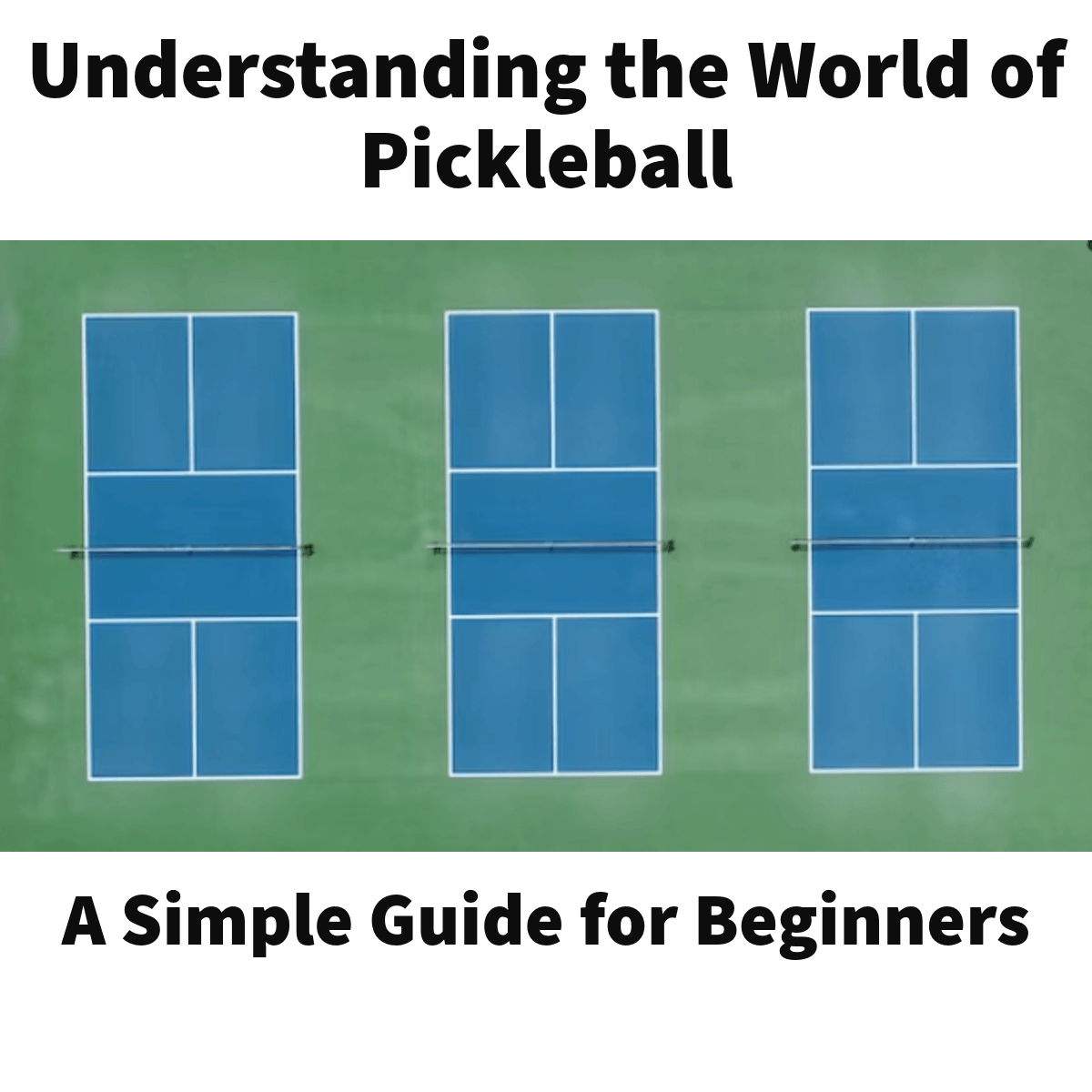
A pickleball court is 20 feet wide and 44 feet long. The net is 36 inches at the posts and 34 inches in the center. The most important space is the non-volley zone, also called the kitchen.
Know these lines:
- Baseline. Do not step on it when serving.
- Centerline. Splits the service boxes.
- Sidelines. Keep the ball inside them.
- Non-volley zone line. Seven feet from the net on each side.
Understanding the court helps you learn how to play pickleball for beginners with smart footwork. It also helps you aim serves and returns.

Scoring and match formats
Standard scoring is to 11, win by 2. Only the serving team can score. In doubles, players on the serving team take turns serving until they lose a rally.
Key points to remember:
- Call the score as server’s score, receiver’s score, and server number.
- The first serve of the game starts as 0-0-2. Only one server begins.
- Switch sides with your partner only when you win a point while serving.
Side-out scoring can feel odd at first. I practice by calling the score out loud every rally. This small habit boosts focus and reduces mix-ups.

Serving and returning: step-by-step
A legal serve is underhand. The ball contact is below the waist. You hit the ball in the air or after a drop. Aim to the diagonal service box and past the non-volley zone.
Follow this quick process:
- Stand behind the baseline with feet set.
- Call the score clearly.
- Use a smooth swing. Keep the paddle moving up.
- Serve deep to the backhand if you can.
- On the return, hit the ball deep and buy time to move up.
If you want to master how to play pickleball for beginners, build a repeatable serve. I tell new players to find one simple serve. Then add a second serve after a week.
The kitchen rule made simple
You cannot volley while standing in the kitchen. Volleys are hits in the air. You may step in to play a ball that has bounced. Then you must step out before your next volley.
Remember these common traps:
- Your momentum can carry you in after a smash. That is a fault.
- Your paddle, hat, or body cannot touch the kitchen on a volley.
- Foot faults happen fast. Reset your feet after every shot near the line.
Understanding this rule is central to how to play pickleball for beginners. It shapes where you stand and how you attack.

Fundamental shots you need first
You do not need fancy tricks. Start with seven core shots.
- Serve. A deep, safe serve sets the tone.
- Return. Aim deep to keep the server back.
- Dink. A soft shot that lands in the kitchen. Control over power.
- Third-shot drop. A soft arc from the baseline to the kitchen.
- Drive. A firm, low shot to pressure weak returns.
- Volley. Short punch in front of your body. No swingy arms.
- Reset. A soft block to slow down a fast rally.
When I teach how to play pickleball for beginners, I focus on dinks and drops. These shots help you survive long rallies and build patience.

Smart positioning and footwork
Good feet beat big swings. Small steps keep your balance and control.
Use these tips:
- Split step as your rival hits. Land light on both feet.
- Move in pairs in doubles. Stay linked with your partner.
- Guard the middle. Many balls land there.
- Keep the paddle up in front, at chest level.
If you ask how to play pickleball for beginners with fewer errors, think nose-over-toes. This cue keeps you forward and ready.
A 30-day practice plan
Here is a simple plan you can start today. It builds skill and confidence fast.
Days 1–7
- Learn the rules and court lines.
- Groove 50 safe serves each day.
- Practice deep returns and footwork to the kitchen.
Days 8–14
- Add dinks cross-court for 5 minutes per side.
- Learn the third-shot drop with 30 soft feeds.
- Play half-court games to 7 points.
Days 15–21
- Mix drives and drops on the third shot.
- Practice block volleys to reset fast balls.
- Play full games and call score loud.
Days 22–30
- Add simple plays with your partner. Poach on floaters.
- Target zones in corners and middle seams.
- Track unforced errors and aim to cut them by half.
This plan is my go-to when I teach how to play pickleball for beginners in community classes. Keep it steady and you will see quick wins.
Common beginner mistakes and fixes
These mistakes show up in almost every first lesson. Fix them early.
Mistake: Swinging big on volleys
- Fix. Shorten the stroke. Use a compact punch in front.
Mistake: Staying back after the return
- Fix. Return deep and move up to the kitchen line right away.
Mistake: Hitting every ball hard
- Fix. Soft beats hard near the net. Dink, then attack a pop-up.
Mistake: Foot faults on serves
- Fix. Set your feet behind the line. Pause before you swing.
Mistake: Poor grip pressure
- Fix. Hold the paddle like a small bird. Firm but gentle.
How to play pickleball for beginners is often about control. Do less, not more. Let your feet and paddle face do the work.
Safety, etiquette, and finding games
Stay safe and play kind. It helps the whole community grow.
Safety tips:
- Warm up with light jogs and gentle stretches.
- Drink water often and rest in hot weather.
- Wear eye protection if play is fast.
Etiquette tips:
- Call the score loud. Own your line calls.
- Say “ball” if one rolls on court. Stop play.
- Paddle taps or a quick “nice shot” go a long way.
Finding games:
- Check local parks and rec centers.
- Join beginner open play blocks.
- Use club boards and apps to find partners and clinics.
If you are learning how to play pickleball for beginners, start with beginner hours. You will find patient partners and quick feedback.
Frequently Asked Questions of how to play pickleball for beginners
What is the easiest way to start playing?
Begin with doubles, learn the basic rules, and practice serves and returns. Then add dinks and short games to build control.
How long does it take to get decent?
Most people feel comfortable in 4 to 6 weeks with regular play. Short, focused drills speed this up.
Do I need lessons to learn?
Lessons help, but you can learn with a partner and a plan. Use drills, open play, and simple goals.
What grip should I use first?
Use a continental grip, like shaking hands with the paddle. It works well for soft shots and volleys.
How do I choose a paddle as a beginner?
Pick a midweight paddle with a medium grip size. Try a few demos to find what feels stable and comfy.
Conclusion
You now know how to serve, return, move, and score with confidence. With a simple plan and steady practice, you can enjoy long rallies and quick wins. Keep your swings short, your feet active, and your goals clear.
Grab a paddle, invite a friend, and try the 30-day plan this week. If you learned something new, share this guide, subscribe for more tips, or drop a question in the comments so I can help you take the next step.