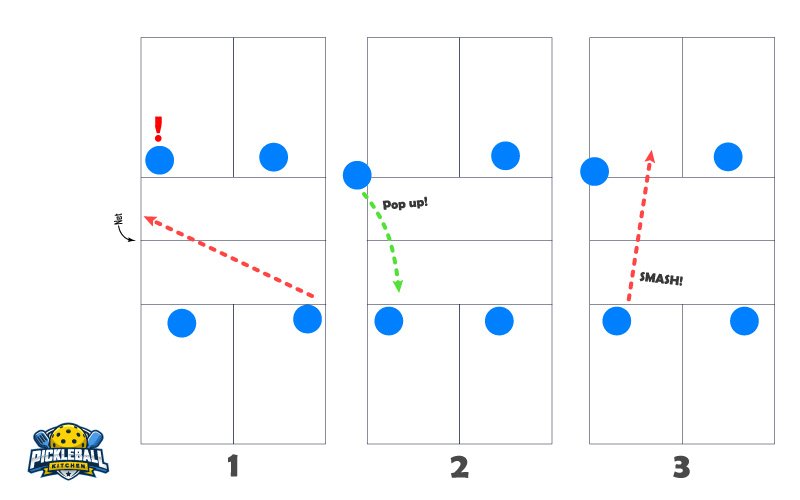
A dink is a soft, controlled shot that arcs into the kitchen and drops.
If you have ever asked what does dink mean in pickleball, you are in the right place. I coach new and advanced players, and I live at the kitchen line. In this guide, I will break down the dink like a pro. You will learn how, when, and why to use it, with drills and real-game tips you can use today.
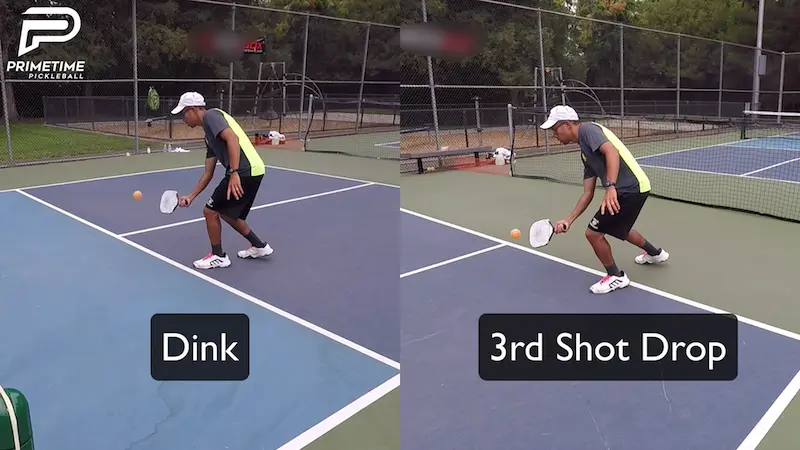
What Is a Dink in Pickleball?
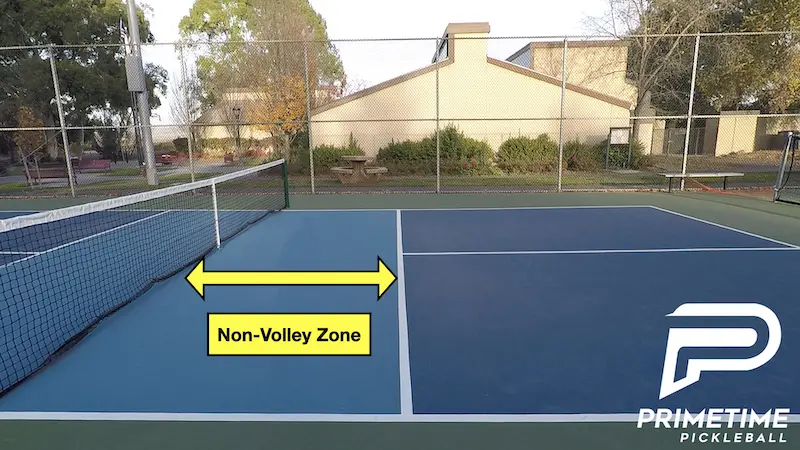
A dink is a soft shot that lands in the non-volley zone, also called the kitchen. You hit it with a short swing and a calm hand. The ball clears the net by a small margin, then dies near your opponent’s feet.
The goal is control. You use the dink to slow the point and force errors. It keeps the ball low, so your foes must hit up. That removes their power. In short rallies and long ones, the dink rules the net.
If you came here to learn what does dink mean in pickleball, think of it as chess at the kitchen line. Each soft shot sets up the next move.

How to Hit a Proper Dink
Great dinks come from simple form. Here is a step-by-step you can trust.
- Use a continental grip. It makes soft touch and quick resets easy.
- Stand in an athletic stance. Knees bent. Weight forward. Heels light.
- Keep your paddle up. Hold it around chest height between hits.
- Use a short backswing. Think push, not swing.
- Meet the ball out front. Contact around knee to waist height.
- Open the paddle face a little. Let the face lift the ball.
- Aim crosscourt first. You get more net space and time.
- Clear the net by six to twelve inches. Give yourself margin.
- Recover your paddle to ready right away. Do not watch your shot.
A common cue I give is this: quiet hands, active feet. If you wonder what does dink mean in pickleball in terms of feel, it means your paddle is a pillow, not a hammer.
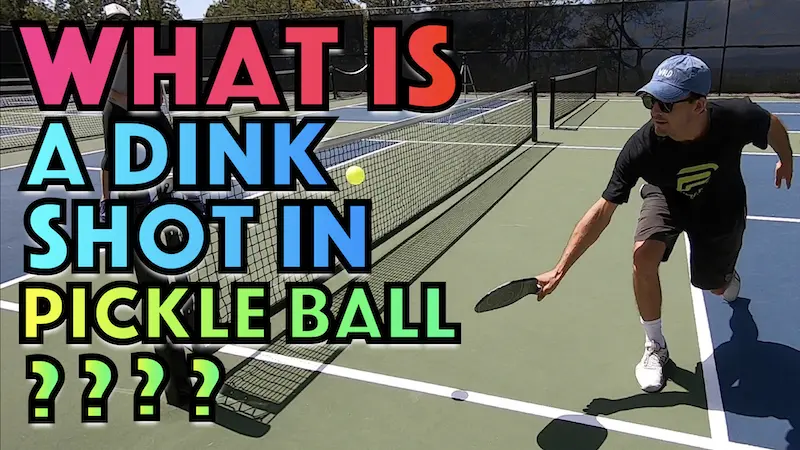
When and Why to Dink
You dink to control pace and set up attack chances. It is the safest way to get to the kitchen and stay there. You also use it to move a rival and test their patience.
Use a dink when the ball is below net height. Use it when your team is under fire. Use it to target a weak backhand or a player who floats balls. It is not passive. It is a plan.
Many players ask what does dink mean in pickleball in match flow. It means you choose a low-risk shot to win the next two shots. That is smart, steady play.
Dink vs. Drop, Lob, and Volley
These shots are cousins, not twins.
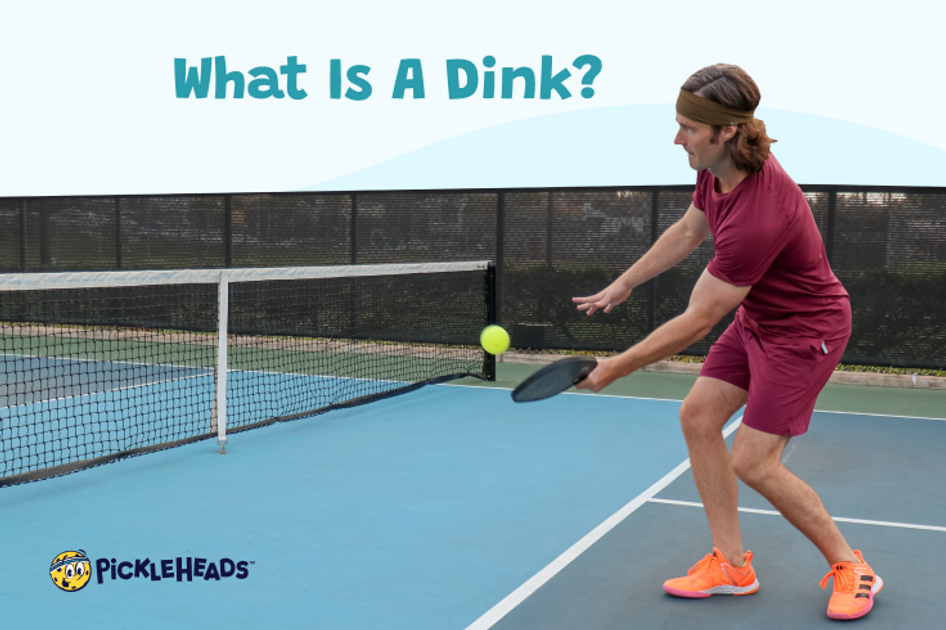
- Dink: Soft shot hit from near the kitchen that lands in the kitchen after a bounce.
- Drop: A soft shot from deeper court, often a third shot, that lands in the kitchen.
- Lob: A high, deep shot over opponents. Risky if short.
- Volley: A shot hit out of the air. Not legal from inside the kitchen.
So, what does dink mean in pickleball compared to a drop? A dink is a soft shot near the net. A drop is the soft one from farther back that helps you reach the net.
Common Mistakes and How to Fix Them
These errors show up in every clinic I run.
- Hitting too high. Fix: Open the face less and aim lower. Focus on net tape.
- Swinging too big. Fix: Shorten the stroke. Push with your shoulder, not wrist.
- Standing tall. Fix: Bend your knees. Keep your head level through contact.
- Late contact. Fix: Get the paddle out front early. Start from a ready position.
- Ignoring crosscourt dinks. Fix: Use crosscourt to build rhythm and angles.
- Kitchen foot faults. Fix: Learn the rule. Do not volley in or on the kitchen line.
If your goal is to master what does dink mean in pickleball in real play, start by removing height and extra motion. Quiet beats flashy.
Drills to Master the Dink
Reps build touch. Keep drills short and focused.
- Ten-in-a-row: Crosscourt dinks with a partner. Reset to zero on a miss. Aim for three sets.
- Ladder targets: Place four cones from net to sideline. Hit five balls to each cone in order.
- Figure-8: Two players dink diagonally, then switch to the other diagonal. Smooth transitions.
- Drop-then-dink: Hit a third shot drop, move in, then play a dink rally to five.
- Wall taps: Stand ten feet from a wall. Soft tap, let it bounce, soft tap again. One minute sets.
Track progress. Count unforced errors per minute. If you ask what does dink mean in pickleball for training, it means slow reps that tune your feel, then pressure sets that test it.

Advanced Dinking Tactics
Once you control depth and height, add layers.
- Use slice. A gentle under-spin makes the ball skid and stay low.
- Change direction late. Shape crosscourt, then go down the line when the lane opens.
- Mix depth. Short, then deeper into the backhand corner to pull them wide.
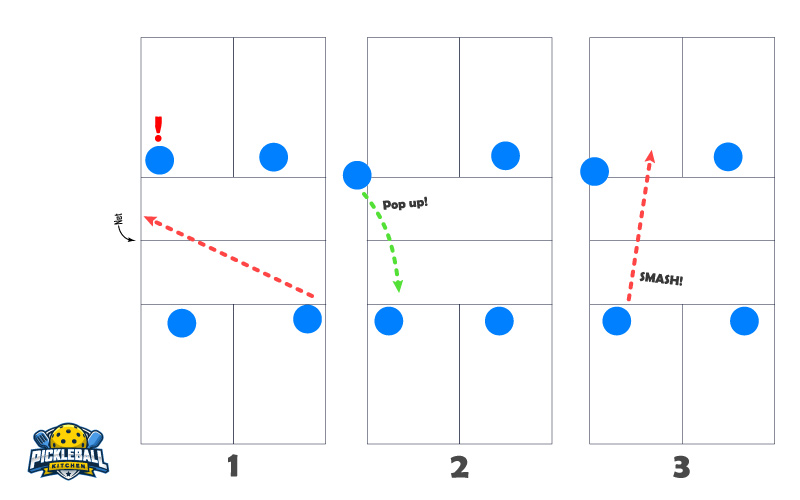
- Bait and punish. Feed a safe ball, read a pop-up, then attack the shoulder.
- Hide speed-ups. Keep the same setup, then a quick flick to the right hip.
This is where what does dink mean in pickleball shifts from soft shots to mind games. You are not just hitting a ball. You are writing the point.

Rules, The Kitchen, and Court Position
Know the rules so your soft game holds up.
- You may stand in the kitchen. You may not volley while in it or touching its line.
- Momentum counts. If you volley and your momentum carries you into the kitchen, it is a fault.
- Lines: The kitchen line is part of the kitchen. A ball touching it is in.
- After a bounce in the kitchen, you may step in and hit. Then get out fast to reset space.
- Best position: Toes near the line, paddle up, split step as they hit.
Understanding rules is part of what does dink mean in pickleball. It keeps you legal and ready under stress.

Equipment Tips for Better Dinks
Gear can help your touch.
- Paddle core: A softer core gives more dwell time and control.
- Surface: A textured face helps with slice and precise aim.
- Grip size: Use the right size to avoid wrist strain. Add an overgrip for tack.
- Weight balance: A balanced or head-light paddle aids quick hands at the net.
- Shoes: Stable court shoes help you stay low and move lateral with ease.
If you still wonder what does dink mean in pickleball for gear, think comfort and control. If it helps you feel the ball, it helps your dinks.
Real-Life Lessons From Coaching and League Play
In my league, I faced a pair who crushed drives. We stopped trying to out-hit them. We asked, what does dink mean in pickleball for this match? It meant slow, wide dinks to the backhand. They reached. They popped up three in a row. We took control.
In clinics, I see a big fix: breathe out on contact. It calms your hands. Another fix is a tiny split step before every opponent hit. It keeps you balanced for that next soft ball.
My last tip is simple. Count your net tape space, not winners. If you clear the tape by a hand’s width all game, you will win more rallies.
Frequently Asked Questions of what does dink mean in pickleball
What does dink mean in pickleball?
A dink is a soft shot that lands in the non-volley zone after a bounce. It keeps the ball low and slows the point so you can gain control.
Where should I aim my dinks?
Start with crosscourt to the backhand. You get more room over the net and a safer angle.
Is a dink the same as a drop?
No. A drop is hit from deeper court, often as the third shot. A dink is a soft shot from near the kitchen during a rally.
Can I dink from inside the kitchen?
Yes, if the ball bounces first. You cannot volley while in or on the kitchen line.
How do I beat a player who hates dinking?
Feed safe dinks until they rush and pop up the ball. Then attack the shoulder or open middle.
What grip is best for dinks?
Use a continental grip. It lets you switch from soft touch to quick resets without change.
Conclusion
The dink is the heartbeat of smart pickleball. It controls pace, shapes angles, and sets up clean attacks. When you ask what does dink mean in pickleball, the real answer is this: it is your plan to win more points with less risk.
Start with steady form and crosscourt targets. Add depth changes and slice once you are solid. Practice a few drills, breathe on contact, and track your net clearance. Ready to level up? Save this guide, try the drills this week, and share your results in the comments.