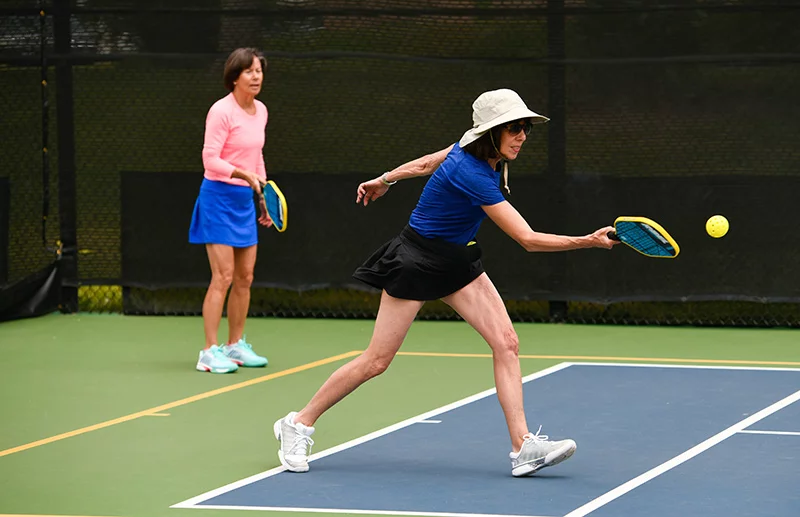
Serve diagonally, let it bounce, avoid the kitchen, and score to 11.
If you want to learn how to play pickle ball, you’re in the right place. I teach new players every week, and I’ll walk you through rules, skills, and strategy. You’ll get simple steps, friendly tips, and fixes I wish I knew sooner. By the end, how to play pickle ball will feel easy and fun.
 display: block; margin: 0 auto;”
loading=”lazy”
/>
What makes pickleball special
Pickleball blends tennis, badminton, and ping-pong in a compact space. The court is small, so rallies last and everyone gets in on the action. It is easy to start and rich in skill as you grow. If you are asking how to play pickle ball, think “smart control over raw power.”
- Fast to learn. You can rally on day one.
- Social by design. Doubles play builds quick bonds.
- Low impact. Short sprints and soft hands matter most.
Gear and court basics
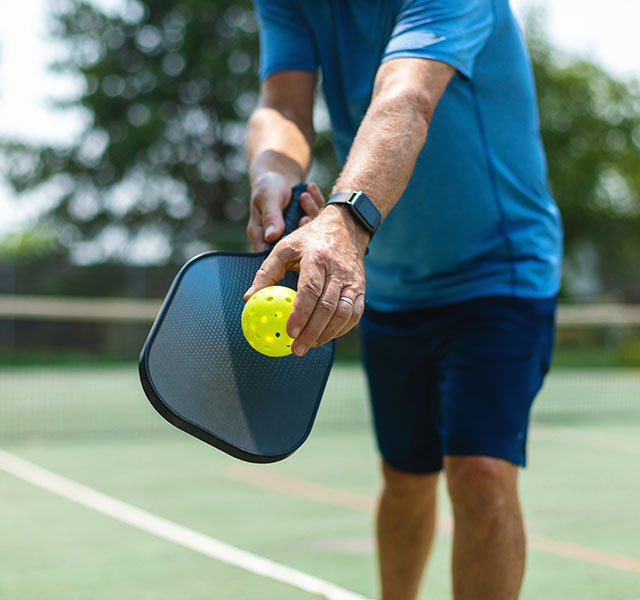
You only need a paddle, a perforated plastic ball, court shoes, and a smile. Indoor balls are softer with more holes. Outdoor balls are firmer and fly faster in wind. Wear shoes with good grip and a stable base.
Know the court before you play:
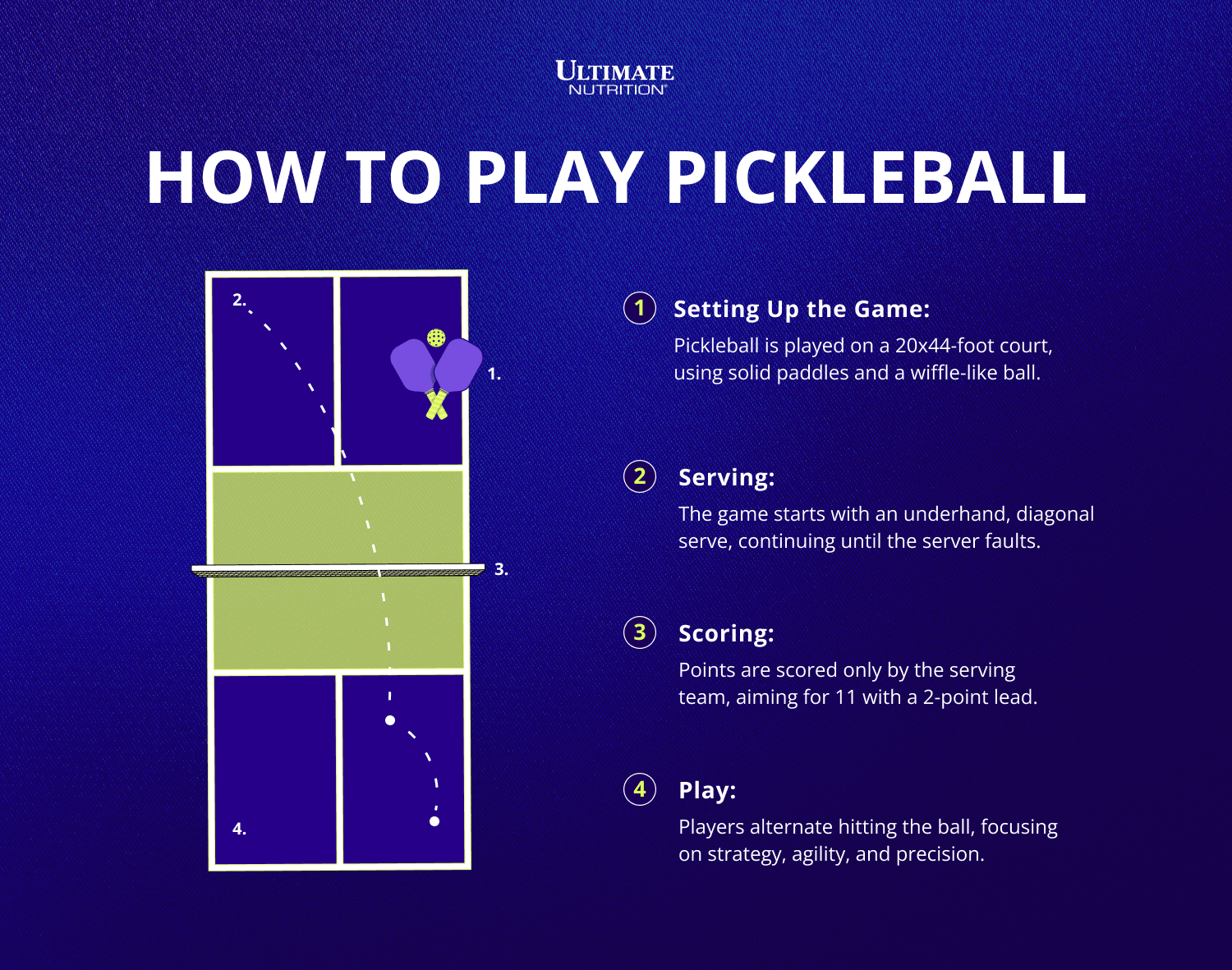
- Court size is 20 by 44 feet for singles and doubles.
- The non-volley zone, or kitchen, is 7 feet from the net on each side.
- Serves must land past the kitchen in the diagonal service box.
If you want to master how to play pickle ball, start by learning where you can stand and where you can hit.

Rules at a glance
These key rules shape every point. Learn them first, and the game clicks fast.
- The serve is underhand. Contact the ball below the waist with one foot behind the baseline.
- Serve crosscourt. If it clips the net and lands in, play on. No let re-serve.
- Double-bounce rule. The serve must bounce once, and the return must bounce once, before anyone can volley.
- Kitchen rule. You cannot volley while in the kitchen or if momentum carries you into it.
- Scoring. Only the serving team scores. Games are often to 11, win by 2.
Tip from the court: When I teach how to play pickle ball, I say this mantra. Bounce, bounce, then you can air it. It keeps beginners from rushing the net too soon.

Step-by-step: your first game
Follow this simple plan to play your first rally with confidence.
- Warm up for five minutes
- Light jog, easy swings, and a few soft dinks at the net.
- Learn the serve
- Stand behind the baseline. Use a smooth underhand motion. Aim high and deep to the opposite service box.
- Return and move in
- Return deep and in the middle. Move to the kitchen line with control.
- Play the third shot
- If you serve, your next ball is the third shot. Try a soft drop into the kitchen to buy time.
- Rally at the kitchen
- Keep the ball low. Dink crosscourt. Be patient and wait for a pop-up.
If friends ask how to play pickle ball, walk them through this flow. It removes stress and keeps the ball in play.

Core skills and techniques
The grip
- Use a continental grip, like shaking hands with the paddle. It works for dinks, volleys, and serves.
Stance and footwork
- Stay light on your toes. Keep the paddle up near chest height. Split step as your opponent hits.
Serve and return
- Serve deep with shape. A high arc adds a safe margin. Return deep to push servers back.
Soft game
- Dink crosscourt to use the longer diagonal. Aim at the opponent’s feet. Vary speed and height.
Power game
- Drive at the right time. Target the outside hip. Follow with a soft reset if they block well.
Reset and block
- When under fire, soften the ball into the kitchen. Short swing. Stable base. Quiet hands.
From my coaching notes: People learning how to play pickle ball often swing too big. Shorten the stroke. Let the paddle face do the work.
Smart strategy for real games
Positioning
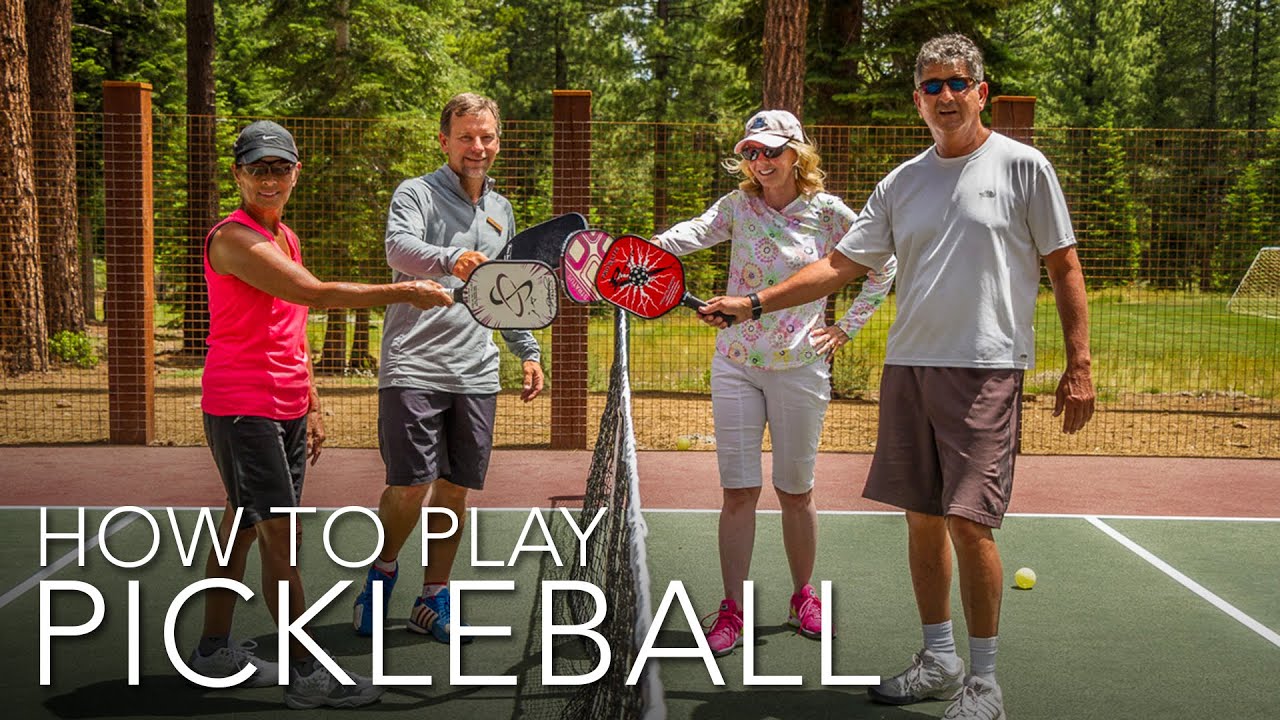
- Get to the kitchen line as a team. Stay shoulder to shoulder. Fill the middle first.
Shot selection
- Use the third-shot drop to gain the net. Mix in drives to test their block. If they pop up, attack the next ball.
Targets
- Middle wins. Aim at feet, hips, and backhands. Use angles late in the rally.
Patterns that work
- Serve deep, expect a deep return, drop to the kitchen, then dink to create the error.
- Return deep, rush the line, and keep them back with a low dink or a reset.
If you wonder how to play pickle ball at a higher level, think “win the kitchen.” The team that holds the line often wins the point.

Drills you can do today
Solo wall work
- Ten forehands, ten backhands, paddle ready between hits.
- Soft blocks: absorb pace into a gentle push.
Partner warm-ups
- Dink to the forehand for a minute, then backhand for a minute.
- Volley-to-volley at half speed, then add pace.
Serve and return ladder
- Hit five serves deep to each box.
- Partner hits five deep returns to each side.
Third-shot ladder
- One player serves. The server drops to the kitchen. Freeze if it lands high. Fix height first.
Add these drills to your plan if you are learning how to play pickle ball and want fast gains.
Common mistakes and easy fixes
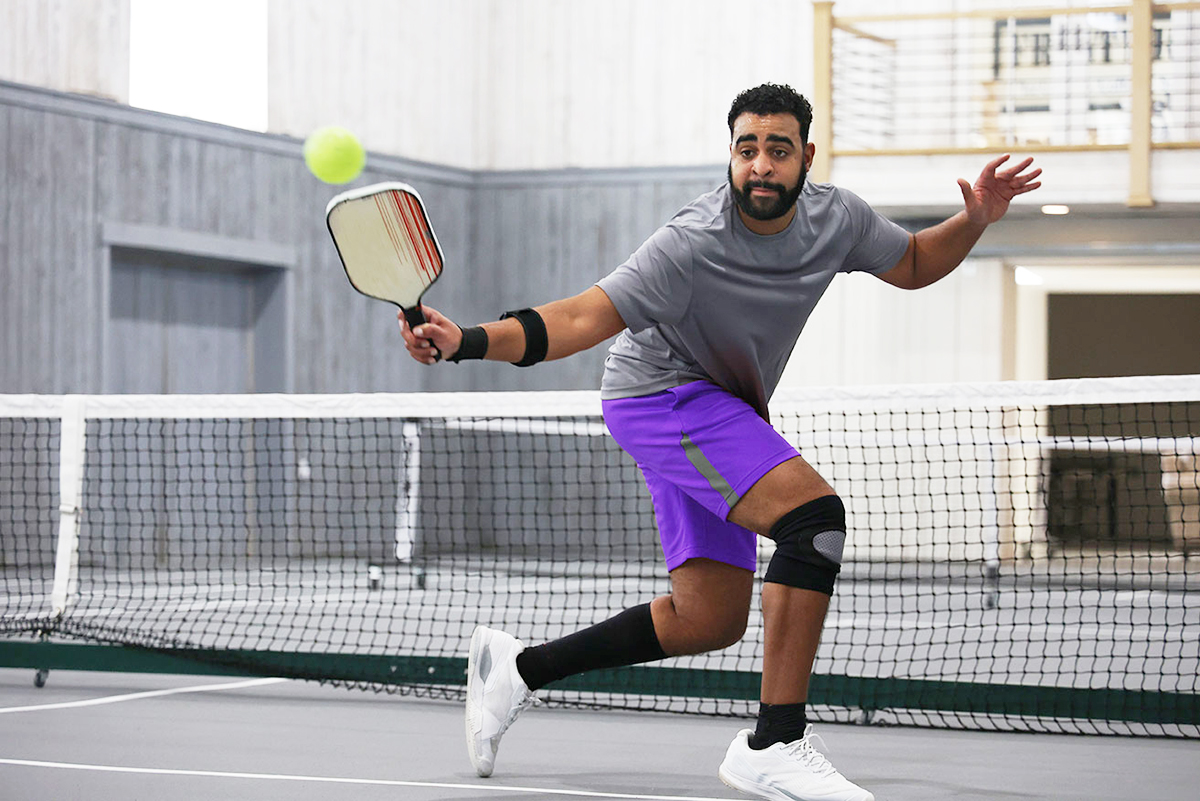
- Swinging like tennis. Fix: Shorten strokes. Use a compact punch.
- Camping in no-man’s land. Fix: Either at the baseline or the kitchen line. Move with purpose.
- Floating dinks. Fix: Close the paddle face. Brush up the back of the ball.
- Rushing the kitchen rule. Fix: Say “bounce, bounce” out loud for the first week.
- Quiet feet. Fix: Split step before each opponent strike.
I once kept driving every third shot and got stuck at 3.5 play. When I focused on drops and resets, my game jumped. This is a key shift for anyone asking how to play pickle ball beyond the basics.
Safety, etiquette, and culture
Safety first
- Warm up. Drink water. Wear sunscreen or a hat outdoors.
- Stop play if a ball rolls on your court. Yell “Ball!” loud and clear.
Etiquette
- Call the score before you serve.
- Make fair line calls with space for doubt.
- Tap paddles after the game, win or lose.
Community
- Mix in with different partners. Rotate often. Encourage new players.
- This sport grows when we show up with respect and care.
Good manners matter when you teach someone how to play pickle ball. They will stick around if the vibe is kind.
A simple improvement plan
Week 1
- Learn rules, serve, and return. Hit 50 serves each session. Play two short games.
Week 2
- Add third-shot drops and soft dinks. Ten minutes of dinks each day.
Week 3
- Mix drives and resets. Drill volley blocks. Film a few points on your phone.
Week 4 and beyond
- Set one goal per game. For example, win the kitchen or target the middle.
- Take a clinic or open play ladder for feedback.
Follow this plan if you want a clear path for how to play pickle ball and improve fast.
Frequently Asked Questions of how to play pickle ball
What is the easiest way to start?
Begin with the rules, then serve, return, and dink. Play short games to 7 and focus on keeping the ball in.
How do you score in pickleball?
Only the serving team scores. Games are often to 11, win by 2, and doubles uses server numbers 1 and 2.
What is the kitchen and why does it matter?
The kitchen is the non-volley zone near the net. You cannot volley while in it, which keeps play fair and safe.
Is pickleball hard on the body?
It is lower impact than many sports, but you still move and pivot. Warm up, wear good shoes, and avoid twisting too much.
What paddle should a beginner buy?
Pick a midweight paddle with a comfy grip. A balanced feel helps you learn control before chasing power.
Can I use a drop serve?
Yes, a drop serve is legal. Let the ball fall from your hand and hit it after it bounces.
How often should I practice?
Aim for two to three sessions a week. Mix games with drills so skills stick.
Conclusion
You now know the court, the rules, and the key shots. You have drills, fixes, and a plan you can start today. Keep your strokes short, your mind calm, and your feet active. The game will reward your patience.
Grab a paddle, invite a friend, and play a race to 11 tonight. If this guide helped, share it, subscribe for more tips, or drop a question so I can help you master the next step.