Learn a simple serve, follow the two-bounce rule, and respect the kitchen.
Pickleball is fun, fast to learn, and easy on your body. In this guide on how to play pickleball for beginners, I’ll share clear steps, simple drills, and pro tips I use when teaching new players. You’ll learn the rules, the right shots, and the smart moves that win games. Stick with me, and you’ll feel ready to walk on any court with confidence.

Pickleball basics: court, gear, and terms
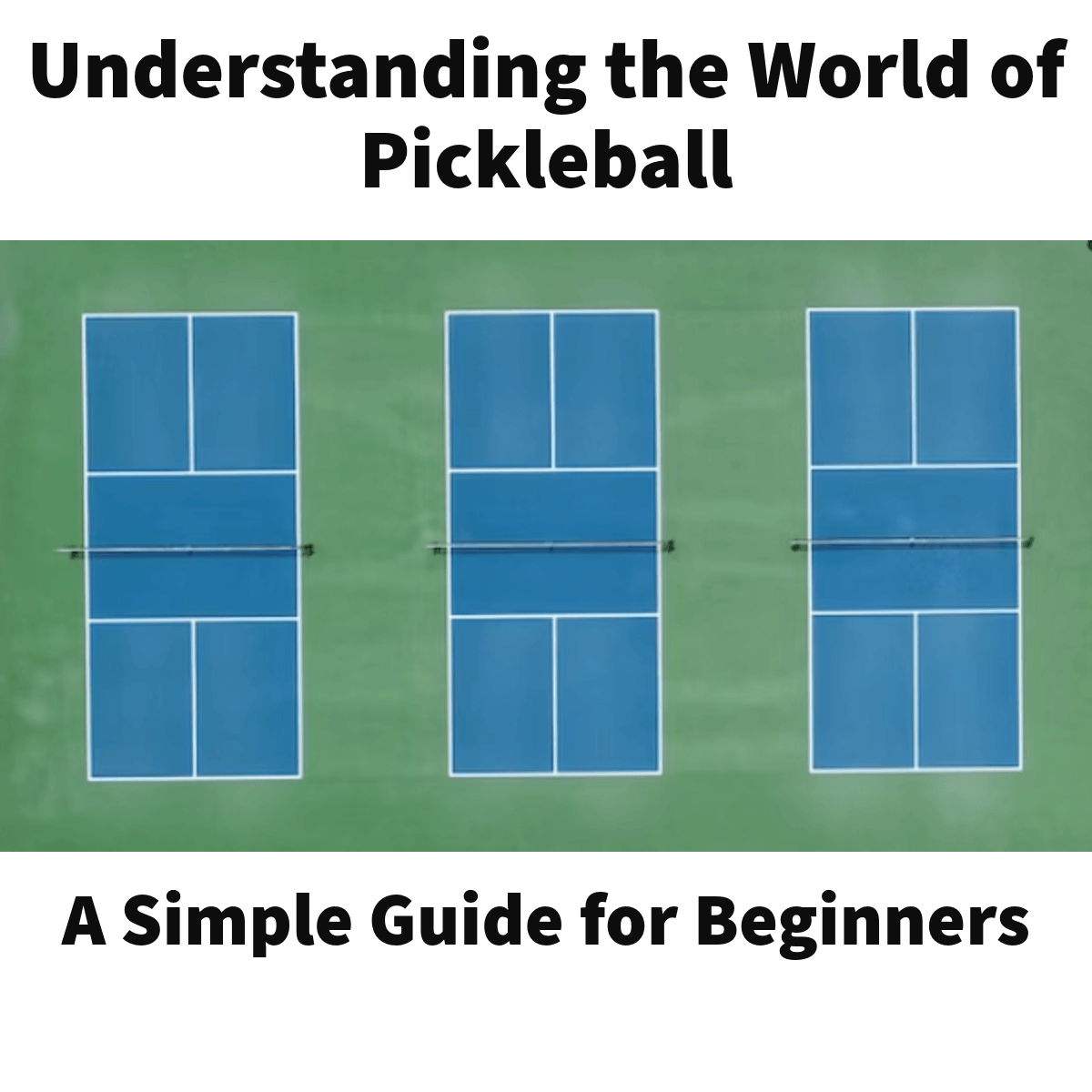
Pickleball blends tennis, badminton, and ping-pong. The court is 20 by 44 feet, the same for singles and doubles. The non-volley zone, also called the kitchen, is a 7-foot zone on both sides of the net. Knowing these parts is the first step in how to play pickleball for beginners.
You play with a paddle and a plastic ball with holes. Indoor balls are softer and have fewer holes. Outdoor balls are firmer and have more holes. Wear court shoes with flat, grippy soles.
Common terms you will hear:
- Serve: The first shot of the point.
- Return: The shot back to the server.
- Volley: Hitting the ball out of the air.
- Dink: A soft shot that lands in the kitchen.
- Third shot drop: A soft shot after the return that lands near the kitchen.
- Fault: Any rule break that ends the rally.
I tell new players to walk the court before play. Touch the kitchen line and say, “No volleys here.” It sets a clear picture and speeds up how to play pickleball for beginners.
Rules and scoring made simple
Pickleball has simple rules, and they stay the same everywhere. This helps when you learn how to play pickleball for beginners at any club or park.
Serving rules:
- Serve underhand with the paddle below your waist.
- Stand behind the baseline and serve diagonal to the far box.
- The ball must clear the net and not land in the kitchen.
- Only one serve try is allowed, except on a let (ball hits net and still lands in the right box).
The two-bounce rule:
- The serve must bounce before the return is hit.
- The return must bounce before the next shot is hit.
- After these two bounces, you may volley outside the kitchen.
Kitchen rules:
- You cannot volley while any part of you touches the kitchen line or zone.
- You may step in to hit a ball that has bounced, then step out.
- Your momentum cannot carry you into the kitchen after a volley.
Scoring basics:
- Only the serving team scores points.
- Games are usually to 11, win by 2.
- In doubles, the score has three numbers: server’s score, receiver’s score, and server number (1 or 2).
- The first serving team starts with server number 2 at 0-0-2.
I teach students to call the score loud before each serve. Clear calls cut confusion and keep focus high. It is a simple, key habit in how to play pickleball for beginners.

Essential grips, stance, and core shots
Use a simple, reliable grip to start. The continental grip works for most shots. Hold the paddle like you shake hands with it. Keep your grip light, about a 3 out of 10.
Ready stance and footwork:
- Stand with feet shoulder-width apart and knees soft.
- Hold the paddle up in front of your chest.
- Use a split step before each hit to stay light on your feet.
Start with these core shots:
- Serve: Aim deep and safe to the middle or backhand.
- Return: Hit deep to push the server back.
- Dink: Soft shot into the kitchen; aim cross-court for more space.
- Volley: Short punch with a quiet wrist; keep the ball low.
- Third shot drop: Soft arc that lands in the kitchen so you can move forward.
Personal tip: Count “bounce, bounce” out loud after each serve. It fixes early volley faults fast and builds rhythm in how to play pickleball for beginners.

Step-by-step: your first game plan
Your first game should feel calm and fun. Here is a simple plan that works for most new players. It takes the panic out of how to play pickleball for beginners.
Before play:
- Warm up with short dinks, then a few serves and returns.
- Agree on scoring to 11, win by 2.
- Set who serves first and where each player stands.
During points:
- Serve safe and deep. Aim middle.
- Return deep. Aim to backhand or middle.
- On the third shot, try a soft drop. Move to the kitchen line together.
- At the kitchen, play soft. Wait for a ball you can attack.
Position and talk:
- Both partners want to stand at the kitchen line.
- Call “mine” and “yours.”
- Cover the middle with whoever has the forehand when in doubt.
I remind new teams to breathe and smile between points. It keeps tension down and helps you learn faster.

Beginner strategy that wins points
Smart targets win more than big swings. This is the heart of how to play pickleball for beginners who want quick gains.
High-percentage choices:
- Aim to the middle. It causes doubt and forces errors.
- Hit to their backhand. It is often weaker.
- Play to the feet. Low balls are hard to lift.
When to attack:
- Attack only when the ball is high above the net.
- Aim at the body or hips to jam your opponent.
- After the attack, close in and look for the next ball.
Stay patient at the kitchen:
- Keep dinks low and cross-court.
- Move your feet, not just your arm.
- Reset fast if you pop a ball up.
A rule I give every new pair: do not miss into the net. Clear the net by a foot. You will win more with margin than with risk.
A 30-day practice plan for fast progress
A plan turns good intent into skill. Use this 30-day path to lock in how to play pickleball for beginners.
Days 1–7: Foundations
- 10 minutes ready stance and split steps.
- 50 soft dinks cross-court each side.
- 30 safe serves to big targets.
Days 8–14: Serve and return
- Serve to four zones: wide, body, middle, backhand.
- Return deep with two bounce rules in mind.
- Add 5 minutes of volley blocks at the kitchen.
Days 15–21: Drops and resets
- Third shot drops from mid-court. Aim to bounce in the kitchen.
- Reset drill: partner hits hard; you block soft into the kitchen.
- Dink patterns: cross-court, then change down the line.
Days 22–30: Game play and review
- Play to 11 with focus goals: 80% serves in, deep returns, kitchen control.
- Video a short game if you can. Note two fixes.
- Add footwork ladders or shadow steps for 5 minutes.
Keep a small notebook. Track serves made, returns deep, and errors. This simple act speeds up how to play pickleball for beginners more than any gear upgrade.

Safety, etiquette, and gear care
Safe play keeps you on the court. Warm up your legs, hips, and shoulders. Do light shuffles and gentle swings. Drink water before and during play.
Essential safety habits:
- Do not backpedal on lobs. Turn and run.
- Call “ball on!” if a loose ball rolls in. Stop play at once.
- Wear court shoes with good grip. Consider eyewear for eye safety.
Etiquette that builds community:
- Call the score loud and clear.
- Give close calls to your opponents’ benefit.
- Say “good shot” and stay kind after errors.
Gear care:
- Wipe your paddle face to keep grip on the ball.
- Store paddles out of heat and direct sun.
- Use the right ball for indoor or outdoor courts.
These small habits show respect. They also speed learning in how to play pickleball for beginners.

Mistakes beginners make and easy fixes
Everyone starts with errors. The trick is to fix them fast. Here are the big ones I see when teaching how to play pickleball for beginners.
Common mistakes and fixes:
- Standing in no man’s land: Move up to the kitchen line after the third shot.
- Swinging too big on volleys: Shorten the stroke. Use a small punch.
- Gripping too tight: Loosen your grip to soften your touch.
- Attacking low balls: Keep dinking. Wait for a higher ball.
- Skipping the split step: Add a tiny hop before you move to the ball.
Mindset helps too. Aim for steady, not flashy. You win with control, not chaos.
Frequently Asked Questions of how to play pickleball for beginners
What is the two-bounce rule?
After the serve, the ball must bounce once on the receiver’s side, then once on the server’s side. Only after these two bounces can players volley.
How do you keep score in doubles?
Only the serving team scores points. Call three numbers: your score, their score, and your server number (1 or 2).
What is the kitchen and why does it matter?
The kitchen is the 7-foot non-volley zone by the net. You cannot volley while in it or on its line, which keeps net play fair and safe.
What paddle should a beginner buy?
Pick a midweight paddle with a comfortable grip size. A balanced, control-focused paddle helps you learn touch and reduce arm strain.
How often should I practice as a beginner?
Two to three short sessions a week work well. Mix drills with games, and track one small goal each time.
What is the best first serve for beginners?
Use a simple, consistent underhand serve. Aim deep to the middle to reduce errors and set up an easier next shot.
Can I step in the kitchen at any time?
Yes, but only to hit balls that have bounced. Step out before you volley again to avoid a fault.
Conclusion
You now have the basics, the rules, and a plan. You know the safe shots, where to stand, and how to build skill step by step. This is the core of how to play pickleball for beginners in a way that sticks.
Start this week. Use the 30-day plan, aim for deep serves and returns, and live at the kitchen line. Share your wins or your questions below, subscribe for new drills, and invite a friend to learn with you.