Plan your format, secure courts, set rules, schedule, staff, and manage brackets smoothly.
If you want to master how to run a pickleball tournament, you’re in the right place. I’ve directed and advised events from small club round robins to 200-player draws. Below, I share a clear, friendly, step-by-step guide that blends real-world lessons, pro tips, and simple tools you can use today.
Define your vision and format
Start with your purpose. Is this event for fun, fundraising, or ranking points? Your goal shapes every choice that follows.
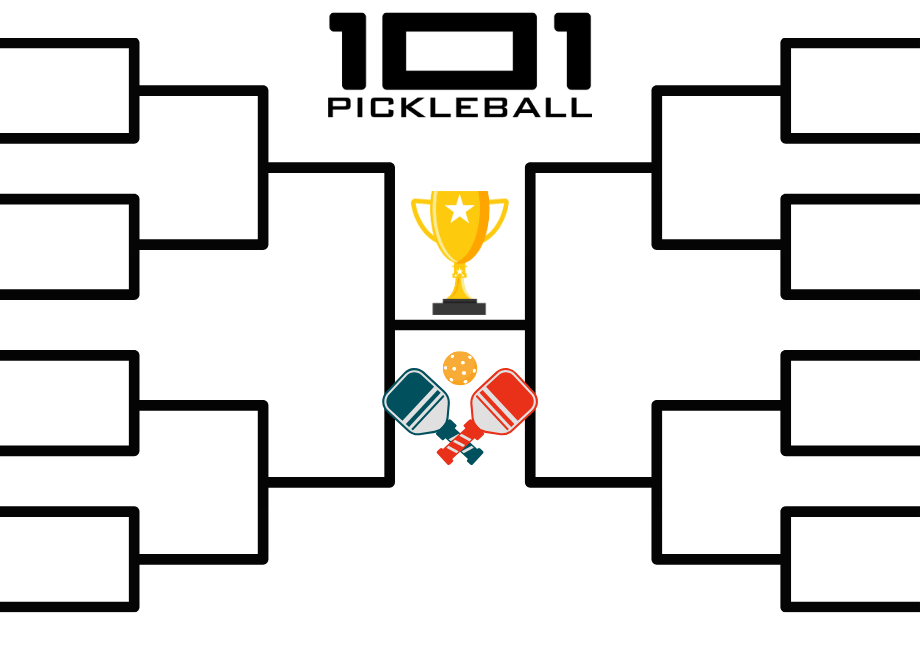
Pick your format based on entries, skill levels, and time.
- Round robin works well for small groups. Everyone plays more and waits less.
- Pool play into single elimination meets competitive goals and keeps the day moving.
- Double elimination is popular but can run long. It suits full-day events with many courts.
- Ladder or Swiss formats are great when you want fair matchups without knockouts.
Set divisions that match demand.
- Skill-based levels keep play fair and fun.
- Age brackets help with safety and fairness.
- Mixed, men’s, and women’s doubles can run on different days to reduce congestion.
Clarity wins. Publish how to run a pickleball tournament at your venue, with format rules, scoring, and tiebreakers, before you open registration.
Budget, fees, and sponsors
Build a simple budget first. List all fixed and variable costs.
- Venue fees, permits, and insurance
- Balls, nets, signage, and court tape
- Medals, swag, and printing
- Software, payment fees, and radios
- Water, ice, shade, and first aid
- Staff and volunteer meals
Set fees with a clear break-even point. Add a buffer for extra costs. If you plan prizes, cover them after essentials.
Sponsors lower risk and raise quality.
- Offer tiers. Give logo placement, court naming, or social mentions.
- Ask for in-kind support. Water, snacks, shade tents, and gift cards go a long way.
- Keep promises. Send sponsors photos and metrics after the event.
I always keep a 10% contingency. That one tip has saved me more than once.

Courts, permits, and equipment
Confirm court access early. Many parks need permits and insurance. Ask about sound rules, parking, and lights.
Stock reliable gear.
- Portable nets and backup posts
- Approved outdoor balls, sorted by division
- Clipboards, pencils, and spare tape
- Branded signs for check-in, brackets, and restrooms
- Shade tents, chairs, and a PA or megaphone
- Ice, bandages, and a basic first aid kit
Plan court density. One court supports roughly 12 to 16 players per half day, depending on format. Build rest space to reduce heat stress.
This is part of how to run a pickleball tournament that people will praise: comfortable courts, clear signs, and fewer bottlenecks.
Registration, waivers, and player communication
Choose a registration platform that fits your size. A good system handles payments, waitlists, waivers, and brackets.
Create caps by division. Use waitlists to manage demand. Publish your refund policy before you open.
Make waivers simple and digital. Confirm emergency contacts.
Communicate early and often.
- Welcome email at signup with format, location, and parking
- Reminder email 72 hours out with check-in time and rules
- Morning-of text or email with court map and live links
Use plain language. Clear updates are core to how to run a pickleball tournament without stress.

Brackets, seeding, and scheduling
Build your bracket plan before entries close. Keep divisions balanced and time-bound.
Estimate match times.
- Recreational doubles: 15 to 20 minutes
- Competitive best-of-three: 25 to 35 minutes
- Bronze and gold matches often run longer
Aim for high court use without burnout. I like 80% utilization. Leave buffer blocks for delays and medical timeouts.
Create a rain or heat plan. Note floor time for a backup gym or a reschedule date.
A quick math check shows how to run a pickleball tournament on four courts:
- 8 teams, round robin, one game to 11, about 28 matches total
- At 12 minutes per match, you need about 5.5 hours plus breaks
- Add a 30-minute buffer and medals, and you’re near 6.5 hours

Rules, referees, and player conduct
Use the current USA Pickleball rules. Post a short event rules sheet at check-in.
Standardize these items.
- Ball in play and start procedure
- Line call policy and player responsibilities
- Timeouts, medical timeouts, and hydration breaks
- Equipment checks and paddle disputes
- Code of conduct and zero-tolerance behaviors
For smaller events, trained volunteers can manage courts. For finals or higher levels, assign certified referees. Clear, consistent rules are vital in how to run a pickleball tournament that feels fair.

Staffing and volunteer roles
List every job and assign backups.
- Tournament director handles decisions and timing
- Desk leads manage brackets and court calls
- Runners move scores and balls
- Referees or court monitors watch play
- Hospitality supports water, snacks, and shade
- Safety lead manages first aid and incident logs
- Social media captures highlights and posts results
Staff in shifts. For 8 courts, I use 2 to 3 desk leads, 4 to 6 runners, 4 to 8 refs or monitors, and 2 hospitality helpers per half day. Train volunteers with a 20-minute huddle the night before.

Tech stack and tools
Pick a bracket tool you trust. Test it a week ahead with dummy data.
Simple tools help a lot.
- Radios or a group chat for staff
- QR codes to share live brackets and court maps
- A shared spreadsheet for backups
- A small label printer for badges and signs
- A stopwatch and power bank for each lead
Redundancy is smart. Paper sheets at the desk can save your day if the Wi‑Fi dies. Knowing how to run a pickleball tournament includes knowing how to keep going offline.

Marketing, entries, and community partners
Tell a clear story. Why is your event special?
- Name the event and share the format and vibe
- Use short videos from past events
- Ask local clubs and parks to share your flyer
- Offer early-bird pricing and a referral perk
- Invite schools, senior centers, and adaptive programs
Community partners lift turnout and trust. This outreach is a big part of how to run a pickleball tournament that sells out.
On-site flow and player experience
Make check-in fast and friendly.
- Separate lines by division
- Give a schedule card and a QR code
- Provide a warm-up window and clear staging areas
Keep players safe and happy.
- Plenty of cold water and ice
- Shade zones and sunscreen
- Music at a soft level and a simple emcee script
- Lost-and-found bin and phone charging station
I always run a quick “captains’ chat” at the desk before first serve. Two minutes of clear notes can save 20 minutes later.
Results, awards, and follow-up
Close brackets fast and announce winners with a photo moment. Keep medals handy and names checked.
Publish results the same day. Post photos within 24 hours. Send a short survey within 48 hours with three simple questions.
Share a one-page recap with sponsors. This habit shows how to run a pickleball tournament that grows year after year.
Risk management, safety, and insurance
Confirm your insurance and permit needs early. Use digital waivers. Log any incidents with time and location.
Write a one-page emergency plan.
- Heat, lightning, heavy rain, or poor air quality
- Where to shelter and who calls it
- How to pause, resume, or reschedule play
Have a basic first aid kit and an AED location noted. Safety planning is central to how to run a pickleball tournament that people trust.
Sample timeline and checklist
Use this eight-week plan. Adjust to your event size.
- Week 8: Define format, set date, secure courts, draft budget.
- Week 7: Publish event page, open registration, start sponsor outreach.
- Week 6: Order balls, medals, shirts, and signs.
- Week 5: Confirm volunteers, refs, and equipment.
- Week 4: Push marketing, review entries, cap divisions if needed.
- Week 3: Build draft brackets and schedules, test software.
- Week 2: Confirm permits, final staff list, safety plan, and rain plan.
- Week 1: Send finals emails, print backups, pack kits, and walk the venue.
Event day checklist covers the last mile of how to run a pickleball tournament.
- Check-in desk, radios, and signs set by gates open
- Water, ice, shade tents, and first aid ready
- Court numbers, balls bins, and trash cans placed
- Live links posted and paper backups at desk
- Staff huddle 30 minutes before player warm-up
Common mistakes and pro tips
Avoid these pitfalls.
- Oversized brackets on too few courts
- No buffer time or heat plan
- Confusing signs and late updates
- Not enough water and shade
Steal these pro tips.
- Use staging areas so next matches are ready
- Print a little “How to run a pickleball tournament” cheat sheet for staff
- Keep a spare court open to catch delays
- Post a big “Now Playing” board to cut questions
- Announce time checks every 60 minutes
Frequently Asked Questions of how to run a pickleball tournament
How many courts do I need?
For casual doubles, plan one court per 12 to 16 players per half day. If you use double elimination, add more buffer or courts.
What format is best for small groups?
Round robin is simple and fair for small entries. You get more play and clear results without long waits.
Do I need referees for every match?
Not always. Use refs for finals or top divisions, and trained monitors for early rounds.
How do I seed players fairly?
Use past results and self-ratings when available. If data is thin, seed top teams apart and randomize the rest.
What should I include in my player email?
Share check-in time, parking, format, live links, and rules. Add a court map and a phone number for help.
How do I handle weather delays?
Publish a clear weather policy before the event. Use a lightning or heat index rule and set a reschedule path.
How can I keep the event on time?
Start on time, stage next matches, and use short warm-up windows. Keep one spare court to absorb delays.
Conclusion
You now have a clear plan for how to run a pickleball tournament from idea to final photo. Set your format, protect the schedule, keep players safe, and communicate well. Small, steady systems beat last-minute heroics.
Pick one section to act on today. Draft your format, book your courts, or write your first player email. When you’re ready, share your event date or questions in the comments so we can help you build a great day for your players.