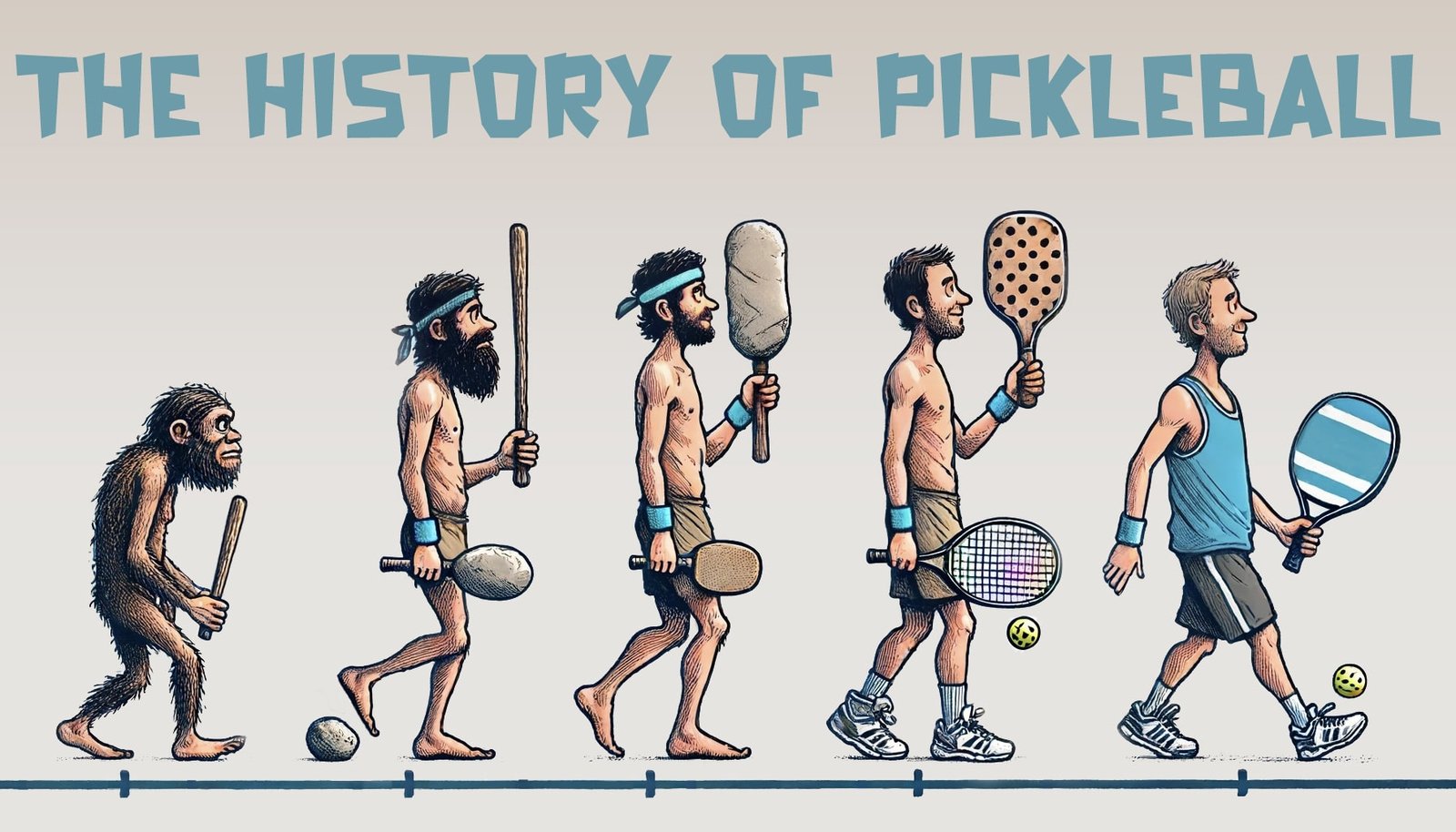
Pickleball began in 1965 on Bainbridge Island, Washington, created by Pritchard, Bell, McCallum.
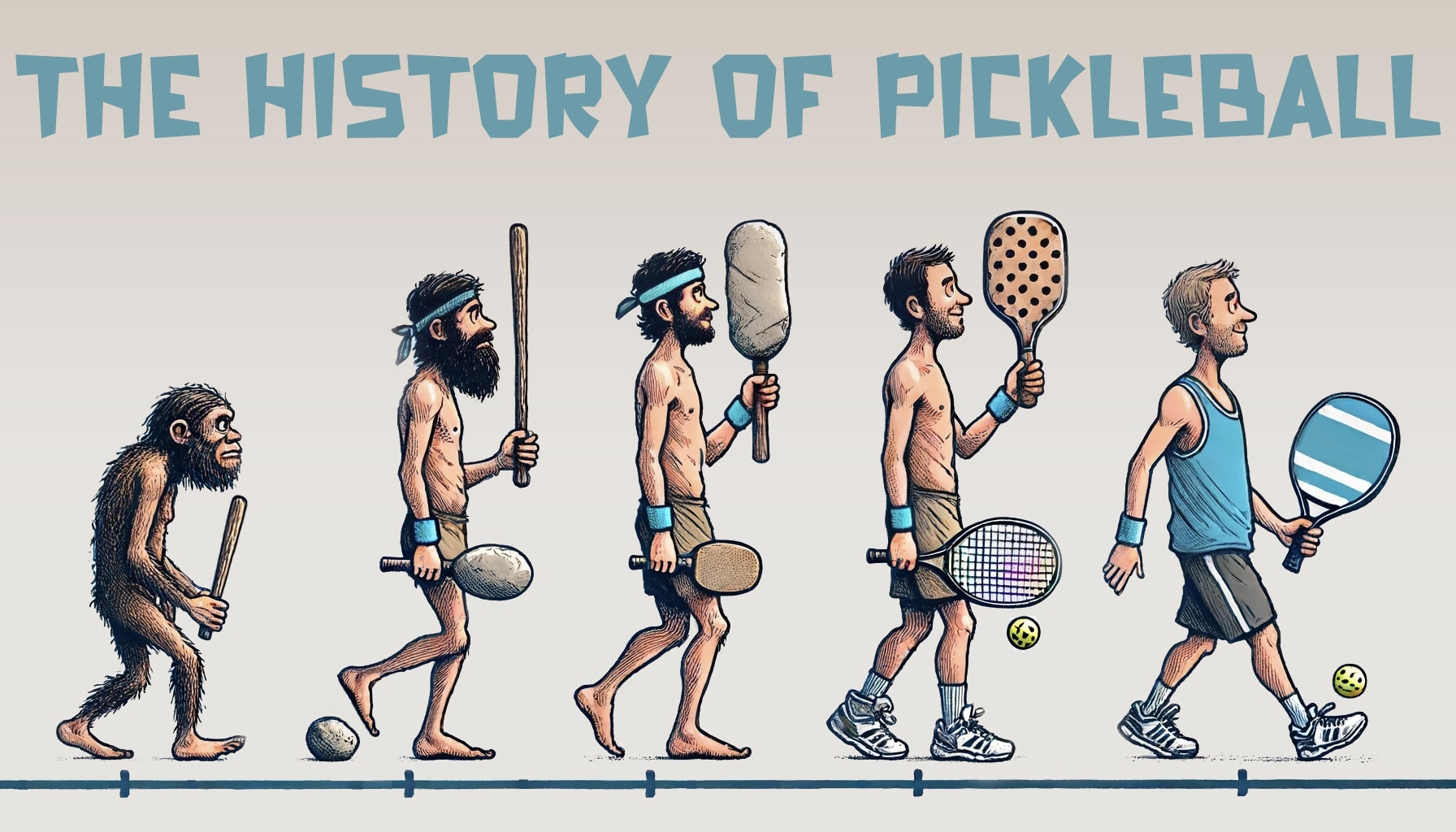
Curious about the full pickleball origin story and how a backyard pastime became a global sport? You’re in the right place. Here, we break down the history of pickleball with clear facts, simple timelines, and helpful insights. You’ll learn what shaped the rules, why the game has a quirky name, and how the pickleball origin still drives its culture today.
The spark on Bainbridge Island
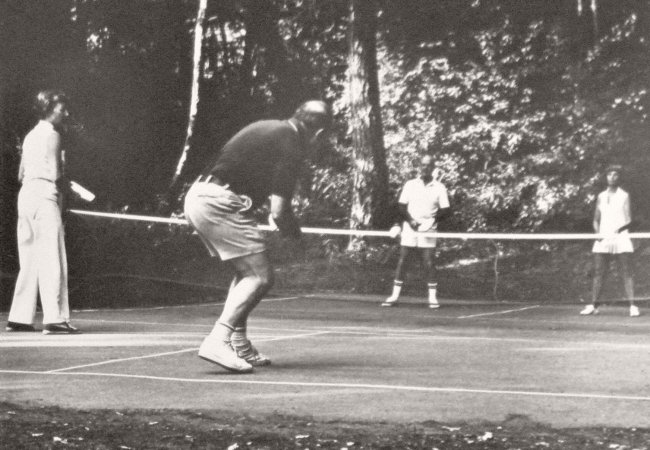
In the summer of 1965, two families on Bainbridge Island wanted a fun game. They set up a badminton net but did not have a shuttlecock. So they grabbed a perforated plastic ball and some simple paddles. The net was lowered to about tennis height, and play began.
The first day was all trial and error. Hits were short. Rallies were quick. Soon, neighbors joined, and the group started to tweak rules to keep points fair. Those first choices still shape the game today and anchor the pickleball origin.
By the next year, a permanent court stood in a backyard. The court size was close to a badminton layout. The community around the game grew fast. People kept asking for rules, paddles, and a name.

The founders and their roles
The pickleball origin centers on three friends who shared a love of games.
- Joel Pritchard was a public servant with a knack for building community. He helped set the tone for an open, family-first sport.
- Bill Bell brought a playful spirit and a drive to refine rules. He pushed for balance and long rallies.
- Barney McCallum got hands-on with gear. He shaped the first paddles from plywood and helped formalize the rules.
Their teamwork created a stable base. By the early 1970s, the group set up a company to guide growth and protect the name. This helped turn the pickleball origin into a clear, shareable standard.

Why the game got its name
There are two main stories about the name. One says the game was named after a family dog called Pickles. The other points to the “pickle boat,” a rowing term for a crew made of leftovers. That idea fit the mix-and-match feel of the sport.
Most historic notes lean to the pickle boat link. Yet the dog tale stuck because it is simple and fun. Either way, the pickleball origin shows a light tone, a blend of parts, and a focus on family play.

Early rules, paddles, and courts
The first rules made the game fair and easy to learn. These choices are a window into the pickleball origin and why it works for all ages.
- Court size settled at 20 by 44 feet. This kept movement short and safe.
- Net height centered near 34 inches, a touch lower than tennis at center.
- The non-volley zone, also called the kitchen, stopped net smashes.
- The double-bounce rule forced one bounce on each side before volleys. This made rallies longer.
- Serves were underhand. The ball had to land in the diagonal box.
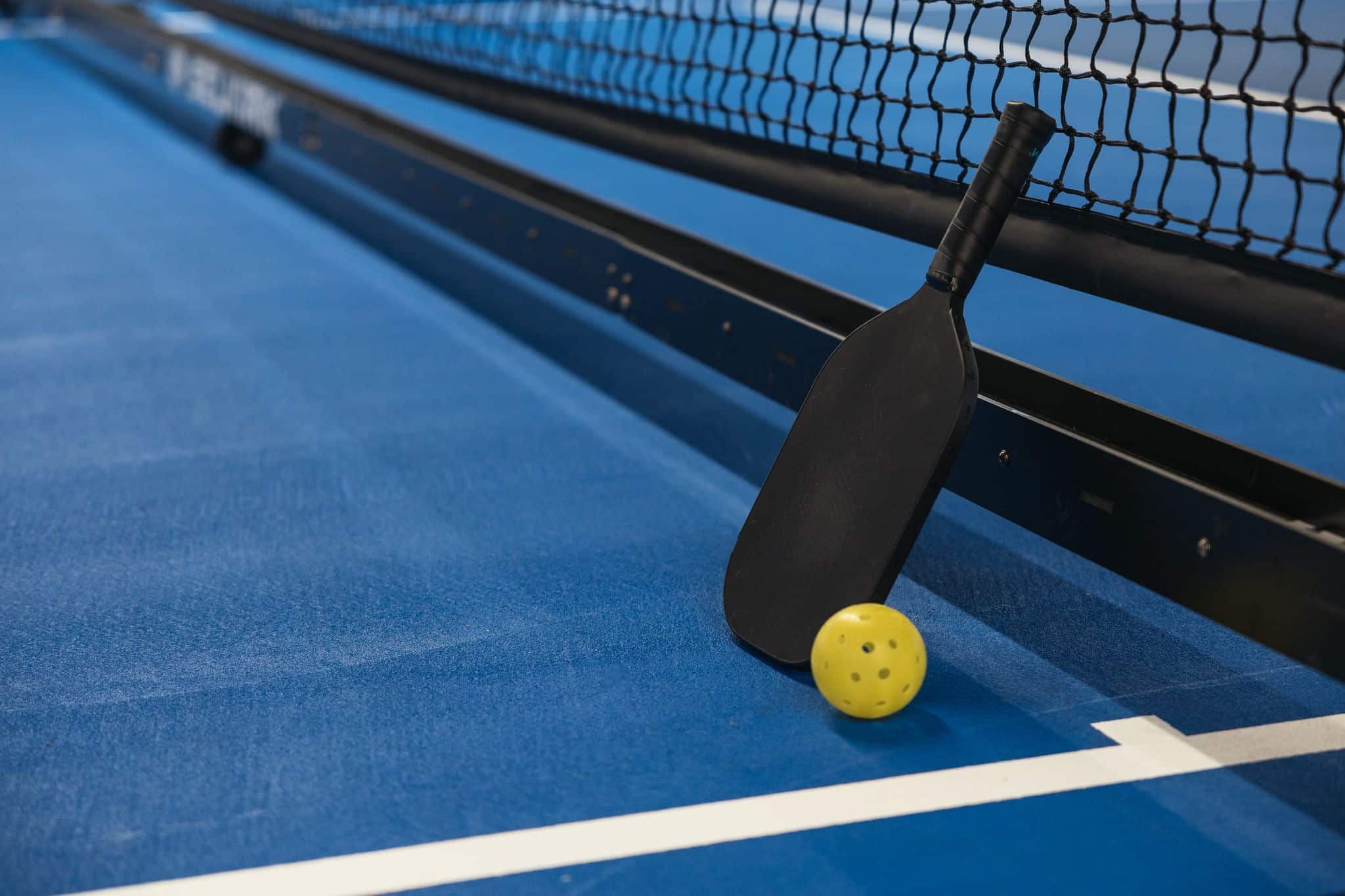
Gear also evolved. Early paddles were wood. In the 1980s, engineers brought in honeycomb cores and composite faces. Balls stayed light with holes. These updates kept the spirit of the pickleball origin but added control and feel.

A simple timeline of growth
This quick path shows how the pickleball origin scaled into a movement.
- 1965: Game created on Bainbridge Island.
- 1967: First permanent court built in a yard.
- Early 1970s: Company formed to guide rules and gear.
- 1976: One of the first known tournaments ran in Washington.
- 1980s: Composite paddles appeared. A national body formed to steward the rules.
- 2000s: Online rules helped clubs grow in every region.
- 2009: A major national event brought wider media eyes.
- 2020s: Massive boom across parks, schools, and health clubs.
Each step carried the same core idea: keep it simple, social, and fair. That is the heart of the pickleball origin.
Why the pickleball origin still matters
Knowing where the game began helps you play it well. The rules were made to slow big hitters and give all players a chance. This helps kids, adults, and seniors enjoy a shared court.
The pickleball origin also explains the vibe. It is upbeat and social. People chat at the net. Fast games make it easy to rotate and meet others. Clubs use that to build strong, friendly scenes.
You can see the origin in clinics and leagues. Coaches teach dinks first, then drives. Players learn to read space, not just swing hard. That mix is the magic.
Myths vs facts about the pickleball origin
Stories spread fast. Let’s set a few points straight so your view of the pickleball origin stays clear.
- Myth: It started as a tennis drill. Fact: It began as a backyard mashup of badminton, Wiffle ball, and paddle play.
- Myth: The dog named the game for sure. Fact: The pickle boat story has strong backing, though the dog tale is popular.
- Myth: Early games had no rules. Fact: Rules formed very fast to make rallies fair and long.
- Myth: The kitchen is a new rule. Fact: The non-volley zone dates back to the early days.
- Myth: It grew only in retirement towns. Fact: The boom spans schools, cities, and clubs of all ages.
Clearing up myths helps coaches, club owners, and new players honor the true pickleball origin.
How the rules reflect the origin story
Every core rule maps back to day-one goals. The founders wanted longer rallies and less body strain. They wanted fun for new players and still a test for skilled ones.
- The double-bounce rule stops serve-and-smash tennis style play.
- The kitchen limits net dominance to protect beginners.
- Small courts let more people play in less space.
- Underhand serves lower injury risk and lower the barrier to entry.
When you teach a newcomer, lean on these roots. Start with soft shots. Focus on aim and footwork. Rally more, swing less. That is how the spirit of the pickleball origin comes alive.
How to trace the pickleball origin on your own
Want to feel the roots of the game in daily play? Use these simple steps.
- Read the original rule set and compare it to today’s rulebook. Note what stayed the same.
- Try a wooden paddle for a session. Feel the control and the weight.
- Play a full game with only dinks and drops. Learn patience and court sense.
- Set up a mini clinic for friends or family. Keep the intro light and fun.
These small acts connect your game to the true pickleball origin. They also build habits that win matches and grow clubs.
Frequently Asked Questions of pickleball origin
Who invented pickleball?
Three friends created it in 1965: Joel Pritchard, Bill Bell, and Barney McCallum. They started on Bainbridge Island, Washington.
Where did the first games take place?
The first games were in a backyard on Bainbridge Island. A permanent home court followed soon after.
Why is it called pickleball?
Two stories exist. The stronger one links to a “pickle boat” crew, while a popular tale ties it to a family dog.
What early rules still exist today?
The double-bounce rule, the non-volley zone, and underhand serves remain. These rules keep rallies long and play fair.
How did gear change from the start?
Early paddles were wood, simple and sturdy. Later, composite paddles with honeycomb cores improved touch and power.
When did tournaments begin?
A known early tournament took place in the mid-1970s in Washington. Organized play grew nationwide after that.
Why did the sport grow so fast?
Short games, simple gear, and small courts helped. It is social, easy to learn, and friendly for all ages.
Conclusion
From a backyard in 1965 to millions of players today, the pickleball origin is a story of simple ideas done well. A small court, a light ball, and fair rules turned casual play into a sport for everyone. Keep those roots in mind as you drill, coach, or build a local league.
Take the next step. Share this guide with a friend, plan a beginner night, or try a wooden paddle session. Want more deep dives like this? Subscribe, explore our latest posts, and leave your questions in the comments.