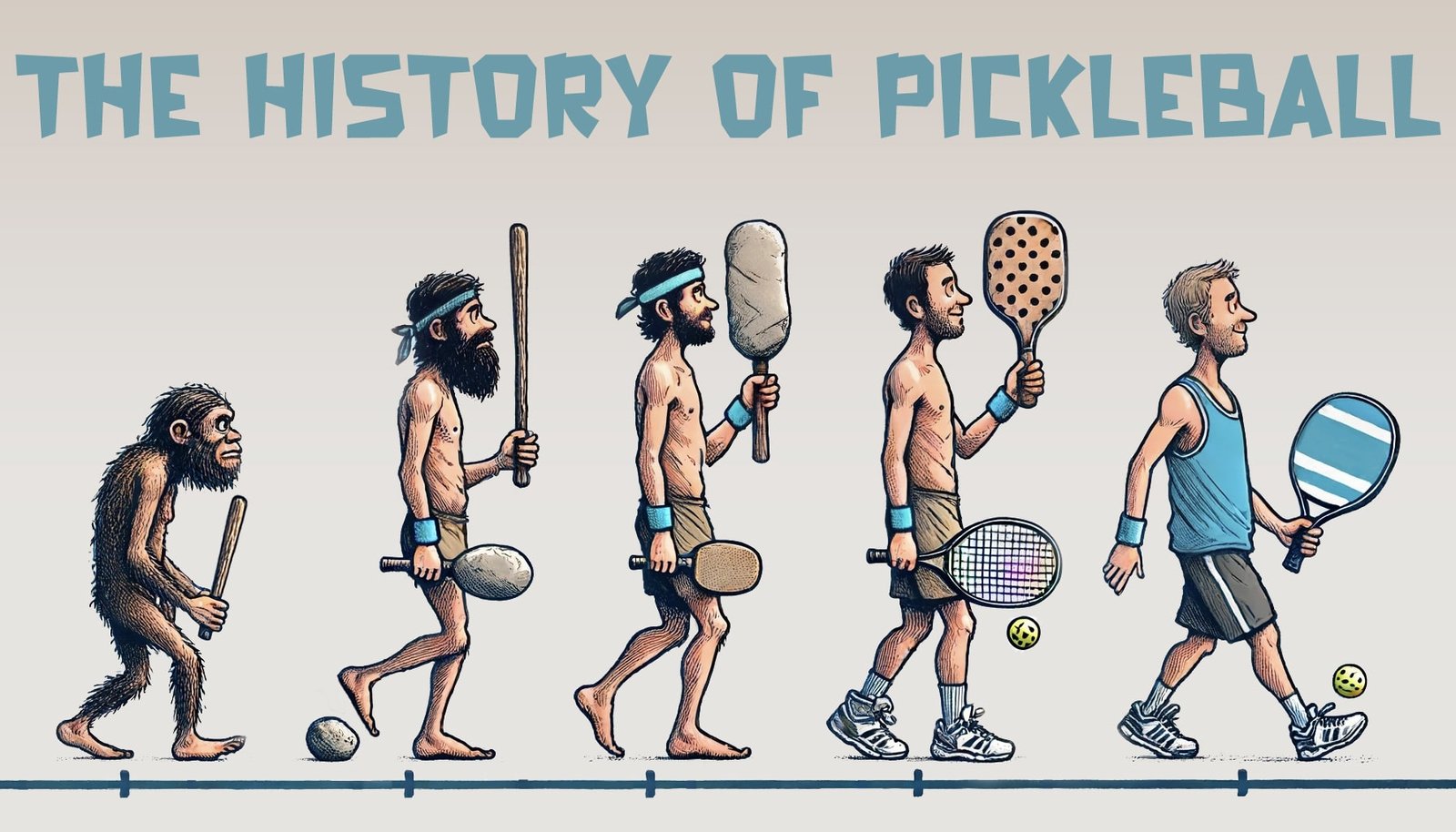
Pickleball began in 1965 on Bainbridge Island, Washington, as a backyard game.
If you’ve ever asked when did pickleball start, you’re in the right place. I’ve coached new players and studied the sport’s roots for years. This guide gives a clear, friendly tour of the earliest days, the myths, the rules, and the rise. By the end, you’ll know the full story behind when did pickleball start and why it matters.
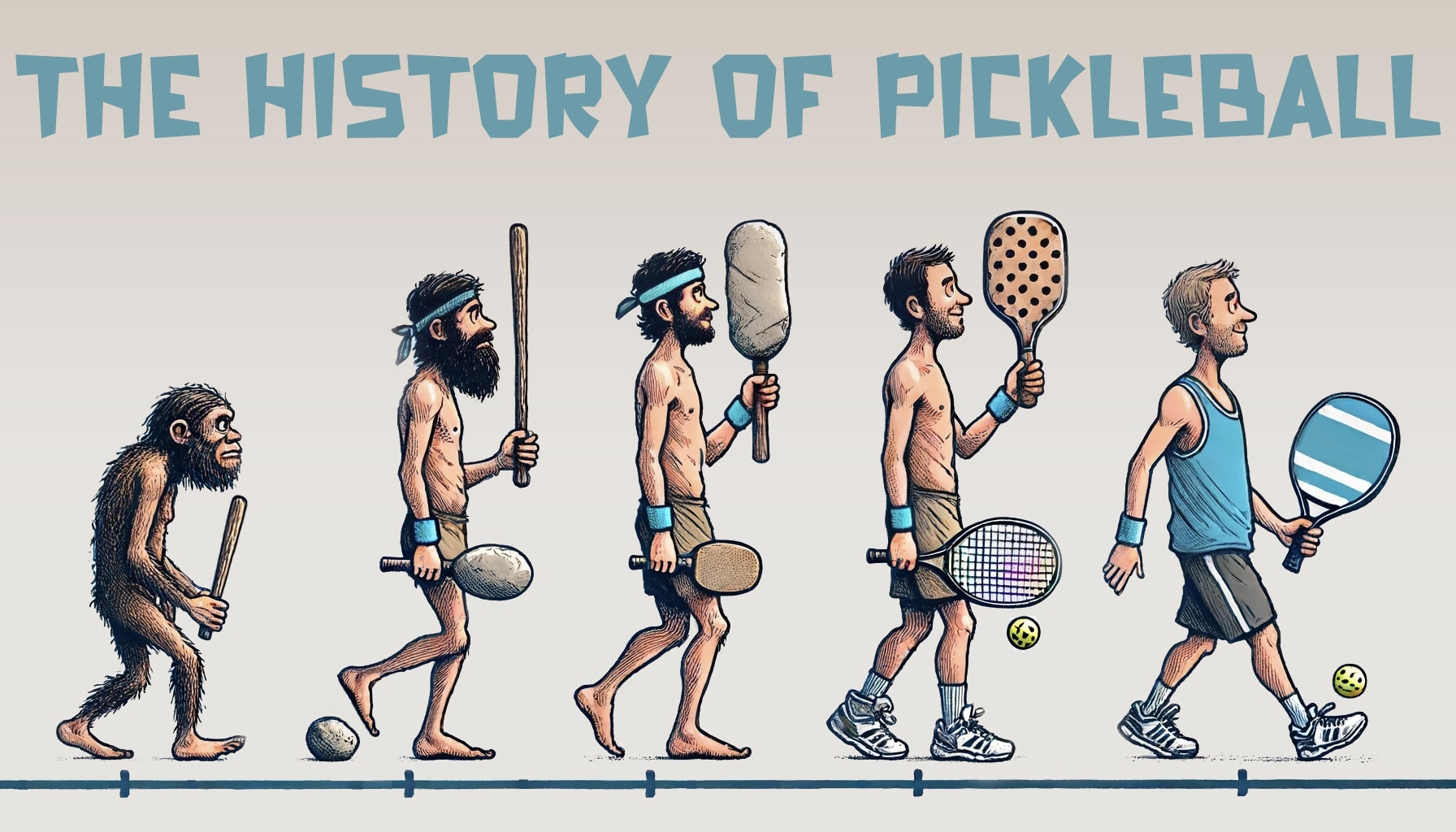
The origin: Bainbridge Island, 1965
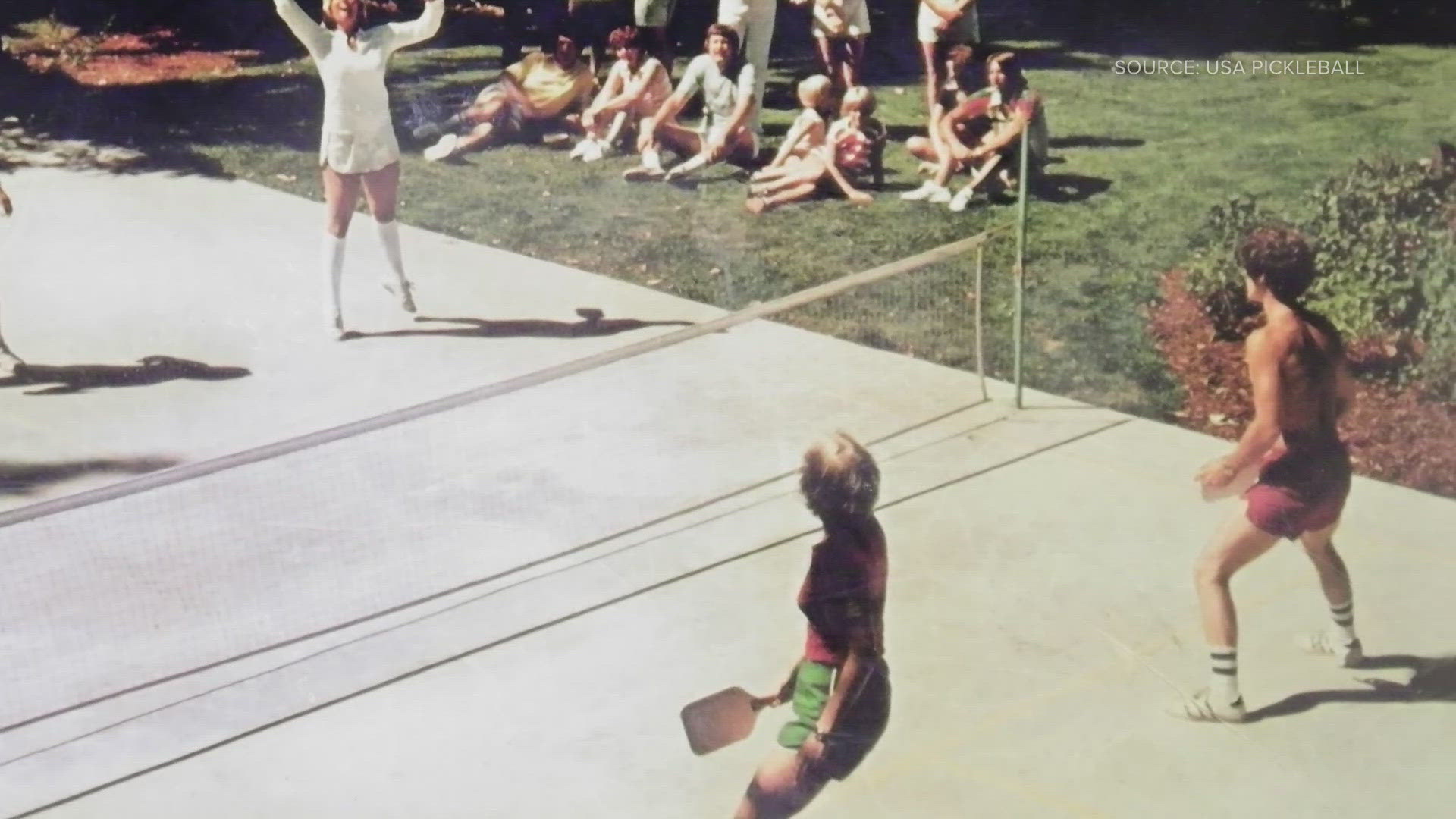
The story begins on Bainbridge Island, near Seattle. Three dads—Joel Pritchard, Bill Bell, and Barney McCallum—made a simple game for their families. They used a badminton court, ping-pong paddles, and a perforated plastic ball. Soon they lowered the net, set basic rules, and started to play daily.
People often ask, when did pickleball start because the timeline feels recent. It is. The game formed fast over one summer in 1965. It mixed familiar elements, yet it felt fresh and social. That blend made it stick.
The founders wanted a game for all ages. They built it on fun, not power. That choice still shapes play today.

Timeline: when did pickleball start and how it grew
It helps to see the growth at a glance. The dates below mark key steps from backyard pastime to global sport.
- 1965: Game invented on Bainbridge Island by Pritchard, Bell, and McCallum.
- 1967: First permanent court built at the McCallum home.
- 1972: A company formed to protect and promote the sport.
- 1976: First known tournament held near Seattle.
- 1984: A national body formed to write rules and guide events.
- 1990: The game spread to all 50 U.S. states.
- 2009: The first USA-sanctioned national tournament took place in Arizona.
- 2010s: International groups formed and rules standardized worldwide.
- 2020s: Pro tours, team leagues, and TV coverage ramped up.
If you still wonder, when did pickleball start in a modern sense, look at 2009 and beyond. That is when national events, larger clubs, and formal rankings took off. Yet the spirit of 1965 still runs through each match.

How the sport got its name
Two tales explain the name. One says the Pritchard family dog, Pickles, kept chasing the ball. Another points to “pickle boat,” a crew term for a mixed team of leftover rowers. Family accounts say the pickle boat story came first. The dog story grew later as a fun line for kids.
Both stories are part of the lore. When you ask, when did pickleball start to use its name, it traces back to that first summer. The name was light and catchy. It fit the vibe of the game.

Early rules, court size, and gear
The founders shaped a game that felt fair and fast. They kept the serve underhand. They set a no-volley zone near the net to stop smash-only play. They used a small, light ball that did not fly too fast.
Key basics that hold today:
- Court size is 20 by 44 feet, the same as badminton doubles.
- The non-volley zone is 7 feet from each side of the net.
- Net height is 36 inches at the posts, 34 inches at the center.
- Paddles are solid-faced and now made from wood, composite, or carbon.
- The ball is a perforated plastic ball, indoor or outdoor styles.
If you ask, when did pickleball start to lock rules, it happened step by step. By the 1980s, a national rulebook began to guide play. The rules protect rallies and keep points fun to watch and play.
I still carry a wood paddle on clinic days. It reminds new players that the game was, and still is, about touch and placement first.
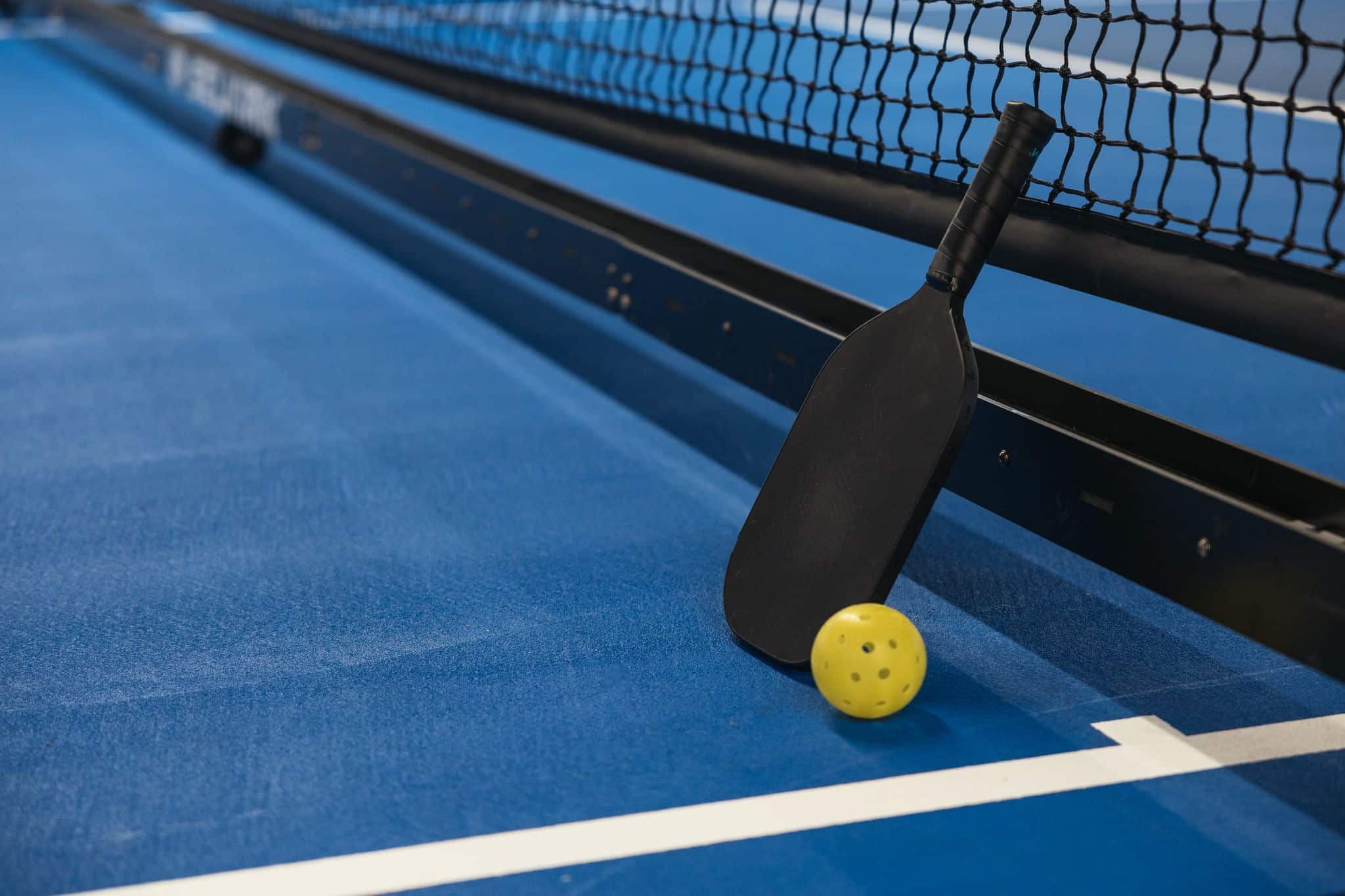
Why it spread so fast
The sport caught on because it is simple to learn and easy on the body. Courts are small, so rallies are longer and more social. You can talk, laugh, and still get a workout. Gear is affordable and courts are easy to set up at schools, parks, and churches.
Other drivers of growth:
- It blends skills from tennis, badminton, and ping-pong.
- It suits mixed ages and mixed skill groups.
- Doubles play lowers strain and raises teamwork.
- It rewards finesse, strategy, and short bursts of speed.
- It is friendly for beginners but deep for advanced players.
Industry reports list pickleball as the fastest-growing sport in the U.S. for several years. That momentum brings more courts, more coaches, and more local leagues. Many people first search when did pickleball start and end up joining a weekly group.

Milestones, media, and the modern boom
The 2020s set the sport on a new stage. A national body rebranded with a sharper mission. Pro tours and team leagues formed. Matches appeared on major networks and streaming platforms. Cities built new courts or repurposed tennis lanes to meet demand.
Big milestones that shaped the boom:
- A formal rulebook updated each year brings clarity and fairness.
- National and international federations align standards and events.
- Pro circuits draw sponsors, prize money, and young talent.
- Broadcast and social clips make highlights easy to share.
- Community clubs add ladder leagues, ratings, and coaching.
If you think back to when did pickleball start, this leap can feel unreal. In a few decades, it moved from a driveway game to sold-out pro finals. Yet the best part is still local. A good night mix of foursomes, laughter, and long dinks never gets old.
Personal notes from the court
My first session was on a taped tennis court behind a school. We used a portable net and a bucket of scuffed balls. I missed many third-shot drops. I also smiled more than I had in years.
Lessons I keep sharing:
- Start with a loose grip. It helps your touch.
- Keep your paddle up at the kitchen line.
- Learn the soft game first. Power comes later.
- Move as a team in doubles. Small steps win points.
- Call the score out loud. It keeps play smooth.
When new players ask me, when did pickleball start, I say the date and then add this. It starts for you the day you find your local courts. The history is cool, but the habit is what changes your week.

Frequently Asked Questions of when did pickleball start
When did pickleball start?
Pickleball started in 1965 on Bainbridge Island, Washington. Three dads created it to entertain their families in the summer.
Who invented pickleball?
Joel Pritchard, Bill Bell, and Barney McCallum invented the game. They mixed ideas from badminton, tennis, and ping-pong.
Where did pickleball start?
It started on a backyard court on Bainbridge Island, near Seattle. The first permanent court was built in 1967.
Why did pickleball start?
It began as a family game to fill a slow summer day. The goal was simple fun for players of all ages.
When did pickleball start getting popular?
It spread in the 1970s and 1980s, then surged after 2009. In the 2020s, media coverage and pro tours supercharged growth.
Which rules from the start still matter today?
Underhand serving, the non-volley zone, and a lower net remain key. These rules keep rallies fair and fun for all skill levels.
Conclusion
Pickleball started in 1965 with a few paddles and a plastic ball, and it grew because it was welcoming, simple, and social. The story of when did pickleball start is also the story of why it still feels fresh today. From backyard roots to pro lights, it rewards touch, teamwork, and a love of play.
If this history inspired you, find a local court this week and give it a try. Bring a friend, borrow a paddle, and play three games. Want more guides like this? Subscribe, share this article, or drop your questions in the comments.