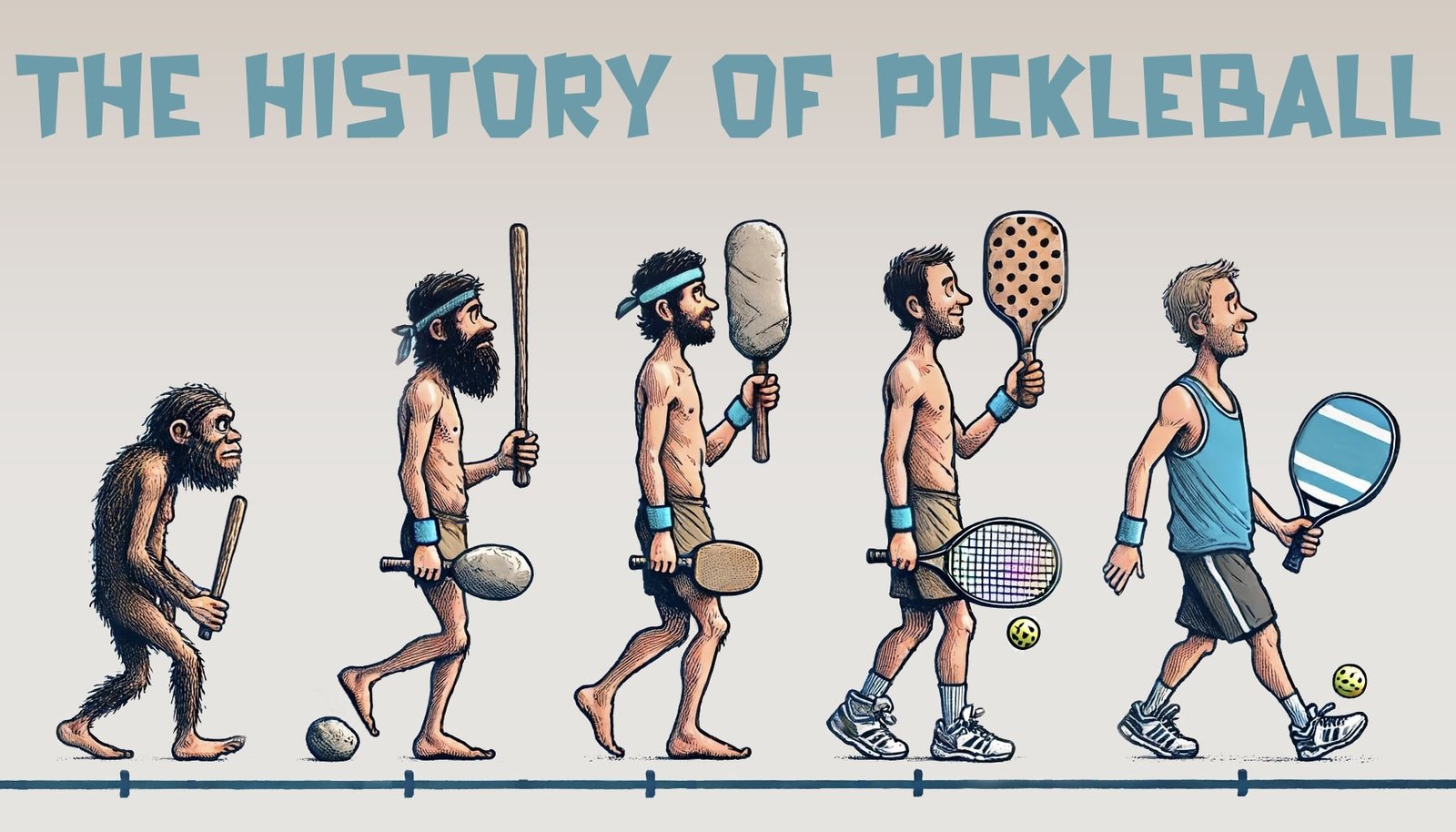
Pickleball began in 1965 on Bainbridge Island, Washington, created by three dads.
If you care about the true pickleball origin, this guide is for you. I’ve studied the sport’s history, visited key sites, and talked with longtime players. You’ll get a clear, friendly look at where pickleball came from, what shaped it, and why its origin still matters today.
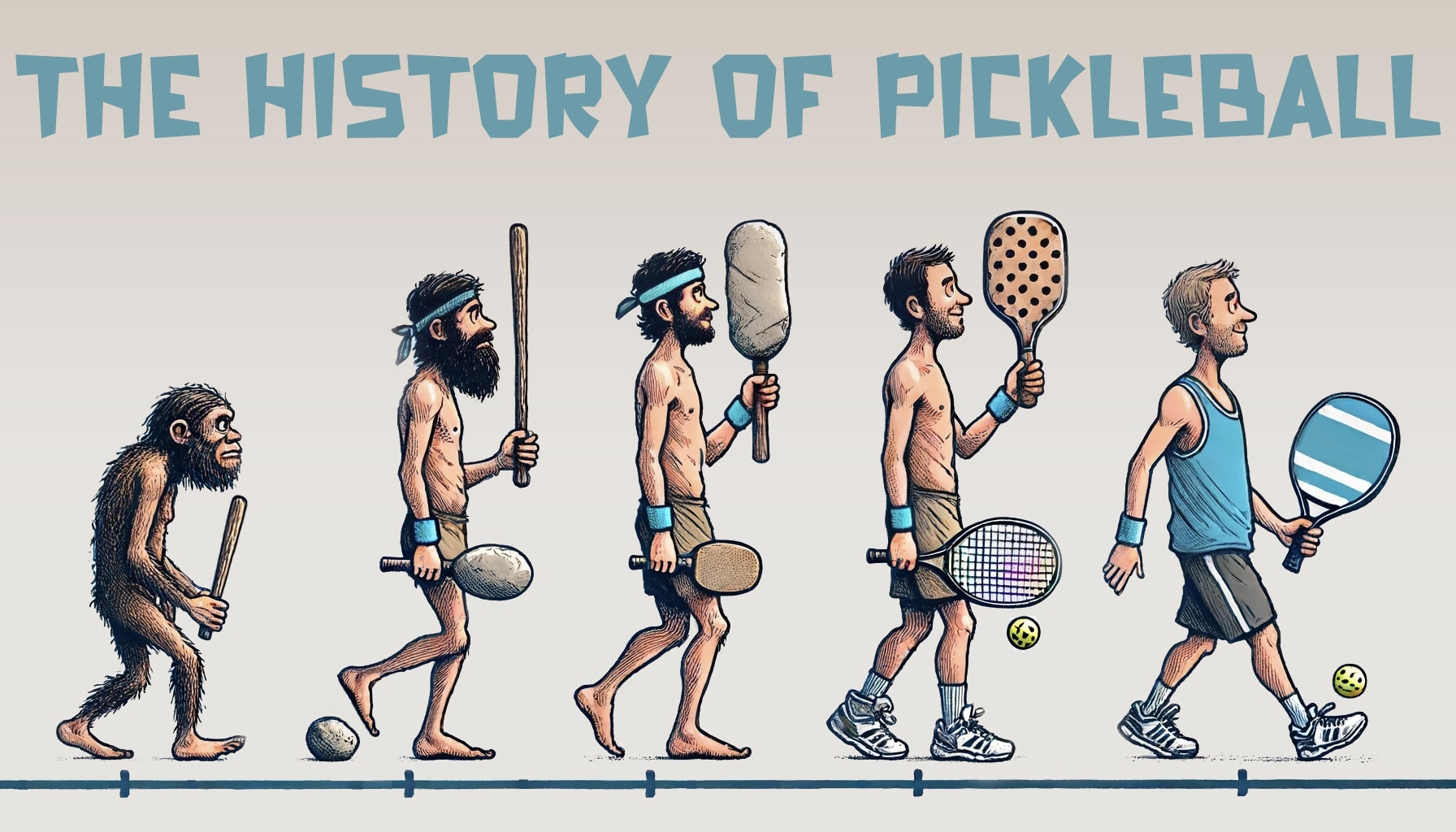
The beginning: Bainbridge Island, 1965
On a summer day in 1965, three friends looked for a family game. They were Joel Pritchard, Bill Bell, and Barney McCallum. A badminton net was up, but no shuttlecocks. So they used a perforated plastic ball and made paddles from plywood.
They lowered the net to a tennis-like height. They kept the small court size because it felt fun and fast. The pickleball origin sits here: a backyard, a mix of ideas, and a need for simple joy.
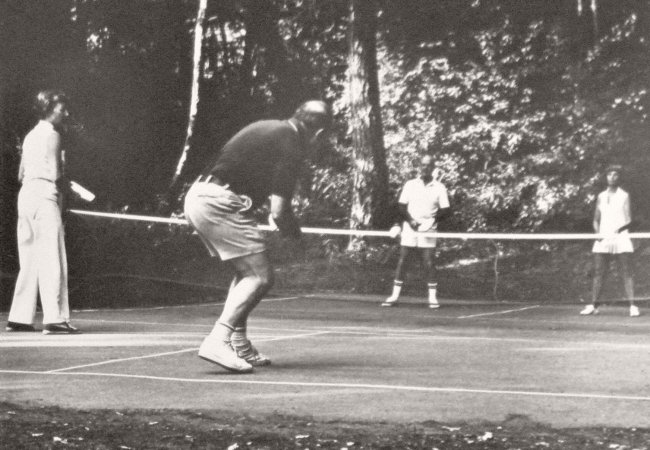
Early play was casual. Rules were flexible. The aim was family fun, not a new sport. That changed fast as neighbors asked to join and courts popped up around the island.

Why it’s called pickleball: the two origin stories
There are two stories about the name. One ties to a family dog named Pickles who chased the ball. The other points to the pickle boat in rowing, a crew made from leftovers. That fit the sport’s blend of parts from tennis, badminton, and ping-pong.
Public records and interviews suggest the dog, Pickles, came later. The “pickle boat” idea likely came first. The debate is part of the pickleball origin charm. It shows how folklore grows with a game.

Early rules, equipment, and court design
The first pickleball rules were simple. Keep the serve underhand. Bounce once on each side before volleying. Play to 11, win by 2. A non-volley zone near the net reduced dangerous smashes.
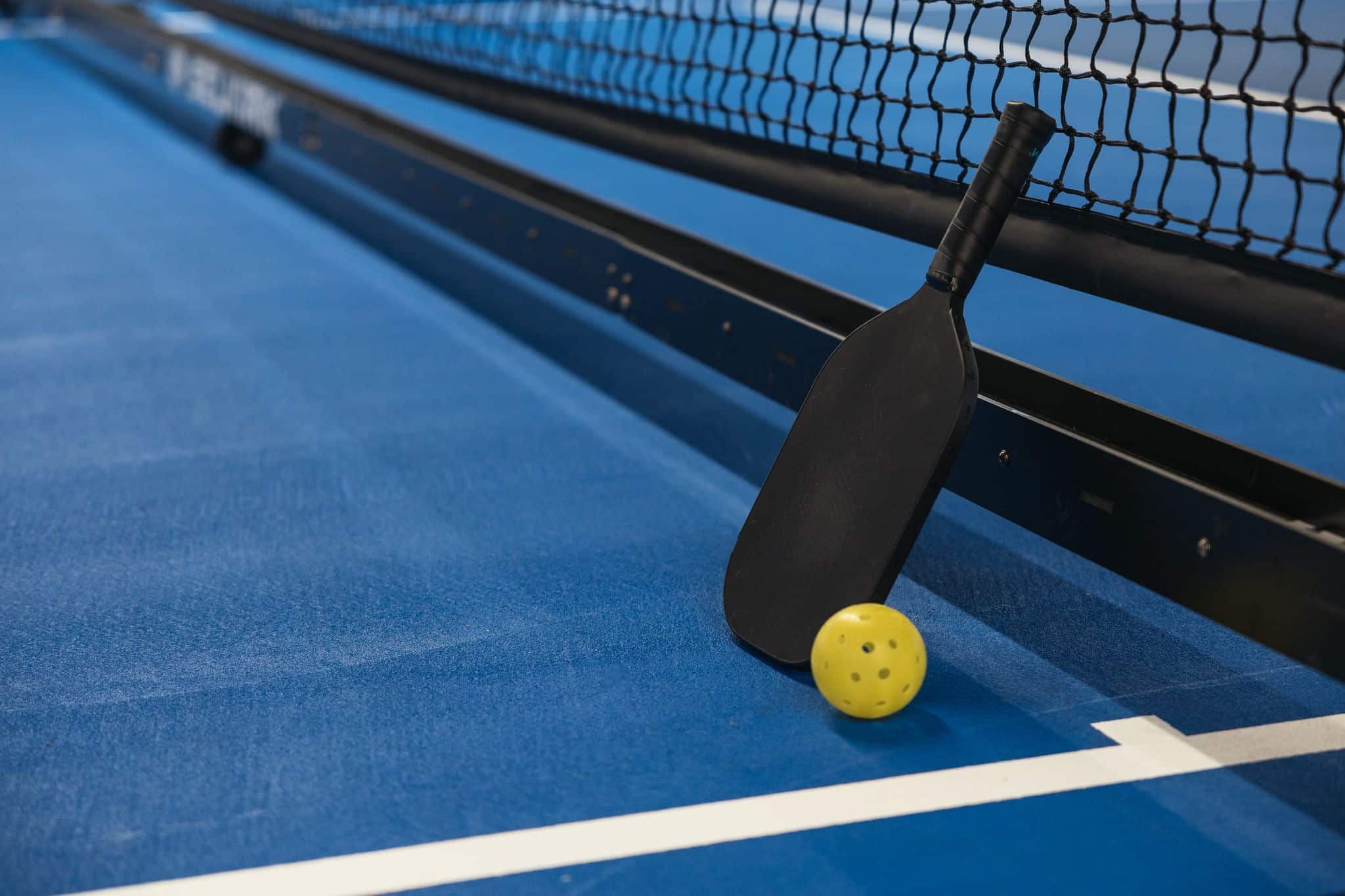
The court measured 20 by 44 feet, like badminton doubles. The net sat about 36 inches at the sidelines and 34 inches at the center. Paddles were wood. The ball was light and full of holes. These choices made rallies long and points easy to follow.
That mix kept power in check and welcomed all ages. It also set the DNA of the pickleball origin: easy to learn, hard to master, and social to the core.

Timeline of key milestones
Here is a simple path from backyard to boom, based on association histories and news archives:
- 1965: Game invented on Bainbridge Island, Washington.
- 1967: First permanent court built in a neighbor’s backyard.
- 1972: Pickle-Ball, Inc. formed to protect and grow the game.
- 1976: First known tournament held near Seattle with many tennis players.
- 1984: A national association formed and a formal rulebook published.
- 1990: Reported to be played in all 50 U.S. states.
- 2009: First national championship tournament in Arizona.
- 2020s: Pro tours, TV coverage, and explosive growth across cities worldwide.
Each step added structure without losing playfulness. The pickleball origin moved from a yard to a global stage while keeping its friendly heart.

How pickleball spread across the US and beyond
Three forces fueled growth. First, the rules are easy and the court is small. Second, startup costs are low. Third, it is social. You meet people, smile, and get a workout in 20 minutes.
Parks and schools saw the value. Seniors found a joint-friendly sport. Families found a game that spans ages. The pandemic era gave it a push as outdoor play felt safe and sane.
Local clubs formed ladders and leagues. Cities lined tennis courts for dual use. As more people asked about the pickleball origin, community leaders found a story worth funding.
Cultural impact and why the origin story matters
The pickleball origin matters because it signals values. It began with inclusion, improvisation, and community. Those values still guide the best courts and clubs.
I’ve seen noise debates and court-sharing fights. When groups revisit the origin, they often reset. They renew open play, teach beginners, and balance competition with welcome.
The story is also marketing gold. Cities use it to pitch tourism. Brands use it to connect with families. Knowing the real pickleball origin builds trust and keeps the sport grounded.
Lessons from the pickleball origin for new players and clubs
Use the origin as a playbook. Keep it simple. Keep it social. Keep it safe.
- Host free intro nights with loaner paddles and clear signs.
- Explain the two-bounce rule and the kitchen in two minutes or less.
- Set beginner hours so newcomers do not feel in the way.
- Share the pickleball origin in your welcome email and on court signs.
- Track growth, then add courts and lights before lines get too long.
These small moves echo the 1965 spirit. They turn first tries into loyal players.
My first-hand take and practical tips
I first learned about the pickleball origin on Bainbridge Island. A local player told me how plywood paddles bruised hands but kept the ball in play. That detail changed how I coach new players today.
Here is what works in real life:
- Teach soft shots first. Dinks honor the sport’s control roots.
- Use a lower net at clinics to boost rally length and confidence.
- Keep paddle choices light at the start. Comfort beats power for beginners.
- Tell the naming debate story. It breaks the ice and makes people laugh.
These tips bring the pickleball origin to life on any court. They also build the kind of culture that lasts.
Common myths about the pickleball origin
- Myth: It was always a pro sport. Fact: It began as a backyard family game.
- Myth: The dog named Pickles is the only true source of the name. Fact: The pickle boat story has strong support from early accounts.
- Myth: The rules were strict from day one. Fact: Early rules were flexible and aimed at fun.
- Myth: Pickleball copied tennis fully. Fact: The court size comes from badminton, and the ball from plastic whiffle-style toys.
- Myth: It only grew after 2020. Fact: The pickleball origin spread for decades through schools, parks, and local clubs.
Understanding these myths helps protect the real pickleball origin and its values.
Frequently Asked Questions of pickleball origin
Who invented pickleball and when?
Three friends created it in 1965: Joel Pritchard, Bill Bell, and Barney McCallum. This moment on Bainbridge Island stands as the core pickleball origin.
Where was the first pickleball court built?
The first permanent court appeared on Bainbridge Island in 1967. It followed the small-court idea that defines the pickleball origin.
Why is it called pickleball?
Two stories exist: a dog named Pickles and the pickle boat in rowing. Most historians lean toward the boat story as closer to the true pickleball origin.
When did formal rules appear?
A national group published a rulebook by the mid-1980s. That step turned the backyard pickleball origin into a structured sport.
How did the sport become so popular?
It is easy to learn, social, and safe for many ages. Those traits, baked into the pickleball origin, made it spread fast.
Did tennis players influence early play?
Yes, many early competitors came from tennis and adapted quickly. Their skills helped shape strategy without changing the core pickleball origin.
Conclusion
The pickleball origin is a simple story with a huge ripple. Three dads, a small court, and a clever ball created a sport that welcomes the world. Its lessons point to what works: clarity, community, and care.
Take that spirit to your local courts. Share the story with a newcomer. If you found this guide useful, subscribe for more deep dives, send it to a friend, or leave a comment with your favorite pickleball origin moment.