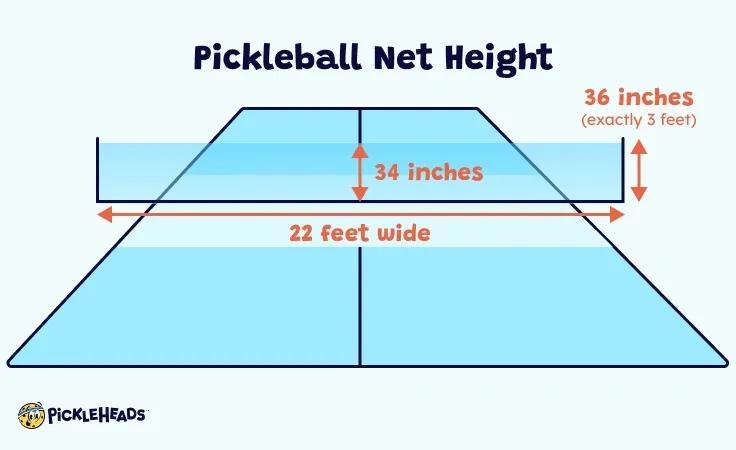
Pickleball net height is 36 inches at the posts and 34 inches at the center.
If you care about clean drops, fair play, and fewer net cords, getting pickleball net height right is huge. I’ve set up hundreds of courts, from garage driveways to sanctioned events. In this guide, I’ll break down pickleball net height in clear steps, with real tips, so you can measure, set, and play with confidence. Stick around and you’ll know more than most players at your park.
Official Pickleball Net Height Explained
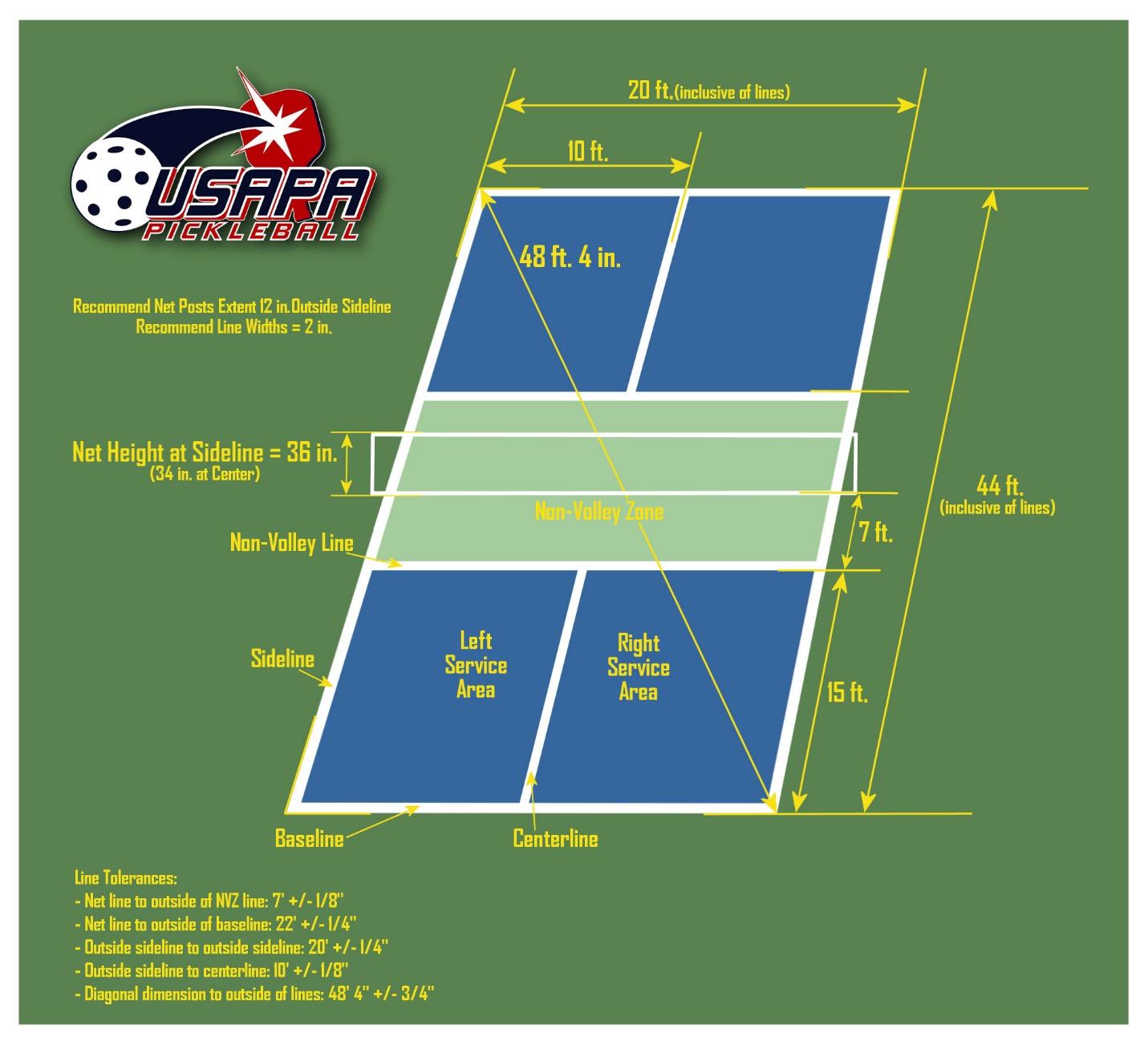
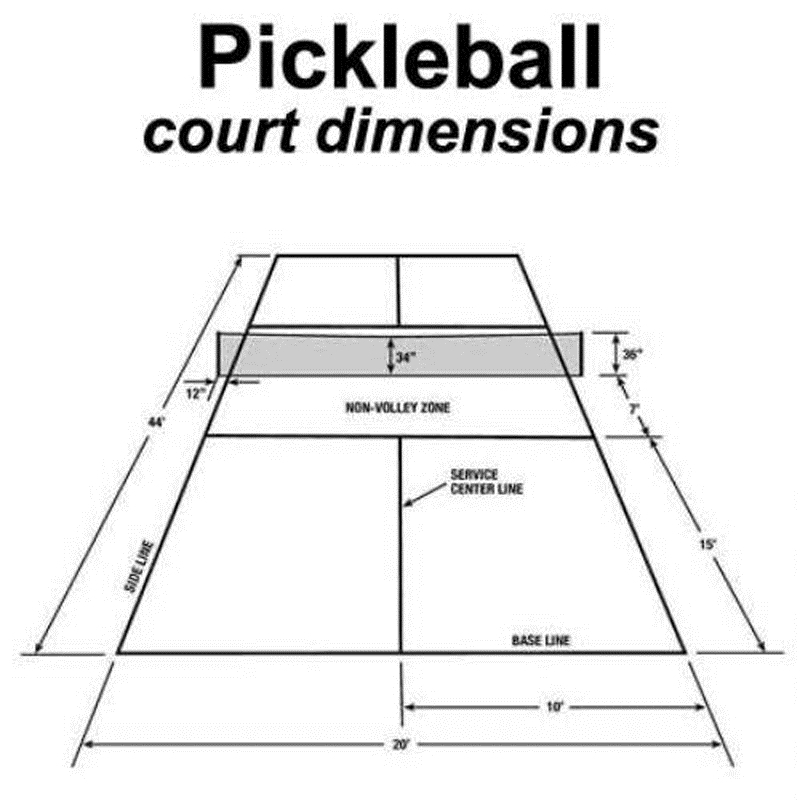
The official pickleball net height is simple. It is 36 inches at each post and 34 inches at the center. That two-inch dip matters during rallies. It gives you just a bit more room through the middle.
Height is measured to the top of the net, including the top band. Most quality nets use a center strap to reach 34 inches. If you prefer metric, that is about 91.4 cm at the posts and 86.4 cm at the center.
These numbers come from the current USA Pickleball rules. They match what you see at tournaments and league play. If your court is set to these heights, you are playing by the book.
Why Pickleball Net Height Matters
Pickleball net height shapes the way points unfold. The lower middle invites safer dinks and third-shot drops through the center. The higher sides make sharp angles and sideline drives a touch harder.
Proper height also keeps matches fair. Shots that clip the tape tell you the setup is true. Too high, and rallies drag. Too low, and attacks get silly easy.
When I coach beginners, I stress net height on day one. Consistent height builds honest feel. Your touch grows faster when the gear is correct.

Indoor vs Outdoor Nets and Portable Systems
Indoor nets sit in stable air. They are easier to keep at the right height. Outdoor nets face wind and temperature swings. That can loosen straps and bow the frame.
Portable nets vary a lot. Some frames flex more, which causes extra sag in the middle. Look for a strong center support, a solid top cord or cable, and a center strap you can adjust fast.
If you use a portable system, check pickleball net height before each session. A one-minute tune-up saves many points later. Pack a small tape measure in your bag.

How to Measure Pickleball Net Height Correctly
You can measure pickleball net height in under two minutes. Here is a simple method I use on every court:
- Place a tape measure on the centerline. Measure straight up to the top of the net band. Adjust the center strap until it reads 34 inches.
- Move to each post. Measure from the playing surface to the top of the net at the inside edge of the post. Set both sides to 36 inches.
- Stand back and check the net shape. You want a smooth, even dip across the span. No big belly in the middle.
- Test with a known object if you lack a tape. Mark a stick at 34 and 36 inches. Keep it in your gear bag for quick checks.
Small tip from many setups: measure on the same spots you will play. If the surface slopes even a little, it can change the reading. Measure where the ball will bounce.

Common Mistakes and How to Fix Them
Many errors with pickleball net height are easy to spot and fix. Watch for these:
- Big center sag. If the middle looks like a hammock, tighten the center strap. Re-check the posts to keep 36 inches.
- Posts are too high but the center is right. Loosen the end cords or lower the post sleeves if your system allows it.
- Measuring from the wrong point. Always measure to the top edge of the net band. Do not measure to the cord holes or side ties.
- Uneven ground. Asphalt dips can trick your tape. Move a few inches and recheck. Use rubber shims under portable feet if needed.
- Over-tightening the top cord. A cable should be firm, not guitar-string tight. Too much tension can warp the frame.
I once set a court on a windy day and chased heights for 15 minutes. The fix was simple. Turn the court 90 degrees so the wind hit the net evenly. Then dial the strap.

Net Height Rules for Different Play Levels
The same pickleball net height applies to all levels. Rec play, club ladders, and tournaments all use 36 inches at the posts and 34 inches at the center. That uniform rule keeps skill growth steady.
For juniors, some clinics lower nets during drills. That is fine for practice, but it is not official play. Wheelchair pickleball uses the same heights too.
If you plan a league or event, state the standard in your rules sheet. Have one person check all courts pre-match. Consistency builds trust.
Net Maintenance, Setup Tips, and Safety
Good care keeps your pickleball net height stable all season. A few habits make a big difference.
- After play, reduce tension a bit on portable nets. This protects the frame and the cord.
- Keep the center strap clean. Dirt can make buckles slip. A quick wipe helps.
- Store nets dry and shaded. Sun and moisture age straps and fabric fast.
- Inspect monthly. Look for frayed cords, bent feet, and loose screws. Replace worn parts before they fail.
Safety matters too. Tuck extra strap tails so players do not trip. Make sure bases sit flat. If wind picks up, add sandbags to the feet.
Buying Guide: Nets That Hold Regulation Height
The right features help you keep exact pickleball net height with less fuss. When shopping, look for these traits:
- Strong top cable or cord. A cable holds tension better than thin rope.
- Center strap with clear marks. Easy marks make 34 inches fast to find.
- Rigid center support. A firm mid-section reduces sag.
- Stable feet. Wide bases resist wind and wobble.
- Quality band and stitching. Thick top tape keeps a true edge for measuring.
For outdoor use, choose a heavier frame. A weight near 30 pounds or more resists gusts. For travel, a lighter 18 to 24 pound kit packs easier. If you coach, keep a backup strap and cord in your bag.
Strategy: How Net Height Affects Your Shots
That two-inch dip in pickleball net height is your friend. When in doubt, aim through the middle. It buys you free margin on drives, resets, and dinks.
Serve and third shot drops love a true 34-inch center. A clean setup rewards soft hands. On defense, float your reset to the belly button height of the net. Let gravity do some work.
When you attack near the sideline, remember the posts are higher. Add a touch more lift or bring your target inside. Small changes turn tape clips into winners.
Frequently Asked Questions of pickleball net height
What is the official pickleball net height?
It is 36 inches at the posts and 34 inches at the center. Measure to the top of the net, including the band.
Why is the center of the pickleball net lower?
The lower center promotes rallies and shot variety. It also allows safer aim through the middle during dinks and drives.
Is pickleball net height the same as tennis or badminton?
No. Tennis uses 36 inches at the center and 42 inches at the posts. Badminton is about 5 feet at the center and slightly higher at the posts.
Can I lower the net for kids?
For practice, yes, if it helps learning and fun. For official play, keep regulation pickleball net height.
How tight should the net be?
Tight enough to read 34 inches at center and 36 at posts with a firm top band. Do not over-tighten or you may bend the frame.
How do I fix a sagging portable net?
Tighten the top cord and adjust the center strap. If sag persists, check for loose joints or add a small mid-rod support.
Do I need a special tool to measure net height?
A simple tape measure works fine. A small stick marked at 34 and 36 inches is fast and reliable.
Conclusion
Pickleball feels better when the gear is right. Set pickleball net height to 36 inches at the posts and 34 at the center, and your shots will tell you the rest. Measure often, adjust fast, and enjoy cleaner rallies.
Try the steps today on your local court. Share this guide with your group, or drop your setup questions in the comments. Your next game could be your best yet.